Stage 4 Cancer: Symptoms, Treatment and Outlook

Key Takeaways
- Stage 4 cancer is the most advanced stage in many solid tumors, usually meaning the cancer has spread to distant organs or tissues.
- Symptoms vary widely and may be caused by the cancer itself, treatment side effects, or the body’s response to illness.
- Diagnosis and treatment plans are individualized and often involve imaging, biopsies, lab tests, and multidisciplinary oncology input.
- Treatment may include systemic therapy, radiation, surgery in selected cases, symptom control, and supportive care.
- A second opinion or specialist review can be helpful when decisions are complex or when care is being arranged across countries.
Stage 4 cancer means the cancer has spread beyond its original site to distant parts of the body, but it is still treatable in many cases. Care focuses on controlling the disease, easing symptoms, preserving quality of life, and matching treatment to the person’s goals and overall health.
Overview
Stage 4 cancer is a term doctors use when a cancer has spread from its original location to a distant part of the body. Depending on the cancer type, this may be called metastatic cancer, advanced cancer, or disseminated disease. The exact meaning can differ a little from one cancer to another, so staging is always interpreted in the context of the specific diagnosis.
For many patients, hearing “stage 4” feels overwhelming at first. Yet the term does not mean that care has ended. Many stage 4 cancers can still be treated, sometimes for a long time, with the goal of slowing growth, relieving symptoms, and helping the person live as fully as possible. The most useful plan is usually built around the patient’s cancer type, overall health, previous treatments, and personal priorities.
For international patients, a stage 4 diagnosis often brings urgent decisions about where to continue care, whether treatment should be started immediately, and what type of follow-up will be practical once they return home. Those questions are medical as well as logistical, and they are best answered with a specialist team that can review records carefully and plan ahead for continuity.
Symptoms
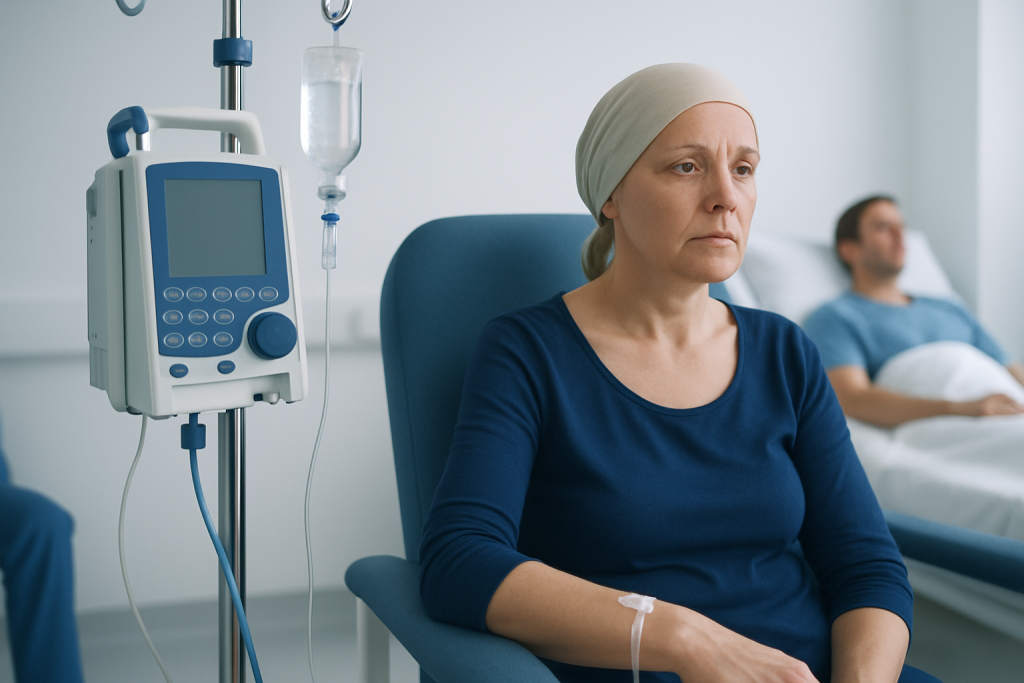
Stage 4 cancer does not look the same in every person. Some people notice symptoms from the original cancer, while others first feel effects from spread to another organ. Symptoms can also come from the body’s effort to cope with illness or from treatment side effects.
Common concerns may include ongoing pain, fatigue, weight loss, loss of appetite, shortness of breath, coughing, headaches, bone pain, swelling, jaundice, nausea, constipation, or new lumps. Some people have very few symptoms, especially if the cancer was found through surveillance imaging or routine follow-up.
It is helpful to pay attention to new or changing symptoms rather than assuming they are “just part of cancer.” A clear symptom record can make a consultation more productive, especially when a patient is seeing doctors in another country and has only a short window for testing and treatment planning.
- Persistent pain or pressure in one area
- Unexplained fatigue or weakness
- Changes in breathing, swallowing, bowel habits, or urination
- Neurologic symptoms such as confusion, headaches, or balance changes
- Unexplained swelling, skin changes, or bleeding
Causes & Risk Factors

Stage 4 cancer develops when cancer cells escape the original tumor, travel through the lymphatic system or bloodstream, and form new deposits in other parts of the body. This process is called metastasis. It can happen in many types of cancer, including breast, lung, colon, prostate, kidney, and melanoma, among others.
The reasons one cancer spreads and another does not are complex. Tumor biology, genetic changes, the location of the original cancer, how early it was found, and how well it responded to prior treatment all play a role. Risk factors for developing cancer in general can include age, family history, inherited gene changes, tobacco use, certain infections, alcohol, obesity, environmental exposures, and some chronic inflammatory conditions.
It is important to note that a person does not “cause” stage 4 cancer by doing anything wrong. In many cases, spread occurs despite appropriate treatment. That is one reason oncology care often combines active cancer treatment with supportive care, because both are needed to address the full impact of the disease.
Diagnosis
Doctors usually confirm stage 4 cancer by combining imaging, pathology, and laboratory studies. Scans such as CT, MRI, PET, ultrasound, or bone scans may show where the disease has spread. A biopsy may be needed to verify that a suspicious area is truly cancer and, in some cases, to re-check tumor features that influence treatment.
Staging is not always a one-time event. A cancer can be restaged if new findings appear or if the disease behaves differently over time. Doctors may also test the tumor for biomarkers, genetic changes, hormone receptors, or other molecular features that can open the door to targeted therapy or immunotherapy.
For patients coming from abroad, it is useful to bring original pathology reports, imaging discs, laboratory results, medication lists, and a brief treatment timeline. This helps the oncology team avoid repeating tests unnecessarily and makes it easier to coordinate care quickly and safely.
Treatment Options
Treatment for stage 4 cancer is individualized. The main goal is often to control the cancer for as long as possible while maintaining comfort and daily function. Depending on the cancer type and spread pattern, treatment may include chemotherapy, targeted therapy, immunotherapy, hormone therapy, radiation therapy, surgery in selected situations, or combinations of these approaches.
Some stage 4 cancers respond very well to systemic treatment, especially when the tumor has a specific targetable feature. In other situations, treatment is aimed more at symptom control and slowing progression than at eliminating all disease. Palliative care may be introduced early and can work alongside active cancer treatment; it is focused on pain relief, appetite, sleep, emotional support, and practical quality-of-life needs.
Not every intervention is appropriate for every patient. Doctors consider the cancer’s behavior, the person’s strength and organ function, previous therapies, expected side effects, and the patient’s goals. For some people, travel for treatment is part of the decision-making process, and that makes it especially important to discuss timing, infection precautions, recovery time, and follow-up plans before starting therapy.
- Systemic treatment to reach cancer cells throughout the body
- Radiation to ease pain or control specific problem areas
- Surgery in carefully selected cases, such as preventing complications
- Symptom-focused medications and supportive care
- Rehabilitation, nutrition support, and psychological care
Prevention & Self-care
Stage 4 cancer itself cannot usually be prevented once a cancer has developed, but self-care can still make a meaningful difference. The most useful steps are the ones that support strength, comfort, and adherence to the treatment plan. Even small routines can help patients feel more anchored during a difficult period.
Eating as well as possible, staying hydrated, moving gently when approved by the care team, and keeping follow-up appointments can all support day-to-day wellbeing. Some patients benefit from keeping a symptom diary, organizing medications in a simple written list, and noting questions for each visit so that nothing is lost during a short consultation.
Patients traveling for care may want to think ahead about rest periods, a companion for appointments, and where to get urgent help if symptoms change after returning home. Clear discharge instructions and a written summary from the treating team can make cross-border follow-up much easier.
- Follow the treatment plan and report side effects early
- Prioritize rest, nutrition, and gentle activity as tolerated
- Ask about pain control, nausea control, and sleep support
- Use a written record for symptoms, medicines, and appointments
- Seek emotional and social support for the patient and family
When to See a Doctor
People with stage 4 cancer should stay in close contact with their oncology team, especially if symptoms change. A prompt medical review is important if pain becomes harder to control, breathing changes, new neurological symptoms appear, or eating and drinking become difficult. Sudden confusion, severe weakness, bleeding, or signs of infection also deserve urgent attention.
It is reasonable to ask for a specialist opinion at any point, particularly when the diagnosis is complex, treatment options are several, or the patient is deciding where to continue care. A second review can help clarify the goals of treatment and make the next steps feel more manageable.
Acibadem Health Point’s multidisciplinary specialists and JCI-accredited hospitals can diagnose and treat stage 4 cancer for international patients, with attention to coordinated care and follow-up planning. That kind of support is especially valuable when treatment decisions need to fit both medical needs and the realities of travel.
Living With the Diagnosis
Living with stage 4 cancer is rarely a straight line. There may be periods when treatment is active, periods when symptoms dominate, and periods when care is more focused on comfort and routine. Many patients do best when their care plan includes both cancer-directed treatment and supportive measures that protect daily function.
Family members and caregivers often need guidance too, including help with practical tasks, understanding warning signs, and knowing how to communicate with the medical team. A calm, organized plan can reduce uncertainty, especially when care spans more than one country or more than one institution.
What matters most is that the person with cancer is treated as an individual, not as a stage number. Goals can evolve, and the treatment plan can evolve with them.
Frequently asked questions
01What does stage 4 cancer mean?
Stage 4 cancer usually means the cancer has spread from its original site to distant organs or tissues. The exact definition depends on the type of cancer, so doctors always interpret it alongside the specific pathology and imaging findings.
02Is stage 4 cancer always terminal?
Not always. Some stage 4 cancers can be controlled for a long time, and treatment may help reduce symptoms and slow progression. The outlook depends on the cancer type, how it responds to therapy, and the person’s overall health.
03What symptoms are common in stage 4 cancer?
Symptoms vary widely, but pain, fatigue, weight loss, shortness of breath, appetite changes, and symptoms related to the affected organ are common. Some people have few symptoms at first, which is why follow-up imaging and regular review can be important.
04How is stage 4 cancer treated?
Treatment often includes systemic therapy such as chemotherapy, targeted therapy, immunotherapy, or hormone therapy, depending on the cancer type. Radiation, surgery in selected cases, and supportive care may also be used to improve comfort and function.
05Can a person travel for stage 4 cancer treatment?
Yes, some patients travel for a specialist opinion or treatment, but timing and safety need careful planning. It is important to review records in advance, discuss possible side effects, and arrange follow-up before returning home.
06Should palliative care be considered early?
Yes, palliative care can be helpful at any stage of serious illness, including while active cancer treatment is ongoing. It focuses on symptom relief, emotional support, and quality of life, and it can be combined with oncology care.
This article is for general information only and is not a substitute for professional medical advice. Please consult a qualified doctor about your individual situation.
Medical weight-loss options in Turkey — costs & eligibility
JCI-accredited · board-certified surgeons · reply within 24h
Add us as a Preferred Source to see more of our trusted health content across Google Search, AI Overviews and Discover.