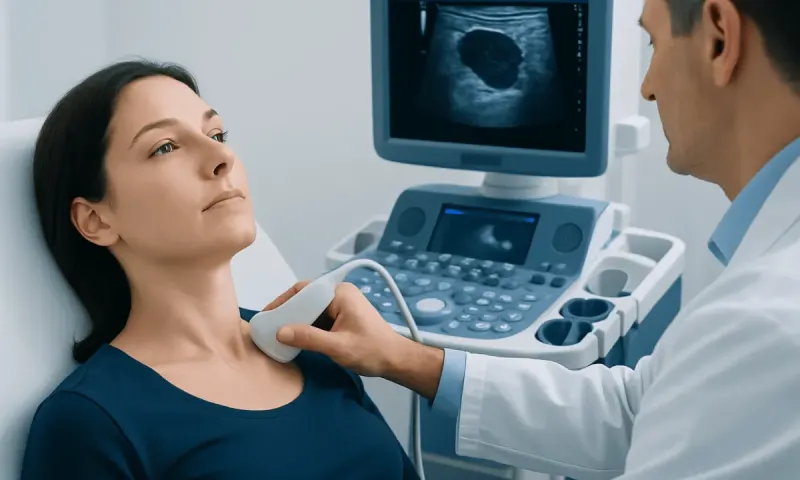
Benign Tumor: Symptoms, Causes and Treatment

Key Takeaways
- Benign tumors are noncancerous growths, but they can still cause health problems if they press on nearby structures.
- Symptoms depend on where the tumor grows and may include pain, swelling, bleeding, or changes in normal body function.
- Diagnosis usually involves a physical exam, imaging tests, and sometimes a biopsy to confirm the tissue type.
- Treatment ranges from careful monitoring to surgery or other procedures, depending on symptoms and growth pattern.
- Regular follow-up is important because some benign tumors can return or need re-evaluation over time.
A benign tumor is a noncancerous growth that usually stays localized and does not spread to other parts of the body. Even so, it may still cause symptoms, affect nearby organs, or need treatment depending on its size and location.
Overview
A benign tumor is an abnormal mass of cells that grows in one place without invading nearby tissues in the way a cancer does. In everyday language, “benign” means noncancerous, but that does not always mean harmless. A tumor in the brain, bowel, breast, skin, or another organ can still create symptoms simply by taking up space or interfering with normal function.
The most important difference between benign and malignant tumors is behavior. Benign tumors usually grow slowly, remain well defined, and do not spread to distant parts of the body. Still, the effect on a person’s health depends less on the label and more on the tumor’s size, location, and whether it changes over time.
For international patients, the practical questions often come first: Does it need treatment now, can it be safely watched, and what kind of follow-up will be needed after returning home? Those decisions are usually made after a careful evaluation by a specialist who reviews symptoms, imaging, and, when needed, tissue testing.
Symptoms
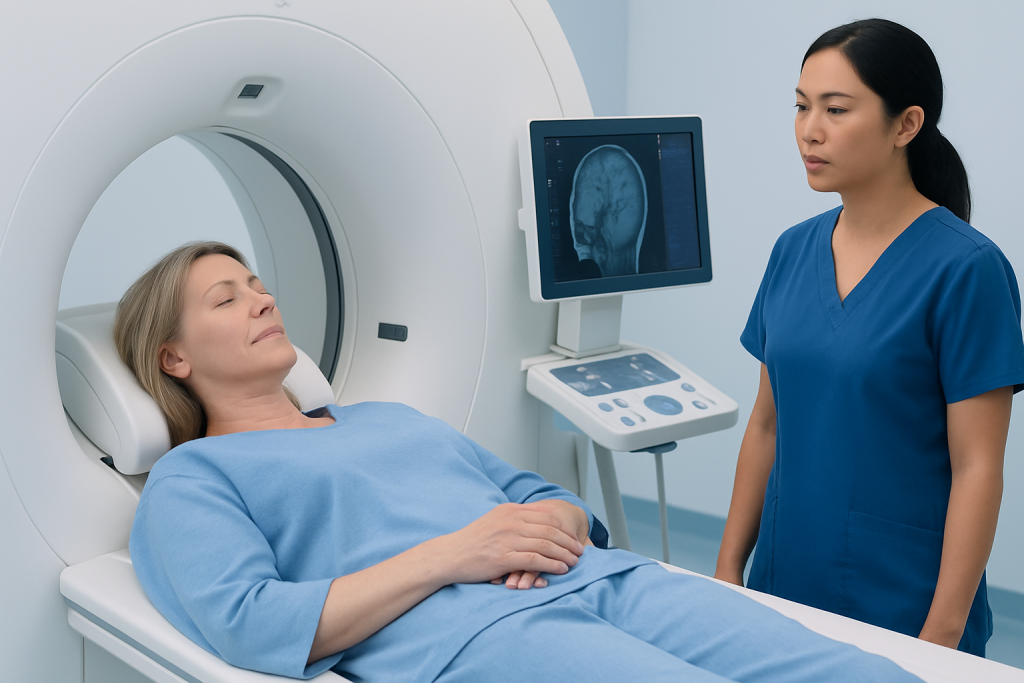
Some benign tumors cause no symptoms at all and are found by chance during an ultrasound, scan, routine examination, or an operation for another reason. Others become noticeable because they affect nearby nerves, organs, or soft tissues. The exact symptoms depend on where the growth is located.
Possible signs may include a lump under the skin, a feeling of pressure, pain, swelling, or a change in function such as trouble swallowing, bowel changes, urinary symptoms, or headaches. In hormone-producing organs, a benign tumor may also disrupt normal body chemistry and lead to symptoms that seem unrelated at first glance.
Many symptoms are nonspecific, which is why a medical assessment matters. A lump is not automatically dangerous, and pain does not always mean cancer. The key is to have new, persistent, or changing symptoms checked so the cause can be identified accurately.
Causes & Risk Factors

Benign tumors develop when cells begin to grow more than they should, but not in the highly aggressive pattern seen in cancer. In many cases, the exact cause is not known. They may arise from a mix of genetic changes, age-related cell changes, hormone influences, and environmental factors that affect tissue growth.
Some benign tumors are linked to inherited conditions, while others occur sporadically with no family history. Hormones can play a role in certain growths, and irritation or chronic inflammation may contribute in some tissues. Age, sex, and specific organ systems can also influence which benign tumors are more common.
A doctor will usually consider whether the growth pattern fits a common benign condition or whether more testing is needed to rule out other causes. This is especially important if a tumor is growing quickly, causing significant symptoms, or appearing in a location where even a small mass can have a large effect.
Diagnosis
Diagnosis often begins with a conversation about when the symptoms started, how they have changed, and whether there is a personal or family history of similar conditions. A physical exam may detect a lump, tenderness, or a change in organ function. From there, the doctor may recommend imaging or other tests to learn more about the growth.
Ultrasound, CT, MRI, or other imaging studies can help define the tumor’s size, shape, and relationship to surrounding tissue. In some cases, blood tests are useful if a hormone issue or another organ problem is suspected. The goal is not only to identify a mass, but also to understand how it behaves.
Sometimes a biopsy is needed, meaning a small tissue sample is examined under a microscope. This is the most direct way to tell whether cells are benign, precancerous, or malignant. For patients traveling for care, doctors often try to organize testing efficiently so the full picture is clear before treatment plans are finalized.
Treatment Options
Treatment depends on whether the benign tumor is causing symptoms, how fast it is growing, and whether it is affecting nearby structures. Some benign tumors do not need immediate treatment and can be followed with regular checkups and repeat imaging. This is often appropriate when the growth is stable and not interfering with daily life.
When treatment is needed, surgery is a common option, especially if the tumor is easy to reach, enlarging, painful, or compressing an organ. In certain situations, minimally invasive procedures may be possible. Other treatments may be used for specific tumor types, such as medication to control hormone effects or procedures to reduce symptoms.
Because benign tumors vary widely, the best plan is individualized. A specialist may recommend removing the tumor, monitoring it for change, or combining treatment with long-term follow-up. For patients coming from another country, it is helpful to ask in advance how recovery will be managed, what warning signs to watch for, and when repeat scans or clinic visits should happen after returning home.
Prevention & Self-care
There is no guaranteed way to prevent every benign tumor. Many arise without a clear cause. Even so, general health habits and routine medical care can support earlier detection and better overall outcomes, especially when a growth is found before it causes major symptoms.
Self-care starts with paying attention to new lumps, persistent pain, unexplained bleeding, or changes in bowel, urinary, skin, or neurological function. Keeping a simple record of symptoms, including when they started and whether they are changing, can help the doctor make faster, more accurate decisions.
People who have already been diagnosed with a benign tumor should keep their follow-up appointments, even if they feel well. Monitoring plans may include repeat scans, physical exams, or laboratory tests. This is particularly helpful for international patients who may need a clear follow-up schedule that can continue smoothly with a local doctor at home.
- Do not ignore a growing mass or a symptom that keeps returning.
- Bring previous imaging and pathology reports to every specialist visit.
- Ask whether the tumor is expected to stay stable or could change over time.
- Follow postoperative instructions carefully if surgery has been performed.
When to See a Doctor
Medical evaluation is advisable whenever a new lump appears, a known growth becomes larger, or symptoms begin to interfere with normal activities. A doctor should also be consulted if there is unexplained pain, bleeding, pressure symptoms, numbness, weakness, or a sudden change in how an organ is functioning.
Urgent assessment is sensible if a benign tumor is suspected in a sensitive area such as the brain, spine, airway, or one of the major glands, because even a noncancerous growth can have significant effects there. The same is true if there is rapid enlargement or any uncertainty about the diagnosis.
Acibadem Health Point’s multidisciplinary specialists and JCI-accredited hospitals diagnose and treat benign tumors for international patients, with coordinated care that can help make testing, treatment, and follow-up feel more manageable. A qualified doctor can explain whether observation is enough or whether a procedure would be the safer choice.
Frequently asked questions
01What is the difference between a benign tumor and cancer?
A benign tumor does not invade nearby tissues or spread to distant parts of the body in the way cancer does. However, it can still cause problems if it grows in a sensitive location or presses on nearby organs.
02Can a benign tumor turn into cancer?
Most benign tumors do not become cancerous. Some types can be associated with a small risk of change, which is why a doctor may recommend monitoring or removal depending on the tissue type and location.
03Do all benign tumors need surgery?
No. Some are best observed if they are small, stable, and not causing symptoms. Surgery is usually considered when a tumor grows, causes discomfort, or affects how an organ works.
04How is a benign tumor confirmed?
Doctors often use imaging tests and may recommend a biopsy to examine the tissue under a microscope. A biopsy is the most reliable way to confirm the diagnosis when there is uncertainty.
05Can a benign tumor come back after treatment?
Some benign tumors do not return after complete removal, while others may recur depending on their type and location. Follow-up visits help the doctor check for any new growth and decide whether more care is needed.
06Should a benign tumor be monitored even if it causes no symptoms?
Often, yes. A tumor that is not causing trouble may still need periodic checkups to make sure it stays stable. The monitoring schedule depends on the type of tumor and the doctor’s assessment.
This article is for general information only and is not a substitute for professional medical advice. Please consult a qualified doctor about your individual situation.
Persistent digestive symptoms? Get evaluated in Turkey
JCI-accredited · board-certified surgeons · reply within 24h
Add us as a Preferred Source to see more of our trusted health content across Google Search, AI Overviews and Discover.