Laughing During Sleep: When It May Need Assessment
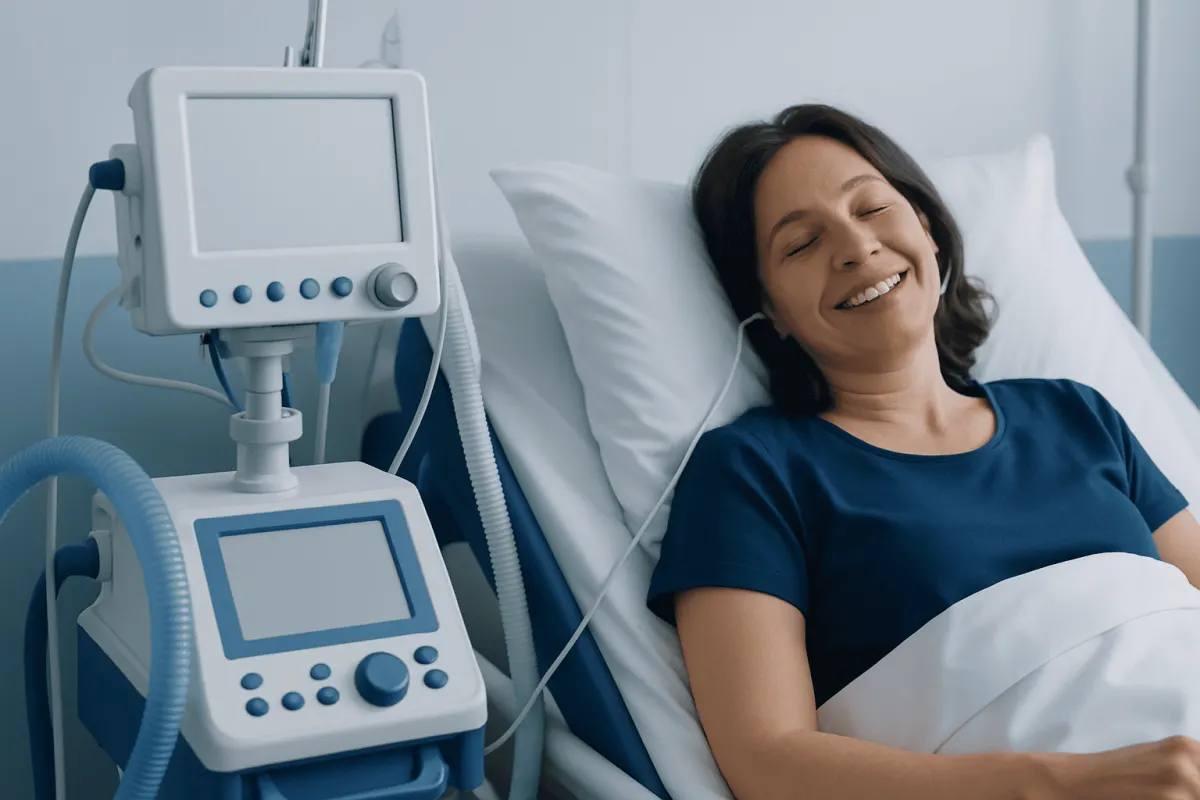
Laughing sleeping, or laughing during sleep, is often a harmless form of sleep talking or dream-related vocalization. However, recurrent episodes with shouting, physical movements, injury, confusion or daytime symptoms should be discussed with a healthcare professional.
Laughing Sleeping: What It Usually Means
Laughing sleeping describes laughing, giggling or chuckling while a person is asleep. In many cases, it is a normal sleep vocalization: the brain remains active during sleep, dreams can trigger emotional expressions, and the person may make sounds without waking or remembering them the next morning. An occasional brief episode is usually not a cause for concern.
Sleep occurs in repeating cycles that include non-rapid eye movement (non-REM) sleep and rapid eye movement (REM) sleep. Dreams can occur in both stages, although vivid, story-like dreams are particularly associated with REM sleep. A person may laugh in response to dream content, just as they may talk, mumble, cry out or make other noises.
Laughing in sleep should not be interpreted as proof that someone is happy, distressed or experiencing a particular type of dream. People often have no memory of the event, and observers cannot reliably determine what was happening in the sleeper’s dream. The pattern, frequency and any associated symptoms are more useful than the sound itself.
When laughter happens repeatedly, becomes disruptive, begins suddenly in adulthood or occurs with unusual movements, a clinician may consider whether a sleep disorder or another medical condition is contributing.
How Sleep Laughter Can Appear
Sleep laughter varies widely. It may be a quiet smile or soft chuckle, a short burst of laughter, or louder laughter that wakes a bed partner. The sleeper may remain fully asleep, briefly stir and settle again, or wake without understanding why they laughed.
Some people also talk during sleep. This is known as somniloquy, or sleep talking, and it can include isolated words, full sentences, mumbling, crying, shouting or laughter. Sleep talking is common and is generally harmless when it occurs alone.
In children, vocalizations and partial awakenings are relatively common because sleep patterns and nervous system development are still maturing. Episodes may occur during fever, overtiredness, emotional changes or irregular sleep schedules. Many children outgrow frequent sleep vocalizations over time.
For adults, an occasional episode may still be normal. A useful distinction is whether laughter is the only feature or whether it occurs alongside sleepwalking, intense dream enactment, sudden muscle jerks, repeated stereotyped events, loss of awareness after waking or injuries. Those additional details can guide medical assessment.
Common Triggers and Contributing Factors

Sleep laughter can become more noticeable during periods of disrupted or insufficient sleep. Long work hours, jet lag, shift work, emotional stress and inconsistent bedtimes may increase the chance of sleep talking and other parasomnias. Parasomnias are unwanted behaviors or experiences that occur while falling asleep, during sleep or while waking.
Fever and illness can temporarily disturb sleep, particularly in children. Alcohol and recreational substances can also fragment sleep and affect normal sleep-stage transitions. In adults, it is sensible to avoid alcohol close to bedtime when nighttime behaviors are troublesome.
Some prescribed medicines may influence dreaming, arousal or sleep architecture. A person should not stop a prescribed medicine because of sleep laughter without medical advice. Instead, they can record when symptoms began and discuss possible medicine effects with the clinician who prescribed it.
Other sleep conditions may contribute indirectly. For example, repeated awakenings related to snoring or obstructed breathing can fragment sleep. If laughter occurs together with loud snoring, witnessed pauses in breathing, gasping or marked daytime sleepiness, assessment for sleep apnea may be appropriate.
When Laughing During Sleep May Need Investigation
Most sleep laughter is benign, but clinicians look for features that suggest something beyond ordinary vocalization. One example is REM sleep behavior disorder, in which the usual muscle relaxation of REM sleep is incomplete and a person may physically act out dreams. This can involve talking, shouting, laughing, punching, kicking or falling from bed.
Dream enactment is different from simply laughing while lying still. It is more likely to need prompt evaluation if the person or a bed partner could be injured. REM sleep behavior disorder is more common in older adults and can sometimes be associated with medicines or neurological conditions, although only a specialist can determine the cause in an individual.
Rarely, episodes of unusual laughter may be part of a seizure disorder. Events that are brief, highly similar each time, occur many times per night, involve stiffening or repetitive movements, or are followed by prolonged confusion should be medically assessed. Laughter alone does not establish that a seizure has occurred.
Nighttime laughter can also appear with other parasomnias, including confusional arousals and sleepwalking. These events usually occur during deeper non-REM sleep and may involve incomplete waking, confusion or little memory afterward. A clinician may recommend a neurological or sleep evaluation when the history is unclear.
How a Doctor Assesses Sleep Laughter
Assessment usually starts with a detailed description of the events. A clinician may ask when they began, how often they occur, what time of night they happen, whether the person recalls dreams, and whether there are movements, injuries, breathing symptoms, fever, stress, alcohol use or recent medication changes.
Information from a bed partner, parent or roommate can be particularly helpful because the person sleeping may not know the episodes are happening. If it can be obtained safely and respectfully, a short home video may help show the behavior. It should never replace medical care when a person is at risk of injury or has concerning symptoms.
Keeping a sleep diary for one to two weeks can identify patterns. Useful notes include bedtime and wake time, naps, caffeine or alcohol intake, medicines, stressful events, illness, snoring, daytime tiredness and the timing of episodes. This information can help distinguish occasional sleep talking from a more persistent sleep problem.
If needed, a specialist may arrange overnight sleep testing, called polysomnography. This records breathing, oxygen levels, brain activity, heart rhythm, eye movements and muscle activity during sleep. Testing may be especially useful when dream enactment, sleep apnea, possible seizures or other complex nighttime behaviors are suspected.
Practical Steps for Safer, Better Sleep
For occasional laughing sleeping without dangerous behavior, treatment is often unnecessary. A consistent sleep schedule, enough sleep time and a calm wind-down routine can reduce sleep disruption. Regular daytime activity and limiting late-evening caffeine may also support more stable sleep.
Reducing triggers is worthwhile. People can avoid alcohol near bedtime, address stress with realistic relaxation practices, and seek advice before changing medicines. If snoring, nasal blockage, reflux symptoms, pain or anxiety are affecting sleep, managing those issues may reduce nighttime awakenings and vocalizations.
Safety becomes important if a person moves actively during episodes. Removing sharp objects from beside the bed, placing the mattress lower if appropriate, and ensuring a clear path around the bed can reduce injury risk. A bed partner should avoid abruptly restraining a person who appears confused or is acting out a dream, as this may startle them.
For recurrent or disruptive symptoms, a sleep specialist can recommend targeted care after identifying the underlying pattern. Depending on the cause, this may include overnight sleep study assessment and treatment for an associated sleep disorder rather than treatment directed at laughter itself.
When to Seek Medical Care
A healthcare professional should be consulted if laughing during sleep is new and frequent, causes significant disruption, or occurs with violent movements, falls, injury, screaming, sleepwalking, repeated confusion or severe daytime sleepiness. Medical review is also advisable when there are witnessed breathing pauses, gasping, persistent loud snoring or a major change in sleep quality.
Prompt assessment is important if episodes may involve seizures, such as repeated identical spells with unusual movements, loss of bladder control, tongue injury, prolonged confusion or symptoms during the day. Emergency care may be needed after a serious injury, prolonged seizure-like activity, trouble breathing or failure to regain usual awareness.
Parents should seek pediatric advice when a child has frequent events that disrupt sleep, put the child at risk, occur with developmental regression or are associated with concerning daytime changes. In most cases, clinicians can provide reassurance and practical guidance after taking a careful history.
Acıbadem Health Point’s multidisciplinary specialists and JCI-accredited hospitals can assess sleep-related symptoms for international patients when further evaluation is needed.
Frequently asked questions
01Is laughing sleeping normal?
Occasional laughter during sleep is usually normal, particularly when it is brief and there are no other symptoms. It can be part of sleep talking or a response to dream content. Frequent or disruptive episodes should be discussed with a healthcare professional.
02Why does someone laugh while asleep?
A sleeping person may laugh because the brain is processing emotions and dream experiences during sleep. Sleep deprivation, stress, fever, alcohol, irregular sleep schedules and some medicines can make vocalizations more likely. The laughter does not reliably reveal what the person is dreaming about.
03Can laughing in sleep be a sign of a seizure?
Laughter in sleep by itself is not usually a sign of a seizure. However, medical assessment is important if episodes are repetitive and identical, include unusual movements or stiffening, occur very frequently, or are followed by prolonged confusion. A clinician may recommend neurological testing or an overnight sleep study.
04Is laughing during sleep linked to REM sleep behavior disorder?
It can occur in REM sleep behavior disorder, but laughter alone is not enough to diagnose it. The more characteristic feature is physically acting out dreams, such as kicking, punching, jumping from bed or forceful shouting. Anyone with potentially injurious dream enactment should seek medical advice.
05Should a person be woken up when they are laughing in sleep?
If the person is simply laughing softly and appears safe, waking them is usually unnecessary. If they are confused, walking around or moving forcefully, prioritize safety and avoid sudden restraint. Seek medical guidance if such episodes recur or create a risk of injury.
06How can sleep laughter be reduced?
Regular sleep hours, adequate sleep, stress management and limiting alcohol or caffeine near bedtime may reduce sleep disruption. A person should also review new medicines or symptoms with a healthcare professional rather than stopping treatment independently. Treatment is directed at any underlying sleep or medical condition when one is identified.
This article is for general information only and is not a substitute for professional medical advice. Please consult a qualified doctor about your individual situation.
Explore treatments in Turkey — costs, top hospitals & a free quote
JCI-accredited · board-certified surgeons · reply within 24h
Add us as a Preferred Source to see more of our trusted health content across Google Search, AI Overviews and Discover.