Blood Oxygen Levels: Reading SpO2 and Why They Drop

Have you ever clipped a small device onto your fingertip and wondered what that percentage actually means? That number is your blood oxygen level — how much oxygen your blood is carrying — usually reported as oxygen saturation, or SpO2. For many healthy adults, a normal reading sits somewhere between 95% and 100%.
But here’s the thing: no single reading tells the whole story. What your result means depends on your symptoms, your medical history, the altitude you’re at, and even how the measurement was taken.
Overview: what a blood oxygen level means
Blood oxygen level refers to how much oxygen is being carried by red blood cells from the lungs to the body’s tissues. It is usually expressed as a percentage called oxygen saturation, or SpO2, when measured by a fingertip pulse oximeter. In many healthy adults at sea level, readings of about 95% to 100% are common.
Every organ in your body depends on oxygen to make energy and work properly. But the number on the screen is only one piece of a bigger picture — one that includes your breathing, heart function, circulation, altitude, and overall health. That’s why doctors look at oxygen readings alongside your symptoms, never in isolation.
A lower-than-expected result doesn’t automatically mean an emergency. Cold fingers, movement, dark nail polish, poor circulation, and other technical factors can all throw off a reading. On the flip side, a normal reading doesn’t rule out every medical problem — especially if you feel very unwell.
How blood oxygen level is measured
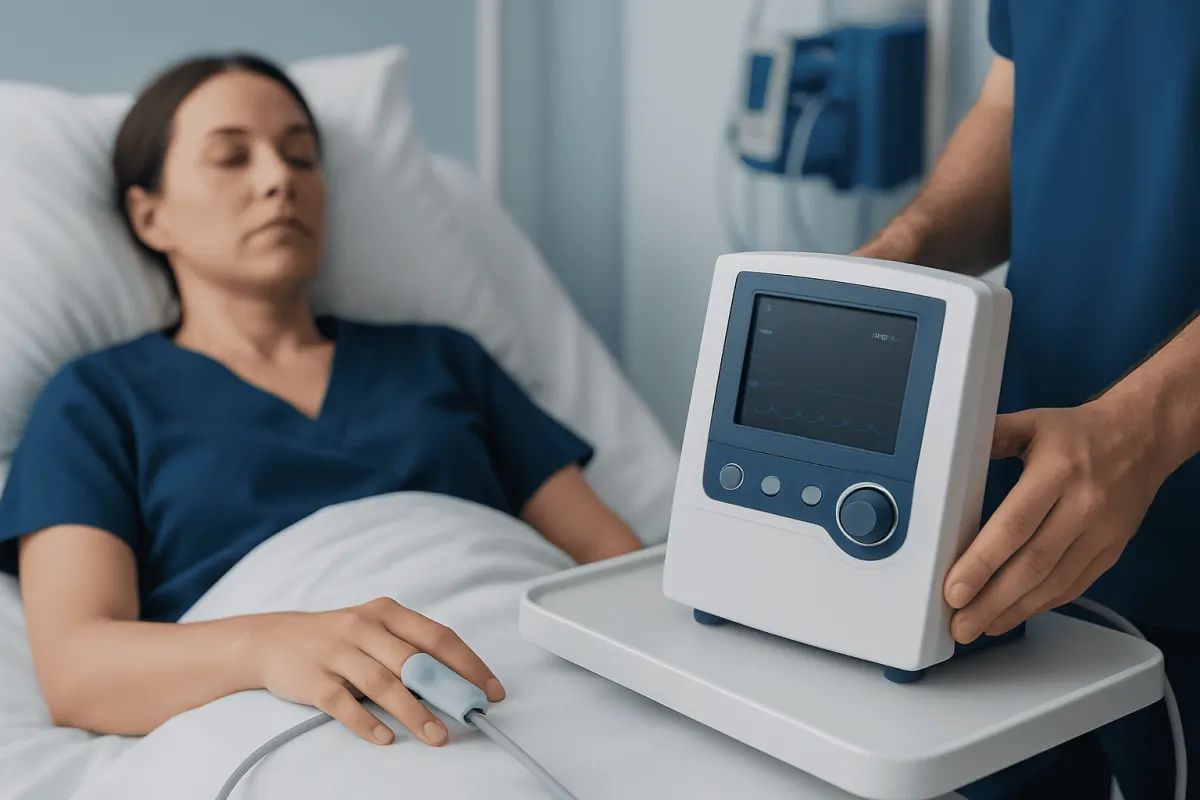
The most common way to check blood oxygen level is with a pulse oximeter. This small device usually clips onto a fingertip and estimates oxygen saturation by passing light through the skin. It is quick, painless, and useful in clinics, hospitals, and at home for selected patients.
Doctors may also order an arterial blood gas test, which measures oxygen and carbon dioxide directly from a blood sample, usually taken from an artery. This test is more precise than a pulse oximeter and may be used when a patient is very unwell, when oxygen levels appear unstable, or when the medical team needs a clearer picture of lung function and acid-base balance.
Home pulse oximeters can be helpful, but they have limits. If your hands are cold, you’re moving, your pulse is weak, or your circulation is reduced, the reading may be less reliable. So follow the device instructions carefully — and if the number doesn’t match how you feel, get medical advice.
What is considered normal, low, or concerning

For many adults, a normal blood oxygen level at rest is around 95% to 100%. Some healthy people may occasionally read a little lower, especially at high altitude, during sleep, or if the device is not positioned well. Individual targets can also differ in people with chronic lung disease or other long-term conditions.
A mildly reduced reading may not cause symptoms, but lower levels can lead to shortness of breath, rapid breathing, fatigue, headache, dizziness, poor concentration, or a fast heartbeat. When oxygen falls significantly, the body may struggle to meet the needs of the brain, heart, and other organs.
Don’t rely on the number alone. If a reading is unexpectedly low, warm your hands, sit still, check the device is placed correctly, and repeat the test. But if low readings keep happening or you have symptoms, you need a medical evaluation to find the cause.
- Typical range for many healthy adults: 95% to 100%
- Readings may be lower at high altitude
- People with chronic lung conditions may have individualized target ranges set by their doctor
- Symptoms matter as much as the number itself
Why blood oxygen level can drop
A low blood oxygen level, sometimes called hypoxemia, usually reflects a problem with how oxygen enters the lungs, moves into the bloodstream, or reaches the tissues. Common causes include infections such as pneumonia, asthma flare-ups, chronic obstructive pulmonary disease, fluid in the lungs, blood clots in the lungs, and sleep-related breathing disorders. Heart conditions can also reduce oxygen delivery by affecting circulation.
The blood itself can be the problem, too. Severe anemia reduces the blood’s oxygen-carrying capacity, and some rare conditions affect hemoglobin directly. Medications that suppress breathing, neuromuscular disorders, obesity hypoventilation, and chest wall problems can also lower oxygen by making breathing less effective.
Temporary drops can happen during intense exercise, at high altitude, or during sleep in some people. Persistent or repeated low oxygen levels should not be ignored because they can point to an underlying disorder such as chronic obstructive pulmonary disease, pneumonia, or sleep apnea. Diagnosis focuses on identifying and treating the reason for the low oxygen rather than only correcting the number.
Symptoms and signs that deserve attention
Some people notice low oxygen levels before a device does, while others have very few symptoms at first. Common warning signs include shortness of breath, a feeling of not getting enough air, chest tightness, unusual fatigue, dizziness, headache, and trouble thinking clearly. A person may also breathe faster than usual or feel more breathless during everyday activities.
More serious signs include bluish lips or fingertips, confusion, severe drowsiness, chest pain, inability to speak in full sentences, or marked distress when breathing. These symptoms can indicate that the body is not getting enough oxygen and need urgent medical assessment. Children may show poor feeding, nostril flaring, grunting, or unusual sleepiness.
Symptoms vary by cause. A lung infection may bring fever and cough, while heart-related problems may cause swelling, palpitations, or breathlessness when lying down. These conditions overlap a lot, so let a clinician interpret the whole pattern — don’t self-diagnose based on oxygen readings alone.
Diagnosis and treatment options
Doctors begin by reviewing symptoms, medical history, medications, smoking exposure, sleep problems, and any known lung or heart disease. They usually perform a physical examination and may check oxygen with a pulse oximeter at rest and sometimes with activity. Depending on the situation, additional tests can include blood work, chest imaging, lung function tests, heart tests, sleep studies, or an arterial blood gas.
Treatment depends on the underlying cause. A person with an asthma flare may need inhaled medicines, while pneumonia may require antibiotics if bacterial infection is suspected. Patients with significant breathing problems may need oxygen therapy to support the body while the cause is addressed, and some may benefit from pulmonary rehabilitation as part of longer-term care.
When blood oxygen level remains low because of chronic disease, management often includes regular follow-up, symptom monitoring, vaccinations, smoking cessation, and treatment of related conditions such as heart failure or sleep apnea. In more complex cases, specialists in pulmonology, cardiology, sleep medicine, or critical care may work together. Near the end of the care pathway, patients seeking international evaluation may also consider Acıbadem Health Point, where multidisciplinary specialists in JCI-accredited hospitals diagnose and treat respiratory and related conditions.
Prevention, self-care, and using a pulse oximeter wisely
Not every cause of low blood oxygen can be prevented, but healthy habits can support lung and heart function. Avoiding smoking and secondhand smoke, staying physically active within safe limits, keeping vaccinations up to date, and managing chronic conditions can all help reduce the chance of oxygen-related problems. For people with prescribed respiratory treatment, regular use of medications and follow-up visits are important.
When checking blood oxygen level at home, hands should be warm and still, and the device should fit properly. It is best to remove dark nail polish if possible and wait a few moments for the reading to stabilize. A record of repeated readings, symptoms, and the time of day can be more useful than a single measurement.
Self-care doesn’t replace medical care. Never change your prescribed oxygen flow rates or stop medicines based only on home readings — unless your doctor has given you clear instructions to do so. If your symptoms are getting worse, or the numbers keep falling below the target your clinician set, get reviewed promptly. That’s the safest approach.
When to seek medical care
See a doctor if you have repeated low oxygen readings, new shortness of breath, a worsening cough, unexplained fatigue, or you’re getting breathless doing things that used to be easy. If you have known lung or heart disease and your home readings start trending below the target range your doctor set, that also deserves a review.
Urgent care is needed for severe shortness of breath, chest pain, confusion, fainting, blue lips or fingertips, or an oxygen reading that remains low despite rest and correct use of the device. These symptoms can signal a serious problem affecting the lungs, heart, or circulation and should not be managed at home alone.
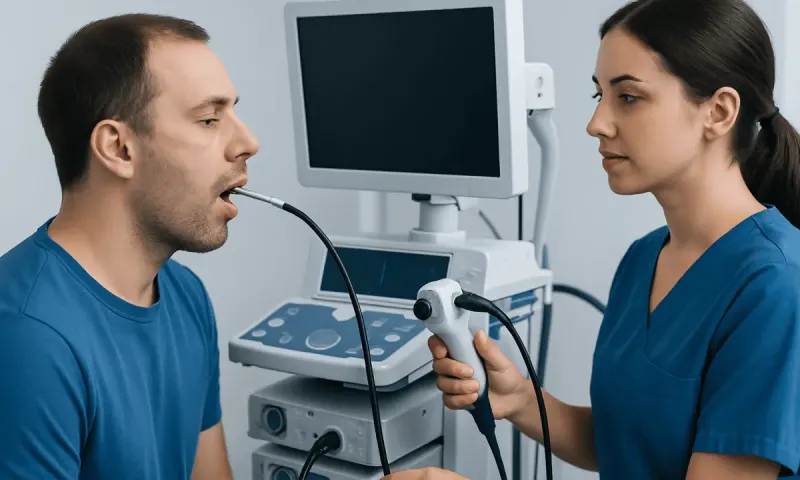
Patients who have long-term breathing concerns may need assessment by specialists, especially if symptoms suggest an underlying condition that has not yet been diagnosed. Depending on the findings, care may include further testing or targeted therapies such as bronchoscopy for diagnostic evaluation in selected cases.
Frequently asked questions
01What is a normal blood oxygen level?
For many healthy adults, a normal blood oxygen level is around 95% to 100% at rest. The right target can be different for people with certain chronic lung conditions, so a doctor may provide an individualized range.
02Can a pulse oximeter give a false reading?
Yes. Cold hands, movement, nail polish, poor circulation, and an improperly placed device can affect accuracy. If a result seems unexpected, it is reasonable to repeat the test after correcting these issues.
03Does a low blood oxygen level always mean an emergency?
Not always. A mildly low reading can sometimes be caused by device limitations or temporary factors, but persistent low readings or any reading accompanied by troubling symptoms should be assessed by a clinician.
04What symptoms can happen when oxygen levels are low?
Common symptoms include shortness of breath, fast breathing, tiredness, headache, dizziness, and poor concentration. More severe warning signs include blue lips, confusion, chest pain, and severe breathing difficulty.
05Can sleep affect blood oxygen level?
Yes. Oxygen levels can dip during sleep, especially in people with sleep apnea or certain lung conditions. If snoring, pauses in breathing, morning headaches, or daytime sleepiness are present, a doctor may recommend further evaluation.
06Should a person buy a home pulse oximeter?
A home pulse oximeter can be useful for some people, especially those advised by a doctor to monitor oxygen saturation. It should be used as a guide rather than a standalone diagnosis, and symptoms should always be taken seriously.
This article is for general information only and is not a substitute for professional medical advice. Please consult a qualified doctor about your individual situation.
Persistent digestive symptoms? Get evaluated in Turkey
JCI-accredited · board-certified surgeons · reply within 24h
Add us as a Preferred Source to see more of our trusted health content across Google Search, AI Overviews and Discover.