Bursa Burst: Symptoms, Causes, and Assessment
A “bursa burst” is not a formal medical diagnosis. It commonly refers to a bursa— a small fluid-filled cushion near a joint—becoming inflamed, injured, or leaking fluid, causing sudden swelling, tenderness, or bruising.
What Does “Bursa Burst” Mean?
A bursa burst usually means that a person has noticed sudden swelling around a joint and believes a bursa has ruptured. A bursa is a small, thin sac containing a small amount of lubricating fluid. It helps nearby tissues move smoothly by reducing friction between bone, tendon, muscle, and skin. Bursae are found at many pressure points, including the elbow, knee, shoulder, hip, and heel.
“Bursa burst” is not a precise medical term. In practice, it may describe a bursa that has been irritated by pressure or injury, has filled with extra fluid, or has leaked fluid into surrounding tissues. The visible swelling can also come from bleeding, a skin or soft-tissue infection, a tendon injury, or joint swelling. For this reason, a new lump or sudden swelling should not be assumed to be a ruptured bursa without clinical assessment.
Bursitis is the medical term for inflammation of a bursa. It may develop gradually from repeated friction or suddenly after direct trauma. Some people have swelling with little pain, while others develop significant tenderness and restricted movement. The outlook is often good when the underlying cause is identified and the area is protected.
How a Bursa Problem May Feel and Look
Symptoms depend on the location and cause. A swollen bursa near the surface of the body, such as over the point of the elbow or the front of the knee, may create a soft, rounded, fluid-like lump. After an injury, the area may be bruised, sore, and swollen. If fluid has spread into nearby tissue, swelling may look less clearly defined.
Common symptoms include pain or tenderness with pressure, stiffness, warmth, limited movement, and discomfort when using the affected joint. For example, elbow bursitis may make leaning on the elbow uncomfortable, while knee bursitis may hurt during kneeling. Shoulder or hip bursitis more often causes pain during particular movements rather than an obvious external swelling.
Not every bursa-related problem causes a dramatic sensation of popping or bursting. A sudden pop, sharp pain, weakness, inability to bear weight, or inability to move a joint can point to another injury, such as a tendon, ligament, muscle, or bone injury. These symptoms should be assessed rather than attributed to a bursa alone.
- Swelling may be soft, firm, or fluctuant, meaning it feels as though it contains fluid.
- Pain may be mild at rest and worse with pressure or repeated movement.
- Bruising can occur after a direct blow or bleeding into the tissues.
- Marked redness, spreading warmth, fever, or drainage may suggest infection.
Why Bursa Swelling or Leakage Can Happen

Repeated pressure is a frequent cause of bursa irritation. Prolonged kneeling, regularly leaning on the elbows, repetitive overhead activity, and poorly fitting footwear can all stress a bursa. A direct impact, such as a fall onto a knee or elbow, can trigger bleeding or inflammation within the bursa and surrounding soft tissues.
Some health conditions increase the likelihood of bursitis or make an episode harder to interpret. Crystal-related inflammation, including gout, can affect a bursa. Inflammatory arthritis, such as rheumatoid arthritis, may also contribute. Diabetes, immune suppression, skin breaks near the bursa, and certain occupations or activities can raise the risk of infection or recurrent swelling.
An infected bursa is called septic bursitis. Bacteria can enter through a small cut, scrape, insect bite, or other break in the skin, particularly around superficial bursae of the elbow and knee. Infection cannot be diagnosed reliably by appearance alone, although increasing pain, warmth, redness, fever, or feeling unwell are important warning signs. Conditions such as gout can also produce sudden, painful inflammation that may resemble an injury-related bursa problem.
How Clinicians Identify the Cause
A clinician begins by asking when the swelling started, whether there was a fall or repetitive pressure, and whether there are signs of infection or a history of inflammatory disease. The examination includes checking the skin, swelling, warmth, tenderness, range of movement, strength, and circulation. The clinician may also look for a wound or a nearby source of infection.
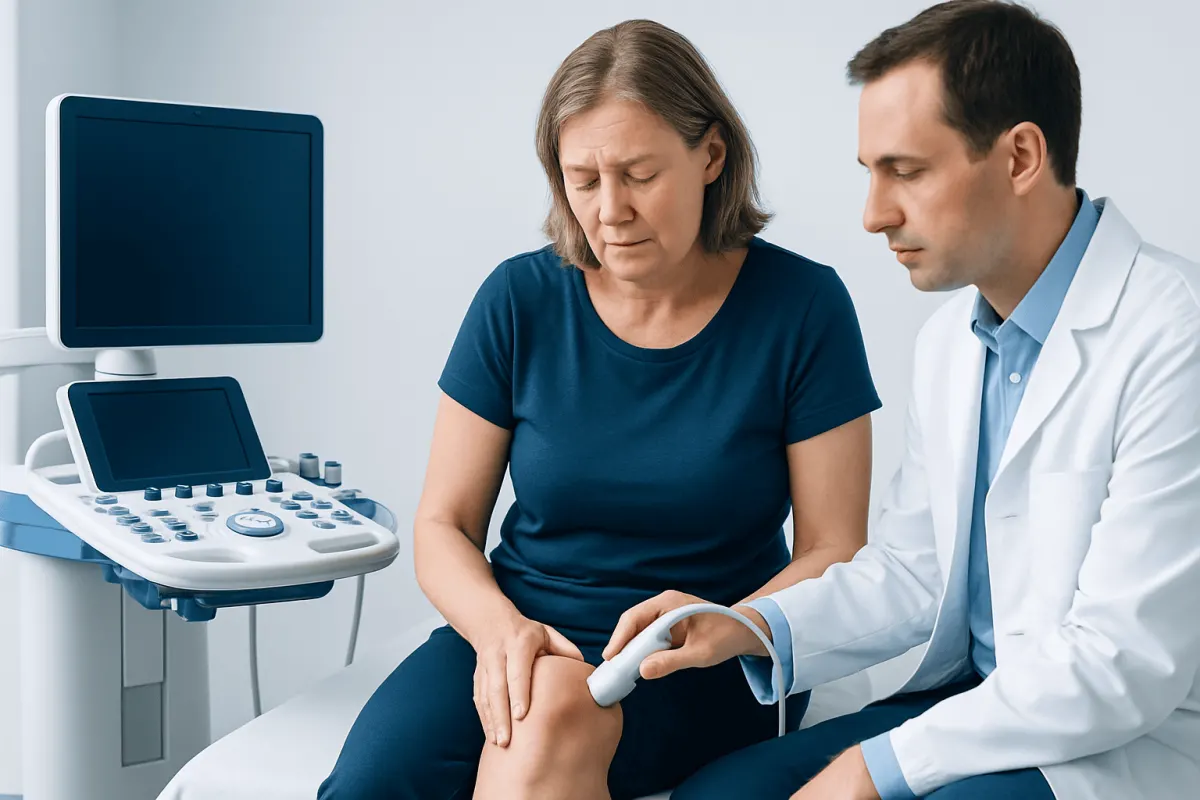
Imaging is not always needed. However, an X-ray may be used after trauma to look for a fracture or bone abnormality, while ultrasound can help show fluid in a bursa and distinguish it from a cyst, blood collection, or other soft-tissue swelling. MRI is usually reserved for selected cases, such as persistent symptoms or concern about a deeper structural injury.
If infection, gout, or another inflammatory cause is possible, a clinician may remove a small sample of bursal fluid with a sterile needle. The fluid can be examined for bacteria, crystals, and inflammatory cells. This test is especially important when a bursa is very warm, red, painful, or associated with fever, because treating an infection differs from treating uncomplicated inflammation.
Treatment Options and Recovery
Treatment is guided by the cause, severity, location, and whether infection or another injury is present. For uncomplicated irritation, clinicians often recommend reducing pressure on the area, temporarily changing activities, using padding or supportive equipment, and applying cold packs wrapped in a cloth for short periods. Rest does not necessarily mean complete immobility; gentle movement within a comfortable range can help prevent stiffness when appropriate.
A clinician may recommend pain relief or anti-inflammatory medicines if these are safe for the individual’s health history and other medicines. People with kidney disease, stomach ulcers, heart disease, blood-thinning treatment, pregnancy, or other medical considerations should ask a clinician or pharmacist before using anti-inflammatory medicines. Compression may help selected types of swelling, but should be fitted and used according to professional advice.
When fluid is substantial, painful, or diagnostically important, aspiration may be considered. Removing fluid can relieve pressure and allow laboratory testing, but fluid may return if the underlying irritation continues. In some cases, clinicians may consider an injection after infection has been excluded. Persistent or recurrent problems may benefit from rehabilitation strategies, workplace or sports modifications, or assessment by an orthopedic specialist. Appropriate physical therapy and rehabilitation can help restore movement, strength, and safer movement patterns when symptoms affect function.
If septic bursitis is diagnosed or strongly suspected, prompt medical treatment is needed. This may include antibiotics, drainage, and follow-up to ensure the infection is resolving. Surgery is uncommon, but may be considered for repeated, chronic, or difficult-to-treat bursitis.
Safe Self-Care and Preventing Recurrence
Until the cause of swelling is clear, it is sensible to protect the area from further pressure and avoid trying to puncture, drain, or massage the lump at home. Opening the skin can introduce bacteria and increase the risk of infection. If there is a scrape or cut over the swollen area, keeping it clean and covered can reduce exposure to bacteria.
Preventive steps are based on the joint involved. Knee pads may be useful for tasks that require kneeling, and elbow padding can help people who lean on hard surfaces. Taking frequent breaks, varying repetitive movements, using appropriate footwear, and gradually increasing exercise intensity can reduce repeated friction and overload.
For people with recurrent episodes, addressing contributing conditions is important. This may include managing inflammatory arthritis, reviewing work or sports technique, and discussing gout prevention where relevant. A medical professional can advise on the safest plan for someone’s overall health, particularly if swelling returns repeatedly or interferes with daily activity.
When to Seek Medical Care
Medical assessment is appropriate for new or unexplained joint-area swelling, particularly after a fall, collision, or sudden change in activity. It is also advisable when symptoms do not begin to improve with protection and activity modification, when swelling recurs, or when pain limits normal walking, work, sleep, or use of the arm.
Urgent medical care is needed if the area becomes increasingly red, hot, very painful, or rapidly swollen; if there is pus or other drainage; or if fever, chills, or general illness develops. These signs can occur with infection. Prompt evaluation is also important after a significant injury, with a visible deformity, numbness, a cold or pale limb, inability to move the joint, or inability to put weight through the limb.
Acıbadem Health Point’s multidisciplinary specialists and JCI-accredited hospitals can assess bursa-related swelling and related musculoskeletal concerns for international patients. Evaluation may include orthopedics and traumatology when an injury, persistent pain, or a structural problem needs specialist review.
Frequently asked questions
01Can a bursa really burst?
A bursa can be injured, inflamed, and occasionally leak fluid into nearby tissues, but “bursa burst” is not a formal diagnosis. Sudden swelling around a joint can also result from bruising, bleeding, infection, cysts, or tendon and ligament injuries. A clinician can determine the likely cause.
02Is a bursa burst painful?
It can be painful, especially after an injury or when the inflamed bursa is pressed or moved. However, some superficial bursae, particularly around the elbow, can become visibly swollen with relatively little pain. Severe pain or loss of joint function should be evaluated promptly.
03How long does bursa swelling take to go down?
Recovery varies with the cause, location, and whether the area can be protected from repeated pressure. Mild non-infected irritation may improve over days to weeks, while recurrent inflammation or infection can take longer and may need targeted treatment. Persistent or worsening swelling should be reviewed by a healthcare professional.
04Should a swollen bursa be drained at home?
No. A person should not try to puncture or drain a swollen bursa at home, because this can introduce infection and damage nearby tissues. If drainage is needed, it should be done using sterile technique by a qualified clinician, sometimes with fluid testing.
05What are the warning signs of an infected bursa?
Increasing redness, warmth, tenderness, swelling, drainage, fever, chills, or feeling unwell can suggest infection. These symptoms need prompt medical assessment, particularly when they occur around the knee or elbow. Infection may require antibiotics and sometimes fluid drainage.
06Can bursitis come back after treatment?
Yes. Bursitis can recur if repeated pressure, friction, injury, gout, inflammatory disease, or another underlying cause continues. Padding, activity changes, protective equipment, and treatment of contributing medical conditions can help reduce recurrence.
This article is for general information only and is not a substitute for professional medical advice. Please consult a qualified doctor about your individual situation.
Joint and spine care in Turkey — expert assessment & treatment
JCI-accredited · board-certified surgeons · reply within 24h
Add us as a Preferred Source to see more of our trusted health content across Google Search, AI Overviews and Discover.