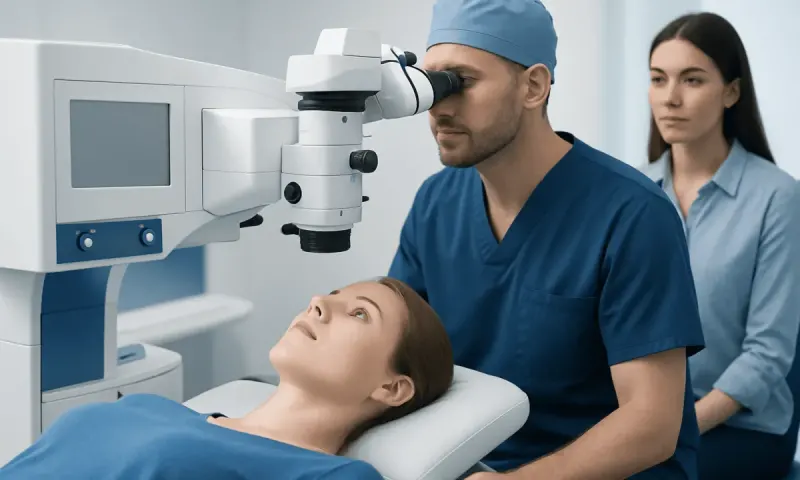
LASIK Versus Laser Eye Surgery: Which Option Fits?
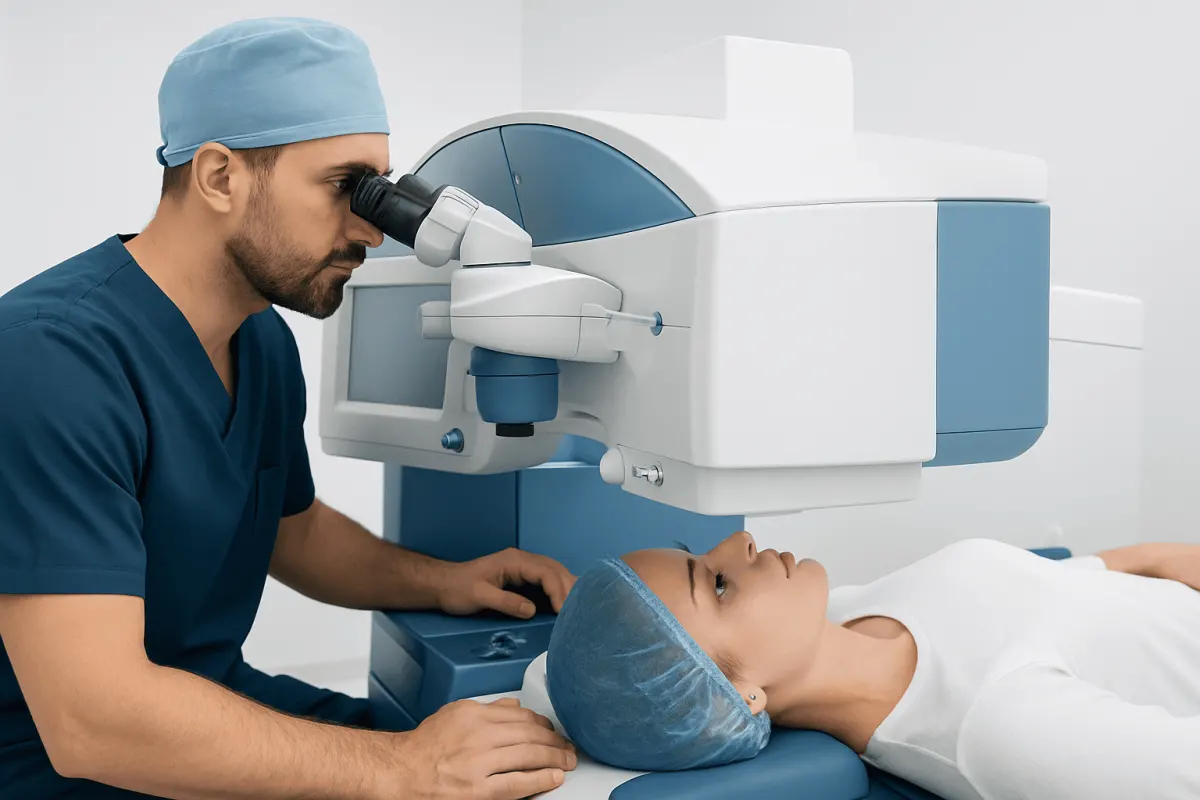
LASIK is one type of laser eye surgery, not a separate alternative to it. Laser vision correction also includes procedures such as PRK and SMILE, and the most suitable choice depends on corneal shape and thickness, prescription stability, dry-eye risk, lifestyle and eye health.
LASIK versus laser eye surgery: the key difference
LASIK versus laser eye surgery can sound like a comparison between two different treatments, but LASIK is actually one form of laser refractive surgery. These procedures use a precisely controlled laser to change the shape of the cornea, the clear front surface of the eye, so that light focuses more accurately on the retina.
LASIK is best known because it usually offers rapid visual recovery. Other laser eye surgery options include photorefractive keratectomy (PRK), which treats the corneal surface after removing its outer cell layer, and small-incision lenticule extraction (SMILE), which removes a small piece of corneal tissue through a tiny incision. Some people may instead be better suited to non-laser options, including lens-based surgery.
The aim is similar across procedures: to reduce short-sightedness (myopia), long-sightedness (hyperopia) or astigmatism. However, suitability, recovery and possible side effects differ. A refractive surgeon should recommend the procedure based on a complete assessment rather than on convenience alone.
| Procedure | How it changes the cornea | Recovery pattern | May be considered when |
|---|---|---|---|
| LASIK | A thin corneal flap is created, then laser reshaping is performed underneath. | Vision often improves quickly, commonly over days. | Corneas are healthy and sufficiently thick, with a stable prescription. |
| PRK | The surface cell layer is removed and the laser reshapes the exposed cornea. | Surface healing takes several days; vision sharpens more gradually. | The cornea is thinner or flap avoidance is preferred. |
| SMILE | A laser creates and removes a small corneal lenticule through a small incision. | Recovery is often relatively quick, though individual results vary. | Some people with myopia and astigmatism who meet device-specific criteria. |
How a clinician tells the procedures apart
A consultation for laser vision correction is more detailed than a standard sight test. The clinician measures the prescription, checks that it has been stable, maps the curvature of the cornea and measures its thickness. Corneal topography or tomography helps identify irregularities that could increase the risk of weakening after surgery.
The examination also assesses the tear film and eyelid health, because dry eye can affect comfort, vision quality and recovery. Pupil size, night-vision symptoms, general health, medicines, pregnancy status and work or sports activities may also influence the recommendation.
LASIK requires enough suitable corneal tissue to create a flap and reshape the underlying layer safely. PRK avoids a flap and preserves relatively more of the cornea’s deeper structural tissue, but recovery is slower. SMILE does not use a large flap, yet it is not appropriate for every prescription or every corneal shape. The safest choice may be to postpone treatment or continue using glasses or contact lenses.
Contact lens wear can temporarily alter corneal measurements. A clinic may ask a person to stop wearing lenses for a specified period before assessment, following the clinician’s instructions, so that measurements are reliable.
What to do for each situation
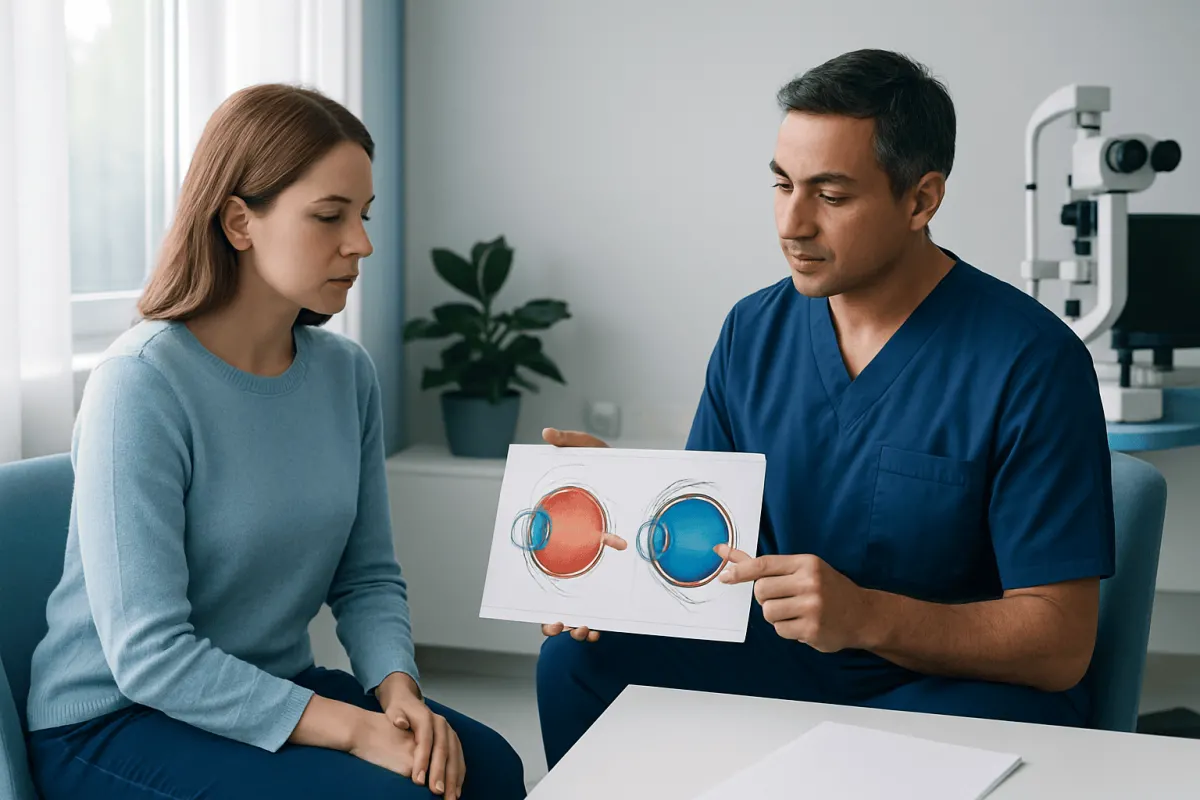
For a person with a stable prescription, healthy eyes and suitable corneal thickness, LASIK may be an option. It can be attractive for those seeking quick functional recovery, although temporary dry eye, glare, halos or fluctuating vision can occur during healing. The decision should include a realistic discussion of expected visual quality, not only the goal of reducing glasses use.
For someone with a thinner cornea, a surface procedure such as PRK may be considered. PRK can involve more discomfort in the first few days and a longer period before vision becomes fully clear, but it can be a valuable alternative when making a LASIK flap is less appropriate. A protective contact lens is usually used during early surface healing.
For eligible people with myopia or astigmatism, SMILE may offer another option. Its small incision means there is no large corneal flap, which can be relevant for people involved in contact sports or occupations where eye trauma is possible. It still carries potential risks and requires the same careful preoperative screening as other refractive procedures.
People with early cataract changes, very high prescriptions, unsuitable corneas or certain eye diseases may benefit from discussion of lens-based approaches rather than corneal laser treatment. A clinician may also first address dry eye disease or eyelid inflammation before reconsidering refractive surgery.
Why don't doctors recommend LASIK?
Doctors do recommend LASIK for carefully selected patients, but they do not recommend it automatically for everyone. The procedure is elective, and the potential benefit of less dependence on corrective lenses must outweigh the risks for the individual eye. A responsible clinician may advise against LASIK when the cornea, tear film, prescription or overall eye health makes outcomes less predictable.
Reasons to defer or avoid LASIK can include an unstable prescription, significant dry eye, thin or irregular corneas, keratoconus or suspicion of it, uncontrolled diabetes, active eye infection or inflammation, and certain autoimmune conditions. Pregnancy and breastfeeding can temporarily affect vision and corneal measurements, so surgery is generally postponed until vision has stabilized.
Some people may not obtain the quality of night vision they need for driving or detailed visual work, especially if they already experience glare or halos. Others may be satisfied with glasses or contact lenses and reasonably decide that surgery is not necessary. Declining LASIK is not a failure of treatment; it can be the safest, most appropriate recommendation.
At what age is LASIK not worth it?
There is no single age at which LASIK is automatically not worth it. Most candidates are adults whose prescription has been stable for at least a period determined by their eye specialist. In younger adults, the main concern is that myopia or other refractive errors may still be changing.
From the early to mid-40s onward, many people develop presbyopia, the age-related loss of near focusing ability. LASIK can correct distance vision, but it does not stop presbyopia. A person who sees well in the distance after LASIK may still need reading glasses for books, phones or close work.
Later in life, cataracts become more common and can change vision regardless of prior LASIK. Laser surgery may still be worthwhile for some adults in their 40s, 50s or beyond, but the decision should account for reading needs, lens changes and the likelihood of future cataract surgery. Monovision, where one eye is adjusted more for near vision, may be discussed and is often tested with contact lenses first.
What happens 10 years after LASIK?
Many people continue to have good distance vision 10 years after LASIK, particularly when their original prescription was stable and their eyes remain healthy. The laser-induced corneal shape change is generally intended to be permanent. However, the eyes and visual system continue to change naturally with age.
Some people develop presbyopia and need reading glasses, often beginning in midlife. Others notice a small shift in prescription over time and may use glasses for specific tasks, such as night driving. If enough corneal tissue remains and the eyes are otherwise suitable, an enhancement procedure may occasionally be considered after a new assessment.
LASIK does not cause cataracts, glaucoma or retinal disease, and it does not prevent them. Regular eye examinations remain important, especially for people with diabetes, high myopia, a family history of glaucoma or new visual symptoms. Before cataract surgery, it is important to tell the surgeon about previous LASIK because it helps with planning the replacement lens.
How do I know if LASIK surgery is right for me?
LASIK may be right for a person who is an adult with a stable prescription, healthy corneas, manageable or no dry-eye symptoms and realistic expectations. They should understand that the goal is reduced reliance on glasses or contact lenses, not a guarantee of perfect vision in every situation or for life.
A refractive assessment should include corneal imaging, thickness measurements, a full eye health examination and review of medical history. The clinician should explain the potential benefits, likely recovery, alternatives, possible side effects and the reasons a different procedure—or no surgery—may be safer.
Useful questions include whether the corneas are suitable for a flap, whether dry eye needs treatment first, how night vision may be affected, whether reading glasses are likely, and what follow-up is required. People should not feel pressured to proceed on the day of consultation; taking time to compare options supports informed consent.
Acıbadem Health Point’s multidisciplinary eye specialists at JCI-accredited hospitals assess and treat refractive vision concerns for international patients, with treatment planning based on individual clinical findings.
When to seek medical care
Anyone considering laser eye surgery should arrange a planned assessment with an ophthalmologist or refractive surgeon rather than relying on an online screening tool. A review is especially important if there is a history of corneal disease, eye injury, eye surgery, severe allergies, dry eye, diabetes, autoimmune disease or use of medicines that may affect healing.
After any eye procedure, urgent medical advice is needed for severe or worsening pain, rapidly declining vision, increasing redness, light sensitivity, discharge, or a new injury to the eye. Sudden flashes of light, a shower of new floaters or a curtain-like shadow in vision also require urgent assessment because they can indicate a retinal problem.
Routine follow-up helps ensure that the cornea is healing as expected and that vision is stable. Even after successful laser vision correction, regular comprehensive eye care remains an important part of protecting long-term eye health.
Frequently asked questions
01Is LASIK the same as laser eye surgery?
LASIK is a type of laser eye surgery. The broader term also includes procedures such as PRK and SMILE, which reshape the cornea in different ways. The best procedure depends on individual eye measurements and health.
02Is PRK safer than LASIK?
Neither procedure is universally safer for every person. PRK may be preferred when a person has a thinner cornea or should avoid a corneal flap, while LASIK may offer faster visual recovery for suitable candidates. A full assessment is needed to compare risks in an individual case.
03Can LASIK correct astigmatism?
LASIK can correct many cases of astigmatism, often alongside myopia or hyperopia. The range that can be treated depends on corneal measurements, prescription stability and the laser system used. Not every degree or type of astigmatism is suitable.
04Does LASIK last forever?
The corneal reshaping from LASIK is intended to be permanent, and many people have lasting improvement in distance vision. However, natural age-related changes can still affect vision. Reading glasses, a small prescription change or later cataract surgery may be needed.
05Can dry eyes rule out LASIK?
Significant dry eye can make LASIK less suitable because surgery may temporarily worsen symptoms and affect visual recovery. Mild or treatable dry eye does not always rule it out, but it should be evaluated and managed before a decision is made. Alternative procedures or continued non-surgical correction may be recommended.
06How long does it take to recover from laser eye surgery?
Recovery depends on the procedure. Many LASIK patients notice functional vision within days, while PRK usually takes longer because the corneal surface needs to regrow. Vision can continue to fluctuate and sharpen over weeks or months, so follow-up appointments are important.
This article is for general information only and is not a substitute for professional medical advice. Please consult a qualified doctor about your individual situation.
Explore treatments in Turkey — costs, top hospitals & a free quote
JCI-accredited · board-certified surgeons · reply within 24h
Add us as a Preferred Source to see more of our trusted health content across Google Search, AI Overviews and Discover.