Which Cataract Surgery Is Best for Your Eye?
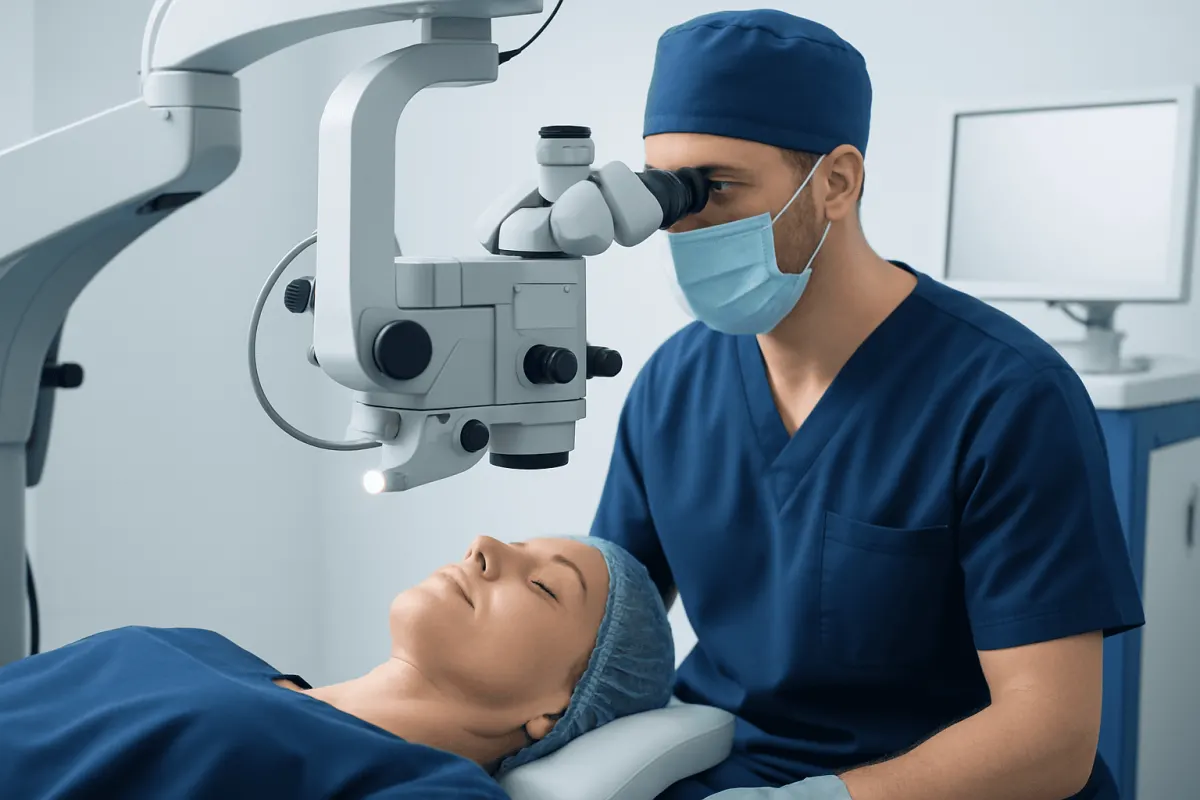
For most people, the answer to which surgery is best for cataract is phacoemulsification: ultrasound breaks up the cloudy lens, which is replaced with an artificial intraocular lens (IOL). The best procedure and lens type depend on cataract density, eye health, everyday visual needs, and personal preferences discussed with an ophthalmologist.
Overview: choosing the best cataract operation
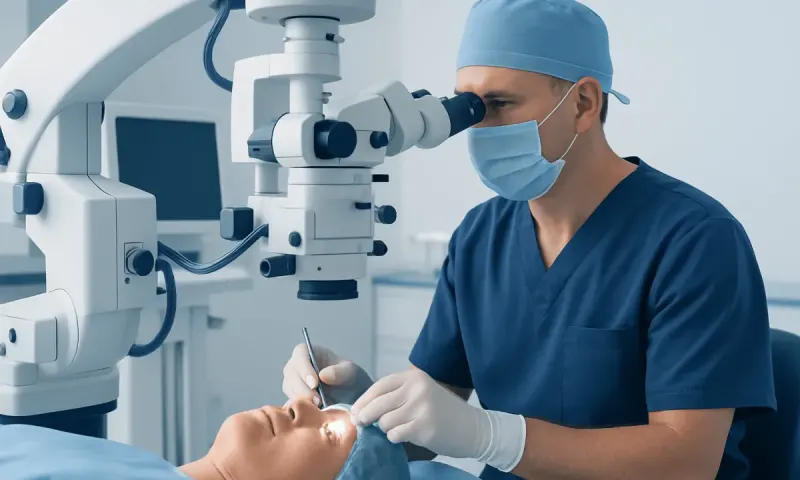
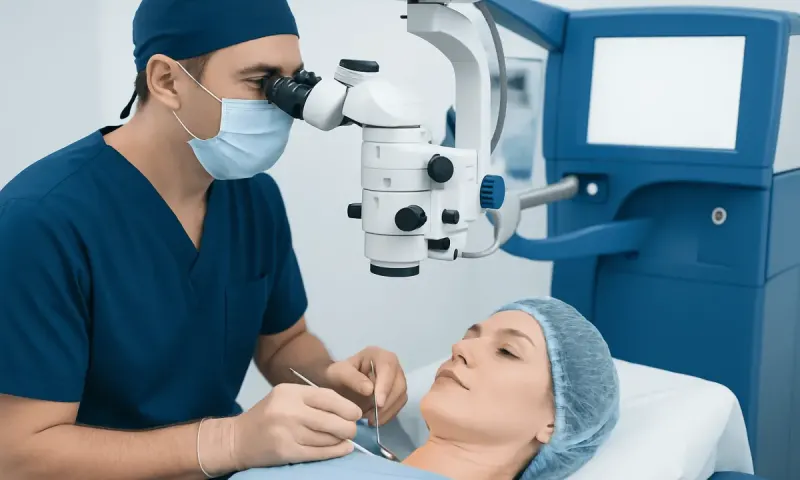
For most adults, phacoemulsification with intraocular lens implantation is considered the standard and most suitable cataract operation. During this microsurgery, the surgeon removes the eye’s cloudy natural lens through a very small opening and replaces it with a clear artificial lens, called an intraocular lens or IOL. It is usually an outpatient procedure performed with local anaesthetic eye drops, sometimes supported by mild sedation.
There is no single procedure that is best for every eye. The decision depends on the cataract’s appearance, the health of the cornea and retina, the shape and strength of the eye, previous eye surgery, and whether the person prioritises distance vision, reading vision, or reduced dependence on glasses. An ophthalmologist can explain which surgery is better for cataract in an individual situation after a detailed eye examination.
Cataracts commonly develop gradually with age, but they may also be associated with diabetes, steroid use, eye injury, previous eye inflammation, or other health factors. They are treated when visual changes interfere with reading, driving, work, hobbies, or day-to-day independence—not simply because a cataract is present.
How modern cataract surgery works
In standard phacoemulsification, the surgeon makes a small incision at the edge of the cornea, the clear front surface of the eye. A fine instrument uses ultrasound energy to soften and break the cloudy lens into small pieces, which are gently removed. The thin lens capsule is usually left in place to support the new IOL.
The folded artificial lens is inserted through the same small opening and unfolds inside the eye. Most small incisions seal without stitches. The operation itself often takes a short time, although preparation, checks, and recovery before going home take longer.
Laser-assisted cataract surgery uses a femtosecond laser to make certain planned steps, such as corneal incisions and the opening in the lens capsule. Ultrasound is still generally used to remove the lens. The laser is a tool within cataract surgery rather than a completely different operation, and standard phacoemulsification remains highly effective for many people.
Patients can learn more about the procedure through cataract surgery. The surgeon will recommend an approach based on safety, expected visual outcome, and the individual anatomy of the eye.
Which lens is best for cataract surgery?

Choosing an intraocular lens is an important part of deciding which procedure is best for cataract surgery. All IOLs replace the cloudy lens, but they are designed to provide different ranges of focus. Measurements taken before surgery help the surgeon select the lens power and assess which designs are appropriate.
- Monofocal IOLs provide clear vision at one main distance, most often far away. Glasses are commonly still needed for reading or close tasks.
- Toric IOLs can correct significant astigmatism, an irregular corneal curvature that may otherwise blur vision.
- Multifocal or extended-depth-of-focus IOLs may reduce dependence on glasses across more than one range of vision. Some people notice halos, glare, or reduced contrast, especially in low light.
- Monovision uses different focusing targets in each eye, typically one for distance and one for near vision. It suits some people but requires careful discussion and adaptation.
There is no universally best lens. A monofocal lens may be the most dependable choice for someone who values crisp distance vision and is comfortable using reading glasses. A multifocal or extended-depth-of-focus lens may suit selected people who want less reliance on glasses, but these lenses are not ideal for every eye, especially when certain corneal, retinal, or optic nerve conditions are present.
What is the safest surgery for cataracts?
Standard small-incision phacoemulsification with IOL implantation is widely regarded as a safe and established cataract procedure when it is performed by an appropriately trained ophthalmic surgeon. Its safety is supported by decades of clinical use, modern imaging and measurement methods, sterile surgical techniques, and follow-up care.
However, the safest surgery is not defined by one technology alone. Safety depends on careful pre-operative assessment, selecting a suitable lens and technique, managing conditions such as dry eye or glaucoma, following infection-prevention steps, and using prescribed drops correctly after surgery. A surgeon may modify the plan when a cataract is very dense, the pupil does not dilate well, or there has been prior eye surgery.
All operations have possible risks. Uncommon but important complications include infection inside the eye, bleeding, raised eye pressure, swelling of the cornea or retina, retinal detachment, lens-position problems, and a remaining need for glasses or further treatment. Most people recover well, but it is important to understand both expected benefits and possible limitations before giving consent.
What is the newest method of cataract surgery?
Femtosecond laser-assisted cataract surgery is among the newer technologies used in cataract care. It creates some early surgical steps with computer-guided laser pulses, including parts of the incision and lens-capsule opening. The technique may offer greater consistency for selected steps and can be combined with advanced lens planning.
It is not necessarily the best choice for every person. Research has not shown that laser assistance consistently produces substantially better vision or fewer complications than high-quality conventional phacoemulsification for all patients. The potential advantages depend on the eye, the surgeon’s assessment, available equipment, and the person’s lens goals.
Other advances include improved IOL calculation formulas, detailed corneal imaging, more refined toric lenses, and IOL designs that may broaden functional vision. These developments can improve planning, but the right operation remains a personalised clinical decision rather than a choice based solely on the newest technology.
Which cataract surgery is best for diabetes?
For a person with diabetes, phacoemulsification with IOL implantation is usually still the standard cataract operation. The key difference is the need for a careful evaluation of the retina before surgery, because diabetes can affect the blood vessels at the back of the eye and may cause diabetic retinopathy or macular swelling.
An ophthalmologist may use dilated retinal examination and imaging to check for diabetic eye disease. If significant retinopathy or macular oedema is present, treatment or closer coordination with a retinal specialist may be needed before, around, or after cataract surgery. Good diabetes management and attendance at follow-up appointments support safer recovery.
The best IOL for a person with diabetes also depends on retinal health and visual priorities. In some cases, a monofocal lens may be favoured because it provides reliable image quality and may be more suitable if retinal disease could limit vision. The choice should be made after an individual discussion, not based on diabetes alone.
Acıbadem Health Point’s multidisciplinary specialists and JCI-accredited hospitals diagnose and treat cataracts and associated eye conditions for international patients, with care plans tailored to each person’s eye health.
What do I wish I knew before cataract surgery?
Before surgery, it helps to know that cataract removal improves vision affected by a cloudy lens, but it does not treat every cause of blurred vision. Dry eye, glaucoma, macular degeneration, diabetic retinal disease, and other conditions can influence the final visual result. The surgeon should explain what improvement is realistic for the individual eye.
People should also understand the trade-offs of their lens choice. A lens that reduces the need for reading glasses may have different visual effects than a standard monofocal lens, including possible glare or halos at night. Glasses may still be needed for some activities after any type of cataract surgery.
It is useful to arrange transport home, follow instructions about eye drops and fasting if sedation is planned, and avoid rubbing the eye during healing. Most people return to light daily activity quickly, but strenuous exercise, swimming, dusty environments, and heavy lifting may need to be avoided temporarily according to the surgeon’s advice. The second eye, if needed, is generally operated on at a separate time.
Is it worth paying extra for laser cataract surgery?
Whether laser cataract surgery is worth an additional cost is a personal decision that should be based on expected clinical benefit rather than marketing claims. For many patients, conventional phacoemulsification performed by an experienced surgeon provides excellent outcomes. Laser assistance may be useful for specific surgical planning needs, but it does not guarantee better vision.
A person considering laser-assisted surgery can ask what the laser would change in their particular case, whether there is a meaningful expected benefit, and how the recommended IOL contributes to the visual plan. It is also reasonable to ask about alternatives, expected need for glasses, night-vision considerations, and the surgeon’s rationale for the recommendation.
The choice should be informed and comfortable. A clear discussion of benefits, limitations, risks, and follow-up is more valuable than choosing a technique solely because it is newer or more expensive.
Recovery, self-care, and when to seek medical care
Vision may be blurry, bright, watery, or mildly scratchy immediately after surgery. Many people notice improvement within days, while the eye can continue settling over several weeks. Prescribed antibiotic and anti-inflammatory drops help lower the risk of infection and control inflammation; they should be used exactly as directed. Follow-up visits allow the team to check healing and eye pressure.
Patients should contact their ophthalmologist promptly if they develop worsening rather than improving vision, increasing redness, significant pain, marked light sensitivity, discharge, or a new curtain-like shadow. Sudden vision loss, flashes of light, or a sudden shower of new floaters also require urgent eye assessment. These symptoms are uncommon but should not be ignored.
Cataract surgery is usually planned rather than urgent. Still, anyone with a new rapid change in vision, eye injury, severe headache with eye pain, or symptoms that interfere suddenly with safety should seek medical care without delay. Regular eye examinations are particularly important for people with diabetes, glaucoma, or previous eye disease.
Frequently asked questions
01Which surgery is best for cataract?
For most people, phacoemulsification with implantation of an intraocular lens is the standard cataract surgery. The best option depends on the cataract, the health of the cornea and retina, previous eye conditions, and the person’s goals for vision with or without glasses.
02Which surgery is good for cataract if I want to reduce my need for glasses?
The operation is usually still phacoemulsification, while the IOL choice is tailored to the goal of reducing glasses dependence. Multifocal, extended-depth-of-focus, toric, or monovision strategies may be considered, but they are not appropriate for every person and can involve visual trade-offs.
03Is laser cataract surgery safer than standard cataract surgery?
Laser-assisted surgery can make selected steps more automated and precise, but it is not proven to be safer for every patient than conventional phacoemulsification. Both approaches can be appropriate when planned and performed by an experienced ophthalmic team.
04How long does it take to recover from cataract surgery?
Many people see an improvement within a few days, although vision can fluctuate early in healing. Full stabilisation may take several weeks, particularly if the eye has other conditions or if the prescription needs time to settle.
05Can cataracts come back after surgery?
The removed natural lens does not grow back. Some people later develop clouding of the lens capsule behind the IOL, often called a secondary cataract, which can usually be treated with a brief laser procedure.
06Can people with diabetes have cataract surgery?
Yes, many people with diabetes safely undergo cataract surgery. A detailed retinal assessment before surgery is important because diabetic retinopathy or macular swelling may affect timing, treatment planning, and the expected visual result.
This article is for general information only and is not a substitute for professional medical advice. Please consult a qualified doctor about your individual situation.
Explore treatments in Turkey — costs, top hospitals & a free quote
JCI-accredited · board-certified surgeons · reply within 24h
Add us as a Preferred Source to see more of our trusted health content across Google Search, AI Overviews and Discover.