What Are the Disadvantages of Cataract Surgery?
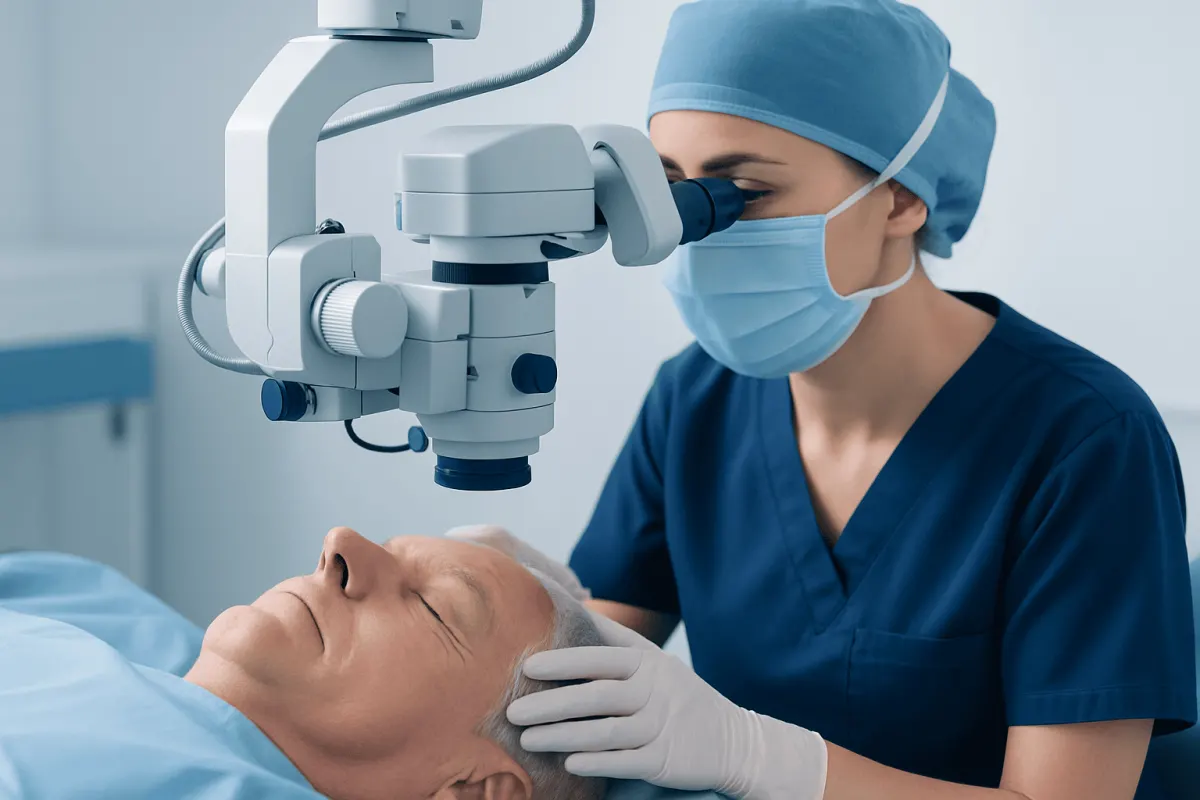
The disadvantages of cataract surgery are usually temporary visual adjustment, the need for eye drops and activity restrictions during recovery, and a small risk of complications such as infection, retinal problems or unwanted lens-related visual effects. Cataract surgery is generally effective at restoring clearer vision, but realistic expectations and careful lens selection are important for satisfaction.
Overview: What Are the Disadvantages of Cataract Surgery?
What are the disadvantages of cataract surgery? The main disadvantages are the short recovery period, temporary changes in vision, use of prescribed drops, and a small possibility of complications. Some people also need glasses after surgery or notice glare, halos or reduced quality of vision in low light, particularly with certain types of intraocular lens.
A cataract is a clouding of the natural lens inside the eye. Surgery removes that cloudy lens and replaces it with a clear artificial lens, called an intraocular lens (IOL). It is the only treatment that removes a cataract, and it is commonly performed when blurred or cloudy vision begins to interfere with reading, driving, work, hobbies or daily independence.
The decision is individual rather than based on cataract appearance alone. An ophthalmologist considers the person’s symptoms, eye health, general health, visual goals and the expected benefits and limitations of surgery. The procedure does not treat every cause of reduced vision, such as macular degeneration or advanced glaucoma.
How Cataract Surgery Works and Who May Benefit
During modern cataract surgery, the surgeon usually makes very small incisions at the edge of the cornea. Ultrasound energy is used to break up the cloudy lens, which is removed through the incision. A folded artificial lens is then placed into the lens capsule, the thin natural support structure that held the original lens.
The operation is typically done with local anaesthetic eye drops, sometimes with additional medication to help the person relax. Most patients are awake but should not feel pain. It is commonly an outpatient procedure, meaning the person returns home the same day and needs someone else to accompany them.
People may be good candidates when cataract-related vision changes affect quality of life and the eye examination suggests that clearer vision is likely after surgery. Surgery may be postponed when symptoms are mild, when another eye condition is the main limit on vision, or when medical issues need to be stabilised first. A full pre-operative assessment helps identify dry eye, corneal disease, retinal conditions, glaucoma and medicines that could influence planning.
The Procedure: What Happens Step by Step
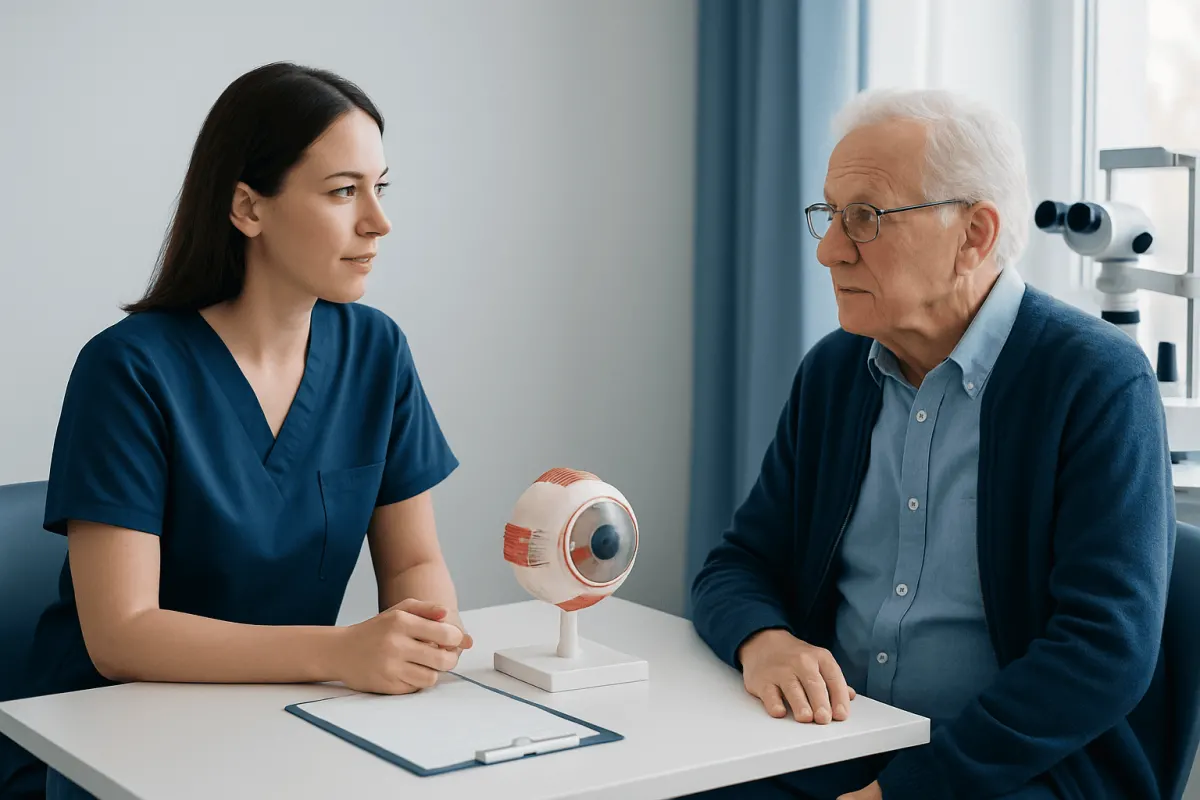
Before surgery, measurements are taken to calculate the power of the IOL. This calculation is important because the new lens influences whether a person is likely to need glasses for distance, reading or both. The surgeon also discusses lens options, including monofocal lenses, toric lenses for astigmatism and selected presbyopia-correcting lenses.
On the day of surgery, the eye is cleaned and numbed. The surgeon creates small openings, removes the cataract using phacoemulsification in most cases, and inserts the IOL. The incisions are generally self-sealing and often do not require stitches. The procedure itself is usually brief, although preparation and post-operative observation take additional time.
Only one eye is usually operated on at a time. If both eyes need surgery, the second procedure is often scheduled after the first eye has begun to recover. Patients considering cataract surgery should ask how their existing prescription, eye surface health and visual priorities will guide the lens recommendation.
Benefits, Limitations and Possible Risks
The main benefit of cataract surgery is clearer vision when the cataract is the principal cause of visual impairment. Colours may appear brighter, glare from lights may decrease, and everyday activities can become easier. Replacing the lens also prevents that cataract from returning, because the natural cloudy lens has been removed.
However, surgery cannot guarantee perfect vision or eliminate the need for glasses. A standard monofocal IOL is designed for one main focal distance, commonly distance vision, so reading glasses are frequently still needed. Multifocal or extended-depth-of-focus IOLs may reduce dependence on glasses for some people, but they can increase halos, glare or reduced contrast sensitivity, especially at night.
Potential complications include infection inside the eye, inflammation, corneal swelling, bleeding, raised eye pressure, retinal swelling, retinal detachment, residual refractive error and displacement of the IOL. These problems are not expected outcomes, but they are important to understand before giving consent. Certain factors, including high short-sightedness, previous eye surgery, diabetes, eye inflammation or retinal disease, may change an individual’s risk profile.
A common later development is posterior capsule opacification, sometimes called a secondary cataract. The cataract itself has not returned; rather, the lens capsule behind the IOL becomes cloudy. It can often be treated with a short laser procedure called YAG laser capsulotomy when it affects vision.
Recovery Timeline and Practical Self-care
Vision may be blurred, hazy or variable during the first day or several days after surgery. Mild grittiness, watering, light sensitivity and a feeling that the eye is different are common early experiences. Many people notice meaningful improvement within days, but complete stabilisation can take several weeks and may take longer when the eye has other conditions or when healing is slower.
Prescribed antibiotic and anti-inflammatory eye drops help protect the eye and control inflammation. The surgical team provides an individual schedule and explains how to apply drops without touching the bottle tip to the eye. A protective shield may be worn while sleeping for a short period, and the eye should not be rubbed or pressed.
People can usually resume gentle activities relatively soon, but should follow their surgeon’s specific advice about driving, swimming, dusty environments, heavy lifting and strenuous exercise. It is sensible to avoid getting untreated water or soap directly into the eye while the incision heals. Follow-up appointments are essential because they allow the clinician to check vision, eye pressure, inflammation and lens position.
Dry eye symptoms can become more noticeable after surgery, particularly in people who already have dry eye. Lubricating drops may be recommended, but patients should use products approved by their eye-care team and report persistent discomfort or fluctuating vision.
What Is the Biggest Complaint After Cataract Surgery?
A frequent early complaint is blurry or fluctuating vision, often accompanied by dryness, scratchiness, light sensitivity or glare. These symptoms commonly improve as the cornea, eye surface and internal tissues heal. The brain also needs time to adapt to a clearer image and, in some cases, to a different glasses prescription or lens design.
For longer-term dissatisfaction, the most common issues are often residual dependence on glasses and unwanted visual phenomena, such as halos around lights at night. These concerns can be particularly relevant with lenses designed to provide vision at more than one distance. Thorough discussion before surgery helps align the lens choice with driving habits, night-time activities, reading needs and tolerance for visual trade-offs.
Persistent blur should not simply be assumed to be normal. It may result from dry eye, uncorrected astigmatism, swelling, posterior capsule opacification or an underlying retinal condition. An ophthalmologist can identify the cause and advise whether observation, glasses, eye-surface treatment, laser treatment or another approach is appropriate.
How Long Does It Take for a Lens to Settle After Cataract Surgery?
The implanted IOL is placed in the lens capsule during surgery and is generally stable immediately. In ordinary healing, the capsule gradually conforms around the lens over the following weeks. Vision often improves quickly, but the final refraction, meaning the glasses prescription needed after surgery, is commonly assessed once healing has stabilised.
For many people, this process takes about several weeks, although the timeline varies. Corneal swelling, dry eye, pre-existing eye disease, surgical complexity and the type of IOL can influence how quickly vision becomes consistent. The surgeon may recommend waiting before ordering new glasses unless vision is already stable and the clinical team advises otherwise.
Rarely, an IOL can move from its intended position, either soon after surgery or later. New blur, double vision in one eye, edge glare or a noticeable change in vision should be assessed promptly. This does not always mean the lens has shifted, but it is important not to self-diagnose.
What I Wish I Knew About Cataract Surgery?
Many patients later say they wish they had understood that cataract surgery is both a medical procedure and a refractive decision. The artificial lens selected affects the balance between distance, intermediate and near vision, as well as the possible need for glasses. There is no single best IOL for everyone.
It is also useful to know that each eye may recover differently and that vision can change during the first weeks. Some people are surprised by brighter colours, differences between the operated and unoperated eye, or temporary adaptation to light. Planning support at home and allowing time for follow-up care can make recovery more comfortable.
Patients should tell the ophthalmologist about prior laser vision correction, contact lens use, eye injuries, medicines, diabetes and night-driving requirements. Questions worth asking include what outcome is realistic given the health of the retina and optic nerve, whether astigmatism treatment is appropriate, and when it is safe to resume usual activities. Acıbadem Health Point’s multidisciplinary specialists and JCI-accredited hospitals provide assessment and treatment for international patients needing cataract care.
What Are the Top 5 Reasons Patients Regret Cataract Surgery?
Regret is not inevitable, and many causes can be reduced through good assessment and communication. Five reasons that may contribute to dissatisfaction are:
- Unrealistic expectations: expecting perfect vision despite other eye conditions or expecting no need for glasses without selecting a suitable lens option.
- A lens choice that does not fit daily priorities: for example, a person who drives extensively at night may be particularly sensitive to halos or glare.
- Residual prescription error or astigmatism: vision may still require glasses or, in selected cases, further correction.
- Unrecognised or worsening eye disease: retinal, corneal or optic nerve disorders can limit visual improvement.
- Complications or prolonged recovery: inflammation, dry eye, swelling or other problems can delay or reduce the expected result.
Before surgery, patients can lower the chance of disappointment by discussing their priorities clearly rather than focusing only on the possibility of becoming glasses-free. They should also attend all recommended checks and report symptoms promptly. If an outcome is not as expected, an eye specialist can evaluate whether there is a treatable explanation.
When to Seek Medical Care
Contact the surgical team urgently after cataract surgery for severe or increasing eye pain, rapidly worsening vision, marked redness, nausea or vomiting with eye discomfort, significant discharge, or new sensitivity to light that is getting worse. These signs require prompt assessment because they can occasionally indicate a complication that benefits from early treatment.
New flashes of light, a sudden increase in floaters, or a curtain or shadow across the vision also need urgent eye care, as they may indicate a retinal tear or detachment. Mild discomfort and gradual improvement are expected for many people, but symptoms should not become progressively worse.
Even before surgery, an eye examination is appropriate when cloudy vision, glare, double vision in one eye, fading colours or changing glasses prescriptions interfere with everyday life. An ophthalmologist can confirm whether a cataract is responsible and discuss whether monitoring or surgery is the most appropriate next step.
Frequently asked questions
01Is cataract surgery safe?
Cataract surgery is a commonly performed procedure and most people have an uncomplicated recovery. However, no operation is risk-free, and an ophthalmologist should explain individual risk factors such as retinal disease, glaucoma, diabetes or previous eye surgery before treatment.
02Can cataract surgery make vision worse?
Temporary blurring is common during early healing. In uncommon cases, complications or another eye condition can limit improvement or worsen vision, which is why pre-operative assessment and follow-up are important.
03Will glasses still be needed after cataract surgery?
Many people need glasses after surgery, especially for reading or close work when a monofocal distance lens is chosen. The likelihood depends on the selected IOL, astigmatism and the person's visual goals.
04Can a cataract come back after surgery?
The original cataract cannot return because the cloudy natural lens is removed. Some people develop clouding of the capsule behind the artificial lens, called posterior capsule opacification, which can often be treated with a laser procedure.
05How painful is cataract surgery?
The eye is numbed for surgery, so significant pain is not expected during the procedure. Mild scratchiness, irritation or light sensitivity can occur afterward, but severe or worsening pain requires urgent medical advice.
06When can a person drive after cataract surgery?
Driving should only resume when vision meets legal requirements and the surgeon says it is safe. The timing varies because vision and light sensitivity can differ between individuals, particularly in the first days after surgery.
This article is for general information only and is not a substitute for professional medical advice. Please consult a qualified doctor about your individual situation.
Explore treatments in Turkey — costs, top hospitals & a free quote
JCI-accredited · board-certified surgeons · reply within 24h
Add us as a Preferred Source to see more of our trusted health content across Google Search, AI Overviews and Discover.