Who Is a Good Candidate for LASIK Eye Surgery?

LASIK can be a helpful option for many people who want to reduce their dependence on glasses or contact lenses. The best candidates usually have stable vision, healthy eyes, and realistic expectations about what the procedure can and cannot achieve.
Overview: What Makes Someone a Good LASIK Candidate?
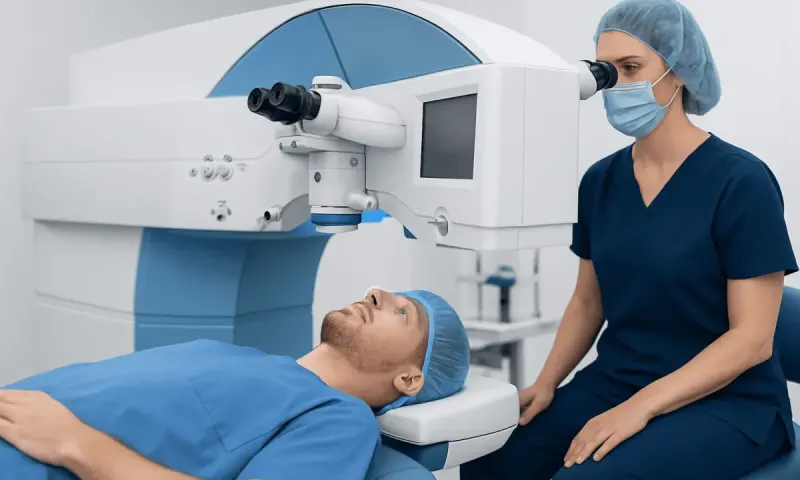
LASIK is a type of laser vision correction used to treat common refractive errors such as nearsightedness, farsightedness, and astigmatism. It works by reshaping the cornea so that light focuses more accurately on the retina. For many people, this can reduce the need for glasses or contact lenses in daily life.
A good LASIK candidate is not defined by one factor alone. Suitability depends on a combination of age, prescription stability, corneal thickness, eye surface health, general health, and lifestyle needs. Even if a person has worn glasses for years, that alone does not guarantee that LASIK is the right choice.
In general, eye doctors look for adults whose vision has been stable for a period of time and whose eyes are otherwise healthy. The person should also understand that LASIK improves vision but does not always create “perfect” eyesight, and age-related changes such as presbyopia may still develop later.
The decision is always individualized. Some people who are not ideal candidates for LASIK may still be good candidates for other vision correction procedures, including laser eye surgery techniques that use a different approach.
Basic Eligibility Criteria for LASIK
Most LASIK candidates are at least 18 years old, although many surgeons prefer vision to be stable into the early twenties before proceeding. This is because refractive errors can continue to change during late adolescence. If the prescription is still shifting, the results of LASIK may not remain accurate over time.
Stable vision is one of the most important requirements. Doctors usually want to see little or no meaningful change in the glasses or contact lens prescription over at least the previous year. Stability helps improve the chance that the laser correction will remain effective after surgery.
Eye health also matters. The cornea must be thick enough and have a regular shape so that it can be safely reshaped with a laser. The surface of the eye should be healthy, without significant untreated dryness, infection, inflammation, or injury.
General features that often support LASIK eligibility include:
- Adult age with a stable prescription
- Nearsightedness, farsightedness, or astigmatism within treatable ranges
- Healthy corneas with adequate thickness
- No active eye disease or infection
- Realistic expectations about results and recovery
Who May Not Be an Ideal Candidate?
LASIK is not suitable for everyone. Some people have eye conditions that increase the risk of complications or reduce the chance of a good visual result. One example is keratoconus, a condition in which the cornea becomes thin and bulges outward. Because LASIK removes corneal tissue, it is generally not recommended in this setting.
People with severe dry eye may also need careful assessment before surgery. LASIK can temporarily worsen dryness during healing, so existing symptoms should be identified and managed first. Likewise, active eye infections, significant allergies affecting the eyes, or inflammation should be treated before any elective procedure is considered.
Other factors can also make LASIK less suitable. These include unstable vision, very thin corneas, certain autoimmune conditions, uncontrolled diabetes, and pregnancy or breastfeeding, when hormonal changes may temporarily affect vision and tear production. A history of eye trauma or previous eye surgery may also influence the decision.
Some individuals with cataracts or other lens-related causes of blurred vision may not benefit from corneal laser correction because the main problem is not the cornea. In such situations, an eye specialist may investigate whether cataract surgery or another procedure is more appropriate.
Eye Conditions and Lifestyle Factors Doctors Consider
An eye surgeon does more than review a prescription. They also consider how the eyes function and how the person uses their vision every day. For example, large pupils in dim light may increase the risk of night glare or halos after surgery in some patients. Corneal mapping can help assess this risk more carefully.
Occupation and hobbies also matter. People who play contact sports, work in dusty environments, spend long hours on screens, or need especially precise night vision may have specific concerns to discuss before surgery. These factors do not always rule out LASIK, but they can shape the recommendation and the counseling process.
Doctors also ask about contact lens use. Contact lenses can temporarily change the shape of the cornea, especially rigid lenses, which may affect preoperative measurements. Patients are usually advised to stop wearing lenses for a period before their evaluation so the cornea can return to its natural shape.
In some cases, another refractive procedure may be a better fit than LASIK. Depending on the cornea, prescription, and lifestyle, the surgeon may discuss options such as smart lens surgery or other lens-based treatments rather than laser reshaping of the cornea.
How LASIK Candidacy Is Diagnosed
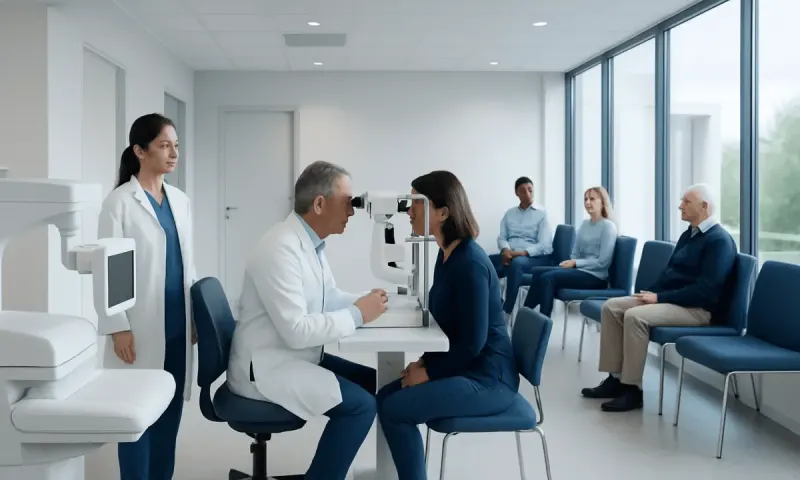
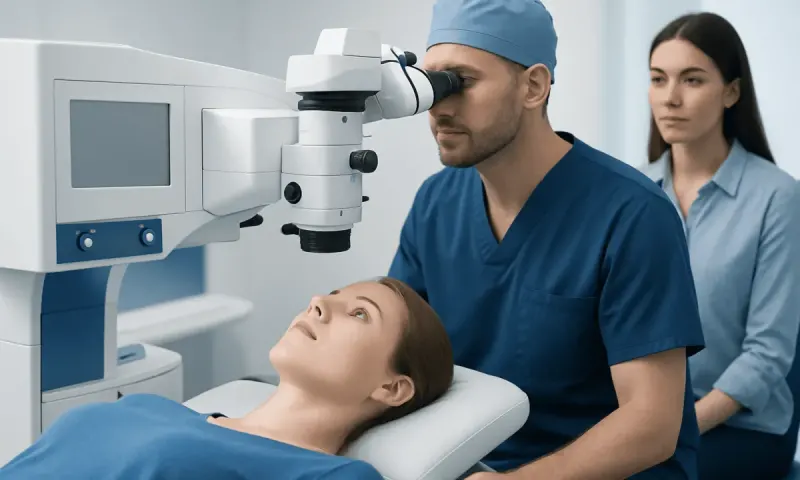
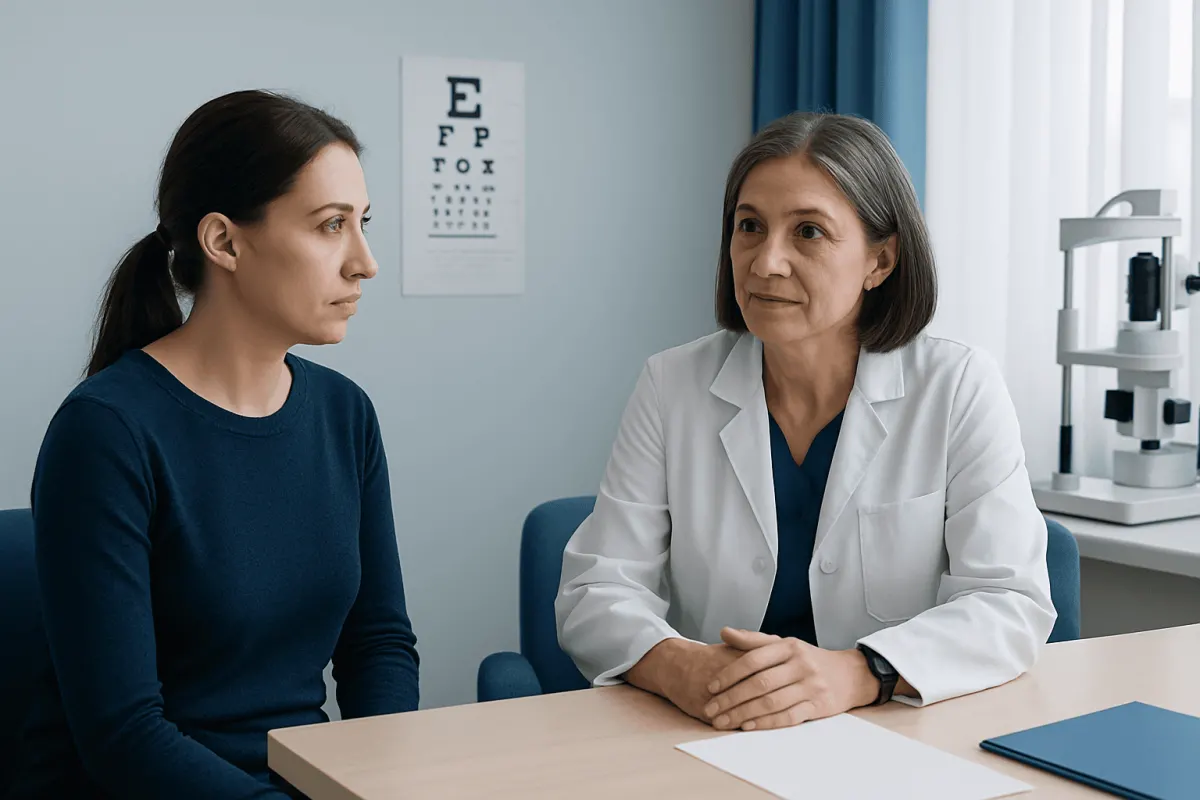
The best way to know whether someone is a good candidate for LASIK is through a comprehensive eye examination. This assessment usually includes measuring the refractive error, checking visual acuity, examining the front and back of the eye, and reviewing medical history. The goal is to confirm both safety and likely benefit.
Special tests are often used to evaluate the cornea in detail. These may include corneal topography or tomography to map corneal shape, pachymetry to measure thickness, and tear film testing to look for dry eye. The doctor may also dilate the pupils to examine the retina and optic nerve.
These tests help identify issues that are not always obvious from symptoms alone. For instance, a person may feel that their eyes are healthy but still have subtle corneal irregularities or early signs of another problem. Detecting these issues before surgery helps prevent avoidable complications.
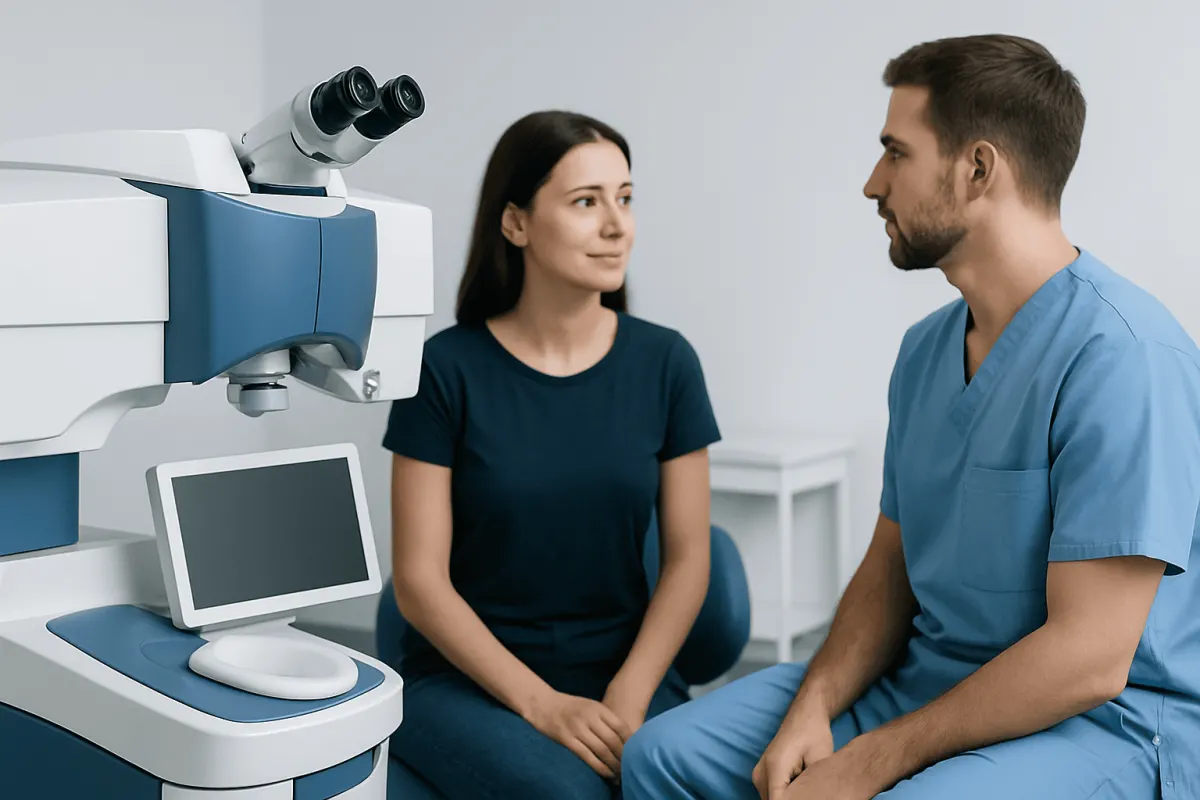
After the evaluation, the ophthalmologist explains whether LASIK is appropriate, whether another procedure may be safer, or whether treatment should be delayed until an eye condition is better controlled. This personalized discussion is a key part of choosing the right vision correction plan.
Benefits, Limits, and Alternatives to LASIK
For suitable candidates, LASIK can offer clear practical benefits. Many people enjoy less dependence on glasses or contact lenses, quick visual recovery, and minimal discomfort after the procedure. Results are often noticeable within a short time, although vision may continue to stabilize during the healing period.
At the same time, LASIK has limits. It does not stop natural age-related changes in the eye, and some people may still need glasses for reading or certain tasks later in life. Mild side effects such as temporary dryness, glare, halos, or fluctuating vision can occur during recovery, and not every person reaches the same level of visual sharpness.
If LASIK is not recommended, this does not necessarily mean vision correction surgery is off the table. Surface laser procedures, lens-based procedures, or continued use of glasses and contact lenses may be better choices depending on the eye’s anatomy and the person’s goals. In some cases, a person may be better suited to no-touch laser eye surgery or another surface-based method.
Choosing among these options should be based on safety first, then visual needs and expectations. A careful discussion with an experienced ophthalmologist can help a person understand which approach offers the best balance of benefit and risk.
Preparing for a LASIK Consultation and Self-Care Tips
Before a LASIK consultation, it helps to gather information about current glasses or contact lens prescriptions, past eye problems, and any medical conditions or medications. Patients should also mention symptoms such as dryness, eye rubbing, headaches, light sensitivity, or blurred night vision, even if they seem minor.
It is also important to follow instructions about stopping contact lens wear before the assessment. This allows the cornea to stabilize and improves the accuracy of measurements. If the person uses artificial tears or other eye drops, they should tell the doctor so these can be considered during the evaluation.
Good general eye care supports both candidacy assessment and long-term eye health. Helpful habits include protecting the eyes from ultraviolet light, managing chronic health conditions, taking screen breaks, and avoiding smoking. People with dry eye symptoms may benefit from early treatment before considering surgery.
Near the end of the decision process, patients should feel comfortable asking questions about expected results, healing time, side effects, and alternatives. At Acıbadem Health Point, multidisciplinary specialists in JCI-accredited hospitals assess and treat international patients who are considering refractive procedures, with care tailored to individual eye findings.
When to See an Eye Doctor
Anyone interested in LASIK should see an ophthalmologist or qualified eye surgeon for a formal assessment rather than relying on general online checklists. A professional exam can identify whether the eyes are suitable for surgery and whether another option would be safer or more effective.
Medical advice is especially important if there is a history of eye disease, previous eye surgery, severe dryness, diabetes, autoimmune illness, or changing prescriptions. Prompt evaluation is also wise for people who have symptoms such as sudden blurred vision, eye pain, flashes of light, or loss of vision, since these may signal a problem that needs attention before any elective procedure is considered.
Even people who are ultimately told they are not ideal LASIK candidates can benefit from specialist advice. In many cases, the consultation clarifies the reason, offers treatment for underlying issues, or introduces an alternative approach to vision correction.
The safest path is an individualized recommendation based on examination findings, visual goals, and overall health. This helps ensure that any decision about surgery is informed, realistic, and centered on long-term eye health.
Frequently asked questions
01What age is best for LASIK?
LASIK is generally considered for adults aged 18 and older, but the best timing is when the prescription has become stable. Many people are evaluated in their twenties or later for this reason. The exact timing depends more on eye stability and health than on age alone.
02Can someone with dry eyes still have LASIK?
Possibly, but dry eye needs careful assessment first. Mild cases may be treated and monitored before surgery, while more significant dryness may make LASIK less suitable. An eye specialist can determine whether treatment or an alternative procedure would be safer.
03Does wearing contact lenses affect LASIK eligibility?
Contact lenses do not usually prevent LASIK, but they can temporarily alter the shape of the cornea. This can affect the accuracy of preoperative measurements. Patients are commonly asked to stop wearing lenses for a period before the evaluation.
04Can LASIK fix both distance and reading vision?
LASIK mainly corrects refractive errors such as nearsightedness, farsightedness, and astigmatism. It does not prevent age-related presbyopia, which affects near vision over time. Some people may still need reading glasses later, even if distance vision improves.
05What if someone is not a good candidate for LASIK?
Not being suitable for LASIK does not mean there are no other options. Depending on the reason, another laser technique, a lens-based procedure, or non-surgical correction may be recommended. The best alternative depends on the cornea, prescription, eye health, and personal needs.
06How is LASIK candidacy confirmed?
Candidacy is confirmed through a detailed eye examination by an ophthalmologist or refractive surgeon. This usually includes checking the prescription, corneal shape and thickness, tear film, and overall eye health. The doctor also reviews medical history and discusses visual expectations.
This article is for general information only and is not a substitute for professional medical advice. Please consult a qualified doctor about your individual situation.
Explore treatments in Turkey — costs, top hospitals & a free quote
JCI-accredited · board-certified surgeons · reply within 24h
Add us as a Preferred Source to see more of our trusted health content across Google Search, AI Overviews and Discover.