Painful Kidneys After Drinking Alcohol: Possible Causes and When to Seek Care
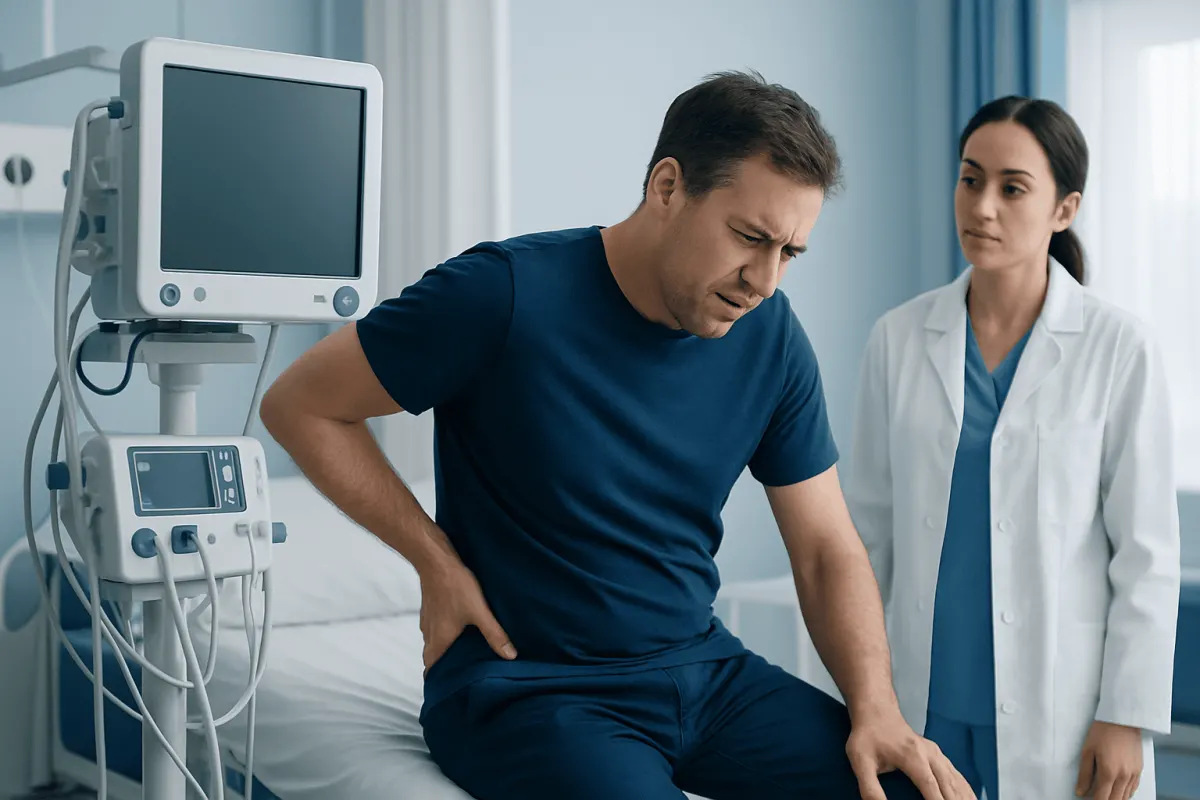
Painful kidneys after drinking alcohol do not always mean the kidneys themselves are damaged. The symptom can be related to dehydration, kidney stones, infection, or pain coming from the muscles, back, liver, or pancreas, so persistent or severe pain should be assessed by a doctor.
Overview: Can alcohol cause kidney pain?
Painful kidneys after drinking alcohol can happen, but alcohol itself is not usually felt directly as “kidney pain.” More often, drinking contributes to conditions that can make the area around the kidneys hurt, such as dehydration, irritation from concentrated urine, or symptoms related to kidney stones. In other cases, the discomfort is not from the kidneys at all and may come from nearby structures such as the back muscles, spine, liver, or pancreas.
The kidneys sit high in the back, one on each side of the spine, just under the lower ribs. Pain in this region is often described as flank pain rather than pain in the center of the lower back. Because several organs and tissues share this area, location alone cannot confirm the cause.
A key point is that occasional mild discomfort after drinking may be related to dehydration or muscle strain, while repeated, intense, or one-sided pain deserves medical evaluation. If symptoms come with fever, urinary changes, or nausea and vomiting, a doctor should assess the possibility of infection, stones, or another medical problem.
What kidney pain feels like and how it differs from other pain
People often use the term “kidney pain” for many different types of discomfort in the back or sides. True kidney pain is typically felt in the flank, which is the area between the lower ribs and the hip on one or both sides. It may be dull and constant, or more severe and wave-like if a stone is moving through the urinary tract.
Muscle pain is usually more superficial, often worsens with twisting, lifting, or pressing on the area, and may improve with rest. Pain from the pancreas is often felt in the upper abdomen and can spread to the back, especially after heavy alcohol use. Liver or gallbladder-related pain is more commonly on the right upper side of the abdomen, though some people feel it in the back as well.
Urinary symptoms can offer helpful clues. Kidney-related problems may occur with burning during urination, frequent urination, cloudy urine, blood in the urine, or fever. When there are no urinary symptoms, doctors also consider non-kidney causes such as strain, gastrointestinal conditions, or kidney stones that have not yet caused clear bladder symptoms.
Possible causes of painful kidneys after drinking alcohol

Dehydration is one of the most common explanations. Alcohol can increase urine production and contribute to fluid loss, especially when intake is high or water intake is low. Concentrated urine may irritate the urinary tract and can make someone more aware of discomfort in the flank area, particularly if they are already prone to stones or urinary problems.
Kidney stones are another important possibility. Alcohol does not directly create every stone, but dehydration can make stone formation or stone symptoms more likely in some people. Stones may cause sudden one-sided flank pain, nausea, vomiting, or blood in the urine. If symptoms suggest a stone, doctors may recommend urine testing and imaging, and some patients may need kidney stone treatment.
Urinary tract infection, including a kidney infection, should also be considered. Alcohol does not directly cause a kidney infection, but if someone develops flank pain with fever, chills, burning urination, or urgency, infection becomes a concern. Kidney infections need timely treatment because they can become serious if ignored.
In some cases, the discomfort is referred pain from another organ affected by alcohol. Heavy drinking can irritate the pancreas and cause pancreatitis, which may cause upper abdominal pain that radiates to the back. Liver inflammation or gastritis may also be mistaken for kidney pain. Finally, alcohol can worsen sleep quality and coordination, making muscle strain after activity or awkward posture more noticeable the next day.
Risk factors that make alcohol-related flank pain more likely
Some people are more likely than others to develop pain in the kidney area after drinking. A history of kidney stones is a major risk factor, especially if a person tends to become dehydrated. Not drinking enough water, spending time in hot environments, exercising heavily, or vomiting after drinking can all increase fluid loss and make symptoms more likely.
Existing kidney disease can make any new flank pain more concerning. People with chronic kidney disease, a solitary kidney, recurrent urinary tract infections, or structural urinary tract problems should not assume alcohol is the only issue. In these situations, a doctor may want to review kidney function and look for other causes. Those living with chronic kidney disease should be especially cautious about recurrent symptoms.
Medication use matters too. Some pain relievers, certain antibiotics, and other drugs can affect the kidneys, especially if they are taken with dehydration or large amounts of alcohol. Conditions such as gout, high sodium intake, obesity, and diets that increase stone risk may also contribute. The more often pain recurs after drinking, the more worthwhile it is to assess patterns, triggers, and overall urinary health.
How doctors find the cause
Evaluation starts with a clear history. A clinician will ask where the pain is located, when it started, how long it lasts, whether it is on one side or both, how much alcohol was consumed, and whether there are symptoms such as fever, painful urination, urinary frequency, nausea, or blood in the urine. They also ask about past stones, infections, kidney disease, and medications.
A physical examination can help distinguish flank tenderness from muscle or spinal pain. Urine testing is commonly used to look for blood, signs of infection, crystals, or dehydration. Blood tests may be ordered to assess kidney function, inflammation, and electrolyte balance if symptoms are significant or persistent.
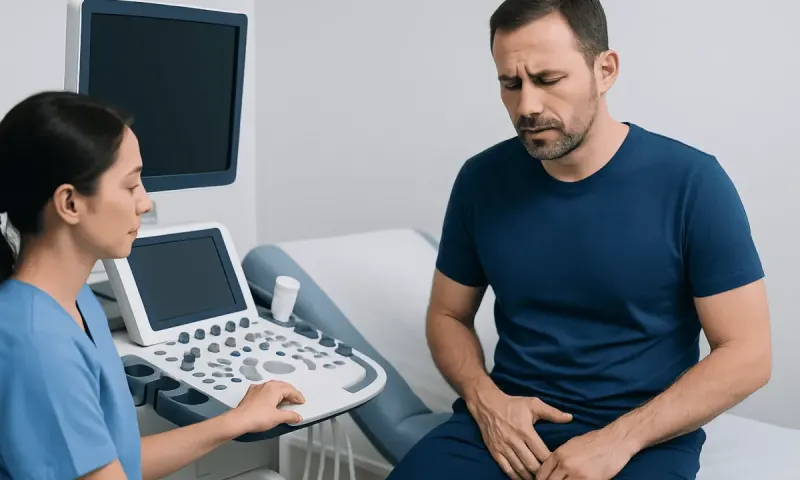
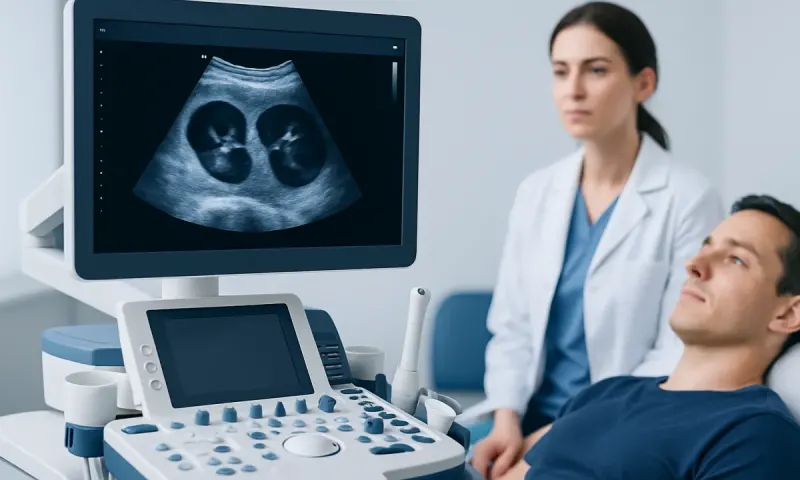
Imaging may be appropriate when stones, obstruction, infection, or another internal cause is suspected. Depending on the situation, doctors may use ultrasound or CT imaging. If evaluation points toward a kidney-related problem, some patients may be referred for nephrology care or urologic assessment to guide treatment and follow-up.
Treatment and self-care depend on the cause
Treatment is based on the underlying problem rather than on the symptom alone. If dehydration appears to be the main factor and symptoms are mild, rest and steady rehydration with water may help. People should avoid further alcohol intake until they feel well and should be cautious about self-treating significant pain without medical advice, especially if they have kidney disease or ulcers.
If a stone is suspected, treatment can range from hydration and symptom control to procedures for stones that do not pass on their own. Infections usually require prescription antibiotics and should not be treated with home remedies alone. If the pain is actually from pancreatitis, liver irritation, or another abdominal condition, management will focus on that diagnosis instead.
For recurrent episodes, it helps to look at drinking habits, fluid intake, and any pattern with certain beverages. Sugary mixers, binge drinking, and low water intake may worsen symptoms in some people. If pain keeps returning, doctors may investigate urinary health more closely and consider options such as urology evaluation when obstruction, stones, or recurrent urinary symptoms are suspected.
When to seek medical care
Medical care is recommended promptly if painful kidneys after drinking alcohol are severe, persistent, or clearly one-sided. Fever, chills, repeated vomiting, blood in the urine, difficulty passing urine, or burning with urination are important warning signs. These symptoms can point to a stone, infection, blockage, or another problem that needs more than hydration alone.
Emergency care may be needed if pain is sudden and intense, if there is fainting, confusion, severe weakness, or inability to keep fluids down. People with known kidney disease, diabetes, pregnancy, or a weakened immune system should have a lower threshold for being evaluated. New flank pain in these groups deserves careful attention.
If symptoms are mild but keep happening after alcohol use, it is reasonable to schedule a medical appointment. Repeated discomfort may reveal an underlying issue such as stones, recurrent urinary infection, or non-kidney causes that benefit from proper diagnosis. Near the end of the care pathway, patients who need specialist assessment may be evaluated at Acıbadem Health Point, where multidisciplinary specialists in JCI-accredited hospitals diagnose and treat kidney and urinary conditions for international patients.
Prevention and practical steps
The most practical way to reduce alcohol-related flank discomfort is to avoid dehydration. Drinking water before, during, and after alcohol intake may help lower the chance of concentrated urine and related symptoms. Limiting binge drinking is also important, as large amounts of alcohol place more stress on the body and can worsen vomiting, poor sleep, and inflammation.
Anyone with a history of stones should discuss prevention with a clinician. Depending on the stone type and medical history, advice may include higher daily fluid intake, reducing excess sodium, and making personalized dietary changes. Recurrent urinary infections or known kidney disease also deserve regular follow-up, because prevention is not the same for every person.
It is also helpful not to ignore the pattern. If a person consistently notices pain after drinking, keeping a brief record of the amount of alcohol, hydration, foods, and associated symptoms can support diagnosis. Persistent or unexplained pain should not be self-diagnosed, because the same symptom can reflect very different conditions.
Frequently asked questions
01Can alcohol directly hurt the kidneys and cause pain?
Alcohol can affect hydration and overall kidney function, but it does not usually cause an immediate sensation of kidney pain on its own. More often, the pain is related to dehydration, stones, infection, or a nearby organ or muscle problem.
02How can someone tell if the pain is really from the kidneys?
Kidney pain is often felt in the sides or back under the lower ribs rather than in the center of the lower back. Urinary symptoms, fever, nausea, or blood in the urine make a kidney or urinary tract cause more likely, but a medical assessment is often needed to know for sure.
03Can drinking alcohol trigger kidney stones?
Alcohol does not automatically cause stones, but it can contribute to dehydration, which may increase the chance of stone symptoms in some people. Someone with a history of stones may be more likely to notice flank pain after drinking if fluid intake is low.
04Is kidney pain after drinking ever an emergency?
Yes. Severe one-sided pain, fever, shaking chills, vomiting, trouble urinating, or blood in the urine should be evaluated urgently because they may signal a stone, obstruction, or kidney infection.
05What should a person do at home if the pain is mild?
If symptoms are mild and there are no warning signs, resting, avoiding more alcohol, and drinking water may help. However, self-care is not a substitute for medical advice if the pain is strong, lasts more than a short time, or keeps coming back.
06Could the pain actually be from something other than the kidneys?
Yes. Pain in the same area may come from back muscles, the spine, the liver, the pancreas, or the digestive tract. This is one reason repeated or severe symptoms should be checked instead of being assumed to be a kidney problem.
This article is for general information only and is not a substitute for professional medical advice. Please consult a qualified doctor about your individual situation.
Persistent digestive symptoms? Get evaluated in Turkey
JCI-accredited · board-certified surgeons · reply within 24h
Add us as a Preferred Source to see more of our trusted health content across Google Search, AI Overviews and Discover.