What Are Kidney Stones Made Of?

Kidney stones are hard deposits that form when certain minerals and waste products become too concentrated in urine and crystallize. Their composition matters because the causes, treatment approach, and prevention advice can differ by stone type.
What Are Kidney Stones Made Of?
Kidney stones are hard, crystal-like deposits formed from substances that are normally dissolved in urine. When urine becomes too concentrated or its chemical balance changes, minerals and waste products can form crystals that grow into stones. What are kidney stones made of typically? Most are calcium-based, especially calcium oxalate, although several other stone types can occur.
Calcium oxalate stones are the most common type. They form when calcium combines with oxalate, a naturally occurring compound found in the body and in some foods. Calcium phosphate stones are another calcium-containing type and may be associated with persistently alkaline urine or certain metabolic conditions. Having a calcium stone does not usually mean a person has eaten too much calcium; in fact, adequate dietary calcium is often important for prevention.
Other renal stones may be made of uric acid, struvite, or cystine. Uric acid stones can develop when urine is consistently acidic. Struvite stones are linked to particular urinary tract infections and can become large. Cystine stones result from cystinuria, an inherited condition that allows excess cystine to enter the urine. Laboratory analysis of a passed or surgically removed stone is the most reliable way to identify its composition.
- Calcium oxalate: the most frequent composition.
- Calcium phosphate: another calcium-based form.
- Uric acid: associated with acidic urine and, in some cases, high uric acid production.
- Struvite: composed mainly of magnesium, ammonium, and phosphate in the setting of certain infections.
- Cystine: caused by the inherited disorder cystinuria.
What Are the Main Causes of Kidney Stones?
When people ask what are kidney stones made of and what causes them, the answer involves both the stone material and the urine environment that allowed crystals to form. Not drinking enough fluid is a major contributor because it produces smaller amounts of more concentrated urine. Crystals are then more likely to form, stick together, and enlarge.
Dietary patterns can also affect urine chemistry. A high sodium intake can increase the amount of calcium released into urine. Large amounts of animal protein may raise uric acid, lower protective urinary citrate, and make urine more acidic. High-oxalate foods may contribute to calcium oxalate stones in susceptible people, particularly when dietary calcium is too low or fluid intake is inadequate.
Medical conditions and personal history also matter. Risk may be higher with a family history of stones, recurrent urinary tract infections, obesity, diabetes, gout, bowel diseases that affect absorption, prior intestinal surgery, hyperparathyroidism, or cystinuria. Certain medicines and supplements can alter urine chemistry as well. A clinician can review a person’s medicines, health history, blood tests, urine tests, and stone analysis to look for specific contributors.
What Foods Cause Kidney Stones?

No single food causes kidney stones in everyone. Food-related risk depends on the stone type, portion sizes, overall eating pattern, fluid intake, and a person’s individual urine chemistry. For calcium oxalate stones, foods higher in oxalate include spinach, rhubarb, beets, nuts, chocolate, and some teas. These foods do not always need to be completely avoided, but people with recurrent calcium oxalate stones may benefit from individualized guidance.
High-sodium foods are important to address for many people with calcium stones. Processed meats, packaged snack foods, fast food, canned soups, and restaurant meals can contain substantial sodium. Frequent high intake of red meat, organ meats, and some seafood may increase the risk of uric acid stones in susceptible individuals because these foods contain purines, which are broken down into uric acid.
It is usually not helpful to severely restrict calcium-rich foods without medical advice. Calcium eaten with meals can bind oxalate in the digestive tract, reducing how much oxalate reaches the urine. A balanced diet with appropriate calcium from food, less sodium, enough fruits and vegetables, and regular fluid intake is often more useful than broad restrictions. Struvite stones are not caused by food; preventing and treating the relevant urinary infection is central to their management.
What Does Passing a Kidney Stone Feel Like?
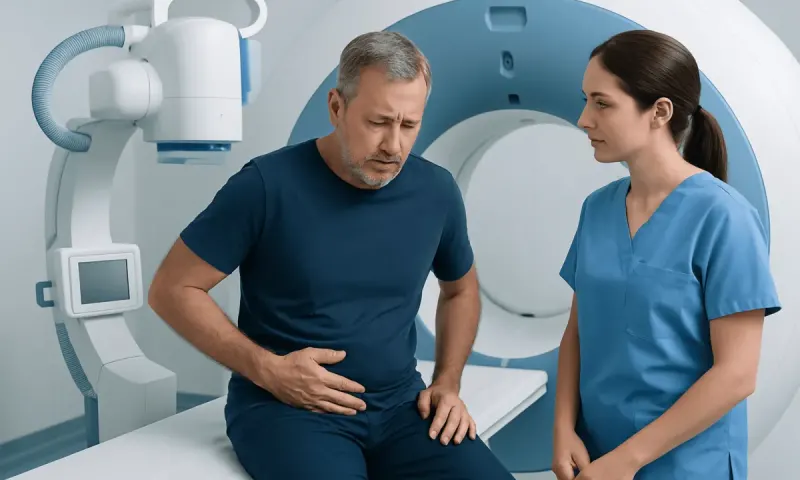
Passing a kidney stone can feel very different from one person to another. A stone that remains in the kidney may cause no symptoms. When a stone moves into the ureter, the narrow tube connecting the kidney to the bladder, it can cause sudden, severe pain in the side or back below the ribs. This pain often comes in waves and may move toward the lower abdomen, groin, or genital area.
Other possible symptoms include nausea, vomiting, sweating, blood in the urine, burning with urination, frequent urination, or a strong urge to urinate. The discomfort can change as the stone moves. Small stones may pass with mild symptoms or without being noticed, while larger stones or stones causing blockage can be much more painful.
Pain alone cannot confirm that a stone is passing. Conditions affecting the appendix, ovaries, intestines, muscles, or urinary tract can cause similar symptoms. Fever, chills, severe weakness, inability to pass urine, persistent vomiting, or uncontrolled pain may indicate a more urgent problem and should be assessed promptly.
How Are Kidney Stones Diagnosed?
A healthcare professional generally starts by reviewing the person’s symptoms, previous stone history, family history, diet, medicines, and medical conditions. A urine test can identify blood, signs of infection, crystals, and urine acidity. Blood tests may assess kidney function and look for factors such as elevated calcium or uric acid when appropriate.
Imaging helps confirm whether a stone is present, determine its size and location, and check for urinary blockage. Ultrasound may be used in some situations, including during pregnancy. A low-dose non-contrast CT scan is often highly accurate for diagnosing stones, while plain X-rays can sometimes help monitor certain calcium-containing stones.
If a person catches a passed stone, it should be saved in a clean container and brought to the care team for analysis if possible. People with repeated stones, an early age of onset, large stones, a strong family history, or high-risk health conditions may also need a 24-hour urine collection. This test measures substances that influence crystal formation and supports a more personalized prevention plan.
What Dissolves Kidney Stones Fast?
There is no reliable home remedy that dissolves most kidney stones fast. Calcium oxalate and calcium phosphate stones, which are the most common stones, generally cannot be dissolved with water, lemon juice, herbal products, or supplements. Drinking a sensible amount of fluid supports hydration, but forcing large amounts of water during severe pain does not remove an obstructing stone and may worsen discomfort.
Some uric acid stones can dissolve over time when urine is made less acidic with prescribed alkalinizing medicine and careful monitoring. This is a targeted medical treatment, not a rapid treatment for every stone. Cystine stones may also require specialized urine-adjusting treatment, while struvite stones typically need treatment of infection and often complete stone removal because they can continue growing.
For a stone that is unlikely to pass or is causing complications, treatment may include pain control, medicines that help selected ureteral stones pass, shock wave treatment, ureteroscopy, or procedures to remove larger stones. The best choice depends on stone size, location, composition, symptoms, infection status, and kidney function. A doctor should guide treatment, particularly if there is severe pain, fever, reduced urine output, or a known single kidney.
Prevention and Self-Care After a Kidney Stone
Prevention begins with producing enough urine to keep stone-forming substances diluted. A clinician can suggest an appropriate daily fluid goal based on a person’s health, activity level, climate, and kidney function. Spreading fluid intake throughout the day is usually more effective than drinking most fluids at one time. Water is generally the preferred choice, though individual recommendations may differ.
For many calcium stone formers, helpful measures include reducing sodium, maintaining adequate calcium from foods with meals, and avoiding excessive amounts of high-oxalate foods rather than eliminating all plant foods. Fruits and vegetables can provide citrate, a natural substance that may reduce crystal formation. Limiting excess added sugar and moderating animal protein may also be advised, especially for people prone to uric acid stones.
Prevention should match the stone type whenever possible. A person with cystinuria, recurring uric acid stones, repeated infection-related stones, or an underlying metabolic disorder may need medicines and ongoing follow-up in addition to dietary changes. Keeping a record of stones, symptoms, urine test results, and stone analysis can help the care team identify patterns and adjust the plan safely.
When to Seek Medical Care
Medical assessment is appropriate for a first episode of possible kidney stone pain, visible blood in the urine, repeated urinary symptoms, or pain that does not settle. A clinician can determine whether a stone is present and rule out other causes. Prompt evaluation is particularly important for children, pregnant people, older adults, and people with kidney disease or only one functioning kidney.
Urgent medical care is needed for fever or chills with possible stone symptoms, severe or worsening pain, repeated vomiting, inability to keep fluids down, difficulty passing urine, very little urine, or confusion and marked weakness. These symptoms can indicate infection, significant blockage, dehydration, or another condition requiring timely treatment. People should avoid delaying care while trying unproven stone-dissolving remedies.
Frequently asked questions
01What are most kidney stones made of?
Most kidney stones are calcium-based, with calcium oxalate being the most common type. Calcium phosphate stones are also common. A stone analysis is the best way to confirm the composition of an individual stone.
02What are black kidney stones made of?
A stone's color is not a dependable way to identify what it is made of. Some calcium oxalate stones can look dark brown or black, but appearance alone cannot distinguish them from other stones. Laboratory analysis is needed for an accurate answer.
03What are staghorn kidney stones made of?
Staghorn stones are large stones that branch into parts of the kidney's collecting system. They are often struvite stones associated with certain urinary tract infections, but they can also be made of calcium compounds, uric acid, or cystine. Their size and shape usually require specialist evaluation.
04Can drinking water dissolve a kidney stone?
Water does not dissolve most established kidney stones, especially calcium stones. Good hydration can lower the chance of new stones forming and may support the natural passage of a small stone. It should not replace medical assessment for severe pain, fever, vomiting, or reduced urine output.
05Can kidney stones form from too much calcium in food?
Usually, no. Normal dietary calcium is important because calcium consumed with meals can bind oxalate in the intestine and reduce urinary oxalate. High sodium intake, dehydration, supplements in some situations, and underlying medical conditions can be more relevant factors, so dietary changes should be individualized.
06Can a kidney stone come back after it has passed?
Yes, kidney stones can recur, particularly when the underlying urine chemistry or risk factors remain unchanged. Stone analysis and, for some people, 24-hour urine testing can help identify preventive measures. Ongoing hydration and stone-specific dietary or medical treatment can reduce future risk.
This article is for general information only and is not a substitute for professional medical advice. Please consult a qualified doctor about your individual situation.
Explore treatments in Turkey — costs, top hospitals & a free quote
JCI-accredited · board-certified surgeons · reply within 24h
Add us as a Preferred Source to see more of our trusted health content across Google Search, AI Overviews and Discover.