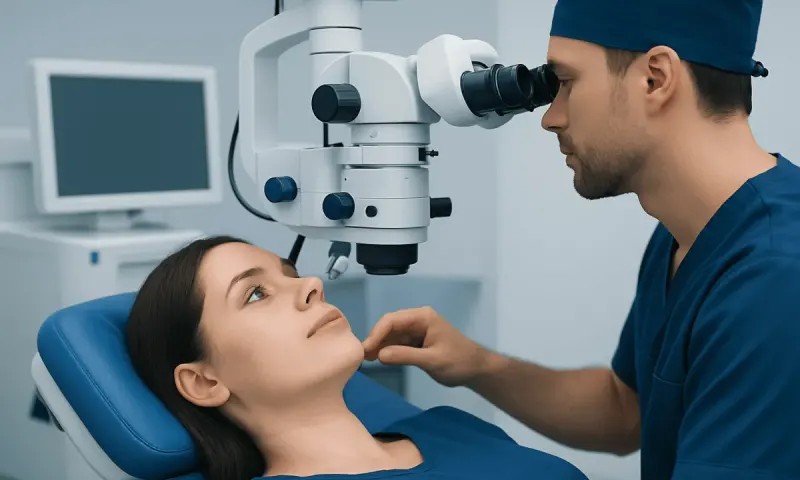
Laser Eye Surgery Risks: Side Effects, Complications, and How They Are Managed

Laser eye surgery can reduce dependence on glasses or contact lenses, but like any procedure it has possible side effects and complications. Most are temporary and treatable, especially when patients are carefully selected, properly evaluated, and followed closely after surgery.
Overview of Laser Eye Surgery Risks
Laser eye surgery is a broad term that includes procedures used to correct refractive errors such as nearsightedness, farsightedness, and astigmatism. Common approaches include LASIK, PRK, and SMILE. These procedures reshape the cornea so that light focuses more accurately on the retina, helping reduce dependence on glasses or contact lenses.
Although laser vision correction is widely performed and generally considered safe in appropriately selected patients, no surgery is completely risk-free. Patients may experience temporary side effects as the eye heals, and a smaller number may develop complications that require medical treatment or an additional procedure. Understanding these possibilities can help people make informed decisions and know what symptoms are expected during recovery.
It is also important to distinguish between side effects and complications. Side effects are common, usually short-term changes such as dryness or glare. Complications are less common problems that may affect healing or visual quality more significantly. A detailed eye examination, realistic expectations, and careful follow-up all play a major role in safety.
Common Side Effects After Laser Eye Surgery
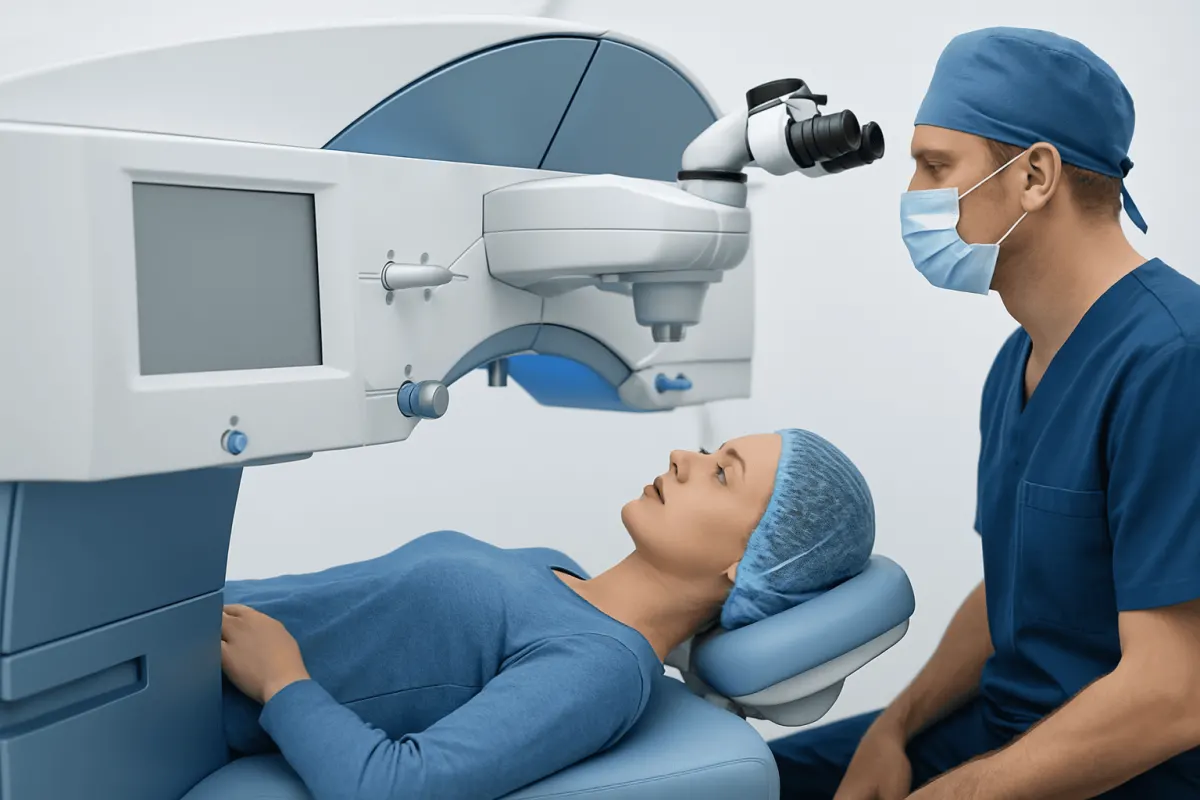
Many people notice mild to moderate symptoms in the first days or weeks after treatment. These are often part of the normal healing process and tend to improve gradually. The most common issue is dry eye, because laser procedures can temporarily affect corneal nerves that help regulate tear production.
Other frequent side effects include blurry or fluctuating vision, glare, halos around lights, starbursts at night, and sensitivity to light. Night vision symptoms may be more noticeable during the early recovery period, especially in dim conditions. Some patients also feel mild discomfort, burning, tearing, or the sensation that something is in the eye, particularly after surface procedures such as PRK.
Common temporary side effects may include:
- Dryness or irritation
- Light sensitivity
- Glare, halos, or starbursts
- Fluctuating vision during healing
- Mild discomfort or foreign-body sensation
- Redness of the eye
These symptoms are usually managed with lubricating drops, prescribed medications, and time. Recovery patterns vary by procedure. For example, LASIK often allows faster visual recovery, while PRK may involve a longer healing period and more discomfort in the first few days.
Possible Complications and Longer-Term Concerns

Serious complications are less common, but they are important to understand before surgery. Infection and inflammation can occur after any eye procedure and need timely medical attention. If not treated promptly, they may affect vision. Problems related to corneal healing can also occur, particularly if post-operative instructions are not followed carefully.
With LASIK, flap-related issues are a specific concern because the procedure involves creating a thin flap in the cornea. The flap can rarely shift, wrinkle, or heal imperfectly. In some cases, patients may also have an undercorrection or overcorrection, meaning the intended visual result is not fully achieved. This can sometimes be addressed with glasses, contact lenses, or an enhancement procedure if the eye is suitable.
A less common but more serious complication is corneal ectasia, in which the cornea becomes progressively weaker and changes shape after surgery. This can lead to worsening vision and may require specialized treatment. Patients with undiagnosed corneal thinning disorders, including keratoconus, may be at higher risk, which is why pre-operative corneal screening is so important.
Other possible concerns include persistent dry eye symptoms, epithelial ingrowth after LASIK, corneal haze after PRK, and ongoing visual disturbances. In rare situations, a patient may not achieve the degree of spectacle independence they expected. A careful discussion with an ophthalmologist helps place these risks in context and aligns treatment with individual eye anatomy and lifestyle needs.
Who Has a Higher Risk?
Laser eye surgery is not equally suitable for everyone. The risk of side effects or complications may be higher in people with thin or irregular corneas, unstable vision, severe dry eye, large pupils, or certain pre-existing eye diseases. A history of eye injury, previous eye surgery, or significant allergies affecting the eyes can also influence safety and recovery.
General health matters too. Autoimmune diseases, poorly controlled diabetes, pregnancy-related vision changes, and medications that affect healing or tear production may make a person a less suitable candidate or may delay surgery. Individuals with chronic eye surface disease may need treatment before considering vision correction.
Some conditions may point patients toward alternatives rather than a standard laser procedure. For example, if the cornea is not ideal for LASIK, another refractive approach may be considered. In selected cases, people may benefit more from no-touch laser treatment or smart lenses instead of a flap-based procedure. The safest plan depends on a detailed, individualized evaluation rather than patient preference alone.
How Doctors Evaluate and Diagnose Risk Before Surgery
The best way to reduce laser eye surgery risks is careful screening before the procedure. A comprehensive ophthalmic assessment usually includes a refraction test, measurement of corneal thickness, corneal topography or tomography, pupil size evaluation, tear film assessment, and a detailed review of eye and medical history. These tests help identify whether the cornea is healthy enough for laser reshaping and whether the eye surface can support good healing.
Doctors also assess visual expectations, occupation, hobbies, and night-driving needs. This matters because even when surgery is technically successful, some patients may be more bothered by temporary glare or subtle visual effects than others. Honest discussion before surgery helps patients understand the benefits, limitations, and realistic outcomes.
If there are signs of dry eye, irregular corneal shape, cataract, retinal disease, or another eye problem, these issues may need treatment first or may make another option more appropriate. In some patients, symptoms that seem related to refractive error may actually involve another condition such as cataract, which needs a different approach to care.
How Side Effects and Complications Are Managed
Most common side effects are managed with supportive care. Lubricating eye drops are often used for dryness and irritation. Anti-inflammatory or antibiotic drops may be prescribed for a limited time after surgery to support healing and reduce infection risk. Patients are usually advised to avoid rubbing the eyes, swimming, eye makeup for a period, and environments that may increase irritation.
If vision is blurry or fluctuating early on, doctors may monitor healing over time before deciding whether any further intervention is needed. Temporary night vision symptoms often improve gradually as the cornea stabilizes. In some cases, a change in tear film quality is the main reason for visual fluctuation, and treating dry eye can noticeably improve comfort and clarity.
More significant problems require targeted management. Flap complications may need repositioning. Infection or inflammation needs urgent evaluation and prescription treatment. Corneal ectasia may be treated with measures such as close monitoring, specialized contact lenses, or cross-linking treatment to help strengthen the cornea in appropriate cases. If refractive error remains after healing is complete, some patients may be considered for an enhancement procedure or another corrective option such as laser eye treatment tailored to their condition.
Near the end of the care journey, some international patients seek evaluation and treatment at centers with coordinated ophthalmology services. Acıbadem Health Point’s multidisciplinary specialists and JCI-accredited hospitals diagnose and treat refractive eye conditions for international patients when further assessment or management is needed.
Reducing Risk: Prevention and Self-Care
Prevention starts before surgery. Patients can lower their risk by choosing an experienced ophthalmologist, attending a full pre-operative examination, and being open about medical history, medications, pregnancy status, and contact lens use. Contact lenses may need to be stopped for a period before measurements are taken, because they can temporarily alter corneal shape.
After surgery, following instructions carefully is one of the most important safety steps. Eye drops should be used exactly as prescribed. Protective shields may be recommended while sleeping during the first recovery period, especially after LASIK. Good hand hygiene and avoiding eye rubbing help protect the healing eye.
Helpful self-care measures include:
- Using lubricating drops as advised
- Keeping follow-up appointments
- Avoiding smoky, dusty, or very dry environments when possible
- Wearing sunglasses outdoors if light sensitivity is present
- Reporting unusual pain, sudden vision loss, or increasing redness promptly
Patients should also keep expectations realistic. Laser eye surgery can reduce the need for glasses, but it does not guarantee perfect vision for every person or prevent all age-related eye changes, such as presbyopia later in life.
When to See a Doctor After Surgery
Mild dryness, glare, or blurry vision can be normal in early recovery, but some symptoms should never be ignored. Increasing pain, worsening redness, discharge, marked light sensitivity, or a sudden drop in vision may suggest a complication that needs urgent review. Prompt medical attention can protect healing and improve the chance of a good outcome.
Patients should also contact their eye doctor if symptoms that seemed to improve begin to worsen again, or if one eye feels very different from the other. Persistent dry eye symptoms, ongoing night vision problems, or dissatisfaction with the final result should also be discussed at follow-up visits. In many cases, there are treatment options that can improve comfort or visual quality.
Any concerns after laser eye surgery are worth raising with a qualified ophthalmologist. Early communication is reassuring and can help distinguish normal healing from a problem that needs treatment. Regular post-operative appointments are not just routine; they are an important part of safe care.
Frequently asked questions
01Is laser eye surgery safe?
Laser eye surgery is generally safe for carefully selected patients who have a thorough pre-operative evaluation. However, it still carries risks, including temporary side effects and less common complications. Safety depends greatly on eye anatomy, overall health, the type of procedure, and proper follow-up care.
02What is the most common side effect of laser eye surgery?
Dry eye symptoms are among the most common side effects after laser eye surgery. Patients may notice burning, irritation, fluctuating vision, or a gritty sensation. These symptoms are often temporary and usually improve with lubricating drops and healing time.
03Can laser eye surgery cause permanent vision problems?
Permanent serious vision problems are uncommon, but they can occur in rare cases, especially if a complication develops or an unsuitable candidate undergoes treatment. Careful screening helps reduce this risk. Early treatment of concerning symptoms after surgery is also very important.
04How long do halos and glare last after LASIK or other laser procedures?
Halos, glare, and other night vision symptoms often improve over weeks to months as the eyes heal. The timeline varies depending on the procedure, the individual eye, and the presence of dryness or other healing factors. If these symptoms persist or become bothersome, an ophthalmologist should review them.
05Who should avoid laser eye surgery?
Some people may not be good candidates, including those with unstable vision, thin or irregular corneas, severe dry eye, active eye disease, or certain medical conditions that affect healing. Pregnancy and some medications may also influence timing or suitability. A detailed eye examination is needed to decide safely.
06Can complications be treated if they happen?
Many complications can be managed successfully, especially when they are identified early. Treatment may include eye drops, additional monitoring, flap repositioning, treatment for infection or inflammation, or another corrective procedure. The exact approach depends on the type and severity of the problem.
This article is for general information only and is not a substitute for professional medical advice. Please consult a qualified doctor about your individual situation.
Explore treatments in Turkey — costs, top hospitals & a free quote
JCI-accredited · board-certified surgeons · reply within 24h
Add us as a Preferred Source to see more of our trusted health content across Google Search, AI Overviews and Discover.