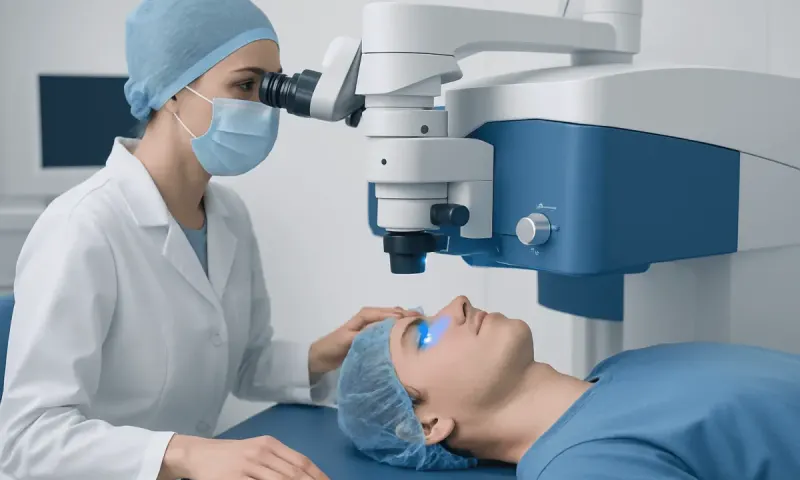
Lazy Eye Surgery for Eye Alignment: Recovery and Risks

Lazy eye surgery most often means surgery for strabismus, a visible eye turn that may occur alongside amblyopia (lazy eye). The procedure adjusts the eye muscles to improve alignment; it does not directly restore reduced vision from amblyopia, which may need separate treatment.
Overview: What Does Lazy Eye Surgery Treat?
Lazy eye surgery is a commonly used term, but it can describe two different eye conditions. Amblyopia, often called lazy eye, is reduced vision in one eye because the brain has not learned to use that eye normally during visual development. Strabismus is an eye misalignment, such as an eye turning inward, outward, upward or downward. These conditions can occur together, but they are not the same.
In most cases, surgery is performed to correct strabismus. The surgeon changes the position or tension of one or more muscles on the outside of the eye so the eyes point more accurately in the same direction. It does not operate on the part of the brain responsible for amblyopia and therefore does not directly cure reduced vision from amblyopia.
For children, early assessment is important because treatment for amblyopia is generally most effective while vision is still developing. Depending on the cause and the person’s age, care may include glasses, patching of the stronger eye, atropine drops, treatment of cataract or other eye disease, and eye muscle surgery when alignment needs correction.
How Eye Muscle Surgery Works and Who May Be a Candidate
Each eye is moved by six extraocular muscles. In strabismus surgery, an ophthalmologist who specializes in eye alignment adjusts selected muscles to rebalance their pull. A muscle may be weakened by moving its attachment farther back on the eye, strengthened by shortening or repositioning it, or adjusted using another established technique. The eye itself is not removed, and the surgery is not performed inside the eyeball.
A person may be considered for surgery when a persistent eye turn affects appearance, binocular vision, daily functioning, head position or comfort. Surgery may also be recommended for double vision caused by an acquired eye misalignment, although assessment is especially important in adults because the underlying cause must first be identified. Some people need surgery after glasses or prism lenses have not provided enough alignment.
The decision is individual. The specialist considers the type and size of the deviation, whether it changes with glasses, the vision in each eye, previous treatments, general health and the person’s goals. Before proceeding, the care team may recommend an up-to-date glasses prescription, treatment for amblyopia, or monitoring to establish whether the deviation is stable.
Eye alignment can be treated at many ages. In children, surgery may support visual development and social confidence when clinically appropriate. In adults, it may improve eye position, reduce bothersome double vision in selected cases, and address the practical effects of a long-standing or newly developed misalignment.
What Happens During Lazy Eye Surgery?

Before surgery, the ophthalmology team measures eye alignment in different directions of gaze and reviews eye health, vision, medications, allergies and anesthesia history. People receive instructions about eating and drinking before anesthesia, regular medicines and arranging transport home. The surgical plan identifies which eye muscles are likely to need adjustment.
During the procedure, the surgeon makes a small incision in the conjunctiva, the clear membrane covering the white of the eye. The selected muscle is carefully accessed and repositioned or altered according to the planned correction. Dissolving stitches are commonly used. The operation may involve one eye or both eyes, even when only one eye appears to turn, because balancing muscles in both eyes can sometimes give the most accurate result.
Children usually receive general anesthesia and are fully asleep. Adults may receive general anesthesia as well, or in some settings a combination of local anesthesia and sedation may be considered. The anesthesia approach is chosen according to the person’s needs, the planned surgery and local clinical practice.
Strabismus surgery is usually an outpatient procedure, meaning patients return home the same day after recovery from anesthesia. The operation time varies with the number of muscles treated and the surgical technique. Families should expect additional time for admission, anesthesia preparation and postoperative observation. For people seeking strabismus surgery, a detailed preoperative consultation clarifies the individual plan.
Recovery Timeline, Comfort and Daily Activities
Immediately after surgery, the eye may look red and feel sore, itchy, watery or as though there is sand in it. Mild eyelid swelling and temporary blurred vision are also common. These effects usually improve progressively, although redness can remain noticeable for several weeks while the surface tissues heal.
During the first few days, patients should use prescribed drops or ointment as directed, avoid rubbing the eye and follow the surgeon’s instructions on bathing and activity. A clinician may recommend avoiding swimming, hot tubs and dusty environments for a period of time to reduce irritation and infection risk. School, desk work and many normal light activities can often resume relatively soon, but timing should be confirmed with the surgeon.
Some patients experience temporary double vision while the brain adapts to the new eye position. This is particularly relevant for adults and may settle over days or weeks. Driving should be avoided until vision is clear, comfortable and safe, and until the treating clinician agrees that it is appropriate.
Follow-up visits allow the surgeon to check healing, eye movement and alignment. Glasses may still be needed after surgery, and children with amblyopia may need ongoing treatment to encourage use of the weaker eye. Surgery corrects muscle alignment but does not replace the need for continued vision care.
Benefits, Limits and Possible Risks
The main potential benefit of eye muscle surgery is improved eye alignment. This may improve the way the eyes work together in some patients, reduce an abnormal head turn, expand the field of single vision in selected cases and improve the cosmetic appearance of the eyes. For children, better alignment may also support the overall plan for healthy visual development.
Results cannot be predicted with complete certainty. The eye turn may be undercorrected or overcorrected, and alignment can change over time as a child grows or as an adult’s condition evolves. Some people need glasses, prism lenses, further nonsurgical care or an additional operation. A surgical discussion should include the realistic goals for vision, alignment and symptoms.
Risks are uncommon but can include infection, bleeding, scarring, persistent redness, pain, a change in eyelid position, new or continuing double vision, and the need for further surgery. Serious complications affecting vision are rare, but any new significant loss of vision requires urgent assessment. Anesthesia also carries risks, which are reviewed by the anesthesia team before the procedure.
The safest approach is individualized assessment by an experienced ophthalmologist. Questions about expected alignment, the possibility of repeat surgery, postoperative medicines and restrictions should be discussed before the operation so patients and families can make an informed decision.
When to Seek Medical Care
An eye that suddenly turns, new double vision, drooping of an eyelid, severe eye pain, sudden vision change, severe headache, weakness, facial drooping or difficulty speaking needs urgent medical evaluation. In adults, a newly developed eye misalignment can occasionally be related to a neurological, vascular, thyroid-related or other medical condition and should not be assumed to be a long-standing lazy eye.
Parents or caregivers should arrange an eye assessment if a child’s eye appears to wander consistently, the child squints or closes one eye, tilts the head often, has difficulty with visual tasks, or has a family history of strabismus or childhood eye disease. Very young children may not be able to describe blurred or double vision, so observation is important.
After surgery, patients should contact their surgical team promptly for increasing pain, worsening redness or swelling, pus-like discharge, fever, a marked reduction in vision, persistent vomiting after anesthesia, or symptoms that do not improve as expected. The team can distinguish normal healing from signs that need treatment.
Acıbadem Health Point’s multidisciplinary specialists and JCI-accredited hospitals assess and treat eye alignment concerns for international patients, with care plans based on each person’s eye examination and clinical needs.
Common Questions About Recovery and Anesthesia
How long does it take to recover from lazy eye surgery? Many people feel well enough for gentle routine activities within several days, while surface redness and irritation may take a few weeks to settle. Full recovery varies according to age, the number of muscles treated, healing response and the need to adapt to a new alignment. The surgeon’s follow-up advice should guide return to sports, swimming, driving and work.
Can you watch TV after lazy eye surgery? Watching television is usually possible when the patient feels comfortable, although the eye may tire easily or vision may be temporarily blurred. Short periods with breaks are often more comfortable at first. If television causes significant pain, headache or troublesome double vision, the patient should rest and contact the care team if symptoms persist.
How painful is lazy eye surgery? Pain is usually mild to moderate and is often described as soreness, burning, scratchiness or a foreign-body sensation rather than severe pain. Prescribed or clinician-approved pain relief and eye medicines can help. Severe or increasing pain is not expected and should be reported promptly.
Do you get put to sleep for lazy eye surgery? Children are generally given general anesthesia, so they are asleep throughout the procedure. Many adults also have general anesthesia, while some may be candidates for local anesthesia with sedation depending on the surgery and their health. The anesthesia plan is discussed in advance with the anesthesia and surgical teams.
Frequently asked questions
01Is lazy eye surgery the same as amblyopia treatment?
Not usually. Lazy eye surgery generally means surgery to align the eyes when strabismus is present. Amblyopia is reduced vision caused by abnormal visual development and may require glasses, patching, drops or treatment of an underlying eye problem.
02Can strabismus surgery improve vision?
The main aim is to improve eye alignment. It may improve binocular function or reduce double vision in some people, but it does not reliably restore vision reduced by established amblyopia. The expected visual benefit depends on the cause of the eye turn and vision in each eye.
03Will the eye be completely straight after surgery?
Many patients achieve a meaningful improvement in alignment, but exact results vary. Small residual deviations can occur, and alignment may change over time. Some people need further treatment or, less commonly, another operation.
04How long does it take to recover from lazy eye surgery?
Gentle daily activities are often possible within a few days, depending on comfort and the surgeon’s advice. Redness, tearing and a scratchy sensation may continue for several weeks. Restrictions on swimming, sports and driving vary, so individual postoperative instructions are important.
05Can you watch TV after lazy eye surgery?
Most people can watch TV when comfortable, usually in short sessions initially. Temporary blur, light sensitivity or eye fatigue may make breaks helpful. The patient should stop and rest if symptoms become uncomfortable.
06How painful is lazy eye surgery?
Discomfort after surgery is typically mild to moderate and commonly feels like irritation, soreness or grittiness. The surgical team provides advice on suitable pain relief and eye drops. Severe or worsening pain should be assessed promptly.
07Do you get put to sleep for lazy eye surgery?
Children are typically asleep under general anesthesia for eye muscle surgery. Adults may also receive general anesthesia, though local anesthesia with sedation may be an option in selected circumstances. The safest plan is decided by the anesthesia and ophthalmology teams.
This article is for general information only and is not a substitute for professional medical advice. Please consult a qualified doctor about your individual situation.
Explore treatments in Turkey — costs, top hospitals & a free quote
JCI-accredited · board-certified surgeons · reply within 24h
Add us as a Preferred Source to see more of our trusted health content across Google Search, AI Overviews and Discover.