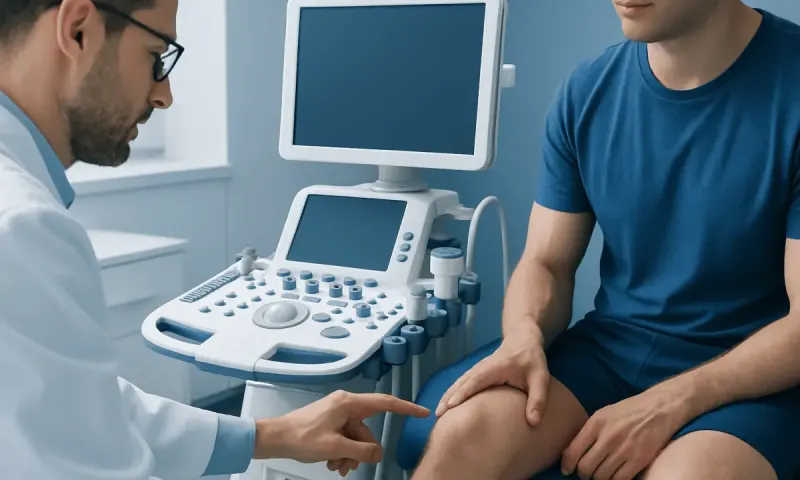
Labral Tear: Symptoms, Causes and Treatment

Key Takeaways
- The labrum helps deepen and stabilize the hip or shoulder joint.
- Pain, catching, clicking, stiffness, and weakness are common symptoms, but they can vary by joint and activity.
- Diagnosis usually combines a physical exam with imaging, such as X-rays and MRI, when needed.
- Treatment may include activity changes, physical therapy, pain relief measures, injections, or arthroscopic repair in selected cases.
- Recovery is often gradual and depends on the joint involved, the size of the tear, and how quickly care begins.
A labral tear is an injury to the ring of cartilage that helps stabilize a joint, most commonly the hip or shoulder. Many people can manage symptoms with careful rehabilitation, while others may need imaging, specialist evaluation, or surgery to restore function.
Overview
A labral tear involves the labrum, a band of tough cartilage that lines the rim of certain joints and helps keep the joint surfaces aligned. The hip and shoulder are the two places where this injury is discussed most often, because both joints rely on the labrum for stability and smooth movement.
For some people, the first clue is not a dramatic injury but a quiet change: a hip that feels pinchy when bending, or a shoulder that clicks during overhead movement. Others notice symptoms after sports, a fall, repetitive lifting, or a sudden twist. Because the labrum is part of a complex joint system, the symptoms can overlap with tendon, muscle, or arthritis problems, which is why a careful orthopedic assessment matters.
When a person is considering care in another country, clarity helps. A well-planned evaluation can show whether the problem is truly a labral tear, whether it is stable or mechanically significant, and whether nonsurgical treatment is reasonable before any procedure is discussed.
Symptoms
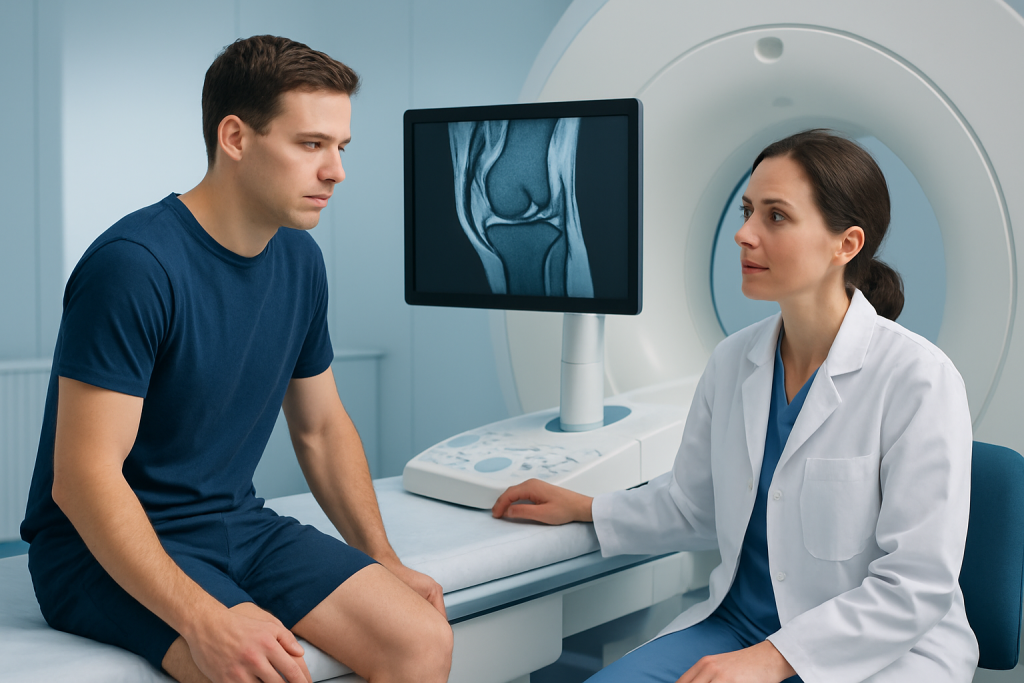
Symptoms depend on which joint is involved and how large or unstable the tear may be. Some tears cause only mild discomfort, while others make everyday activities feel unreliable or restricted.
In the hip, people often describe groin pain, pain on the outer hip or buttock, stiffness, clicking, locking, or a sense that the joint catches during turning, squatting, or getting in and out of a car. In the shoulder, the symptoms may include pain with lifting, weakness, a feeling of instability, popping, or pain during throwing, reaching, or pushing movements.
Common symptom patterns can include:
- Pain that worsens with specific motions rather than at rest alone
- Clicking, catching, or a sense of shifting in the joint
- Reduced range of motion or stiffness
- Weakness or fatigue during activity
- A feeling that the joint is not moving smoothly
These symptoms do not automatically mean a labral tear is present. Similar complaints can come from cartilage wear, tendon irritation, impingement, instability, or arthritis, so the full picture is important.
Causes & Risk Factors
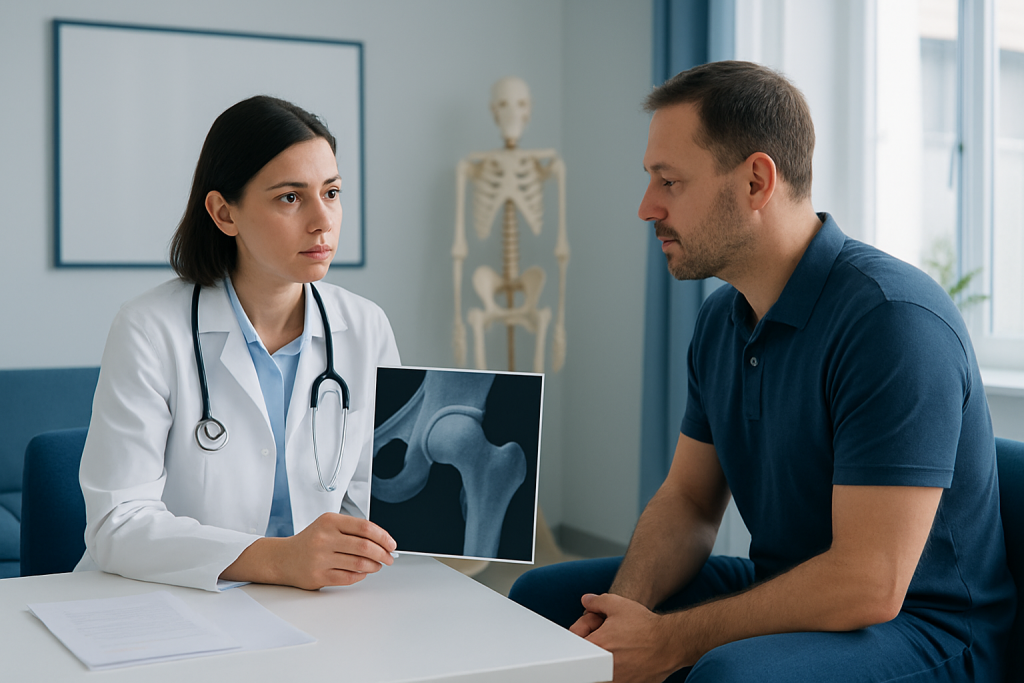
Labral tears can happen after a clear injury, such as a fall, a sports collision, or a forceful twist. They may also develop gradually from repeated stress on the joint. In the hip, shape-related issues such as femoroacetabular impingement can place extra pressure on the labrum over time. In the shoulder, repetitive overhead activity can strain the labrum during throwing, lifting, or work tasks.
Certain factors can make a tear more likely. These include participation in high-demand sports, jobs that involve repetitive reaching or overhead work, joint laxity or instability, prior injury, and age-related wear. In some people, a labral tear appears alongside other joint conditions, which can influence the choice of treatment.
Risk is not only about intensity; it is also about repetition and mechanics. A movement pattern that looks harmless in isolation may become irritating when repeated many times without enough recovery, strength, or mobility around the joint.
Diagnosis
Diagnosis starts with a detailed history and physical examination. A clinician will ask when the pain began, what movements make it worse, whether there was a sports injury or fall, and whether the joint feels unstable, stiff, or mechanically “off.” Exam maneuvers help identify patterns that point toward the hip or shoulder labrum rather than nearby structures.
Imaging is often used to support the diagnosis and rule out other causes. X-rays can show bone shape, joint space narrowing, or signs of arthritis. MRI is commonly used to look at soft tissues, and in some cases a contrast study may improve detail around the labrum. The best test depends on the joint, symptoms, and the questions the doctor needs to answer.
Because labral tears may coexist with other conditions, diagnosis is rarely a single-step process. A thoughtful orthopedic workup can determine whether the tear is the main pain source, whether conservative treatment is reasonable, and whether surgery would likely address the person’s specific problem.
Treatment Options
Treatment is individualized. Some labral tears improve enough with nonoperative care that surgery is not needed, especially when symptoms are mild and joint stability is preserved. In other situations, a tear that keeps catching, causing instability, or limiting function may be better treated with a procedure.
Conservative care often includes temporary activity modification, physical therapy, and pain-relief strategies recommended by a clinician. Therapy usually focuses on improving strength, movement control, and joint mechanics so that surrounding muscles share load more effectively. For some patients, injections may be considered as part of a broader plan, but they do not repair the tear itself.
When surgery is recommended, it is often performed arthroscopically through small incisions. The surgeon may repair the labrum, trim unstable tissue, or address related structural issues such as impingement, depending on the joint and the findings. After surgery, recovery includes guided rehabilitation and a gradual return to daily activity or sport. For international patients, pre-travel planning, imaging review, and post-procedure follow-up are especially important so the treatment pathway remains coordinated after return home.
Prevention & Self-care
Not every labral tear can be prevented, but joint-friendly habits may reduce strain and help protect recovery. The goal is not to avoid movement altogether; it is to keep the joint strong, balanced, and less overloaded by repetitive stress.
Useful self-care habits include:
- Warming up before sports or exercise
- Building hip and shoulder strength with guided exercises
- Improving mobility without forcing painful ranges
- Using good technique for lifting, throwing, and overhead work
- Spacing out intense training and allowing recovery time
- Addressing pain early before compensatory movement patterns develop
During recovery, it helps to follow the rehabilitation plan closely, since rushing back to full activity can prolong symptoms. People traveling for treatment may also need a practical recovery schedule that accounts for flights, sitting time, and follow-up appointments after they return home.
When to See a Doctor
A doctor’s evaluation is sensible when joint pain lasts more than a short period, keeps returning with the same movement, or interferes with sleep, work, sports, or routine tasks. Clicking alone is not always a warning sign, but clicking with pain, catching, weakness, or instability deserves attention.
Medical review is especially important after a fall, dislocation, forceful twist, or sports injury, and when symptoms do not improve with rest and simple self-care. Early assessment can help prevent prolonged irritation and may shorten the path to recovery by matching treatment to the underlying cause.
Anyone with severe pain, a visibly deformed joint, sudden loss of function, fever with joint symptoms, or numbness and weakness should seek prompt medical care. When needed, Acibadem Health Point’s multidisciplinary specialists and JCI-accredited hospitals diagnose and treat labral tears for international patients through coordinated orthopedic and rehabilitation care.
Recovery and Outlook
Recovery depends on the location of the tear, the treatment chosen, and the person’s overall joint health. Some people improve steadily over weeks with therapy and activity changes, while others need a longer rehabilitation period after surgery before they return to heavier exercise or work demands.
The outlook is often better when the diagnosis is precise and the treatment plan matches the joint mechanics rather than just the pain level. Progress is usually measured in function: less catching, more comfortable movement, stronger support from the surrounding muscles, and a safer return to everyday life.
Follow-up matters, particularly for people who have traveled for care. A good plan should cover exercise progression, warning signs that merit review, and how to coordinate imaging or consultation if symptoms change after returning home.
Frequently asked questions
01What is a labral tear in simple terms?
A labral tear is damage to the cartilage ring that helps hold a joint together and guide movement. It is most commonly discussed in the hip and shoulder.
02Can a labral tear heal without surgery?
Some people improve with physical therapy, activity changes, and other conservative treatments. Whether surgery is needed depends on the joint, the size of the tear, and how much the tear affects stability and daily function.
03What does a labral tear feel like?
People often describe pain along with clicking, catching, stiffness, or a sense that the joint is not moving normally. The exact sensation depends on whether the tear is in the hip or shoulder.
04How is a labral tear diagnosed?
Doctors usually begin with a history and physical examination, then use imaging such as X-rays or MRI when needed. These tests help confirm the tear and look for related problems such as impingement or arthritis.
05How long does recovery take?
Recovery varies widely. Mild cases may settle over time with conservative care, while recovery after surgery usually requires a structured rehabilitation program and a gradual return to activity.
06Can someone keep exercising with a labral tear?
Sometimes, yes, but the activity may need to be modified to avoid painful positions or repeated stress on the joint. A clinician or physical therapist can suggest safer options while symptoms are being evaluated.
This article is for general information only and is not a substitute for professional medical advice. Please consult a qualified doctor about your individual situation.
Joint and spine care in Turkey — expert assessment & treatment
JCI-accredited · board-certified surgeons · reply within 24h
Add us as a Preferred Source to see more of our trusted health content across Google Search, AI Overviews and Discover.