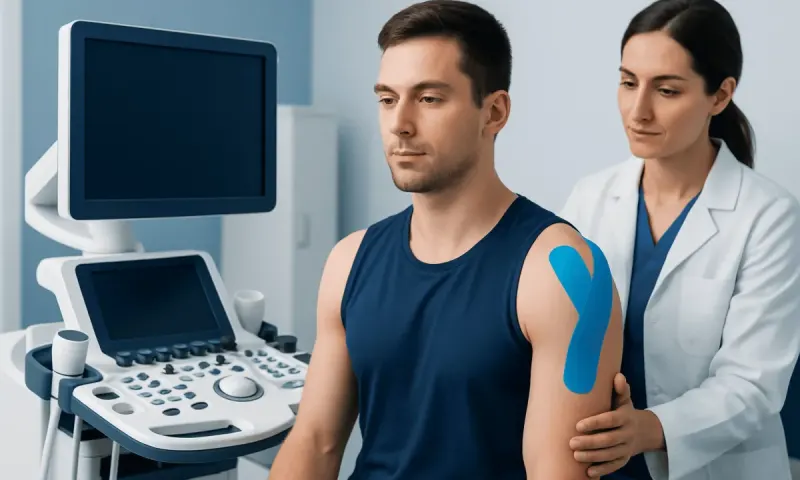
SLAP Tear Shoulder: Symptoms, Causes and Treatment

Key Takeaways
- A SLAP tear affects the upper part of the shoulder labrum and may involve the biceps tendon attachment.
- Symptoms often include deep shoulder pain, clicking, weakness, and discomfort with overhead activity.
- Diagnosis usually combines a physical exam with imaging, and sometimes shoulder arthroscopy is needed for confirmation.
- Treatment ranges from rest and physiotherapy to injections or surgery, depending on symptoms and activity level.
- Recovery is often gradual and benefits from a structured rehabilitation plan and realistic activity modification.
A SLAP tear shoulder is an injury to the top part of the shoulder labrum, often affecting the biceps tendon attachment. It can cause pain, clicking, weakness, and trouble with overhead movement, but many people improve with guided treatment and rehabilitation.
Overview
A SLAP tear shoulder injury involves the superior labrum, the ring of cartilage that helps deepen and stabilize the shoulder socket. “SLAP” stands for superior labrum anterior and posterior, which describes where the tear occurs and how it may extend around the top of the socket.
This type of injury can happen suddenly after a fall or lifting motion, or it can develop over time in people who repeatedly use the shoulder overhead. Athletes who throw, swimmers, manual workers, and people who have had shoulder trauma are often familiar with the pattern of pain, clicking, and reduced confidence in the joint.
Because the shoulder is designed for wide movement rather than deep bony stability, even a small labral injury can feel disruptive. The good news is that not every SLAP tear requires surgery; many people improve with a tailored plan that respects the shoulder’s healing timeline and the person’s daily needs.
Symptoms
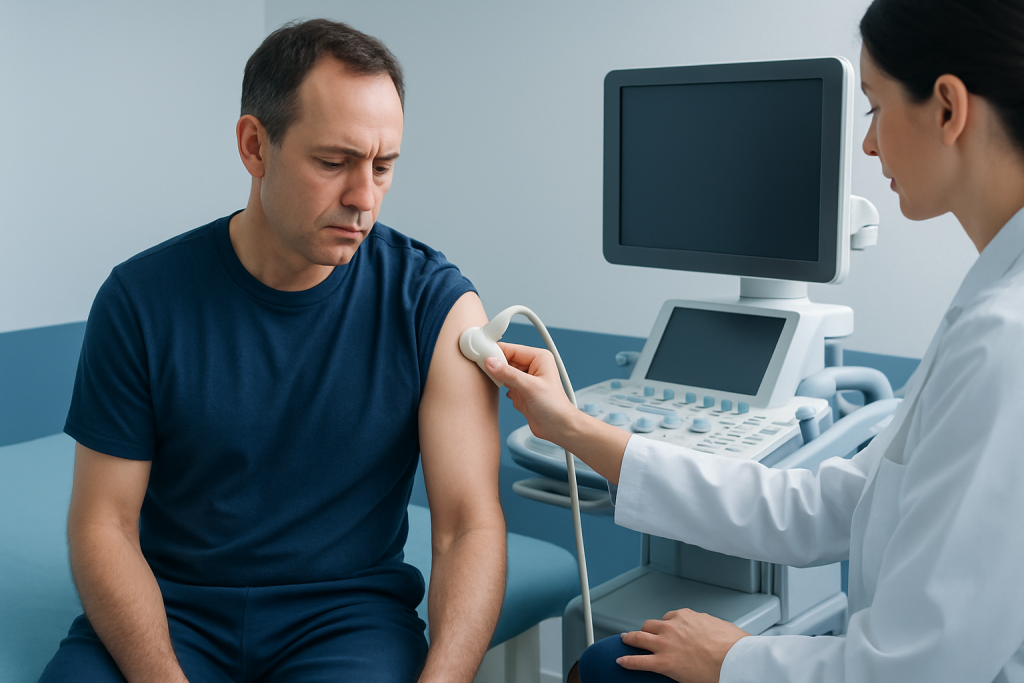
The symptoms of a SLAP tear shoulder can be subtle at first, especially if the injury happened during sport or a routine movement that seemed manageable in the moment. Pain is often felt deep inside the shoulder rather than on the surface, and it may worsen when reaching overhead, throwing, lifting, or placing weight through the arm.
Some people notice clicking, catching, or a sensation that the shoulder is “not quite right.” Others describe weakness, loss of throwing speed or control, pain when lying on the affected side, or discomfort when lifting an object away from the body. In some cases, symptoms appear only during specific movements and can be mistaken for general shoulder strain.
Typical features may include:
- Deep pain in the shoulder, especially with overhead movement
- Clicking, popping, or catching sensations
- Weakness or reduced endurance during activity
- Pain during sports such as throwing or serving
- Discomfort when sleeping on the affected shoulder
Symptoms vary widely. Some people have a clear injury event, while others discover the problem after months of persistent soreness that does not settle as expected.
Causes & Risk Factors
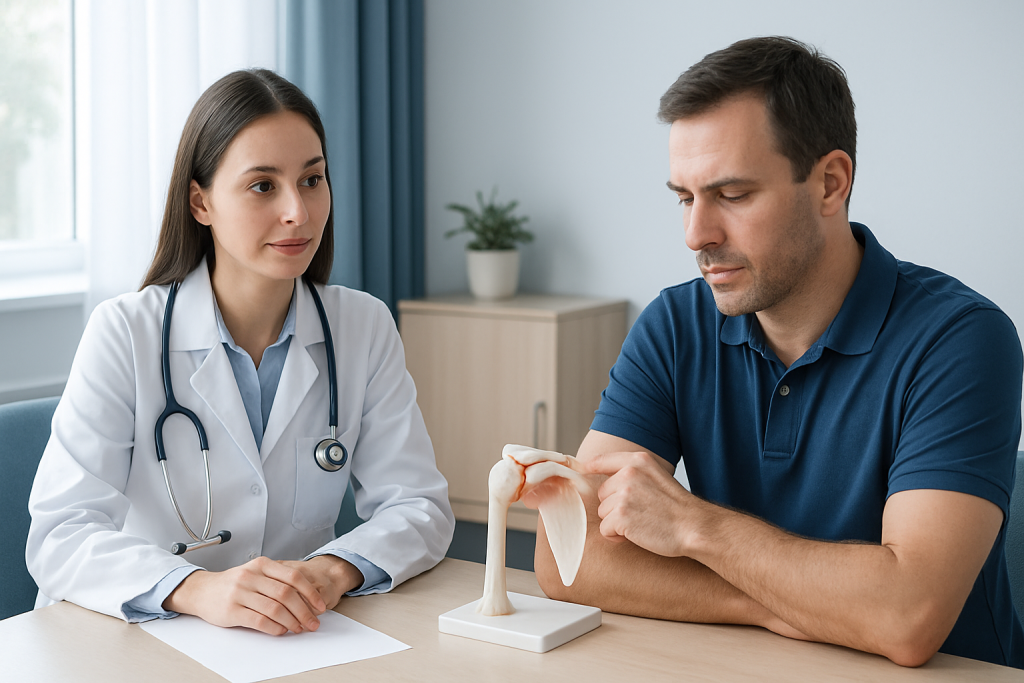
A SLAP tear may occur when the shoulder is forced into a strong pulling, twisting, or overhead position. A fall onto an outstretched arm, sudden traction on the arm, or a forceful throw can stress the top of the labrum and the biceps tendon attachment.
Repetitive overhead activity is another common pathway. The shoulder can tolerate a great deal, but repeated motion may gradually irritate the labrum, especially in people whose sport or occupation demands forceful rotation, reaching, or rapid deceleration of the arm.
Risk factors often include:
- Throwing sports, racquet sports, swimming, or gymnastics
- Repeated overhead work or lifting
- Direct trauma from a fall or collision
- Prior shoulder instability or earlier shoulder injury
- Age-related changes in the labrum, which may make tissue more vulnerable
Not every labral tear is the result of a dramatic incident. In some adults, imaging may show tearing along with other shoulder changes, and the doctor’s task is to determine whether the tear truly matches the person’s pain and function problems.
Diagnosis
Diagnosis begins with a detailed history of how the pain started, which movements trigger it, and whether there has been a previous injury, surgery, or long period of repetitive overhead activity. The doctor will also assess range of motion, strength, and specific shoulder tests that may suggest labral or biceps tendon involvement.
Imaging is often part of the evaluation, but it is not always straightforward. Standard X-rays cannot show the labrum directly, yet they may help rule out other causes of shoulder pain. An MRI, sometimes with contrast, can improve visualization of the labrum and nearby structures, although imaging findings must still be interpreted alongside the physical examination.
In some situations, the diagnosis remains uncertain until shoulder arthroscopy is performed. This is a minimally invasive procedure that allows the surgeon to look directly inside the joint. For international patients, this may mean planning care in stages: evaluation, imaging review, and treatment decisions that can be coordinated before travel or during a short stay.
Treatment Options
Treatment depends on the type of tear, the person’s age, activity level, and how much the injury affects daily life. For many people, the first step is non-surgical care aimed at calming irritation and restoring shoulder mechanics. This usually includes activity modification, physiotherapy, and exercises that improve shoulder blade control, rotator cuff strength, and movement quality.
Pain relief may be recommended to make rehabilitation more comfortable, and in selected cases a doctor may consider an injection to reduce inflammation or help clarify the source of pain. These approaches are used thoughtfully, because the goal is not only to reduce symptoms but also to help the shoulder move in a more balanced way.
Surgery may be discussed when symptoms continue despite conservative care, when the tear is clearly unstable, or when the shoulder demands are high enough that non-surgical treatment has not restored function. Arthroscopic repair or other procedures may be used depending on the exact tear pattern, tissue quality, and whether the biceps tendon also needs treatment.
Recovery after surgery is typically gradual and guided by rehabilitation milestones rather than a fixed calendar. People usually progress from protected movement to strengthening and then to sport- or work-specific training. The process can be particularly important for patients traveling from another country, because follow-up planning, home exercises, and coordination with local physiotherapy help protect the result after they return home.
Prevention & Self-care
Not every SLAP tear can be prevented, especially if it follows a fall or other sudden injury. Still, shoulder-friendly habits can lower strain and support recovery. The most useful strategy is often to respect pain signals early, rather than pushing through repeated symptoms that suggest the shoulder is overloaded.
For active people, good mechanics matter. Warm-up routines, rotator cuff and scapular strengthening, gradual increases in throwing or overhead workloads, and attention to technique can all reduce stress on the shoulder. Workers who lift or reach frequently may benefit from ergonomic adjustments, task rotation, and planned breaks.
Self-care measures commonly include:
- Temporarily avoiding painful overhead lifting or throwing
- Using ice or heat if advised by a clinician
- Following a prescribed home exercise program consistently
- Maintaining posture and shoulder blade control during daily tasks
- Returning to sport or work only when strength and motion have improved
Sleep positioning can also help. Some people find it easier to rest with support under the arm or by avoiding pressure on the painful shoulder while inflammation settles.
When to See a Doctor
A doctor’s assessment is sensible when shoulder pain lasts more than a short period, keeps returning, or limits sport, work, dressing, or sleep. Persistent clicking, catching, weakness, or a feeling of instability deserves evaluation, especially if the symptoms began after a fall or forceful arm movement.
Medical review is also important if the pain is severe, the shoulder looks deformed, there is marked loss of motion, or numbness and tingling accompany the injury. These symptoms do not always mean a SLAP tear, but they do suggest the shoulder should be examined rather than watched indefinitely.
For people deciding whether to seek care abroad, it helps to bring prior imaging, a list of treatments already tried, and a clear description of the activities that trigger symptoms. Acibadem Health Point’s multidisciplinary specialists and JCI-accredited hospitals can diagnose and treat this condition for international patients, with care planning that supports both treatment and follow-up.
Most importantly, shoulder problems are often more manageable when addressed before compensation patterns develop. Early evaluation can clarify whether the issue is truly a SLAP tear or another cause of shoulder pain that needs a different approach.
Frequently asked questions
01What is a SLAP tear in the shoulder?
A SLAP tear is an injury to the top part of the shoulder labrum, the cartilage rim that helps stabilize the joint. The tear may also involve the attachment point of the biceps tendon. It can cause deep pain, clicking, and weakness, especially with overhead movement.
02Can a SLAP tear heal without surgery?
Many people improve without surgery, especially when symptoms are managed early and rehabilitation is well structured. Rest, activity changes, and physiotherapy can reduce pain and improve function. The best approach depends on the tear pattern, age, and activity demands.
03How is a SLAP tear diagnosed?
Doctors usually start with a physical examination and a discussion of symptoms and injury history. Imaging such as MRI may help, but the labrum is not always easy to see clearly. In some cases, shoulder arthroscopy is needed for a direct look at the joint.
04What activities make SLAP tear pain worse?
Overhead lifting, throwing, serving, reaching, and pulling motions often increase symptoms. Lying on the affected shoulder may also be uncomfortable. Pain patterns vary, so a doctor or physiotherapist may help identify the main triggers.
05How long does recovery take?
Recovery time varies depending on whether treatment is non-surgical or surgical and how consistently rehabilitation is followed. Some people improve over weeks to months with conservative care, while surgical recovery is usually more gradual. A clinician can give a more realistic timeline based on the individual case.
06Is a SLAP tear the same as a rotator cuff tear?
No, they affect different structures. A SLAP tear involves the labrum at the top of the shoulder socket, while a rotator cuff tear involves one or more of the tendons that move and stabilize the shoulder. The two problems can sometimes occur together, which is why careful assessment matters.
This article is for general information only and is not a substitute for professional medical advice. Please consult a qualified doctor about your individual situation.
Joint and spine care in Turkey — expert assessment & treatment
JCI-accredited · board-certified surgeons · reply within 24h
Add us as a Preferred Source to see more of our trusted health content across Google Search, AI Overviews and Discover.