Keratitis: Symptoms, Causes and Treatment

Key Takeaways
- Keratitis affects the cornea and may be caused by infection, injury, contact lenses, or dry eye-related irritation.
- Common symptoms include eye pain, redness, light sensitivity, blurred vision, and tearing or discharge.
- A doctor usually diagnoses keratitis with an eye exam and may use special stains or cultures to identify the cause.
- Treatment depends on the cause and may include prescription drops, stopping contact lens use, or treating an underlying condition.
- Prompt medical attention is important when vision changes, severe pain, or a white spot on the cornea appears.
Keratitis is inflammation of the cornea, the clear front surface of the eye, and it can range from mild irritation to a serious eye problem that needs prompt care. Understanding the symptoms, causes, and treatment options helps patients protect their vision and seek help at the right time.
Overview
Keratitis is inflammation of the cornea, the clear dome-shaped surface that helps focus light entering the eye. When the cornea becomes inflamed, the eye may feel irritated and vision can become cloudy, hazy, or uncomfortable.
The condition is not one single disease. It is a label used for several different problems, including infections, surface injuries, dryness, and immune-related inflammation. Because the cornea is so important to vision, even a small area of irritation can affect how a person sees and feels.
For international patients, keratitis can be especially disruptive because symptoms may begin during travel, after contact lens use in a different climate, or after a minor eye injury that is not initially taken seriously. A careful eye examination is the safest way to find out whether the problem is simple irritation or something that needs targeted treatment.
Symptoms

Keratitis often announces itself quickly. Many people notice that one eye becomes red, painful, or unusually sensitive to light. Others first experience blurred vision or the feeling that something is stuck in the eye.
Symptoms can vary depending on the cause. Infectious keratitis may lead to tearing, discharge, or a visible white spot on the cornea. Noninfectious keratitis may cause dryness, burning, or discomfort that worsens with wind, smoke, or prolonged screen use.
- Eye pain or soreness
- Redness
- Light sensitivity
- Blurred or reduced vision
- Tearing or discharge
- Foreign body sensation
- Difficulty keeping the eye open
Some symptoms may feel mild at first, but the cornea can worsen relatively quickly. Any eye pain with vision changes deserves attention, especially if the person wears contact lenses or has had recent eye trauma.
Causes & Risk Factors

Keratitis develops when the cornea is irritated or damaged. Infections are a common cause and may involve bacteria, viruses, fungi, or parasites. Herpes simplex virus, for example, can cause recurrent inflammation of the cornea, while contact lens-related infections can occur when lenses are worn too long or not cleaned properly.
Not all keratitis is infectious. Dry eye disease, eyelid inflammation, allergic eye disease, exposure to bright light, chemical irritation, and minor scratches can all make the cornea inflamed. In some people, autoimmune conditions may also contribute to corneal inflammation.
Several factors raise the likelihood of keratitis, including contact lens wear, sleeping in lenses, poor lens hygiene, eye injury, eye surgery, reduced tear production, and weakened immunity. Travelers may be exposed to unfamiliar water sources, dust, or environmental conditions that increase irritation or contamination risk.
Diagnosis
Doctors usually diagnose keratitis through a detailed eye history and examination. They will ask about contact lens use, recent injury, symptom timing, and whether the eye has been exposed to water, chemicals, or an infected person.
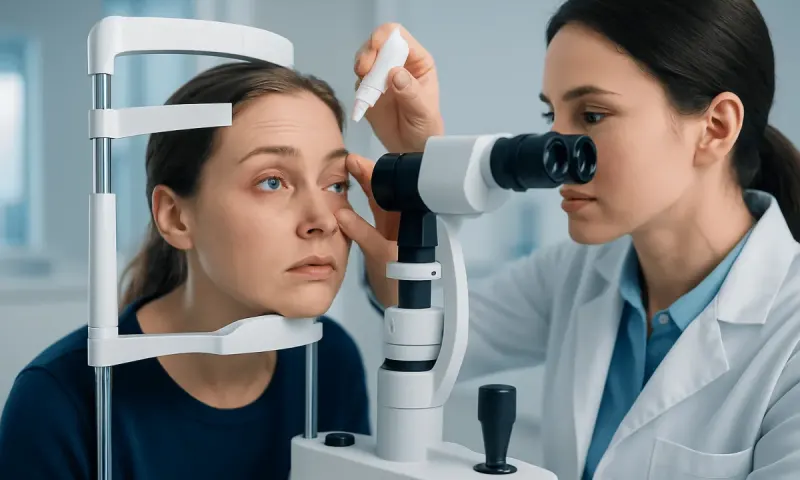
An eye specialist may examine the cornea with a slit lamp, which provides a magnified view of the front of the eye. A dye called fluorescein may be placed on the eye to highlight scratches, ulcers, or areas where the cornea is damaged.
If infection is suspected, the doctor may collect a sample from the cornea or eyelid for testing. This helps identify the organism and guide treatment. In more complex cases, additional tests may be needed to check tear function, look for an underlying immune condition, or assess the depth of corneal involvement.
Treatment Options
Treatment depends on the cause, severity, and whether the cornea is infected. The main goal is to control inflammation, treat the underlying trigger, and protect the cornea from scarring that can interfere with vision.
Infectious keratitis may require prescription antibiotic, antiviral, antifungal, or antiparasitic eye drops or oral medicines, depending on the organism involved. Noninfectious keratitis may be managed with lubricating drops, stopping contact lens wear, reducing exposure to irritants, or using anti-inflammatory medicines under close medical supervision.
In some cases, doctors may prescribe a protective patch, recommend frequent follow-up visits, or treat associated problems such as dry eye or eyelid disease. If a corneal ulcer or severe scarring develops, more advanced procedures may be considered, including specialist corneal care. Treatment is individualized, so patients should not reuse leftover drops or start steroid eye drops without medical advice.
Prevention & Self-care
Prevention starts with simple habits that protect the cornea. Contact lens users should clean and store lenses exactly as directed, avoid sleeping in lenses unless specifically approved, and never rinse lenses with tap water or use them in a hot tub or swimming pool.
People with dry eyes can help the surface of the eye by using doctor-recommended lubricating drops, taking breaks during long screen sessions, and protecting eyes from wind or dry air. Sunglasses may reduce irritation from light and environmental exposure, while protective eyewear can lower the chance of injury during work or sports.
Self-care should remain cautious. If keratitis is suspected, the person should stop contact lens use, avoid rubbing the eye, and seek an eye examination rather than trying to manage persistent redness or pain at home. Good follow-up is especially important for patients who are traveling, since treatment plans may need to be monitored across time zones and different care settings.
When to See a Doctor
Medical care should be sought promptly if eye pain is accompanied by blurred vision, marked redness, light sensitivity, discharge, or a visible white spot on the cornea. These can be signs of corneal inflammation that may need same-day assessment.
Anyone who wears contact lenses and develops eye redness or pain should be evaluated quickly, because lens-related keratitis can progress faster than simple irritation. The same is true after an eye injury, exposure to chemicals, or foreign body exposure.
If symptoms do not improve within a short time, or if they keep returning, an eye specialist can help identify the cause and prevent repeat episodes. For international patients, Acibadem Health Point offers access to multidisciplinary specialists and JCI-accredited hospitals for diagnosis and treatment, with coordinated care for those who need follow-up after returning home.
Frequently asked questions
01Is keratitis the same as conjunctivitis?
No. Keratitis affects the cornea, while conjunctivitis affects the conjunctiva, the thin tissue covering the white of the eye. Keratitis is often more likely to affect vision and may cause more pain or light sensitivity. An eye exam helps tell the difference.
02Can contact lenses cause keratitis?
Yes. Contact lens wear is one of the most common risk factors, especially if lenses are worn overnight, cleaned poorly, or exposed to water. People with contact lens-related symptoms should stop wearing their lenses and seek an eye examination promptly.
03Does keratitis always mean an infection?
No. Keratitis can be infectious or noninfectious. Dry eye, injury, allergies, chemical exposure, and immune-related conditions can also inflame the cornea.
04Can keratitis affect vision permanently?
It can, especially if treatment is delayed or if the inflammation leads to corneal scarring. Many cases improve well when treated early, which is why prompt evaluation is important.
05How is infectious keratitis treated?
Treatment depends on the organism causing the infection and may include prescription eye drops or other medicines. A doctor may also monitor the eye closely to make sure the cornea is healing as expected.
06What should someone do if symptoms start while traveling?
They should stop contact lens use, avoid rubbing the eye, and arrange an eye examination as soon as possible. If vision is changing or pain is significant, they should not wait until they return home.
This article is for general information only and is not a substitute for professional medical advice. Please consult a qualified doctor about your individual situation.
Explore treatments in Turkey — costs, top hospitals & a free quote
JCI-accredited · board-certified surgeons · reply within 24h
Add us as a Preferred Source to see more of our trusted health content across Google Search, AI Overviews and Discover.