Corneal Inflammation (Keratitis): Symptoms, Causes and Treatment

Key Takeaways
- Keratitis is inflammation of the cornea and may be caused by infection, injury, dryness, or immune-related conditions.
- Common symptoms include eye pain, redness, light sensitivity, tearing, blurred vision, and a feeling that something is in the eye.
- Contact lens wear, eye trauma, poor lens hygiene, and certain infections can increase the risk.
- Diagnosis usually includes a detailed eye exam and, when needed, tests to identify infection or corneal damage.
- Prompt treatment helps protect vision and may include prescription drops, stopping contact lens use, or addressing the underlying cause.
Corneal inflammation, or keratitis, is a condition that affects the clear front surface of the eye and can range from mild irritation to a serious eye problem. Early evaluation matters because the cause may be infectious or noninfectious, and treatment depends on identifying it correctly.
Overview
The cornea is the clear, dome-shaped front window of the eye. When it becomes inflamed, the condition is called keratitis. Some people notice only mild discomfort at first, while others develop pain, tearing, and blurred vision that make everyday tasks difficult.
Keratitis is not one single disease. It is a clinical term that covers several different problems, including infections, minor injuries, contact lens-related irritation, dry eye disease, and autoimmune conditions. Because the cornea plays a central role in focusing vision, even a small area of inflammation can affect how clearly a person sees.
For international patients, keratitis can be especially frustrating because symptoms may start while traveling, after a long flight, or soon after arriving in a new climate. The good news is that most cases improve when the cause is identified early and the cornea is protected from further stress.
Symptoms
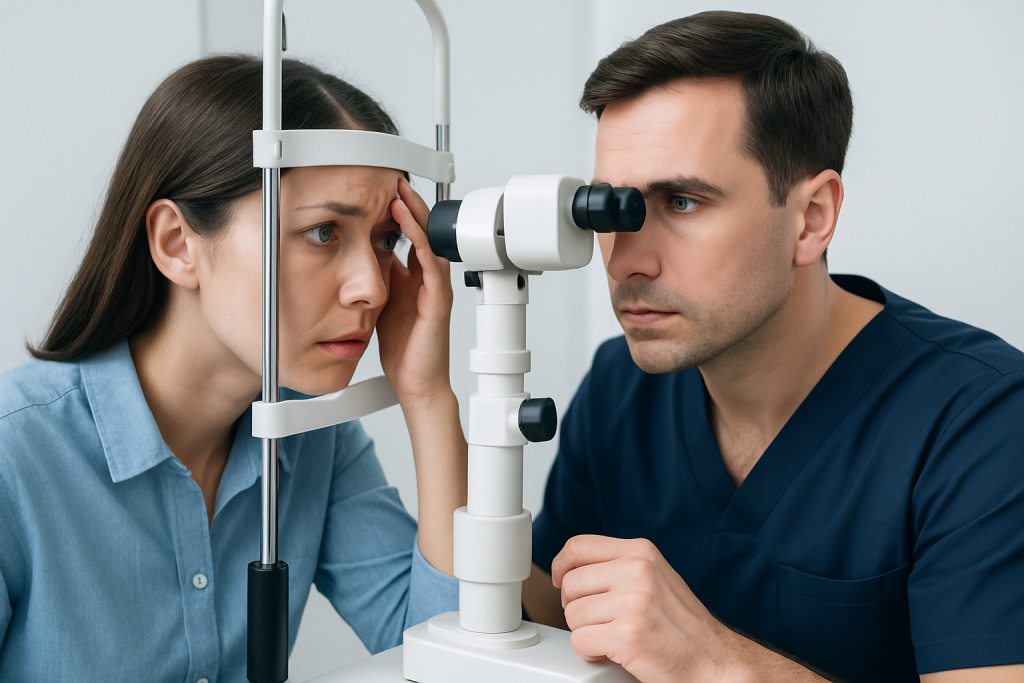
Keratitis often announces itself in a way that feels hard to ignore. A person may notice a red eye that is tender to touch, sensitivity to light, or the sense that there is sand or an eyelash trapped in the eye. Tearing is common, and the eye may water repeatedly as it tries to protect its surface.
Vision changes can range from mild blurring to a more noticeable drop in clarity. Some people also report discharge, eyelid swelling, or difficulty keeping the eye open in bright environments. When the cornea is affected by infection, symptoms may progress more quickly and feel more intense.
Warning signs can vary depending on the cause, but any combination of pain, redness, light sensitivity, and reduced vision deserves prompt attention. A scratched cornea, a contact lens complication, or a corneal ulcer can look similar at first, which is one reason professional evaluation is so important.
Causes & Risk Factors

Keratitis may be infectious or noninfectious. Infectious keratitis can be caused by bacteria, viruses such as herpes simplex, fungi, or parasites such as Acanthamoeba. Noninfectious keratitis may develop after an eye injury, from severe dryness, exposure to ultraviolet light, or irritation linked to autoimmune disease.
Contact lens use is one of the most important risk factors, especially when lenses are worn too long, cleaned incorrectly, or used while swimming or sleeping unless specifically approved by an eye specialist. Tiny scratches, a foreign body in the eye, or rubbing the eyes after contamination can also give germs a way in.
Other factors may include reduced tear production, a weakened immune system, previous eye surgery, and certain skin or eyelid conditions that interfere with the eye’s surface. Travelers should also be cautious with water exposure, dusty environments, and changing routines that may lead to lens misuse.
Diagnosis
Diagnosis begins with a careful history and a detailed eye examination. An eye specialist will ask about symptom timing, contact lens habits, recent injuries, exposure to water or soil, and any past episodes of eye disease. This context often helps narrow down whether the cornea is inflamed because of infection, dryness, trauma, or another trigger.
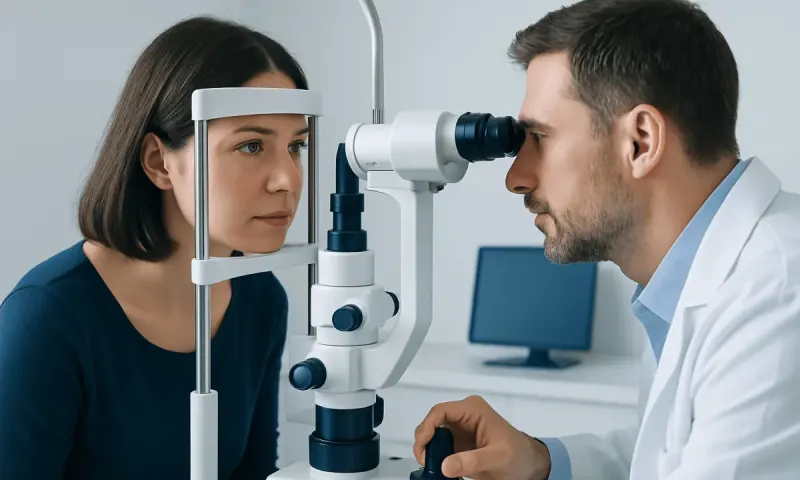
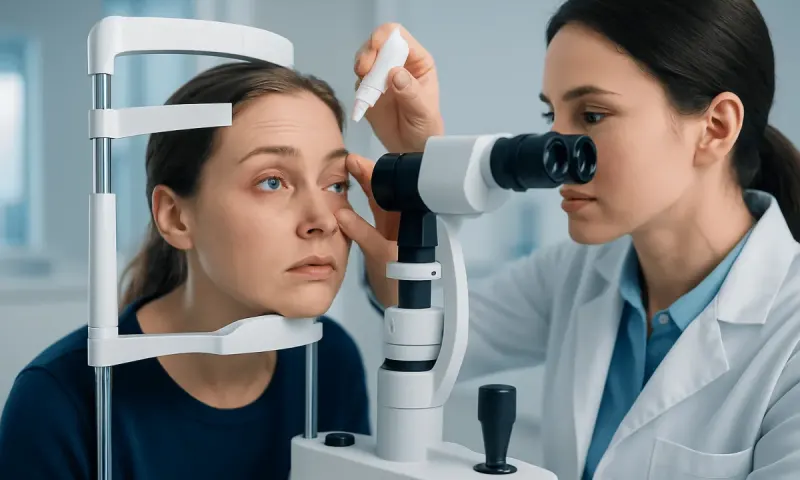
During the exam, the doctor may use a slit lamp to look closely at the cornea and surrounding structures. Fluorescein dye can highlight scratches, ulcers, or areas where the surface is damaged. If infection is suspected, a corneal scraping or swab may be taken for laboratory testing to identify the organism and guide treatment.
In more complex cases, especially when symptoms are severe or vision is threatened, additional tests may be needed to determine how deeply the cornea is involved. This step is important because Contact Lenses, or Surgery Make Sense" class="ahp-ilk">treatment choices differ greatly between a simple surface irritation and an active corneal infection.
Treatment Options
Treatment depends entirely on the underlying cause. Bacterial keratitis is often treated with prescription antibiotic eye drops, while viral keratitis may require antiviral medicine. Fungal or parasitic infections need targeted therapy, and these cases can take longer to resolve. Noninfectious keratitis may be managed with lubricating drops, anti-inflammatory treatment, or measures that remove the source of irritation.
In many situations, contact lenses must be stopped until the eye has fully healed. If a lens is the suspected trigger, the lenses, case, and cleaning solutions may need to be replaced rather than reused. People should never place leftover antibiotic or steroid eye drops in the eye without medical advice, because the wrong treatment can worsen certain infections.
Severe keratitis may require closer follow-up, corneal specialist care, or hospital-based treatment if the eye is not improving as expected. If scarring, thinning, or a corneal ulcer develops, additional procedures may be needed. For some international patients, coordinated care can be especially helpful when treatment must be continued after returning home, so follow-up planning matters as much as the first prescription.
Prevention & Self-care
Good eye hygiene is the most practical way to reduce risk. Contact lens users should wash and dry their hands before handling lenses, replace lens cases regularly, avoid rinsing lenses with tap water, and remove lenses if the eyes feel irritated. It is also wise to follow the wearing schedule recommended by an eye care professional, rather than stretching use beyond the intended time.
Protecting the cornea from dryness and irritation can make a meaningful difference. Lubricating drops may help some people, especially in dry climates, during long flights, or in air-conditioned environments. Sunglasses can reduce light sensitivity and shield the eyes from wind and debris, while protective eyewear is useful during sports, work, or travel activities that raise the risk of injury.
Self-care should stay supportive rather than experimental. Avoid rubbing the eye, do not share eye makeup or contact lens supplies, and do not use over-the-counter redness relievers as a substitute for medical evaluation if pain or blurred vision is present. People with recurring symptoms should ask whether an underlying condition such as dry eye, blepharitis, or herpes eye disease needs long-term management.
When to See a Doctor
Any eye pain that comes with redness, light sensitivity, tearing, or blurred vision should be assessed by a qualified eye specialist, especially if the person wears contact lenses or has had a recent eye injury. Symptoms that worsen over hours or do not improve quickly are particularly important to review.
Urgent evaluation is recommended if vision is reduced, the eye becomes very sensitive to light, discharge increases, or the cornea appears cloudy or white. These findings may point to a corneal ulcer or a more serious infection that benefits from rapid treatment.
For patients traveling abroad, it helps to seek care early rather than waiting for symptoms to settle on their own. A focused eye exam can prevent small problems from becoming lasting corneal damage, and it can also clarify what follow-up is needed after returning home. At Acibadem Health Point, multidisciplinary specialists and JCI-accredited hospitals diagnose and treat keratitis for international patients in a coordinated way.
Living With Recovery and Follow-up
Recovery can be straightforward in mild cases, but healing time depends on the cause and on how quickly treatment began. Follow-up appointments are important because the cornea may look better before it has fully recovered. A doctor may want to confirm that inflammation is settling, the surface is healing, and vision is returning as expected.
Patients who were treated away from home may need a clear written plan that explains which drops to continue, which activities to avoid, and what symptoms should trigger a return visit. This is especially useful when different eye specialists will be involved across countries, since treatment continuity helps prevent gaps in care.
Even after symptoms improve, it is sensible to remain alert for recurrence. Repeated redness, pain, or light sensitivity may signal an underlying condition that should be managed more proactively. With proper diagnosis and steady follow-up, many people recover well and protect their long-term vision.
Frequently asked questions
01Is keratitis the same as a corneal infection?
Not always. Keratitis means inflammation of the cornea, and infection is only one possible cause. The cornea can also become inflamed from dryness, injury, contact lens irritation, or autoimmune disease.
02Can keratitis improve on its own?
Some mild irritation may settle, but true keratitis should not be assumed to heal without evaluation. Because the condition can affect vision and may be infectious, it is safer to have an eye specialist determine the cause.
03Are contact lenses a common cause of keratitis?
Yes, contact lenses are a well-known risk factor, especially when hygiene is poor or lenses are worn too long. Sleeping in lenses, rinsing them with tap water, or swimming while wearing them can increase the chance of corneal inflammation or infection.
04What tests are used to diagnose keratitis?
A doctor usually starts with a slit-lamp eye exam and may use dye to highlight corneal damage. If infection is suspected, a corneal sample may be taken for laboratory testing to help identify the cause.
05Can keratitis affect vision permanently?
It can, if the cornea is severely infected, scarred, or treated late. Many people recover well when the condition is recognized early and managed appropriately, which is why prompt care matters.
06What should someone do if symptoms start while traveling?
They should stop wearing contact lenses and arrange an eye evaluation as soon as possible. Carrying a record of lens use, medications, and any recent injury can help the clinician make a faster diagnosis.
This article is for general information only and is not a substitute for professional medical advice. Please consult a qualified doctor about your individual situation.
Persistent digestive symptoms? Get evaluated in Turkey
JCI-accredited · board-certified surgeons · reply within 24h
Add us as a Preferred Source to see more of our trusted health content across Google Search, AI Overviews and Discover.