Is the Second Dose of Colonoscopy Prep Easier?
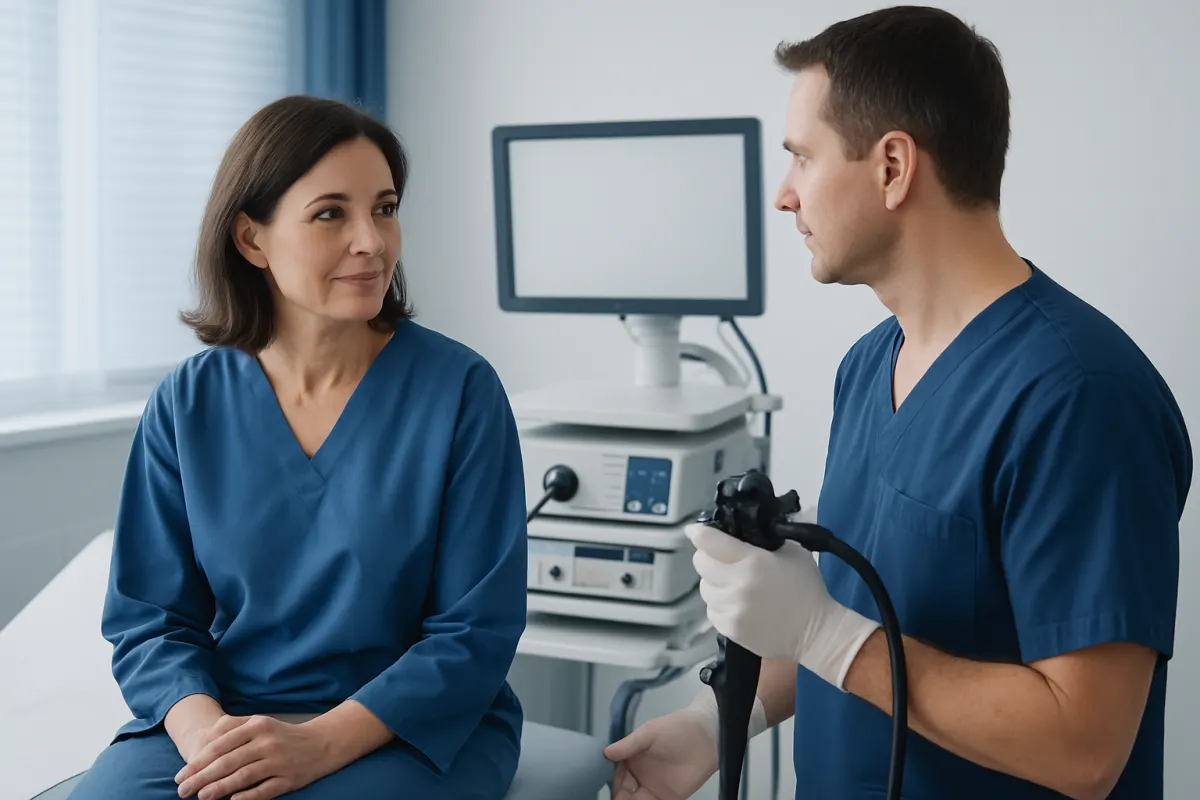
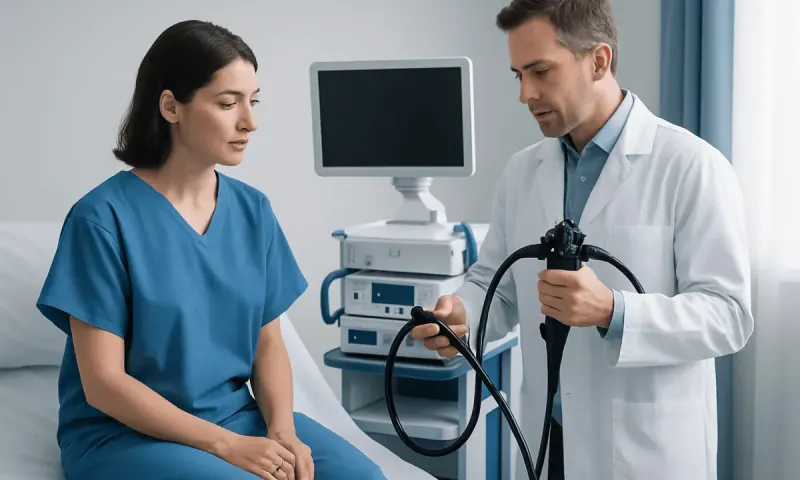
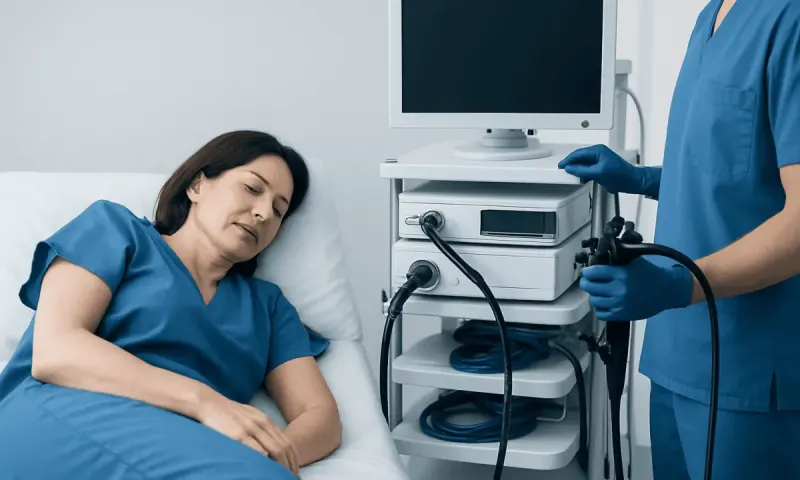
The second dose of colonoscopy prep may feel easier for some people because there is less stool left to clear, but experiences vary. It is still an important part of split-dose preparation and should be taken exactly as instructed by the endoscopy team.
Is the Second Dose of Colonoscopy Prep Easier?
For many people, the second dose of colonoscopy prep is easier than the first, but this is not true for everyone. By the time the second dose is taken, much of the bowel has already emptied, so there may be less fullness and less stool to pass. However, the second dose can still cause frequent, urgent watery bowel movements and may bring nausea, bloating, chills, or mild abdominal cramping.
Whether the second dose of colonoscopy prep is as bad as the first depends on the person, the type and volume of preparation prescribed, food intake before the preparation, and individual sensitivity to the taste or ingredients. The main goal is not comfort alone: both doses help provide a clean view of the colon, which supports an accurate and safe examination.
A colonoscopy is used to investigate symptoms, screen for colorectal cancer, and remove or assess certain growths. Good preparation matters because residual stool or liquid can obscure the lining of the bowel. If the instructions are difficult to follow, patients should contact their endoscopy service before changing the schedule or leaving out a dose.
Why Split-Dose Preparation Is Used
Split-dose preparation means that part of the bowel-cleansing medicine is taken the evening before the colonoscopy and the remaining part is taken several hours before the appointment. This timing is widely used because the colon can begin to collect fluid and stool again overnight after an evening-only preparation.
The second dose clears material that may have moved into the colon since the first dose. This often produces a cleaner bowel than taking the entire preparation solution the day before. A clean colon helps the doctor inspect the lining carefully and may reduce the chance that the procedure needs to be repeated because the view was inadequate.
Different products have different instructions. Some preparations involve a larger volume of liquid, while others use a smaller amount of preparation solution followed by substantial amounts of clear fluids. Patients should use the exact schedule provided by their clinician, including guidance on when to stop drinking clear liquids before sedation or anesthesia.
Preparation instructions can also differ for people with kidney disease, heart failure, diabetes, constipation, swallowing problems, or certain medication needs. These individuals should make sure the prescribing team knows their medical history well before the procedure.
What to Expect From the Second Dose
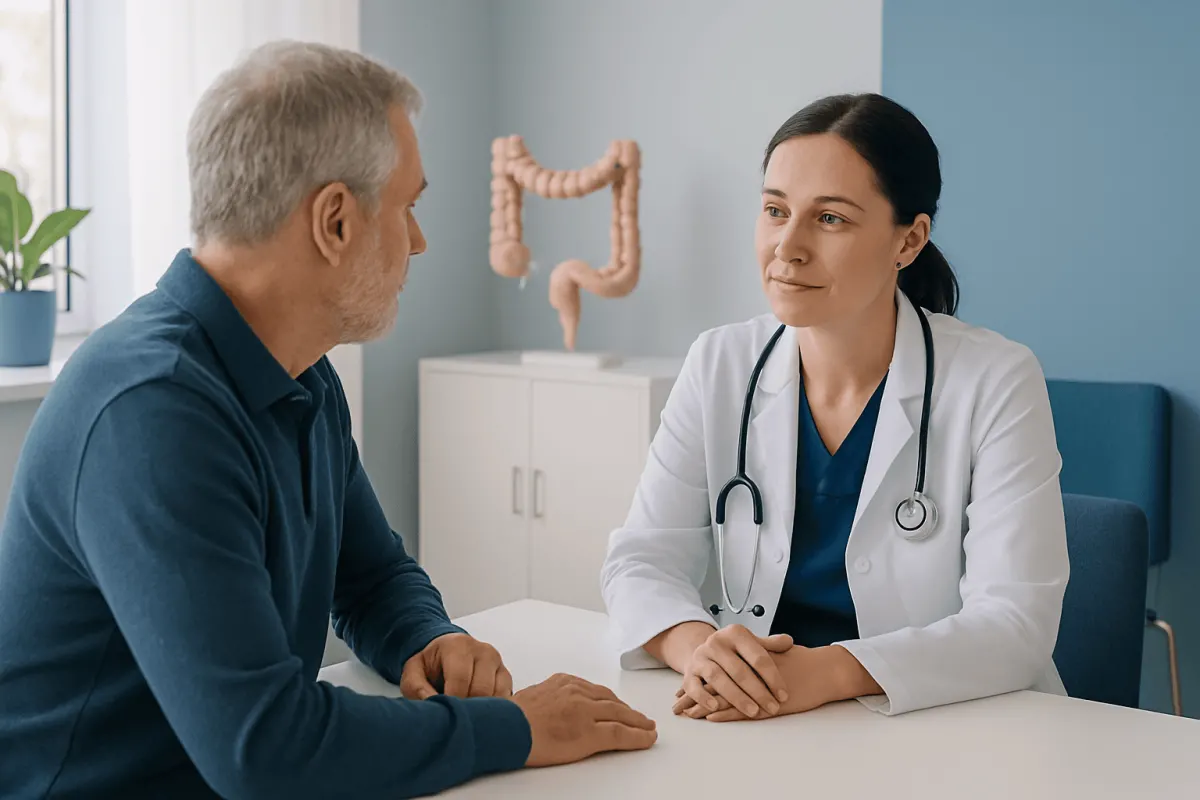
After starting the second dose of colonoscopy prep, bowel movements commonly begin within a few hours and may happen sooner in some people. The result should gradually become watery, yellow, or clear with little or no solid material. The timing varies, so it is sensible to stay near a toilet once the dose has been started.
Some people ask whether the second dose of Suprep works faster. It may seem faster because the first dose has already started emptying the bowel, but it does not work at the same speed for every patient. The preparation should not be judged only by how quickly bowel movements start; completing the prescribed liquid intake is also important for effective cleansing and hydration.
Mild nausea, temporary abdominal fullness, burping, and cramps can occur. Taking the solution slowly as directed, chilling it if permitted, using an approved flavoring approach if the care team allows it, and sipping clear fluids between portions may improve tolerance. Patients should avoid adding unapproved ingredients or mixing the medicine in ways that differ from the product instructions.
The bowel output near the end of preparation is often clear or pale yellow liquid. If it remains thick, brown, or contains solid material close to the instructed finishing time, the endoscopy team should be contacted for advice rather than assuming the examination can proceed as planned.
Is the First or Second Dose of Suprep Worse?
There is no universal answer to whether the first or second dose of Suprep is worse. The first dose can feel harder because it begins the bowel-cleansing process and may be taken after a day of dietary restriction. It can also feel challenging if a person is anxious about what to expect or finds the taste unpleasant.
For others, the second dose feels more difficult because it is often taken very early in the morning and can interrupt sleep. Fatigue, hunger, and repeated trips to the bathroom may make this part of the process feel burdensome even if the physical effects are milder.
Suprep is a prescription bowel preparation that must be used according to the clinician’s instructions and the medication guide. It is especially important not to assume that a smaller amount of stool means the remaining dose can be skipped. The second dose of Suprep is necessary for most people on a split-dose plan because it helps clean the colon close to the time of the examination.
If a person has previously had severe nausea, vomiting, inadequate cleansing, or difficulty completing preparation, the doctor may be able to recommend a different regimen for a future colonoscopy. This decision should be individualized and made before the preparation begins.
Timing the Second Dose Safely
Patients should take the second dose at the time stated in their written instructions. It is common to ask, “Can I take second dose of Suprep early?” In general, changing the timing without medical advice is not recommended. Taking it much earlier may allow the bowel to accumulate new fluid or stool before the colonoscopy.
The correct start time depends on the appointment time, the specific preparation medicine, and the anesthesia or sedation policy at the facility. Many plans are arranged so that the second dose is finished several hours before the procedure, with all clear liquids stopped by the deadline given by the care team. This protects preparation quality while also reducing aspiration risk during sedation.
People who have an early-morning colonoscopy may need to wake during the night or early morning for the second dose. Although inconvenient, this approach is often used because bowel cleansing is generally better when the final portion is taken closer to the examination.
If the second dose is delayed, partially vomited, accidentally taken at the wrong time, or difficult to complete, patients should call the endoscopy unit or the on-call number supplied in their instructions. They should not take extra medicine, skip liquids, or make up a dose without professional guidance.
Making Colonoscopy Prep More Tolerable
Preparation days can be made more manageable with practical planning. Patients may wish to remain at home, wear comfortable clothing, keep reading material or a charged phone nearby, and use soft toilet paper or protective skin ointment around the anus to reduce irritation from frequent bowel movements.
Following the prescribed low-fiber or restricted diet in the days before the procedure can also make the cleansing process easier. On the clear-liquid day, permitted fluids may include water, clear broth, plain tea or coffee without milk, clear juices without pulp, and gelatin in approved colors. The endoscopy team should be asked which products are suitable, as red, purple, and sometimes blue coloring may need to be avoided.
Maintaining fluid intake is important unless a clinician has instructed otherwise. Clear fluids help replace what is lost through diarrhea and can reduce headache, dizziness, and weakness. Alcohol is not appropriate during bowel preparation, and patients should follow individualized advice about diabetes medicines, blood thinners, iron supplements, and other regular treatments.
Individuals undergoing evaluation for bowel symptoms or colorectal screening can learn more about the procedure through colonoscopy assessment and preparation. For persistent digestive concerns, a gastroenterologist can help determine whether colonoscopy or another evaluation is appropriate.
When to Seek Medical Care
Patients should contact their endoscopy team promptly if they cannot keep the preparation or clear liquids down, have repeated vomiting, develop severe or worsening abdominal pain, feel faint, become confused, or have very little urine output. These symptoms can indicate dehydration or another problem that needs individual assessment.
Urgent medical care is appropriate for chest pain, trouble breathing, loss of consciousness, swelling of the face or throat, or signs of a serious allergic reaction. Anyone with severe weakness or concerning symptoms should not drive themselves to seek help.
It is also important to call the procedure center if the stool is not becoming mostly clear liquid, if the full preparation cannot be completed, or if there is uncertainty about medication or fasting instructions. The team can advise whether the colonoscopy can still proceed or whether the plan needs to change.
Acıbadem Health Point’s multidisciplinary specialists and JCI-accredited hospitals support international patients who need diagnostic assessment and digestive care, including colonoscopy when clinically indicated.
Frequently asked questions
01Is the second dose of colonoscopy prep easier than the first?
Many people feel that it is easier because the first dose has already cleared much of the bowel. However, the second dose can still cause urgency, loose stools, nausea, bloating, and sleep disruption. Individual experiences vary, and both doses should be completed as prescribed.
02Is the second dose of Suprep necessary?
For most people prescribed a split-dose Suprep regimen, the second dose is necessary to achieve a clean colon close to the procedure time. Skipping it can leave stool or fluid behind and limit the doctor's view. Only the prescribing clinician should advise a different plan.
03Does the second dose of Suprep work faster?
It may appear to work faster because the first dose has already started emptying the bowel. The onset of bowel movements still varies between individuals. Patients should follow the full fluid instructions even if bowel movements begin quickly.
04Can I take my second dose of Suprep early?
It is best not to take it early without asking the endoscopy team. The timing is planned to keep the colon clean while meeting safe fasting requirements before sedation. If the schedule is difficult, the procedure center can provide individualized guidance.
05What should bowel movements look like before a colonoscopy?
Near the end of the preparation, output is commonly watery and clear or pale yellow, with little or no solid material. It may not be completely colorless. If it remains brown, thick, or contains solid stool, patients should contact the endoscopy service.
06What if I vomit after taking colonoscopy preparation?
A small amount of nausea can be common, but repeated vomiting or inability to keep down the preparation and clear fluids should be reported promptly. The care team can advise on the next step based on the timing, the product used, and the planned procedure. Severe pain, fainting, or signs of dehydration need urgent medical assessment.
This article is for general information only and is not a substitute for professional medical advice. Please consult a qualified doctor about your individual situation.
Persistent digestive symptoms? Get evaluated in Turkey
JCI-accredited · board-certified surgeons · reply within 24h
Add us as a Preferred Source to see more of our trusted health content across Google Search, AI Overviews and Discover.