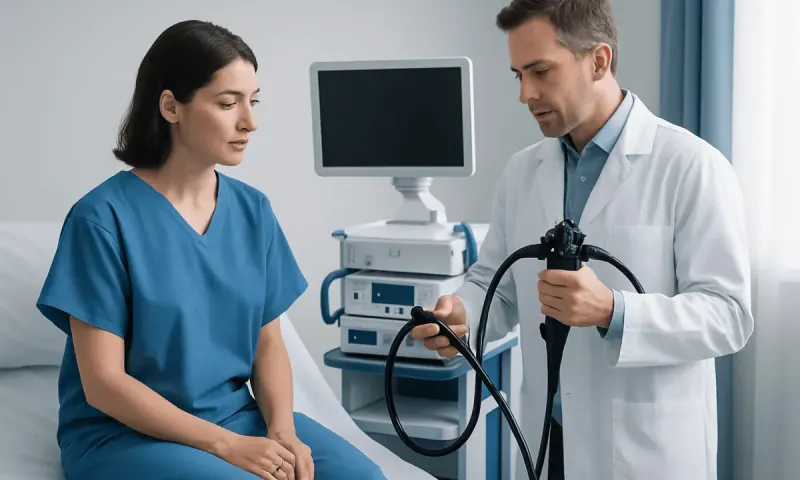
Colonoscopy Bowel Prep: Choosing the Best Option
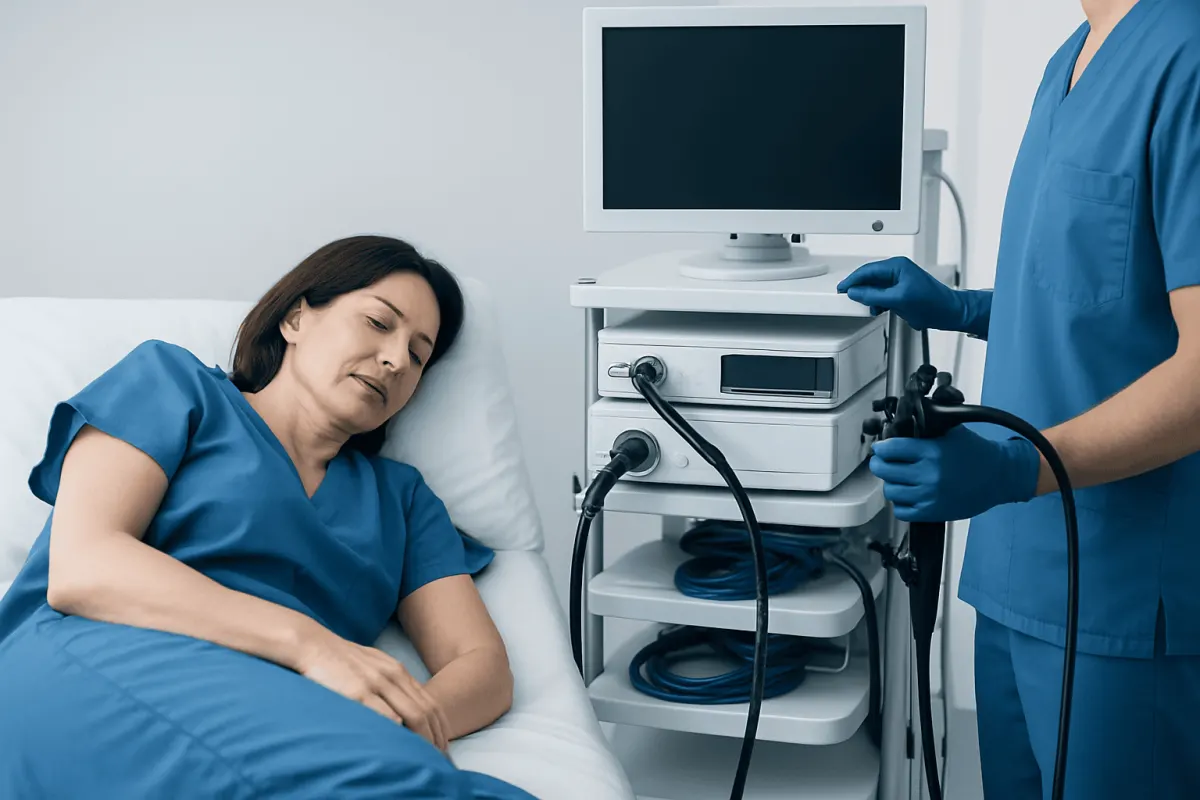
The best bowel prep for colonoscopy is the one that cleans the bowel effectively while fitting the person’s kidney function, heart health, medicines, constipation history, and ability to drink the required fluid. For many people, a split-dose polyethylene glycol (PEG)-based preparation is a reliable, commonly preferred option, but the endoscopy team should select the product and schedule.
Overview: choosing the best bowel prep for colonoscopy
For people searching for the bowel preps for colonoscopy best option, there is no single product that is best for everyone. The most suitable bowel prep is one that fully clears stool from the colon, can be completed as instructed, and is safe for the person’s health conditions and regular medicines. A clinician or endoscopy team should recommend the specific preparation rather than relying on a friend’s experience or an over-the-counter choice.
Bowel preparation uses a special laxative solution, often combined with a temporary low-fiber diet and clear liquids. It causes frequent, loose bowel movements so the lining of the large bowel can be examined clearly. Inadequate cleansing may make it harder to find small polyps or other abnormalities and can sometimes mean that the procedure needs to be repeated.
Most modern bowel prep choices are taken in a split dose: one portion the evening before and the remaining portion several hours before the colonoscopy. This approach commonly produces better cleansing than taking the full preparation the previous day. The exact timing matters, especially if sedation or anesthesia is planned, so patients should follow their center’s written instructions precisely.
Bowel prep for colonoscopy: what to expect
Preparation usually begins several days before the examination with practical adjustments such as stopping certain high-fiber foods, seeds, nuts, or iron supplements if instructed. The day before colonoscopy often involves a clear-liquid diet. Permitted liquids vary by center but may include water, clear broth, tea or coffee without milk, clear juice without pulp, and gelatin that is not red or purple.
After the laxative solution is started, bowel movements become frequent and watery. Cramping, bloating, nausea, chills, and tiredness can occur, but these symptoms are often temporary. Staying close to a toilet, using soft toilet paper or unscented wipes, and applying a protective barrier cream around the anus can improve comfort.
Hydration is an important part of bowel prep for colonoscopy. Patients should drink the allowed clear fluids specified in their plan, because diarrhea can cause fluid loss. They should avoid alcohol and should not consume solid food, dairy products, or colored drinks that their endoscopy team has advised against. The final stool should typically be watery and pale yellow or clear; if it remains brown or contains solid material, the patient should contact the endoscopy unit for guidance.
Which colonoscopy prep is the safest?
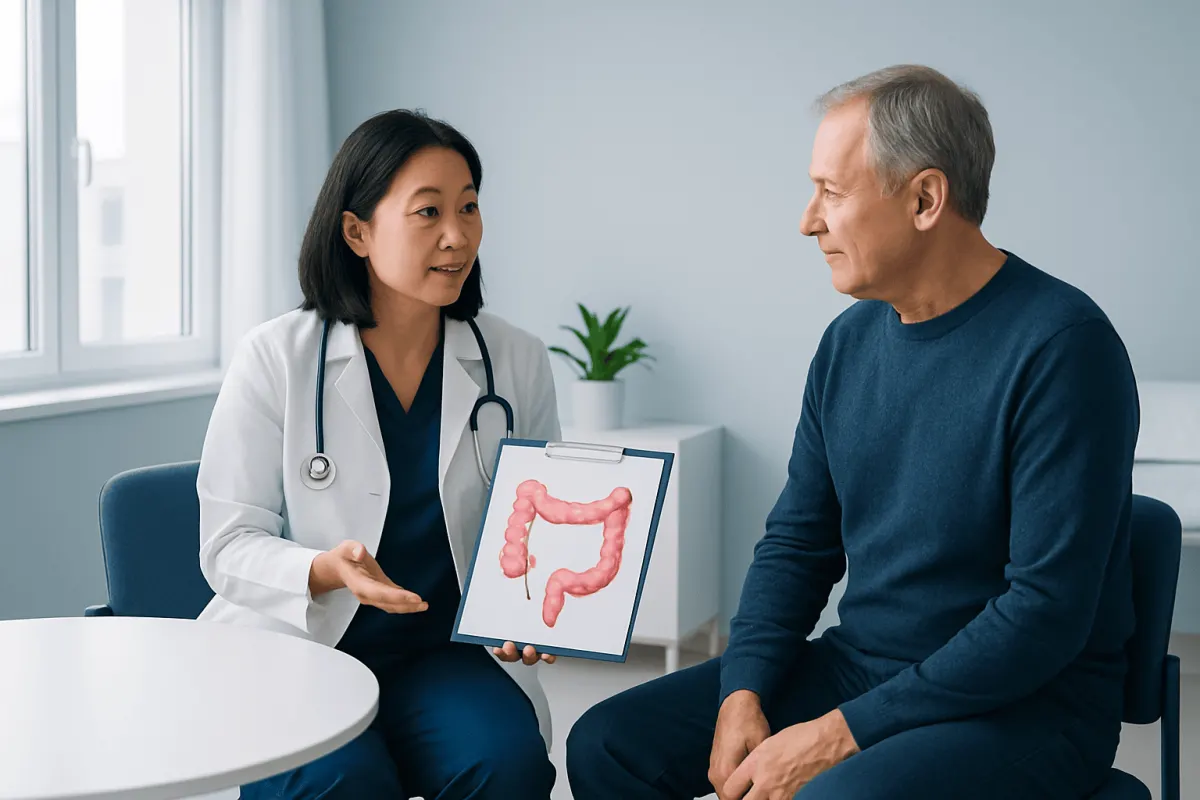
The safest colonoscopy prep is the one selected for the individual after considering medical history, recent blood tests when needed, and current medicines. Polyethylene glycol, often called PEG, is a large-volume solution that works mainly by passing fluid through the bowel with relatively limited shifts in body salts. For this reason, PEG-based regimens are commonly used for people who may be more vulnerable to dehydration or electrolyte imbalance.
However, “safe” does not mean risk-free. Any prep can cause nausea, vomiting, dehydration, dizziness, or disturbances in electrolytes, especially if the instructions are not followed or fluid intake is poor. Some lower-volume preparations use additional active ingredients such as sodium sulfate, magnesium citrate, sodium picosulfate, or phosphate compounds. They may be appropriate for selected patients but require more careful consideration in people with kidney, heart, liver, or electrolyte problems.
Patients should tell the prescribing team about heart failure, irregular heartbeat, liver disease, kidney disease, diabetes, severe constipation, swallowing problems, inflammatory bowel disease, prior bowel surgery, or a history of poor bowel preparation. They should also provide a complete medicine list, including diuretics, blood pressure medicines, diabetes medicines, anticoagulants, iron, and non-steroidal anti-inflammatory drugs. The team can give individualized instructions instead of asking the patient to make medication changes alone.
Which colonoscopy prep is easiest on kidneys?
For many people with reduced kidney function or a higher risk of kidney injury, a PEG-based bowel preparation is often considered the most kidney-friendly choice because it is designed to cause fewer fluid and electrolyte shifts than some alternatives. This does not replace an individual assessment: the appropriate volume, timing, and accompanying clear-fluid intake must be tailored by the clinician.
Oral sodium phosphate preparations are generally avoided or used with particular caution in people at risk for kidney problems because they can cause significant phosphate and fluid changes. Magnesium-containing preparations may also be unsuitable for some people with impaired kidney function, as magnesium can build up in the body. The decision depends on the degree of kidney impairment, other illnesses, laboratory results, and the medicines being taken.
People with chronic kidney disease should inform the endoscopy team well before the appointment, including whether they receive dialysis. They should ask for clear instructions on fluid limits if they have been advised to restrict fluids, and on medicines such as diuretics or blood pressure treatments. Kidney concerns should never lead a patient to skip the prep; instead, the clinician can choose a safer plan and monitor as appropriate.
What is the easiest colonoscopy prep to tolerate?
The easiest colonoscopy prep to tolerate is often a split-dose, lower-volume regimen that is medically suitable for the individual. Some people find a two-liter or tablet-based protocol easier than a traditional four-liter solution, but lower volume does not automatically mean fewer risks or better cleansing. The prescribed option must still be taken exactly as directed and usually requires additional clear fluids.
Tolerability is influenced by taste, volume, nausea, constipation, anxiety, and how closely the dietary instructions are followed. Chilling the solution, using a straw, taking small steady sips, and following each portion with permitted clear liquid may make the process more manageable. Flavor packets should be used only if supplied or approved by the care team, and red or purple coloring should be avoided when instructed.
People who have previously struggled to complete a prep, have long-standing constipation, use opioid pain medicines, or have had an inadequate colonoscopy cleansing should mention this in advance. They may need a different schedule, additional dietary preparation, or a modified regimen. These changes should be arranged by the endoscopy service rather than made independently on the day before the test.
What is the least disgusting colonoscopy prep?
Taste is personal, so there is no universally least disgusting colonoscopy prep. Many patients find lower-volume solutions, flavored products, or tablet-based regimens more acceptable than larger-volume unflavored liquids. Still, the most palatable product is only a good choice when it is also safe and likely to provide adequate cleansing for that person.
Simple bowel prep for colonoscopy tips can reduce the unpleasant taste. The solution may be chilled unless the label says otherwise, sipped through a straw placed toward the back of the mouth, and followed by a small sip of an approved clear liquid. Some people find it helpful to rinse the mouth with water, suck on a lemon slice, or use an approved hard candy between doses, without delaying the schedule.
It is important not to mix the prep with alcohol, milk, smoothies, or unapproved juices, and not to add extra flavorings without checking first. Patients who vomit repeatedly, cannot keep the solution down, or are unable to finish the prescribed dose should call their endoscopy center promptly. A partial prep may not clean the bowel sufficiently, but the team can advise on the safest next step.
Planning, prevention and self-care for a successful prep
Good preparation begins with careful planning. Patients should read their instructions as soon as they receive them, obtain all prep supplies in advance, and arrange to be at home during the active cleansing period. They should also arrange transportation after the procedure if sedating medication or anesthesia will be used, since driving is usually not permitted afterward.
Dietary and medication directions may differ between centers and between patients. In general, the person should not assume that a routine supplement, herbal product, diabetes treatment, blood thinner, or blood pressure medicine can be continued or stopped without advice. People using insulin or other glucose-lowering medicines need a specific plan to reduce the risk of low or high blood sugar while their food intake is limited.
Colonoscopy may be recommended for screening, follow-up after polyps, or evaluation of symptoms. Preparation quality is especially important when investigating concerns such as ongoing rectal bleeding, altered bowel habits, or unexplained anemia. A gastroenterology team can explain how the examination and colonoscopy procedure fit into the person’s overall care.
When to seek medical care
Patients should contact the endoscopy team before the procedure if they cannot complete the preparation, vomit repeatedly, have severe or worsening abdominal pain, develop marked dizziness or fainting, or have very little urine output. They should also seek prompt advice if they are unsure whether a medicine should be taken or if they have not received clear instructions about a major health condition.
Urgent medical assessment is appropriate for severe chest pain, trouble breathing, fainting, confusion, signs of a serious allergic reaction, or severe abdominal swelling with inability to pass stool or gas. These symptoms are not expected parts of routine bowel cleansing and should not be managed by simply taking more laxative.
Acıbadem Health Point’s multidisciplinary specialists and JCI-accredited hospitals support international patients who require diagnostic assessment and treatment planning for digestive health concerns. A qualified clinician can help select an appropriate bowel prep and address individual safety needs before colonoscopy.
Frequently asked questions
01Is split-dose bowel prep better than taking it all the night before?
For most patients, split-dose bowel preparation provides better cleansing because the second dose is taken closer to the colonoscopy. It can improve visibility of the bowel lining and reduce the chance of an incomplete examination. Patients should use the exact schedule given by their endoscopy center, particularly when sedation is planned.
02Can a person choose their own colonoscopy bowel prep?
A person should not select a bowel prep solely based on taste, online reviews, or another person’s experience. Kidney function, heart conditions, constipation, medicines, and the procedure timing all influence the safest option. The prescribing clinician or endoscopy team should recommend the product and instructions.
03What if the bowel prep causes nausea?
Mild nausea is common and may improve by drinking the solution slowly, chilling it, and taking brief pauses if the instructions allow. Continuing to drink approved clear fluids can also help prevent dehydration. Repeated vomiting or inability to complete the preparation should be reported to the endoscopy team promptly.
04Should people with diabetes use a different bowel prep?
People with diabetes may use standard bowel preparations, but they need individualized instructions for insulin or other glucose-lowering medicines and for monitoring blood glucose. A clear-liquid diet can change glucose levels, and some clear drinks contain sugar. The diabetes and endoscopy teams should provide a coordinated plan before the preparation begins.
05How can someone tell whether the bowel is clean enough?
Near the end of preparation, bowel movements are often watery, light yellow, and free of solid particles. The expected appearance can vary, so patients should review their center’s written instructions. If output remains dark brown, thick, or contains stool particles, they should call the endoscopy unit for advice.
06Can bowel prep affect blood pressure or kidney medicines?
It can, because diarrhea and reduced food intake may affect hydration, blood pressure, and electrolyte balance. Some patients are instructed to adjust diuretics, certain blood pressure medicines, or anti-inflammatory medicines around the procedure. These changes must be made only under the guidance of the clinician arranging the colonoscopy.
This article is for general information only and is not a substitute for professional medical advice. Please consult a qualified doctor about your individual situation.
Persistent digestive symptoms? Get evaluated in Turkey
JCI-accredited · board-certified surgeons · reply within 24h
Add us as a Preferred Source to see more of our trusted health content across Google Search, AI Overviews and Discover.