Is Psoriasis Hereditary? Genes and Triggers

Psoriasis can run in families because inherited genes influence a person’s susceptibility, but having a relative with psoriasis does not mean someone will develop it. The condition usually results from a combination of genetic tendency, immune-system activity, and environmental triggers.
Is psoriasis hereditary?
Psoriasis can be hereditary in the sense that genetic factors may be passed through families, but it is not directly inherited with certainty. Many people with psoriasis have no known family history, and many people with an affected parent, sibling, or child never develop the condition. In most cases, a genetic tendency needs to combine with other influences before psoriasis appears.
Psoriasis is a long-term immune-mediated skin condition. It causes the immune system to speed up skin-cell turnover, leading to well-defined areas of inflamed, scaly skin. It is not contagious, is not caused by poor hygiene, and cannot be passed from one person to another through touch.
For families, the most useful message is reassurance alongside awareness. A family history can be worth mentioning during a medical visit, especially if a child or adult develops persistent scaly patches, recurrent scalp scaling, or unexplained nail changes. However, family history alone is not a diagnosis and does not mean psoriasis is inevitable.
How genes and triggers work together
Psoriasis is considered a complex, or multifactorial, condition. Research has identified many genetic variations associated with immune-system signaling and skin inflammation. These variations each contribute a small amount to susceptibility; they do not act like a single gene that determines with certainty whether a person will have psoriasis.
In someone with genetic susceptibility, outside and body-related factors can contribute to the first episode or to later flares. These factors vary from person to person. A trigger may be present without causing psoriasis, and a flare may occur even when no obvious trigger can be identified.
Common contributors include infections such as streptococcal throat infection, emotional stress, injury or repeated friction to the skin, sunburn, smoking, heavier alcohol use, and excess body weight. Some medicines may worsen psoriasis in certain people. Patients should not stop a prescribed medicine on their own; a doctor or pharmacist can assess whether an alternative is appropriate.
- Cold, dry weather can make scaling and itch more noticeable.
- Scratching, tattoos, cuts, or pressure on the skin can occasionally lead to new plaques in some people.
- Hormonal changes and other illnesses may influence symptoms, although their effects differ between individuals.
What psoriasis may look and feel like

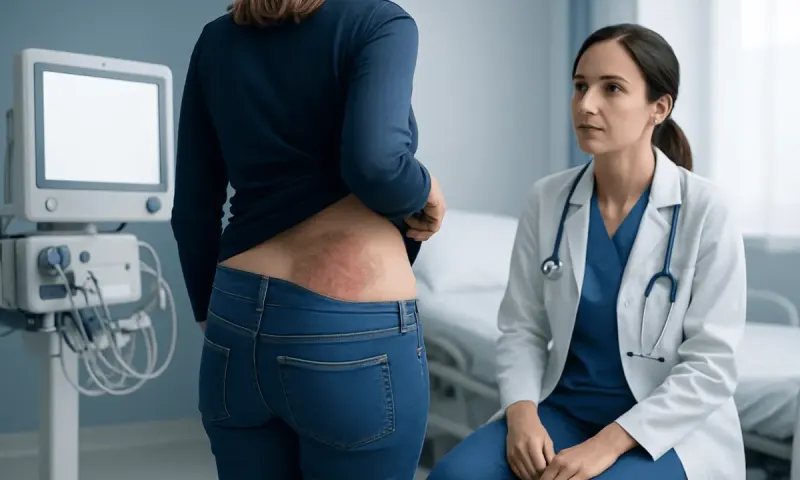
Psoriasis has several forms, and its appearance can differ with skin tone, body site, age, and type of psoriasis. Plaque psoriasis, the most common form, often causes raised, clearly bordered areas with scale. On lighter skin, plaques may look pink or red with silvery-white scale. On darker skin, they may appear violet, brown, gray, or darker than the surrounding skin, sometimes with less visible scale.
Common locations include the scalp, elbows, knees, lower back, hands, feet, and around the ears. Symptoms may include itch, burning, soreness, tightness, cracking, or bleeding when thick plaques split. Scalp psoriasis may resemble dandruff but can extend beyond the hairline or form thicker, more defined patches.
Psoriasis can also affect nails, causing small pits, discoloration, thickening, separation from the nail bed, or crumbly texture. Some people develop painful, stiff, or swollen joints, which may indicate psoriatic arthritis. Early assessment is important because joint inflammation can sometimes lead to lasting damage if left untreated.
Other skin conditions, including eczema, fungal infection, seborrheic dermatitis, and contact dermatitis, can look similar. A clinician can distinguish these possibilities and provide guidance tailored to the person’s symptoms.
When to seek medical care
Most scaly skin patches are not an emergency, and psoriasis itself is not contagious. Still, medical review is sensible when a rash lasts for several weeks, spreads, returns repeatedly, causes significant itch or pain, affects sleep or daily activities, or does not improve with basic skin care. A prompt appointment can clarify the cause and help prevent avoidable discomfort.
People should seek timely care for joint pain, morning stiffness, swollen fingers or toes, heel pain, or reduced movement, particularly when these occur alongside skin or nail changes. A doctor should also assess widespread redness, rapidly changing skin symptoms, painful pustules, fever, or feeling unwell, as these signs can require urgent evaluation.
Medical advice is also important before using strong topical treatments, supplements, or unverified remedies. This is particularly relevant for children, during pregnancy or breastfeeding, and for people with other medical conditions or medicines that may affect treatment choices.
How doctors diagnose psoriasis
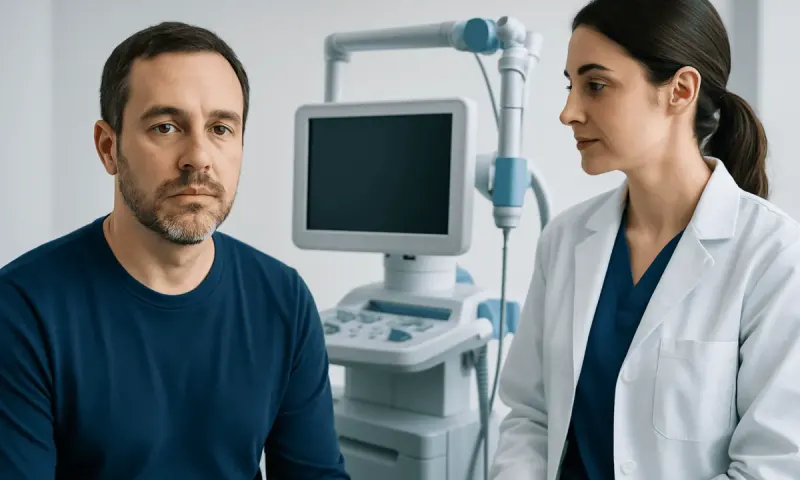
A dermatologist or other qualified clinician can often diagnose psoriasis through a medical history and a careful skin, scalp, and nail examination. They may ask when symptoms began, whether there have been sore throats or other infections, which treatments have been tried, whether relatives have psoriasis, and whether there are joint symptoms.
During the examination, the clinician looks at the distribution, border, scale, and color of patches and considers conditions that can resemble psoriasis. They may also examine the nails and joints. Photographs taken during flares can be helpful when symptoms are intermittent.
Tests are not always necessary. If the diagnosis is uncertain, a small skin biopsy may be taken and examined under a microscope. A clinician may use other tests when a fungal infection or another condition needs to be ruled out. Blood tests do not diagnose psoriasis itself, but they may be used to assess related health concerns or to guide certain treatments.
It can be helpful to tell the clinician about any family history, but there is no routine genetic test used to predict psoriasis in otherwise healthy relatives. Genetic testing cannot reliably determine who will develop the condition or how severe it might be.
Treatment and everyday skin care
There is no single cure for psoriasis, but effective treatments can reduce inflammation, clear or lessen plaques, control itch, and improve quality of life. Treatment is selected according to the type and extent of psoriasis, body areas involved, symptom burden, medical history, and personal preferences. Management may need adjustment over time.
For limited disease, clinicians often begin with moisturizers and prescribed topical medicines. These may include anti-inflammatory creams or ointments, vitamin D-based treatments, or other preparations chosen for the site being treated. Scalp, face, skin folds, hands, feet, and nails often need different approaches because the skin and treatment risks differ in these areas.
For more extensive or difficult-to-control psoriasis, options may include supervised light therapy, oral medicines, or injectable biologic therapies that target specific immune pathways. These treatments require clinical assessment and follow-up. Patients can learn more about psoriasis and its management while discussing the most appropriate plan with a dermatologist.
Daily care can support medical treatment. Gentle, fragrance-free cleansing, regular moisturizing, avoiding picking or harsh scrubbing, and protecting the skin from injury may reduce irritation. Keeping a simple symptom diary can help identify possible personal triggers, although it is not necessary to restrict activities or foods unless a consistent connection is clear.
Looking after overall health and family wellbeing
Psoriasis can affect confidence, work, relationships, sleep, and emotional wellbeing, particularly when plaques are visible or uncomfortable. These effects are valid and deserve attention. Discussing the impact of symptoms with a clinician can help ensure that treatment goals address both the skin and everyday life.
Healthy routines may reduce some factors linked with flares and support overall health. These include not smoking, limiting alcohol if it is a trigger or a health concern, aiming for regular physical activity within comfort, managing stress with practical support, and seeking treatment for infections when advised. These measures do not replace medical care or imply that psoriasis is a person’s fault.
Relatives do not need preventive psoriasis treatment simply because it runs in the family. Instead, they can be aware of symptoms and arrange an assessment if persistent scaling, nail changes, or joint symptoms occur. Families may also benefit from clear information that psoriasis is not infectious and that its severity varies widely.
Acıbadem Health Point’s multidisciplinary specialists and JCI-accredited hospitals diagnose and treat psoriasis and related joint concerns for international patients. A dermatology consultation can help confirm the diagnosis, review triggers and associated symptoms, and build a practical long-term management plan.
Frequently asked questions
01If one parent has psoriasis, will their child get it?
Not necessarily. Having a parent with psoriasis can increase a child’s susceptibility, but psoriasis does not follow a simple, predictable inheritance pattern. Many children with an affected parent never develop psoriasis, while some people develop it without a known family history.
02Can psoriasis skip generations?
Psoriasis may appear to skip generations because the genes linked with susceptibility can be present without causing symptoms. Whether psoriasis develops also depends on many non-genetic factors, including immune activity and possible triggers. A family pattern does not allow doctors to predict an individual’s outcome with certainty.
03Is psoriasis contagious?
No. Psoriasis is an immune-mediated condition and cannot be spread through touching skin, kissing, sharing towels, swimming pools, or close contact. People with psoriasis do not need to isolate themselves from family, friends, or colleagues.
04Can stress cause psoriasis if it runs in the family?
Stress does not cause psoriasis on its own, but it may contribute to a flare in some people who are already susceptible. Stress-management strategies can be helpful as part of overall care, but they should not replace prescribed treatment. A clinician can help identify practical options when stress and symptoms seem connected.
05Should family members have genetic testing for psoriasis?
Routine genetic testing is not recommended for predicting psoriasis in family members. The condition involves many genes as well as environmental and immune factors, so a genetic result would not reliably tell whether psoriasis will occur. A clinical assessment is more useful if symptoms develop.
06When could psoriasis mean joint disease?
Psoriasis can be associated with psoriatic arthritis, an inflammatory condition that may cause joint pain, stiffness, swelling, heel pain, or swollen fingers and toes. These symptoms should be assessed promptly, especially if morning stiffness lasts or movement becomes difficult. Early evaluation can help guide treatment and protect joint function.
This article is for general information only and is not a substitute for professional medical advice. Please consult a qualified doctor about your individual situation.
Hair transplant in Turkey — costs, graft counts & a free assessment
JCI-accredited · board-certified surgeons · reply within 24h
Add us as a Preferred Source to see more of our trusted health content across Google Search, AI Overviews and Discover.