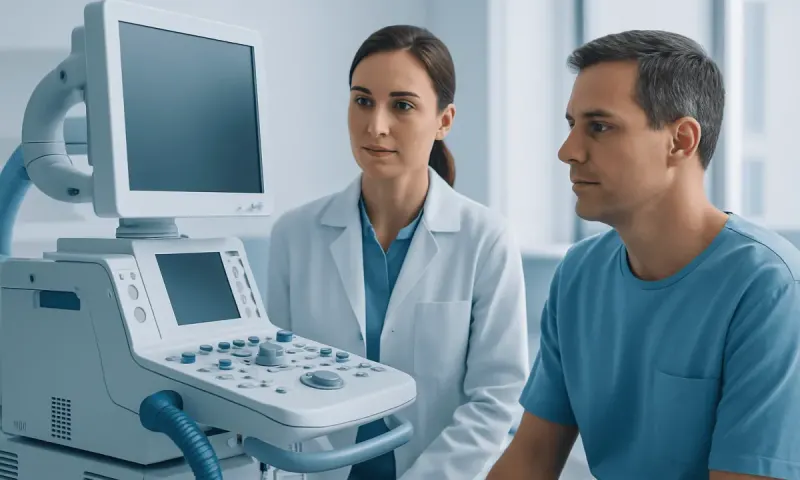
Is Laser Epilation Safe for Different Skin Types?
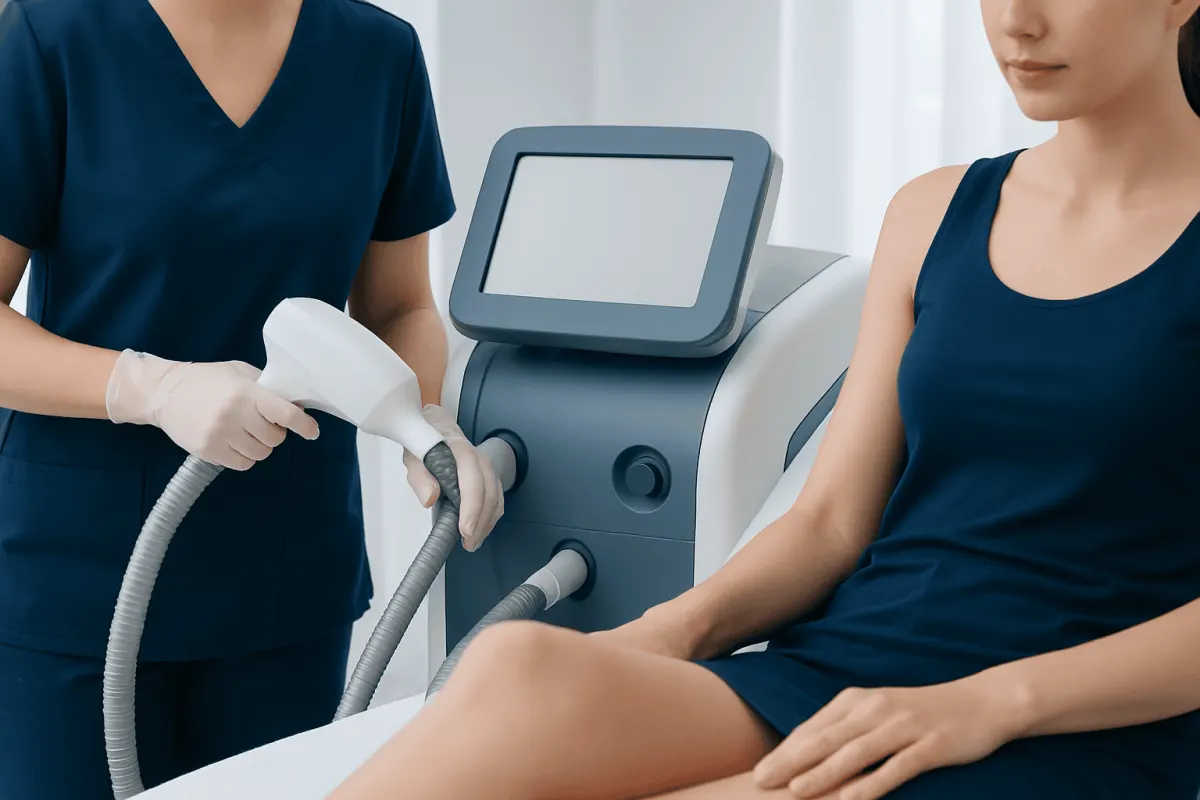
Laser epilation is generally considered safe when an appropriate device is used by a qualified, experienced professional and treatment is tailored to the person’s skin and hair characteristics. Most reactions are mild and short-lived, but burns, pigment changes, eye injury, and skin infection can occur in uncommon cases and should be assessed promptly.
Is laser epilation safe?
Laser epilation is generally safe for most people when it is performed by a trained professional using an appropriate laser and protective measures. Temporary redness, warmth, and small bumps around treated follicles are common, harmless reactions that usually improve within hours or a few days. The procedure works by directing light energy toward pigment in the hair, heating the follicle to reduce future growth.
Safety depends on more than the device itself. The practitioner should consider the person’s skin tone, hair color, treatment area, recent sun exposure, tendency to pigment changes, medical history, and current medicines. Modern laser systems can treat a wide range of skin tones, but the laser type and settings need to be selected carefully.
Laser epilation is often described as laser hair removal, although results are better understood as long-term hair reduction. Hair can grow back, particularly after hormonal changes, and maintenance sessions may be needed. Choosing a licensed or appropriately trained clinician, following preparation instructions, and reporting unexpected symptoms can help make treatment safer.
What are the risks of laser epilation?
Most people have temporary effects rather than complications. The treated skin may look pink or slightly swollen, feel sensitive, or develop small raised areas around hair follicles. These effects commonly settle with cool compresses, gentle skin care, and avoidance of heat and sun exposure as advised by the treating clinician.
Less common risks include burns, blisters, crusting, scarring, acne-like breakouts, infection, and changes in skin color. Darker patches of skin, called hyperpigmentation, and lighter patches, called hypopigmentation, are more likely when skin is tanned, settings are unsuitable, or post-treatment sun protection is inadequate. Rarely, treatment can stimulate extra hair growth in or near the treated area, particularly on the face in people with hormonal influences.
Eye injury is a serious but preventable risk if protective eyewear is not used correctly. This is especially important for facial laser hair removal. A reputable provider should use suitable eye protection for both the patient and practitioner, avoid treating too close to the eye, and explain what sensations and skin changes are expected.
- Risk can be higher after recent tanning, sunburn, or use of self-tanning products.
- Some medicines that increase light sensitivity can raise the chance of a skin reaction.
- Active skin infection, open wounds, or an inflamed rash in the treatment area may require treatment to be delayed.
- A patch test may help identify an appropriate setting, especially for darker skin tones or sensitive areas.
Is laser hair removal 100% safe?
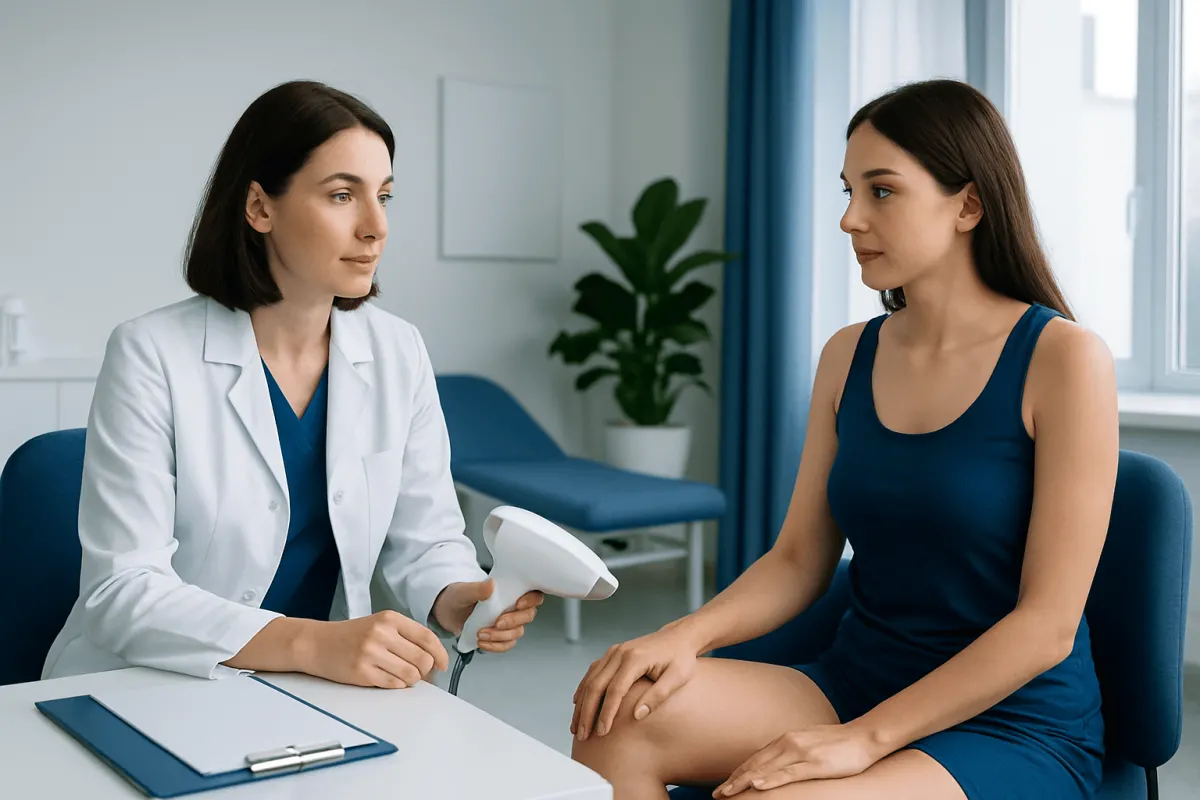
No medical or cosmetic procedure is 100% safe. Laser hair removal has a well-established safety record when it is appropriately planned and carried out, but it can still cause side effects or, less often, complications. The goal is to reduce risk through a careful consultation, a suitable laser choice, correctly adjusted settings, and good aftercare.
People should disclose all relevant information before treatment, including previous reactions to hair removal, cold sores, <a href="https://acibademhealthpoint.com/diseases/keloid-scars/”>keloid scars, pigment problems, skin disease, hormone-related hair growth, and use of prescription or over-the-counter medicines. A clinician may advise postponing treatment or seeking dermatology advice in some circumstances.
It is also important to have realistic expectations. Removal Laser Treatment: Sessions, Risks, and Results" class="ahp-ilk">Laser treatment is most effective when there is contrast between hair pigment and skin, although technology has broadened options for different skin tones. White, grey, red, and very light blonde hair may respond less well because there is little pigment for the laser to target. Poor response is not usually dangerous, but repeated unnecessary sessions should be avoided.
Is it unhealthy to get laser hair removal?
For an appropriately selected person, laser hair removal is not generally considered unhealthy. The laser energy acts mainly in the skin at the hair follicle and does not have evidence of causing systemic illness, infertility, or cancer when used as intended. It does not use ionizing radiation, such as X-rays.
However, an individual’s health situation matters. A healthcare professional may recommend delaying treatment if there is an active skin condition, a healing wound, a suspected infection, or a history of difficult scarring. People who experience excessive facial or body hair alongside irregular periods, acne, scalp-hair thinning, or rapid changes in hair growth may benefit from medical assessment for an underlying hormonal cause before pursuing cosmetic treatment.
Laser hair removal can be used on the face, underarms, legs, arms, back, and bikini area. Laser hair removal is safe for the face and bikini area when the equipment, settings, cooling method, and protective procedures are suitable for that sensitive location. The genital mucosal surfaces should not be treated, and treatment should be carried out only by a provider experienced with intimate-area procedures.
Is laser epilation safe during pregnancy?
Laser epilation is usually postponed during pregnancy. This recommendation is precautionary: there is not enough high-quality research to confirm whether laser hair removal is safe during pregnancy, even though the energy acts locally in the skin. Avoiding nonessential cosmetic procedures during pregnancy is generally the most cautious approach.
Pregnancy can also make the skin more sensitive and prone to pigment changes, while hormonal shifts can change hair growth patterns. These changes may make results less predictable and may increase the chance of uneven pigmentation. Hair growth that develops in pregnancy often improves after delivery and hormonal recovery.
For the same reasons, anyone asking whether laser hair removal is safe in pregnancy should discuss their individual situation with their obstetrician or dermatologist and defer treatment unless there is a specific medical reason to proceed. Shaving, trimming, or other gentle temporary methods may be considered instead, depending on skin sensitivity and medical advice.
What is the healthiest hair removal method?
There is no single healthiest hair removal method for everyone. The best option depends on the body area, skin sensitivity, hair characteristics, health conditions, desired duration of results, and tolerance for irritation. Hair removal is not medically necessary for most people, so a method that is comfortable, affordable, and unlikely to irritate the skin is often the most appropriate choice.
Shaving and trimming are simple options that do not alter the hair follicle, although they can cause cuts, razor bumps, or ingrown hairs. Waxing, threading, and epilation can provide longer-lasting smoothness but may irritate sensitive skin or worsen folliculitis. Depilatory creams can be effective but should be patch-tested because their chemicals may cause irritation or allergic reactions.
Laser epilation offers longer-term reduction for suitable candidates, but it requires professional assessment and a series of treatments. At-home laser or intense pulsed light devices may be convenient, but they are generally less powerful than medical devices and still carry a risk of burns or pigment changes if instructions are not followed. Anyone considering whether laser hair removal is safe at home should check that the device is suitable for their skin tone and hair color, use the supplied eye-safety guidance, patch-test where recommended, and avoid treating tanned, irritated, or broken skin.
When to seek medical care
Medical review is advisable if there is severe or increasing pain, blistering, extensive crusting, rapidly spreading redness, swelling, pus, fever, or a rash that does not improve. These symptoms can suggest a burn, infection, or significant inflammatory reaction. A person should contact the treating provider promptly and avoid applying potentially irritating products unless advised.
Urgent assessment is appropriate for any eye pain, vision change, marked light sensitivity, or facial treatment performed without adequate eye protection. Persistent darkening or lightening of the skin, scarring, or a reaction that lasts longer than expected should also be reviewed by a dermatologist or another qualified clinician.
During assessment, a doctor will ask about the device used, timing of symptoms, treatment settings if available, aftercare, recent sun exposure, medicines, and prior skin reactions. They will examine the affected area for signs of burn, infection, dermatitis, pigmentation change, or another skin condition, and may recommend skin care, prescription treatment, follow-up, or referral when needed.
Acıbadem Health Point’s multidisciplinary specialists and JCI-accredited hospitals can assess skin reactions and discuss appropriate hair-reduction options for international patients. A qualified clinician can also help distinguish a treatment reaction from an underlying skin or hormonal concern.
Frequently asked questions
01Is laser epilation safe for all skin tones?
Laser epilation can be performed on many skin tones, but safety depends on matching the device and settings to the individual’s skin and hair characteristics. Darker skin may have a higher risk of pigment changes or burns if the wrong laser or excessive energy is used. A consultation and, when appropriate, a test spot can help guide safer treatment.
02Is laser hair removal safe for the face?
Laser hair removal can be safe for the face when performed by an experienced provider using appropriate equipment and strict eye protection. The area around the eyes requires particular caution and should not be treated without proper safeguards. Temporary redness, swelling, or acne-like bumps can occur after facial treatment.
03Is laser hair removal safe for the bikini area?
Laser hair removal is commonly performed on the outer bikini area and can be safe when carried out by a trained professional. The skin can be sensitive, so suitable settings, cooling, hygiene, and clear aftercare instructions are important. Treatment should not be applied to mucosal tissue or areas with cuts, active irritation, or infection.
04Can laser epilation cause cancer?
There is no evidence that properly performed laser hair removal causes cancer. The procedure uses non-ionizing light that targets pigment in hair follicles rather than DNA in the way ionizing radiation can. Any changing mole, unexplained lesion, or suspicious skin mark should be assessed by a doctor rather than treated with a laser.
05How can a person reduce the risk of side effects from laser hair removal?
They should choose a qualified provider, share their medical history and medicines, avoid tanning, and follow instructions on shaving, skin products, and sun protection. A patch test may be useful for people with sensitive skin or a history of pigment changes. After treatment, gentle skin care and avoiding heat, friction, and direct sun exposure can reduce irritation.
06Can laser hair removal be done while taking medication?
Some medicines can make the skin more sensitive to light or affect healing, so it is important to tell the provider about all prescription medicines, supplements, and topical products. The provider may advise delaying treatment or obtaining medical clearance. People should not stop prescribed medication without discussing it with the clinician who prescribed it.
This article is for general information only and is not a substitute for professional medical advice. Please consult a qualified doctor about your individual situation.
Hair transplant in Turkey — costs, graft counts & a free assessment
JCI-accredited · board-certified surgeons · reply within 24h
Add us as a Preferred Source to see more of our trusted health content across Google Search, AI Overviews and Discover.