Laser Therapy for Skin: Choosing the Right Treatment

Laser therapy for skin uses controlled light energy to target concerns such as sun damage, uneven tone, scars, visible blood vessels and unwanted hair. The best laser type, expected recovery and likely results depend on the concern being treated, skin type and the intensity of treatment.
Overview: What Is Laser Therapy for Skin?
Laser therapy for skin is a medical or cosmetic procedure that uses concentrated light energy to act on specific structures within the skin. Depending on the device and settings, the laser may target water in the skin, pigment, tiny blood vessels or hair follicles. This allows clinicians to treat selected concerns while limiting effects on nearby tissue.
It can be used for skin resurfacing, age-related sun damage, fine lines, some acne scars, uneven pigmentation, redness caused by visible vessels, certain birthmarks and unwanted hair. It is important to know that “Removal Laser Treatment: Sessions, Risks, and Results" class="ahp-ilk">laser treatment” covers many different technologies. The procedure that is appropriate for a scar, for example, may not be the right choice for facial redness or dark spots.
A consultation helps establish whether laser treatment is suitable and what outcomes are realistic. The clinician considers the skin concern, skin tone, tendency to scar or develop dark marks, current medicines, recent sun exposure and any history of cold sores, among other factors.
Types of Skin Laser Treatment and What They Treat
Ablative lasers remove or vaporize very thin layers of skin. They can produce more noticeable resurfacing for wrinkles, textural changes and some scars, but usually involve a longer recovery period. Carbon dioxide and erbium lasers are examples of ablative resurfacing technologies.
Non-ablative lasers heat targeted tissue beneath the skin surface without removing the outer layer to the same extent. They may support collagen remodeling and improve mild texture, fine lines or pigment concerns with less downtime, although multiple sessions may be needed. Fractional laser technology can be ablative or non-ablative; it treats microscopic columns of skin while leaving surrounding areas intact to aid healing.
Other laser and light-based devices are selected for specific targets. Vascular lasers may help reduce visible blood vessels and persistent redness, while pigment-targeting lasers may be considered for selected dark marks. Laser hair reduction targets pigment in hair follicles. A dermatologist can also assess whether a condition such as acne or melasma needs medical treatment alongside, or instead of, a laser procedure.
- Resurfacing lasers: texture, fine lines, scars and sun damage
- Vascular lasers: selected visible vessels and redness
- Pigment lasers: selected pigment spots and tattoo pigment
- Hair-removal lasers: long-term reduction of unwanted hair growth
What Happens During the Procedure?
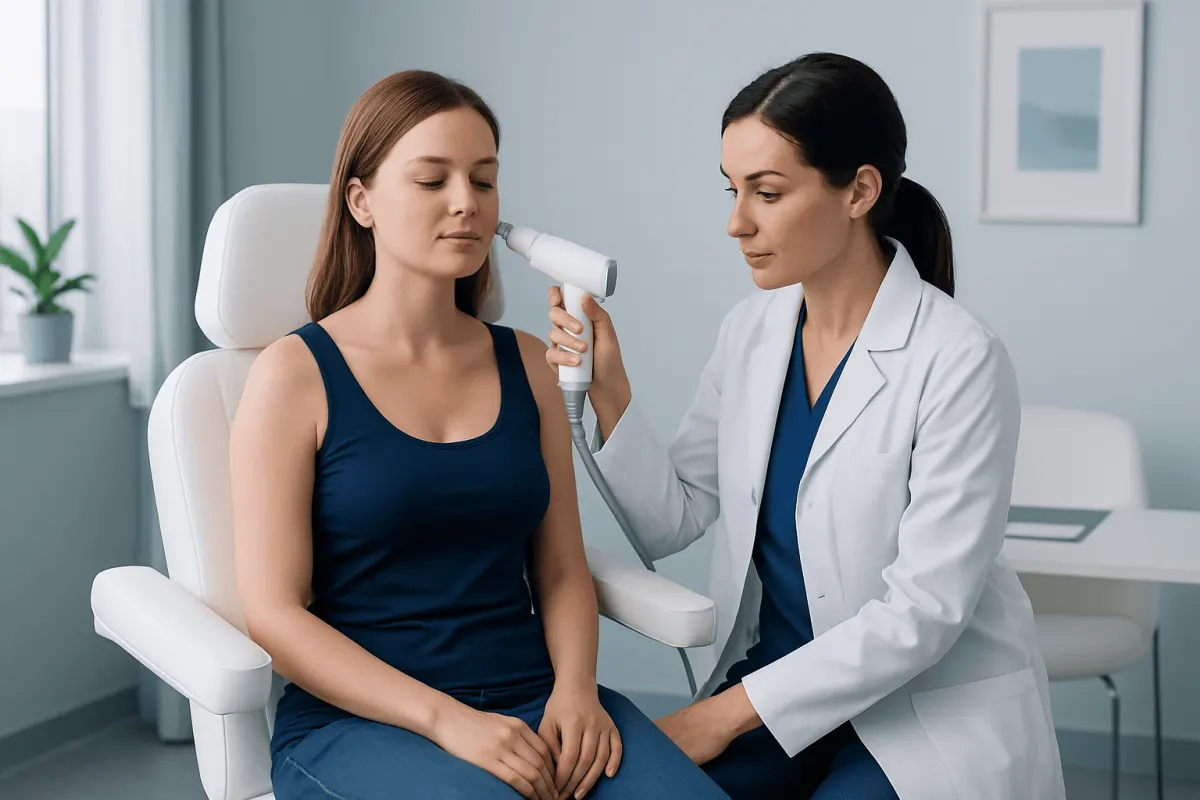
Before laser therapy for skin, the area is examined, cleansed and photographed when appropriate to help monitor change. The clinician may recommend avoiding tanning, certain skin products or other procedures beforehand. Depending on the treatment, a topical anesthetic may be applied; deeper resurfacing may require other forms of pain control or sedation arranged by the treating team.
During treatment, the patient and staff wear protective eyewear. The clinician passes a handheld device over the skin in a planned pattern. Sensations vary by device and setting. Some people describe brief warmth, snapping or stinging, while resurfacing procedures can feel more intense. Cooling measures may be used during or after treatment.
Sessions can be relatively brief for a small area or longer for full-face resurfacing or multiple areas. Immediately afterward, the treated skin may look red, swollen or feel warm. The clinician provides individualized instructions about cleansing, moisturizers, dressings, sun avoidance and follow-up.
How Long Does Skin Take to Heal After Laser Treatment?
Healing after laser treatment depends mainly on whether the procedure was non-ablative, fractional or ablative, as well as the area treated and the person’s skin response. After gentler non-ablative treatments, mild redness or swelling may settle within hours to several days. Dryness, flaking or a temporary darkening of treated pigment can occur as the skin recovers.
Fractional treatments often cause redness and a rough or bronzed appearance for several days, though recovery differs widely. More intensive ablative resurfacing can lead to oozing, crusting and more significant redness during early healing. New surface skin may form over roughly one to two weeks, but pinkness and sensitivity can last longer.
Healing should be monitored rather than rushed. The skin may remain more vulnerable to irritation and sun-related pigment changes after it appears healed. The treating clinician should advise when makeup, exercise, swimming, shaving, active skincare ingredients and other procedures can safely resume.
What Should I Do After a Skin Laser Treatment?
Aftercare should follow the specific instructions from the laser clinician, because needs differ between devices. In general, patients should keep the area clean, avoid rubbing or picking, use only recommended moisturizers or ointments, and apply dressings if instructed. Cool compresses may ease temporary heat or swelling when advised.
Sun protection is a central part of recovery. Direct sun exposure, tanning beds and self-tanning products should be avoided while the skin heals. Once the clinician says it is appropriate, broad-spectrum sunscreen and protective clothing can help lower the likelihood of color changes and protect the treatment result.
Patients should avoid unapproved exfoliants, retinoids, fragranced products and strong acne treatments until the skin barrier has recovered. They should also avoid heat-intensive activities, such as saunas and strenuous exercise, if these worsen redness or swelling. Contact the clinic promptly if symptoms are worsening rather than gradually improving.
- Use gentle cleansing and prescribed or recommended barrier-care products.
- Do not scratch, peel or remove scabs or flakes.
- Protect treated skin carefully from ultraviolet light.
- Attend follow-up appointments and ask before restarting active skincare products.
How Many Days of Rest Are Required After Laser Treatment?
Many people do not require formal bed rest after laser therapy for skin. For a mild non-ablative treatment, they may return to routine activities the same day or the following day, although redness can remain visible. Planning a little flexibility is still helpful, particularly when the face is treated.
More intensive fractional or ablative resurfacing often requires several days away from social commitments or work, especially when there is peeling, crusting, swelling or a need for regular wound care. Some people choose to allow one to two weeks before important events, but the appropriate timeline should come from the clinician who knows the treatment depth and the patient’s skin.
Rest does not only refer to time at home. It also means temporarily avoiding triggers that can aggravate healing skin, including sun, overheating, swimming pools, vigorous exercise and irritating products. A treatment plan should take account of travel, work requirements and any upcoming social or professional events.
Is Laser Treatment for Skin Worth It?
Laser treatment for skin can be worthwhile when it is chosen for a clearly defined concern, performed by an appropriately trained clinician and matched to the individual’s skin type and expectations. It may improve specific issues such as uneven texture, certain scars, sun-related changes, visible vessels or unwanted hair. However, it does not stop natural skin aging, and results vary.
The value of treatment is influenced by the number of sessions needed, recovery time, possible side effects and whether a less intensive option could meet the same goal. Some conditions respond better to topical treatment, medication, sun protection, chemical peels, microneedling or other approaches. For example, persistent inflammatory acne may need a medical assessment before scar-focused procedures are considered.
A careful consultation should include a discussion of benefits, limitations and risks. Individuals with darker skin tones, a history of keloid scarring, recurrent cold sores, active infection or recent tanning may need extra precautions, a modified approach or a different treatment. The safest choice is an informed one rather than a procedure based only on images or trends.
When to Seek Medical Care
It is normal to have some temporary redness, warmth, swelling, tenderness or peeling after many laser treatments. However, patients should contact their treating clinician if they develop increasing pain, spreading redness, pus-like drainage, fever, blisters, marked swelling, worsening crusting or a rash. These symptoms need professional assessment and should not be managed with unapproved home remedies.
Medical advice is also important if the treated area develops unexpected light or dark color changes, a cold sore outbreak, prolonged redness, or delayed healing. People should tell the clinician about any new medicines, pregnancy, immune-system conditions or changes in health that occur around the time of treatment.
For international patients, Acıbadem Health Point’s multidisciplinary specialists and JCI-accredited hospitals can assess skin concerns and provide individualized laser-treatment planning and follow-up. A dermatologist or qualified laser clinician can help determine whether laser therapy is appropriate and explain the recovery expected for the selected procedure.
Frequently asked questions
01Does laser therapy for skin hurt?
The sensation depends on the laser type, treatment area and intensity. Many treatments feel like brief heat or snapping, and cooling or topical anesthetic can improve comfort. Deeper resurfacing may require more extensive pain-control planning.
02When will I see results from skin laser treatment?
Some changes, such as reduced redness or the removal of superficial pigment, may become apparent after the skin settles. Collagen-related improvements in texture and fine lines can develop gradually over weeks to months. More than one treatment may be recommended for some concerns.
03Can laser treatment make dark spots worse?
Laser treatment can occasionally cause post-inflammatory hyperpigmentation or lightening of the skin, especially if skin is tanned, irritated or exposed to sun during recovery. A skilled assessment of skin tone and condition helps reduce this risk. Strict sun protection and aftercare are important.
04Who should avoid laser therapy for skin?
Suitability depends on the laser and the reason for treatment. Active skin infections, open wounds, recent tanning and certain medicines may mean treatment should be postponed or modified. People who scar unusually, have recurrent cold sores, are pregnant or have complex medical conditions should discuss this during consultation.
05Can I wear makeup after laser treatment?
Makeup should not be applied until the treating clinician confirms that the skin barrier has recovered sufficiently. This may be soon after a mild treatment but can take longer after ablative resurfacing. Using makeup too early may irritate healing skin or increase infection risk.
06How can I prepare for laser therapy for skin?
Preparation may include avoiding sun exposure and tanning, pausing selected skincare products and sharing a complete medical and medication history. The clinician may provide additional instructions based on the laser type and treatment area. Patients should arrange recovery time that matches the anticipated redness, peeling or wound care needs.
This article is for general information only and is not a substitute for professional medical advice. Please consult a qualified doctor about your individual situation.
Hair transplant in Turkey — costs, graft counts & a free assessment
JCI-accredited · board-certified surgeons · reply within 24h
Add us as a Preferred Source to see more of our trusted health content across Google Search, AI Overviews and Discover.