Iritis: Symptoms, Causes and Treatment

Key Takeaways
- Iritis is a form of eye inflammation that often affects one eye and can develop quickly.
- Common signs include eye pain, redness, light sensitivity, blurred vision, and a smaller or oddly shaped pupil.
- It may be linked to infection, autoimmune conditions, eye injury, or sometimes no clear cause is found.
- Doctors usually diagnose it with an eye examination using a slit lamp and may look for an underlying health issue.
- Treatment often includes anti-inflammatory eye drops and, when needed, medicines to address the cause.
- Prompt care matters because untreated inflammation can lead to complications and longer recovery.
Iritis is inflammation of the colored part of the eye, known as the iris. It can cause pain, light sensitivity, and blurred vision, and it needs timely medical assessment to help protect sight.
Overview
Iritis is inflammation of the iris, the colored ring around the pupil that helps control how much light enters the eye. It is also called anterior uveitis because it affects the front part of the uvea, the eye’s middle layer. Although the name may sound narrow, the condition can affect comfort, vision, and day-to-day activities very quickly.
For many people, the first sign is not a vague irritation but a clear change: one eye becomes painful, more sensitive to light, or blurred. That shift often brings patients to care sooner than they expect. In a travel or international-care setting, that same prompt evaluation is important because eye inflammation should not be left to “settle on its own” without a proper examination.
Iritis can appear in one eye or, less commonly, both eyes. Some cases are short-lived and respond well to treatment, while others are linked to systemic disease and may need follow-up beyond the eye clinic. The good news is that when it is recognized early, treatment can usually calm the inflammation and reduce the risk of complications.
Symptoms
Iritis symptoms often start in a noticeable, local way. The eye may ache, feel tender, or become red around the iris. Bright light can suddenly feel uncomfortable, and many people find themselves squinting, wearing sunglasses indoors, or avoiding screens and daylight.
Blurred vision is another common clue. Some people also notice tearing, headache, or that the pupil looks smaller than usual or reacts differently to light. The eye may look red mostly around the colored part rather than as a general “pink eye” appearance, although this can vary.
Because symptoms can overlap with other eye problems, it is not always possible to tell the cause by appearance alone. A person who has eye pain plus light sensitivity should be assessed rather than assuming it is simple dryness, fatigue, or an allergy.
- Eye pain or aching
- Redness, especially near the iris
- Light sensitivity
- Blurred or reduced vision
- Watery eye or tearing
- Pupil changes, such as becoming smaller
Causes & Risk Factors

Iritis can develop for different reasons, and in some cases no exact cause is ever identified. It may occur after an eye injury, surgery, or an infection elsewhere in the body. It can also be associated with inflammatory or autoimmune conditions, where the immune system becomes overactive and affects the eye.
Conditions sometimes linked with iritis include ankylosing spondylitis, psoriatic arthritis, inflammatory bowel disease, sarcoidosis, and certain infections. Herpes viruses can also be involved in some cases. For this reason, eye doctors often ask about joint pain, skin symptoms, back stiffness, bowel issues, recent infections, and previous episodes of eye inflammation.
People with a prior episode are at higher risk of recurrence, and some immune-related conditions can make future flares more likely. However, many patients do not have an obvious risk factor at the time of the first episode. That is one reason a careful medical history matters: it helps determine whether the eye problem is isolated or part of a broader health picture.
Diagnosis
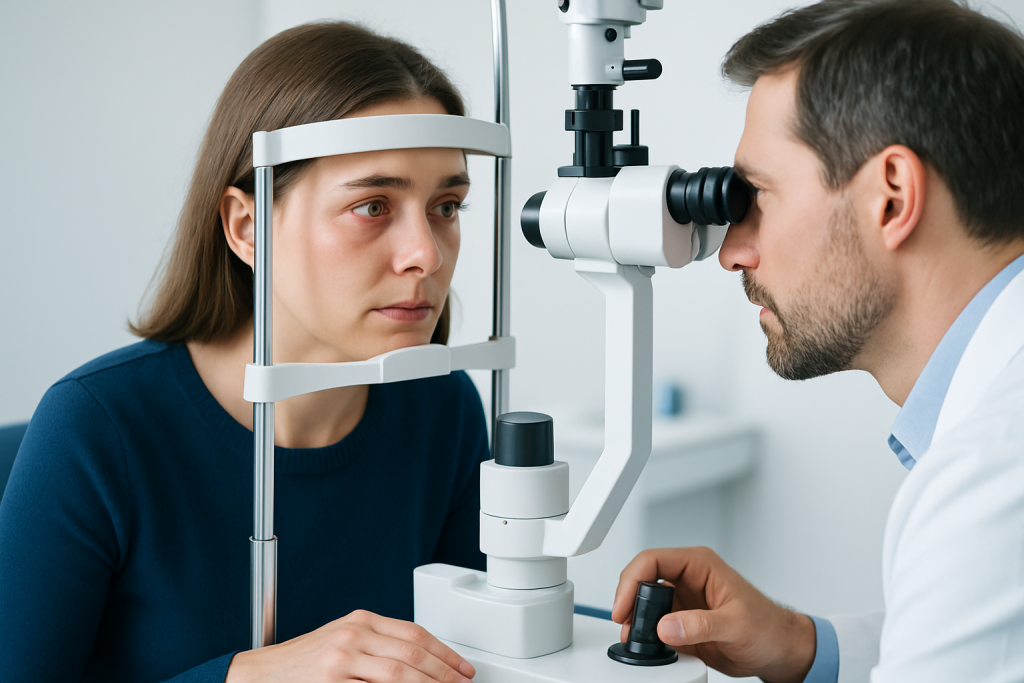
The key step in diagnosing iritis is a detailed eye examination. An eye doctor usually uses a slit lamp, a special microscope that allows close inspection of the front structures of the eye. This helps the clinician look for inflammatory cells, flare, pupil changes, and signs that the cornea or deeper tissues are also involved.
Pressure inside the eye may also be checked, because inflammation can sometimes affect it. If the pattern suggests an underlying illness, further tests may be recommended, such as blood work or imaging, to look for autoimmune disease or infection. Not every patient needs extensive testing; the plan depends on age, the severity of symptoms, whether it is the first episode, and whether other symptoms are present.
For international patients, diagnosis can be especially efficient when eye specialists and general physicians coordinate the work-up. That coordination helps avoid unnecessary delay and makes it easier to connect the eye findings with the rest of the medical story.
Treatment Options
Treatment is aimed at calming inflammation, relieving pain, and preventing complications. Anti-inflammatory eye drops are commonly used, and in some cases doctors may add dilating drops to reduce pain and prevent the iris from sticking to nearby structures. If the inflammation is significant or does not improve as expected, additional medicines may be considered.
When iritis is linked to an infection or an autoimmune condition, treatment also focuses on the underlying cause. That may mean antiviral or other targeted therapy for some infections, or a broader treatment plan for an inflammatory disease. The exact approach depends on the diagnosis, so it is important not to self-treat with borrowed drops or leftover medicines from a previous eye problem.
Follow-up visits are a normal part of care because the eye must be checked for response and for side effects of treatment. Recovery may take days to weeks, and some patients need a longer taper or monitoring if the inflammation recurs. Care is often straightforward, but it works best when medication is used exactly as prescribed and the plan is reviewed if symptoms change.
Prevention & Self-care
Not every case of iritis can be prevented, especially when the trigger is an autoimmune condition or a cause that has not been identified. Still, there are sensible steps that support eye comfort and reduce the chance of missing a flare. Wearing sunglasses in bright light, resting the eyes when they are painful, and attending follow-up appointments all help during recovery.
If a person has had iritis before, keeping track of warning signs is useful. A new episode may begin with the same pattern as the first: light sensitivity, one-sided eye pain, or redness around the iris. Noting when the symptoms started, whether one or both eyes are involved, and whether there are joint, skin, digestive, or fever symptoms can help the doctor look for a pattern.
People should avoid rubbing the eye and should use any prescribed drops exactly as instructed. It is also wise to mention all current medicines and supplements during the consultation, especially if care is being arranged while traveling, because the full medication list helps the clinician choose safe treatment.
- Use sunglasses to reduce light discomfort
- Follow the prescribed drop schedule carefully
- Do not restart old eye drops without medical advice
- Attend all follow-up visits, even if the eye feels better
- Keep a record of previous episodes and related health symptoms
When to See a Doctor
Eye pain with redness and light sensitivity should be assessed promptly, especially if vision is blurred or the pupil looks unusual. These symptoms are not specific to iritis, but they do signal that the eye needs a professional examination. Early evaluation is particularly important when symptoms begin suddenly in one eye.
Medical care should not wait if the person has had recent eye trauma, a known inflammatory disease, fever with eye symptoms, or a history of herpes infection affecting the eye area. If the symptoms worsen after starting treatment, or if there is no clear improvement, the care plan may need to be adjusted.
For patients who are considering care abroad, it helps to arrange evaluation with an eye team that can diagnose and treat the condition and, if needed, coordinate with other specialists. Acibadem Health Point’s multidisciplinary specialists and JCI-accredited hospitals support international patients with diagnosis, treatment, and follow-up planning for conditions such as iritis.
Frequently asked questions
01Is iritis the same as uveitis?
Iritis is a type of uveitis, specifically inflammation of the iris and the front part of the uvea. Uveitis is the broader term for inflammation anywhere in the uveal tract. In everyday use, people sometimes use the terms interchangeably, but doctors distinguish between them because the location affects diagnosis and treatment.
02Can iritis go away on its own?
Some symptoms may fluctuate, but iritis should not be assumed to resolve safely without medical care. Untreated inflammation can lead to complications and persistent discomfort. A proper exam helps confirm the cause and guide treatment.
03What does iritis pain feel like?
Many people describe it as a deep ache in or around one eye, often with strong light sensitivity. The pain may worsen with bright light or close work. Because eye pain has several possible causes, an eye examination is important.
04Does iritis affect vision permanently?
Many people recover well, especially when treatment starts early and follow-up is consistent. Vision problems are more likely if inflammation is severe, recurrent, or not treated properly. This is why doctors monitor the eye closely until it has settled.
05Can stress cause iritis?
Stress is not considered a direct cause of iritis. However, stress can make coping with symptoms and treatment more difficult, and some people with autoimmune disease may notice flare patterns around broader health changes. If episodes recur, a doctor may look for an underlying medical condition rather than stress alone.
06When should someone seek urgent eye care?
Urgent evaluation is appropriate when eye pain comes with redness, light sensitivity, blurred vision, or a change in the pupil. The same applies if symptoms follow an injury or if the person has a history of eye inflammation and the pattern feels familiar. Prompt assessment helps protect vision and reduces the chance of complications.
This article is for general information only and is not a substitute for professional medical advice. Please consult a qualified doctor about your individual situation.
Explore treatments in Turkey — costs, top hospitals & a free quote
JCI-accredited · board-certified surgeons · reply within 24h
Add us as a Preferred Source to see more of our trusted health content across Google Search, AI Overviews and Discover.