Why Gums Become Inflamed and When to See a Dentist

You spit into the sink after brushing and see pink in the foam. Or your gums look puffier and redder than they did last month. It’s a common thing to notice, and most of the time the reason is simple: plaque buildup, irritation, or the earliest stage of gum disease. Treat what’s causing it and the gums usually settle down.
That said, inflamed gums can also point to an infection, a side effect of medication, or a wider health problem. So if the symptoms stick around, it’s worth getting checked by a dentist or doctor.
What inflamed gums usually mean
Inflamed gums usually mean that the gum tissue is reacting to irritation, most often from plaque that has built up around the teeth. In many people, this is an early and reversible stage of gum disease called gingivitis. The gums may look redder than usual, appear puffy, or bleed when brushing or flossing.
Not every case is caused by poor brushing alone. Inflamed gums can also develop because of mouth breathing, a poorly fitting dental appliance, smoking, hormonal changes, certain medicines, nutritional deficiencies, or infection. Less commonly, gum inflammation may be a clue to an underlying medical condition that affects the immune system, blood, or oral tissues.
Think of inflamed gums as a symptom, not a diagnosis in itself. What matters is what is setting the inflammation off, and whether the tissue is only mildly irritated or already showing signs of more advanced disease. Don’t wait for pain to appear — gum disease can progress quietly.
Signs and symptoms to notice
Inflamed gums often cause visible changes before significant discomfort develops. The gums may become red, swollen, shiny, or softer than usual. Many people first notice bleeding when they brush, floss, or bite into firm foods.
Other symptoms can include tenderness, mild soreness, persistent bad breath, a bad taste in the mouth, or gums that seem to pull away from the teeth. If inflammation worsens, teeth may feel more sensitive, pockets can form around the teeth, and chewing may become uncomfortable.
Symptoms that deserve closer attention include pus near the gums, severe pain, facial swelling, fever, mouth ulcers that do not heal, loose teeth, or bleeding that happens often without obvious irritation. These features may suggest infection, advanced periodontal disease, or another oral health problem that needs prompt assessment.
- Red or darkened gums
- Swelling or puffiness
- Bleeding with brushing or flossing
- Tenderness or soreness
- Bad breath or unpleasant taste
- Gum recession or tooth sensitivity
Common causes and risk factors
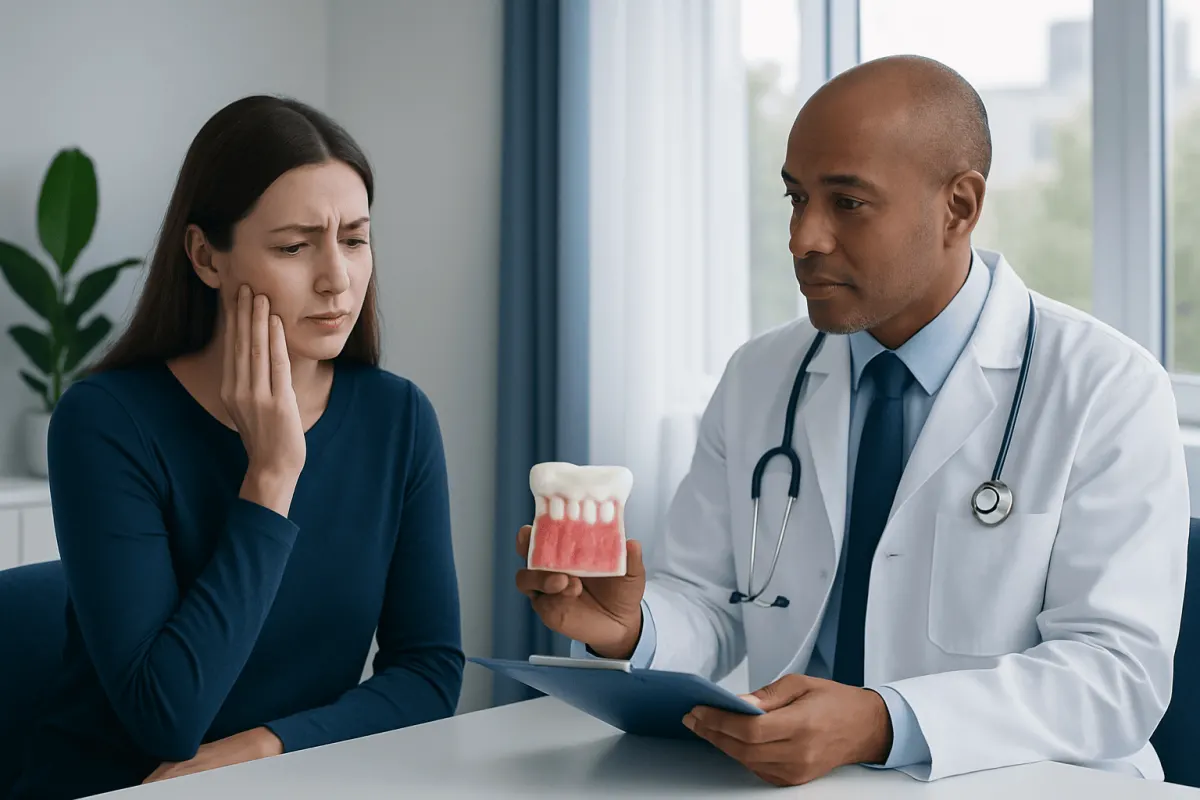
The most common cause of inflamed gums is plaque, a sticky film of bacteria that collects on teeth and along the gumline. If plaque is not removed well with brushing and cleaning between the teeth, it can irritate the gums and trigger gingivitis. Over time, plaque can harden into tartar, which cannot be removed by brushing alone and often requires professional dental cleaning.
Several factors make gum inflammation more likely. Smoking and tobacco use reduce blood flow and interfere with healing. Hormonal changes during puberty, pregnancy, menstruation, or menopause can make the gums more reactive. Dry mouth, mouth breathing, braces, retainers, and rough dental restorations may also increase irritation.
Health conditions and medicines can contribute as well. Diabetes, immune disorders, vitamin deficiencies, and some blood conditions may affect gum health. Certain medications can cause gum overgrowth, dry mouth, or increased sensitivity. In some cases, inflamed gums may be part of a broader problem such as periodontal disease or be associated with oral infections that require targeted care.
Everyday habits matter too. Brushing rarely, skipping floss or interdental cleaners, eating a lot of sugar, and putting off dental visits all let inflammation linger. Any one of these on its own may not cause severe disease, but stacked together they make it far more likely that mild irritation turns into lasting gum damage.
How dentists and doctors find the cause
Evaluation begins with a careful history and examination of the mouth. A dentist will ask when the inflammation started, whether there is bleeding or pain, what oral care products are used, and whether there have been recent changes in health, medications, or dental appliances. Looking closely at the gums helps identify whether the issue appears mild and localized or more widespread.
The examination may include measuring the space between the gums and teeth, checking for plaque and tartar, and looking for signs of recession, infection, or tooth mobility. Dental X-rays may be recommended if there is concern about bone loss or more advanced disease under the gumline.
If the pattern is unusual, severe, or not improving, a doctor or dental specialist may look for contributing conditions such as diabetes, immune problems, nutritional deficiency, or medication-related changes. In some situations, assessment by specialists in periodontology is appropriate, especially when inflammation is persistent, recurrent, or associated with deeper gum pockets and attachment loss.
Treatment options for inflamed gums
Treatment depends on the cause, severity, and whether there is damage beyond simple surface inflammation. For plaque-related gingivitis, the foundation is improved daily oral hygiene and professional dental cleaning to remove plaque and tartar. Once the irritant is reduced, the gums often begin to recover over days to weeks.
At home, patients are usually advised to brush gently twice a day with a soft toothbrush and fluoride toothpaste, clean between the teeth daily, and avoid aggressive brushing that can further irritate the gumline. A dentist may recommend adjustments in technique, a different brush, or temporary use of a medicated mouth rinse when appropriate.
If inflammation has progressed to periodontal disease, treatment may involve deeper cleaning below the gumline, called scaling and root planing, and closer follow-up. In selected cases, procedures used in dental treatment may help address local factors such as rough restorations, trapped plaque, or bite issues. If there is an abscess, severe infection, or tissue overgrowth, additional dental or surgical management may be needed.
When another health issue is contributing, treatment should also address that underlying cause. For example, better blood sugar control in diabetes, reviewing medications with a clinician, improving nutrition, or treating a mouth infection can all support gum healing. For people with complex or advanced cases, care may overlap with oral and dental health services and, when needed, medical specialists.
Self-care and prevention that support gum health
Prevention comes down to a steady daily routine, not harder scrubbing. Gentle brushing along the gumline twice a day and daily flossing or interdental cleaning help remove plaque before it can trigger inflammation. Replacing a worn toothbrush and cleaning removable dental appliances as instructed can also reduce irritation.
Day-to-day choices count for a lot. Avoiding tobacco, limiting frequent sugary snacks and drinks, staying well hydrated, and managing chronic conditions such as diabetes all support healthier gums. A balanced diet that includes enough vitamins and minerals is important for tissue repair and immune function.
Regular dental visits allow plaque and tartar to be removed professionally and make it easier to spot problems early. Many people with inflamed gums feel tempted to stop flossing because of bleeding, but bleeding often improves when plaque is removed consistently and gently. If a product seems to worsen irritation, a dentist can suggest alternatives that are better suited to sensitive gum tissue.
When to seek medical care
Inflamed gums should be professionally assessed if they last more than about one to two weeks despite good oral hygiene, or if they keep coming back. Ongoing bleeding, worsening swelling, gum recession, or bad breath that does not improve can point to a problem that needs dental treatment rather than home care alone.
Prompt care is especially important if there is severe pain, pus, fever, facial swelling, difficulty opening the mouth, loose teeth, or trouble swallowing. These symptoms may suggest a significant infection or advanced gum disease and should not be ignored.
People with diabetes, weakened immunity, recent cancer treatment, pregnancy-related gum changes, or medications known to affect the gums may benefit from earlier evaluation. If you need more advanced assessment, Acıbadem Health Point’s multidisciplinary specialists and JCI-accredited hospitals evaluate and treat gum and oral health conditions for international patients.
Frequently asked questions
01Are inflamed gums the same as gingivitis?
Not always, but gingivitis is one of the most common reasons gums become inflamed. Inflamed gums describe a symptom, while gingivitis is a specific diagnosis involving gum inflammation caused mainly by plaque buildup. A dentist can tell whether the problem is simple gingivitis or something else.
02Can inflamed gums go away on their own?
Mild inflammation may improve if the trigger is removed, such as better brushing, flossing, or stopping an irritating product. However, plaque and tartar often continue to cause irritation unless they are cleaned effectively. If symptoms persist, professional evaluation is a good idea.
03Why do my gums bleed when I floss?
Bleeding during flossing is often a sign of inflammation rather than a reason to stop cleaning between the teeth. When plaque sits at the gumline, the tissue becomes more likely to bleed with contact. Gentle, consistent cleaning often reduces bleeding over time, but persistent bleeding should be checked.
04Can stress cause inflamed gums?
Stress may contribute indirectly by affecting immune function, sleep, daily routines, and oral care habits. Some people also clench or grind their teeth more during stress, which can worsen oral discomfort. Stress alone is usually not the only cause, so other factors should still be considered.
05Should someone brush inflamed gums or let them rest?
They should usually continue gentle brushing and daily cleaning between the teeth unless a clinician advises otherwise. Stopping oral hygiene can allow more plaque to build up and may worsen inflammation. The key is to clean carefully without scrubbing harshly.
06When are inflamed gums an emergency?
Inflamed gums become more urgent if they are accompanied by severe pain, pus, fever, facial swelling, difficulty swallowing, or loose teeth. These symptoms can suggest an infection or more advanced disease that needs prompt care. If swelling affects breathing or swallowing, immediate medical attention is necessary.
This article is for general information only and is not a substitute for professional medical advice. Please consult a qualified doctor about your individual situation.
Explore treatments in Turkey — costs, top hospitals & a free quote
JCI-accredited · board-certified surgeons · reply within 24h
Add us as a Preferred Source to see more of our trusted health content across Google Search, AI Overviews and Discover.