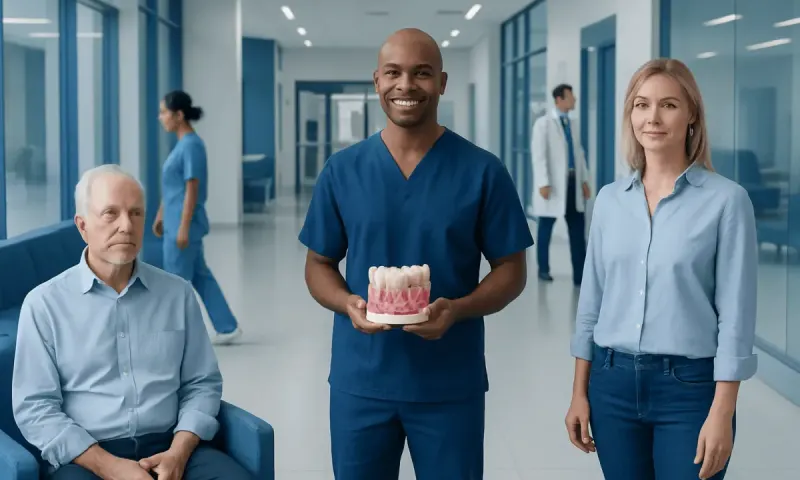
Children’s Dental Health: First Visits, Fluoride, and Cavity Prevention

Children’s dental health begins before the first tooth appears and continues through daily habits, regular dental visits, and age-appropriate fluoride use. With early guidance, most cavities in children can be prevented or managed before they become painful.
Overview
Children’s dental health is an important part of overall health. Healthy teeth help children chew comfortably, speak clearly, smile with confidence, and sleep without dental pain. Good oral care also supports nutrition and general well-being, because mouth discomfort can affect eating, behavior, school performance, and daily routines.
Many parents are surprised to learn that dental care should begin before all the baby teeth have come in. The first tooth is already at risk for decay if it is frequently exposed to milk, formula, juice, or sweet foods, especially when cleaning is inconsistent. Baby teeth may be temporary, but they hold space for adult teeth and help guide normal jaw and facial development.
The most effective approach is prevention. Early dental visits, fluoride, good brushing technique, healthy feeding habits, and parent supervision can greatly reduce the likelihood of cavities. A pediatric dentist or family dentist can also identify enamel problems, bite concerns, habits such as thumb sucking, and early signs of decay before they become more complex.
The First Dental Visit
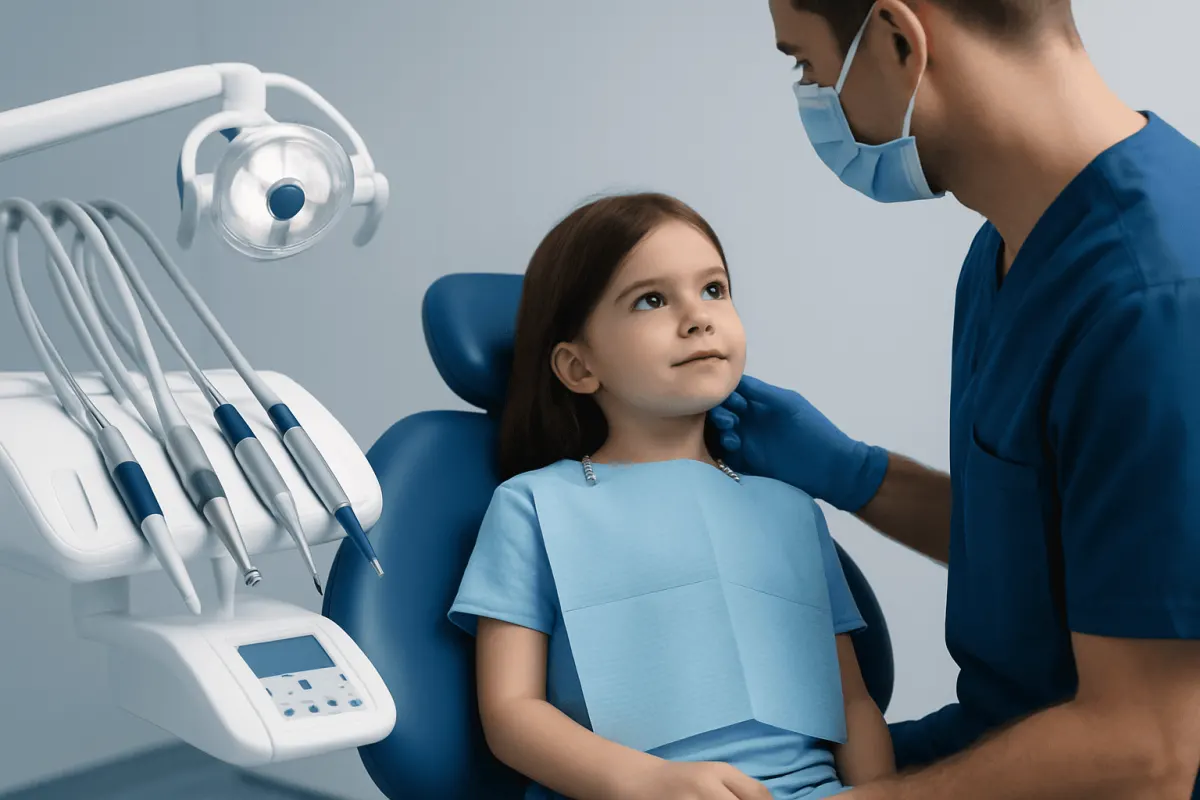
Most dental organizations recommend that children have their first dental visit by age one, or within six months after the first tooth appears. This first visit is often short, gentle, and focused on prevention rather than treatment. It gives parents a chance to ask questions about brushing, toothpaste, feeding, pacifiers, teething, and what to do if a tooth is injured.
During the appointment, the dentist may examine the child’s teeth, gums, tongue, jaw, and bite. For babies and toddlers, the examination may be done with the child sitting on a parent’s lap. The dentist checks for early signs of cavities, enamel defects, gum irritation, or developmental issues. If needed, fluoride varnish may be applied to strengthen the teeth.
Parents can help make the first visit positive by choosing a time when the child is usually rested and fed. It is helpful to describe the appointment in simple, calm words, such as “the dentist will count your teeth.” Avoid using words that may create fear, such as “pain,” “shot,” or “drill.” A calm parent and a predictable routine often make dental care easier for the child.
Baby Teeth: Why They Matter

Baby teeth, also called primary teeth, usually begin to appear around six months of age, although timing varies. Most children have a full set of 20 baby teeth by about age three. These teeth are designed to last for several years; some baby molars remain in the mouth until around age 10 to 12.
Untreated cavities in baby teeth can cause pain, infection, difficulty eating, and disturbed sleep. Infection from a baby tooth can sometimes affect the developing permanent tooth underneath. If a baby tooth is lost too early, nearby teeth may shift into the empty space, which can contribute to crowding or bite problems later.
Parents can watch for early warning signs of tooth decay. These may include chalky white spots near the gumline, yellow or brown staining, sensitivity, bad breath that does not improve with brushing, or a child avoiding chewing on one side. Early changes are often reversible or easier to treat, which is why regular dental checkups are valuable even when a child has no complaints.
Fluoride for Children
Fluoride is a naturally occurring mineral that helps strengthen tooth enamel and make teeth more resistant to acid attacks from bacteria and sugars. It can also support repair of very early enamel damage before a cavity forms. Fluoride may be found in some community water supplies, fluoride toothpaste, professional fluoride varnish, mouth rinses, and supplements when recommended by a dentist or doctor.
For most children, fluoride toothpaste is an important and safe part of daily prevention when used in the correct amount. For children under three years old, many guidelines recommend a smear of fluoride toothpaste about the size of a grain of rice as soon as the first tooth appears. For children aged three to six, a pea-sized amount is commonly recommended. Parents should supervise brushing and encourage the child to spit out excess toothpaste.
Professional fluoride varnish may be recommended for children at higher risk of cavities or as part of routine preventive care. It is painted onto the teeth and hardens quickly. The dentist will advise how often it is needed based on the child’s cavity risk, diet, brushing habits, medical history, and fluoride exposure from water or other sources.
Too much fluoride swallowed regularly while teeth are developing may contribute to dental fluorosis, which usually appears as faint white markings on enamel. This is why children should use only a small amount of toothpaste and keep toothpaste out of reach between brushings. Parents who are unsure about their child’s fluoride needs should ask a dentist, especially if the family uses well water, bottled water, or lives in an area without fluoridated water.
Daily Cavity Prevention at Home
Cavities develop when bacteria in the mouth use sugars and starches to produce acids that weaken tooth enamel. The risk increases when teeth are exposed to sweet or sticky foods and drinks many times throughout the day. Cavity prevention works best when brushing, diet, and regular dental care are combined consistently.
Parents should begin cleaning the mouth even before teeth erupt by gently wiping the gums with a clean, damp cloth. Once teeth appear, brushing should be done twice a day with a soft, age-appropriate toothbrush. Children usually need help brushing until they have the coordination to do it effectively, often around the early school years. Flossing should begin when two teeth touch and a toothbrush can no longer clean between them well.
Helpful daily habits include:
- Brush teeth twice daily, especially before bedtime.
- Use the correct amount of fluoride toothpaste for the child’s age.
- Limit juice, sweet drinks, and frequent snacking.
- Offer water between meals, especially after snacks.
- Avoid putting a child to bed with a bottle containing milk, formula, juice, or sweetened liquids.
- Schedule regular dental checkups as recommended by the dentist.
It is also important to make oral care feel normal rather than like a punishment. Songs, timers, child-friendly toothbrushes, and brushing together as a family can help. If a child resists brushing, parents can keep the routine brief, calm, and consistent while asking the dentist for practical techniques.
Food, Drinks, and Feeding Habits
Nutrition plays a major role in children’s dental health. Teeth are affected not only by how much sugar a child consumes, but also by how often the teeth are exposed to it. Sipping juice or sweet drinks over a long period gives mouth bacteria repeated opportunities to make acid. Sticky snacks, candies, sweet biscuits, and dried fruit can stay on teeth longer than foods that clear quickly from the mouth.
Water and plain milk are usually better everyday drink choices than juice or sweetened beverages. If juice is offered, it should be limited according to pediatric guidance and served with meals rather than sipped throughout the day. Whole fruits are generally preferable to fruit juice because they contain fiber and are less likely to bathe the teeth in sugar for long periods.
Balanced meals that include vegetables, fruits, whole grains, dairy or fortified alternatives, and protein foods support both oral and general health. Cheese, yogurt without added sugar, nuts for age-appropriate children, eggs, and crunchy vegetables can be tooth-friendly options. Families do not need to eliminate all sweets, but it is better to offer them occasionally with meals rather than as frequent snacks.
For infants and toddlers, bottle and breastfeeding habits matter. Breastfeeding has many health benefits, but teeth should still be cleaned once they appear, especially if night feeding is frequent after tooth eruption. Parents can discuss individualized feeding and oral hygiene guidance with a pediatrician or dentist.
Dental Sealants, Checkups, and Common Treatments
Regular dental checkups allow the dental team to monitor growth, clean teeth, apply preventive treatments, and guide parents as a child’s needs change. The recommended interval varies depending on the child’s risk of cavities, oral hygiene, diet, medical conditions, and previous dental problems. Some children benefit from visits every six months, while others may need closer follow-up.
Dental sealants are thin protective coatings placed on the chewing surfaces of back teeth, where grooves can trap food and bacteria. They are most often used on permanent molars, which usually erupt around ages six and twelve, but may also be considered for certain baby teeth. Sealants do not replace brushing or healthy eating, but they can be an effective added layer of protection.
If a cavity does develop, treatment depends on its size, location, and the child’s symptoms. Very early enamel changes may be managed with fluoride and improved home care. Larger cavities may need fillings, crowns, or other dental treatment. If infection is present, the dentist will discuss the safest and most appropriate options for the child’s age and condition.
Dental visits can also address habits and growth concerns. Thumb sucking, pacifier use, mouth breathing, grinding, and early bite problems may need observation or guidance. Not every habit requires immediate treatment, but timely evaluation helps families understand what is normal and when intervention may be helpful.
When to See a Dentist
Children should see a dentist for routine preventive care even when there are no symptoms. Parents should also make an appointment sooner if they notice tooth pain, swelling of the gums or face, pus, bleeding that is not related to normal brushing, a broken tooth, dark discoloration after an injury, or white, yellow, or brown spots on the teeth. A child who suddenly refuses food, avoids chewing, wakes at night, or frequently touches the mouth may be experiencing dental discomfort.
Dental injuries need prompt attention. If a baby tooth is knocked out, parents should not try to put it back in the socket, but they should contact a dentist quickly. If a permanent tooth is knocked out, urgent dental care is needed; the tooth should be handled by the crown, kept moist, and the family should seek immediate professional advice.
Children with medical conditions, special healthcare needs, dry mouth, enamel defects, orthodontic appliances, or a history of frequent cavities may need a personalized prevention plan. Families traveling internationally for care or seeking multidisciplinary support can ask about coordinated dental and pediatric services. Acıbadem Health Point’s multidisciplinary specialists and JCI-accredited hospitals diagnose and treat dental and related health concerns for international patients.
Frequently asked questions
01When should a child first go to the dentist?
A child should usually see a dentist by the first birthday or within six months after the first tooth appears. The first visit is mainly preventive and helps parents learn how to care for the child’s teeth. It also allows the dentist to check for early problems before they become more difficult to manage.
02Are baby teeth really important if they fall out later?
Yes. Baby teeth help children chew, speak, and smile, and they hold space for permanent teeth. Cavities or infections in baby teeth can cause pain and may affect eating, sleep, and the development of adult teeth.
03Is fluoride toothpaste safe for young children?
Fluoride toothpaste is safe and helpful when used in the correct amount and with adult supervision. A smear about the size of a grain of rice is commonly recommended for children under three, and a pea-sized amount for children aged three to six. Parents should encourage spitting and keep toothpaste out of reach when not in use.
04How can parents prevent bottle-related tooth decay?
Parents should avoid putting a child to bed with a bottle containing milk, formula, juice, or sweetened drinks. Teeth should be cleaned after the first tooth appears, especially before sleep. Water is the best option if a child needs a bottle or cup between meals, depending on age and pediatric guidance.
05How often should children brush their teeth?
Children should brush twice a day with a soft toothbrush and an age-appropriate amount of fluoride toothpaste. Brushing before bedtime is especially important because saliva flow decreases during sleep. Parents should help or supervise until the child can brush thoroughly.
06What are early signs of cavities in children?
Early signs may include chalky white spots near the gumline, brown or yellow areas, sensitivity, bad breath, or food getting stuck in certain teeth. Some children have no obvious symptoms at first. Regular dental checkups help detect decay at an early and more manageable stage.
07Do children need dental sealants?
Many children benefit from dental sealants, especially on the chewing surfaces of permanent molars. Sealants help protect deep grooves where toothbrush bristles may not clean well. A dentist can advise whether sealants are appropriate based on the child’s tooth shape and cavity risk.
This article is for general information only and is not a substitute for professional medical advice. Please consult a qualified doctor about your individual situation.
Explore treatments in Turkey — costs, top hospitals & a free quote
JCI-accredited · board-certified surgeons · reply within 24h
Add us as a Preferred Source to see more of our trusted health content across Google Search, AI Overviews and Discover.