Infant Allergic Reaction Rash: Signs and Urgent Symptoms

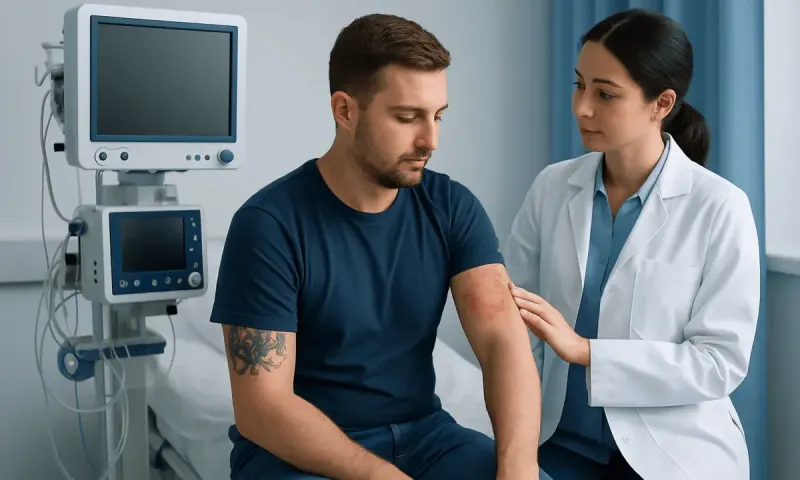
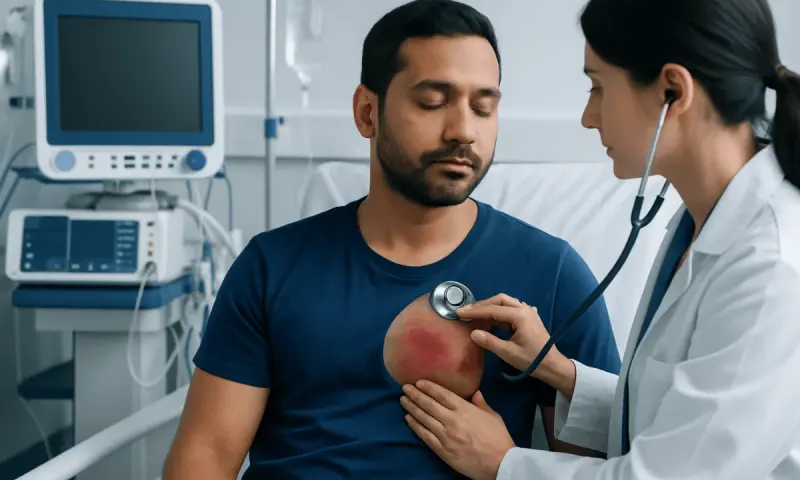
An allergic reaction infant rash can appear as raised, itchy hives, a flare of dry eczema, or localized redness after skin contact with an irritant or allergen. Many infant rashes are not allergies, so the rash pattern, timing, associated symptoms, and the baby’s overall wellbeing help guide the next steps.
Allergic Reaction Infant Rash: What It Can Mean
An allergic reaction infant rash is most often described as hives: raised, itchy, pink or skin-colored welts that may change shape, disappear in one area, and reappear elsewhere. Allergic rashes can also include redness or worsening eczema after exposure to a food, medicine, insect sting, or substance that touches the skin. The appearance of a rash alone, however, cannot reliably confirm an allergy.
Infants develop rashes for many reasons. Heat, saliva, diapers, viral infections, dry skin, soaps, and friction are common explanations. A baby may also develop small bumps or patches that are harmless and temporary. Looking at when the rash started, how long it lasts, whether it itches, and whether other symptoms are present is often more informative than the color or location alone.
Most isolated rashes are not emergencies, particularly when an infant is feeding, breathing, and behaving normally. Still, parents and caregivers should seek urgent help if a rash is accompanied by swelling of the lips, tongue, or face; wheezing; breathing trouble; repeated vomiting; sudden limpness; or marked sleepiness. These can be signs of a serious allergic reaction.
How Allergic Rashes May Look in Infants
Hives, also called urticaria, are the rash most closely associated with immediate allergic reactions. Individual welts may be small or large, round or irregular, and may join together. They usually itch, although very young infants may show discomfort through fussiness, rubbing, or disturbed sleep. Unlike many other rashes, hives often move from place to place and each individual welt typically fades within a day.
An eczema flare looks different. It commonly causes dry, rough, inflamed, itchy skin, especially on the cheeks, scalp, trunk, outer arms, or legs in young babies. In some infants, certain foods or environmental exposures can worsen eczema. Yet eczema is also common without a food allergy, and removing foods without medical advice may unnecessarily limit nutrition.
Contact reactions tend to stay where the substance touched the skin. For example, redness may develop beneath adhesive, on the hands after a fragranced product, or around the mouth after contact with an acidic food. Irritant rashes may sting more than itch and do not necessarily involve the immune system. A clinician can help distinguish these patterns when the cause is uncertain.
- Hives: raised, itchy welts that come and go or shift location.
- Eczema flare: persistent dry, itchy, rough or inflamed patches.
- Contact reaction: redness or irritation limited mainly to an area of exposure.
- Viral rash: often occurs with fever, cough, runny nose, or other signs of infection.
Common Triggers and Why Timing Matters
Foods are an important possible trigger during infancy, particularly as complementary foods are introduced. Milk, egg, peanut, tree nuts, wheat, soy, sesame, fish, and shellfish are among foods that can cause allergy, although any food can potentially trigger a reaction. An immediate food allergy reaction often begins within minutes to about two hours after eating, but timing alone does not establish the diagnosis.
Medicines can also cause rashes. Some rashes occur because of an immune allergy, while others are non-allergic side effects or are related to the illness being treated. Antibiotics are a common example: a child with a viral infection may develop a rash while taking an antibiotic, but this does not always mean the antibiotic caused a true allergy. It is important not to label a child as medication-allergic without clinical evaluation.
Other triggers may include insect stings, animal dander, pollen, mold, latex, skin-care products, detergents, and fragrances. In very young infants, environmental allergies are less commonly the explanation for a new rash than irritation, eczema, or infection. Recording the timing of feeds, medications, new products, and symptoms can give a clinician useful information without relying on guesswork.
Rashes That Can Be Mistaken for Allergy
Viral infections are one of the most frequent causes of hives and widespread rashes in children. An infant may have hives during or shortly after a cold, stomach illness, or fever, even without a new food or medicine. In these cases, the immune response to the infection may be the trigger. The rash can still be uncomfortable, but it does not automatically mean the infant has a long-term allergy.
Heat rash develops when sweat ducts become blocked, often in warm or humid conditions or beneath tight clothing. It usually appears as tiny red bumps in skin folds, on the neck, chest, or back. Diaper dermatitis is another common non-allergic rash, driven by moisture, friction, stool, urine, or yeast overgrowth. Both are managed differently from hives or food allergy.
Some skin infections need prompt medical assessment. A rash with blisters, crusting, pus, rapidly spreading redness, significant tenderness, or fever may indicate infection. Tiny purple or red spots that do not fade when pressed can also require urgent evaluation, particularly if the baby appears unwell. Caregivers should not assume that every sudden rash is an allergy.
How Clinicians Assess a Possible Allergy
Diagnosis begins with a careful history. A clinician will ask what the infant ate, touched, or was given before the rash; how quickly symptoms began; whether the rash was itchy or raised; and whether there were vomiting, coughing, breathing changes, or behavior changes. Photographs taken during the reaction can be very helpful because hives and other rashes may fade before the appointment.
The infant’s age, feeding history, growth, eczema severity, family history, and previous reactions are also considered. If a particular food is suspected, the clinician may recommend evaluation by an allergy specialist. Skin-prick testing and blood tests that measure allergy-related antibodies can be useful in the right setting, but a positive test alone does not prove that a food causes symptoms when eaten.
For selected infants, supervised food introduction or an oral food challenge may be the most reliable way to confirm or exclude a food allergy. This is performed by experienced healthcare professionals because reactions can occur. Families should not attempt home testing by repeatedly offering a food that caused immediate hives, swelling, vomiting, or respiratory symptoms.
Practical Care at Home and Preventing Avoidable Irritation
When an infant has a mild rash but is otherwise well, caregivers can keep the skin comfortable by avoiding overheating, using loose breathable clothing, and choosing fragrance-free cleansers and moisturizers. For eczema-prone skin, regular use of a bland, fragrance-free emollient can support the skin barrier. Any medicine, including antihistamines or medicated creams, should be given only with age-appropriate advice from a qualified clinician.
If a food appears to have caused an immediate reaction, it is sensible to stop offering that food and contact the infant’s healthcare professional for guidance. However, broad elimination diets should not be started without advice, especially in infants who rely on breast milk, formula, or a limited number of complementary foods. Unnecessary avoidance can affect nutrition and may make feeding more difficult.
A simple symptom record can be useful. It may include the date and time, food or product exposure, amount eaten if relevant, rash location and appearance, other symptoms, and how long the reaction lasted. Parents should also note whether the child was ill at the time, since infection can be a major contributor to hives. If ongoing evaluation is needed, Acıbadem Health Point’s multidisciplinary specialists and JCI-accredited hospitals can assess allergic and skin conditions for international patients.
When to Seek Medical Care
Emergency medical care is needed immediately if an infant develops trouble breathing, wheezing, persistent coughing, a hoarse cry, swelling of the tongue, lips, or face, repeated vomiting after a suspected exposure, sudden pale or floppy behavior, fainting, or unusual difficulty waking. These symptoms may occur with or without a rash. Caregivers should use any emergency plan already prescribed for the child and call local emergency services.
A same-day medical assessment is appropriate for a first episode of widespread hives, a rash after a new medicine, a possible reaction after eating a new food, or a rash that is rapidly worsening. Medical advice is also important if the infant has fever, poor feeding, fewer wet diapers, significant discomfort, blisters, skin peeling, or signs of infection.
For a mild, limited rash in a well-appearing baby, a routine appointment may be appropriate if it keeps returning, lasts more than a few days, interferes with sleep, or is associated with eczema that is difficult to control. A clinician can identify likely causes, advise on skin care, and decide whether allergy testing or specialist referral is useful.
Frequently asked questions
01Can teething cause an allergic reaction infant rash?
Teething itself does not cause an allergic reaction. Extra drooling can irritate the skin around the mouth, chin, and neck and may cause a localized rash. Hives, facial swelling, vomiting, or breathing symptoms should not be attributed to teething and need medical assessment.
02How quickly does a food allergy rash appear in a baby?
Immediate food allergy symptoms often begin within minutes to about two hours after the food is eaten. Hives, swelling, vomiting, cough, or breathing changes are more suggestive of this type of reaction than a rash that develops much later. A clinician should review any suspected reaction before the food is offered again.
03Can an infant have hives without having a food allergy?
Yes. Viral infections are a common cause of hives in infants and young children. Heat, medicines, insect stings, and sometimes no identifiable trigger can also be involved. The timing of symptoms and any associated signs help determine whether food allergy is likely.
04Should parents stop breastfeeding if a baby develops eczema or a rash?
Breastfeeding should not usually be stopped because of eczema or a nonspecific rash. In a small number of situations, a clinician may consider whether proteins from a parent’s diet are contributing to symptoms, but this requires individualized guidance. Dietary restrictions during breastfeeding should not be made broadly without medical or dietetic advice.
05Are allergy tests accurate for infant rashes?
Allergy tests can identify sensitization, meaning the immune system recognizes a substance, but they cannot diagnose allergy on their own. Results must be interpreted alongside the infant’s reaction history and examination. Testing without a clear clinical reason can lead to unnecessary food avoidance.
06What should parents photograph when an infant develops a rash?
Clear photos should show the overall distribution of the rash and close-up images of individual spots or welts. It is helpful to note the time the photo was taken and whether the rash changed location or faded. Photos can help a clinician distinguish hives from eczema, irritation, or other common rashes.
This article is for general information only and is not a substitute for professional medical advice. Please consult a qualified doctor about your individual situation.
Hair transplant in Turkey — costs, graft counts & a free assessment
JCI-accredited · board-certified surgeons · reply within 24h
Add us as a Preferred Source to see more of our trusted health content across Google Search, AI Overviews and Discover.