TB Rash: Symptoms, Causes, and Medical Assessment
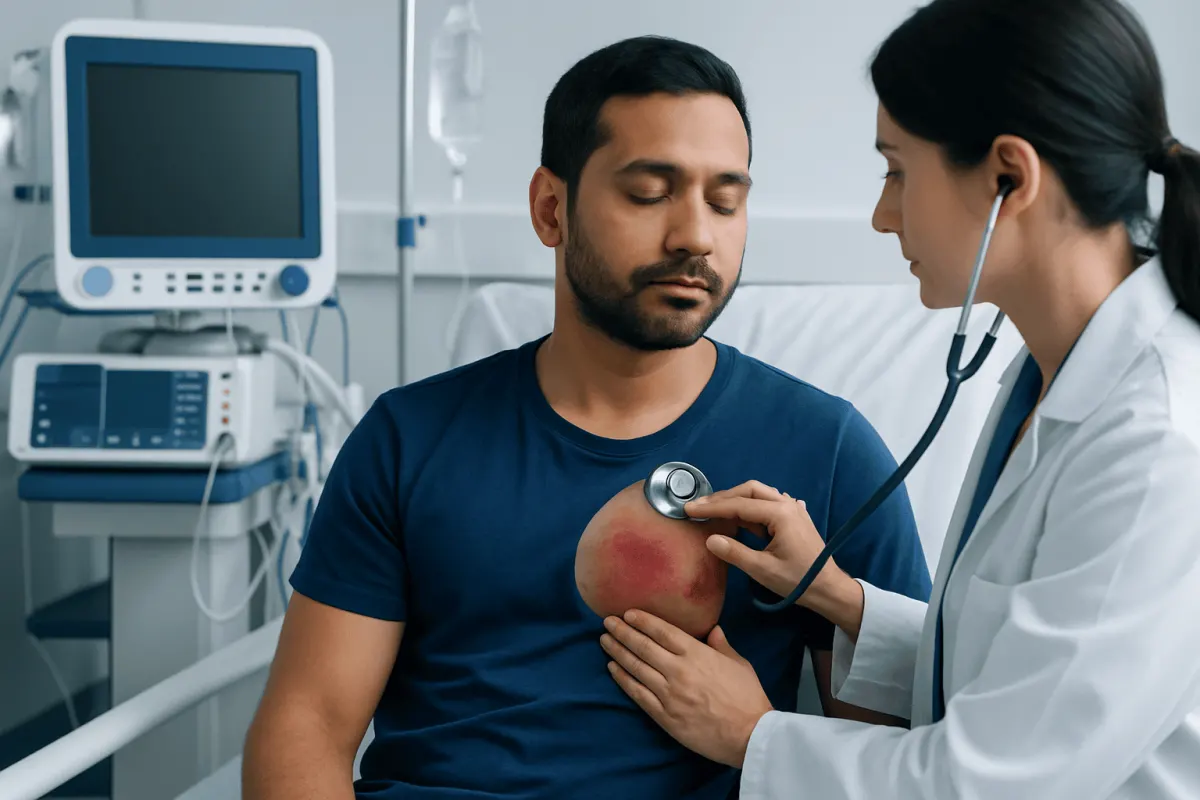
A TB rash is not one single rash pattern. It may be caused by tuberculosis affecting the skin, the immune system’s response to TB elsewhere in the body, or a reaction to tuberculosis medicines; a clinician should assess any new, persistent, painful, or unexplained rash.
What does a TB rash mean?
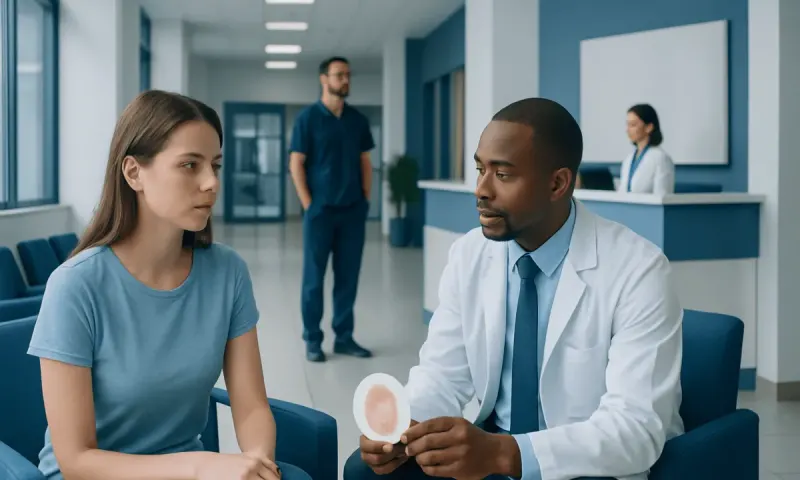
A TB rash refers to skin changes that occur in connection with tuberculosis (TB), an infection caused by Mycobacterium tuberculosis. It can describe true skin tuberculosis, also called cutaneous tuberculosis, in which the bacteria affect the skin. It can also describe a skin reaction caused by the body’s immune response to TB in another part of the body, most often the lungs or lymph nodes.
Not every rash in a person with TB is caused by TB itself. Viral illnesses, eczema, allergic reactions, other infections, and medicines can all cause rashes. In particular, people receiving TB treatment may develop a medication-related rash. Because the appearance of rashes can overlap, a healthcare professional should assess a suspected TB rash rather than relying on photographs or self-diagnosis.
TB most commonly affects the lungs, where it may cause a persistent cough, fever, night sweats, tiredness, weight loss, or coughing up blood. However, TB can affect areas outside the lungs, including lymph nodes, bones, the brain, kidneys, and, less often, skin. A rash alone does not establish that a person has active or contagious pulmonary TB.
How can a TB-related rash look?
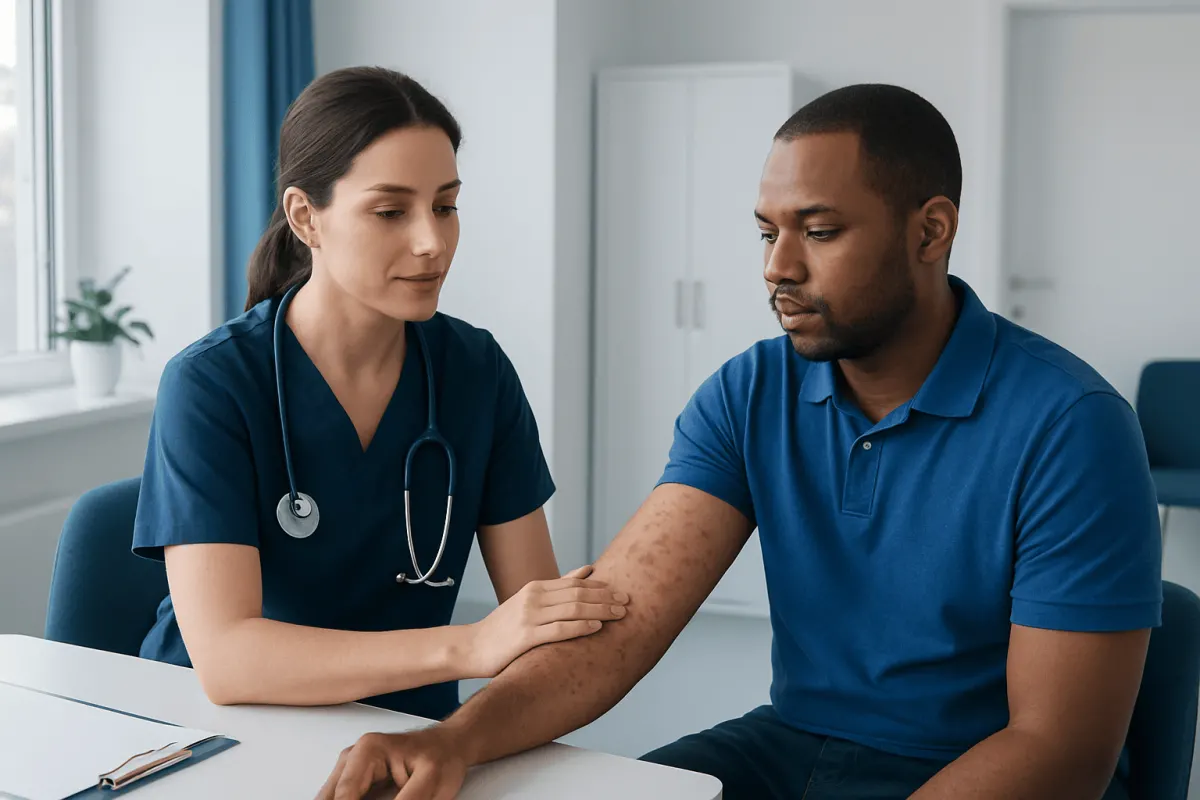
Skin tuberculosis can take several forms, and its appearance depends partly on how the bacteria reached the skin and how the immune system responds. It may begin as a slowly growing, painless reddish-brown, purplish, or skin-colored bump or plaque. Some lesions become scaly, crusted, ulcerated, or develop drainage over time. They may occur near lymph nodes, at a previous injury or procedure site, or on the face, neck, hands, or other body areas.
One important immune-related pattern is erythema nodosum. This causes tender, warm red or purple lumps, usually on both shins. The lumps can resemble bruises as they fade and may be accompanied by joint pain, fatigue, or fever. TB is one possible trigger, but erythema nodosum is more commonly associated with other infections, inflammatory conditions, pregnancy, or certain medicines.
Another less common pattern, sometimes called erythema induratum, involves recurrent tender nodules on the backs of the legs. These may break down to form ulcers in some people. A clinician will consider TB among several possible explanations, particularly where TB exposure or infection is known.
A rash from TB medicines may be itchy and widespread, with small red spots or raised patches. It can occur early or later in treatment and may be mild, but it can occasionally signal a serious drug reaction. The timing of the rash, other symptoms, and the medicines being taken are all important information for the treating team.
Possible causes and risk factors
Direct cutaneous tuberculosis occurs when TB bacteria reach the skin. This may happen by spread from an underlying infected lymph node, bone, or other nearby tissue, through the bloodstream from infection elsewhere, or rarely through direct entry into broken skin. The likelihood and form of skin disease can be influenced by a person’s immune response and overall health.
Immune-mediated skin reactions occur when the immune system responds to TB antigens without a large number of bacteria necessarily being present in the skin lesion. A doctor may investigate for active TB or latent TB infection, depending on the type of rash and the person’s symptoms, examination findings, exposure history, and test results.
Risk factors that make TB infection more likely include close contact with someone with infectious TB, living in or recent travel from an area where TB is more common, previous untreated TB exposure, and living or working in crowded settings. Conditions or treatments that weaken immunity, including HIV infection, some cancer treatments, organ transplantation, and certain immune-suppressing medicines, can also raise the risk of active TB.
Medication reactions are another consideration. Standard TB treatment usually uses several antibiotics together, and any of them may contribute to a rash. A person should not stop or restart TB medicines without advice unless emergency clinicians direct otherwise, because treatment changes must balance the possibility of an allergy with the need to treat infection effectively.
How doctors assess a suspected TB rash
Assessment starts with a detailed history. A clinician will ask when the rash began, whether it is itchy, painful, spreading, ulcerated, or draining, and whether there are symptoms such as cough, fever, night sweats, fatigue, weight loss, swollen lymph nodes, or joint pain. They will also ask about TB contact, travel, prior TB testing or treatment, immune health, and all medicines and supplements.
The skin is examined closely, including the distribution and type of lesions. Depending on the findings, a dermatologist or infectious diseases specialist may take a small sample of skin, known as a biopsy. The sample can be examined under a microscope and may be sent for special staining, culture, and molecular testing to look for TB bacteria. Cultures can take time, but they may help confirm the diagnosis and identify drug resistance.
Testing for TB elsewhere in the body may include a TB blood test or skin test, chest imaging, and sputum testing if respiratory symptoms are present. These tests should be interpreted together: a positive blood or skin test indicates TB infection but cannot by itself distinguish latent infection from active disease or prove that TB is the cause of a rash.
Doctors may also test for other explanations, such as bacterial or fungal skin infection, inflammatory skin disease, medication allergy, or another systemic condition. This careful approach helps avoid unnecessary TB treatment and supports timely treatment when TB is confirmed.
Treatment options
Treatment depends on the cause. Confirmed cutaneous tuberculosis is generally treated with a combination of anti-tuberculosis medicines chosen by an experienced clinician. The exact regimen and duration vary according to the site of disease, test results, potential drug resistance, other health conditions, and whether TB is present elsewhere in the body. Follow-up is important to monitor improvement and possible medicine side effects.
If a rash is an immune reaction associated with TB, treating any identified underlying TB infection is central to care. Supportive measures may also be recommended for symptoms such as pain or swelling, but the appropriate choices depend on the individual’s medical history. A clinician should guide care, especially if there are ulcers, significant pain, fever, or concerns about infection.
For a suspected TB medication rash, the treating team will assess severity and determine whether medicines can be continued with monitoring, need adjustment, or should be stopped and replaced. Severe reactions require urgent medical care. Patients should report a new rash promptly and bring a complete list of all medicines, including non-prescription products.
Successful treatment also depends on taking medicines exactly as prescribed and attending scheduled appointments. Missing doses or stopping treatment early can allow TB to persist and may contribute to drug resistance. The care team can help address nausea, itching, adherence concerns, and practical barriers to treatment.
Self-care and preventing complications
Until the cause is clear, gentle skin care is sensible. Keeping the area clean, avoiding scratching, and not picking, squeezing, or trying to drain lesions can reduce irritation and secondary infection. Fragranced products, harsh scrubs, and unprescribed creams may worsen inflamed skin or obscure changes that a clinician needs to assess.
It is useful to record when the rash appeared, its location, whether it changes, and any associated symptoms. Clear photographs taken in similar lighting can help show progression between appointments. People taking TB medicines should note the names of their medicines and the date each was started, as this can help identify a possible drug reaction.
TB prevention includes timely testing after meaningful exposure, completing recommended treatment for latent TB infection when advised, and following public health guidance for active pulmonary TB. Good ventilation, cough hygiene, and evaluation of close contacts may be important when someone has infectious lung TB. Skin TB itself does not automatically mean that a person is infectious to others.
Acıbadem Health Point’s multidisciplinary specialists and JCI-accredited hospitals can assess suspected TB-related skin conditions and coordinate dermatology, infectious diseases, imaging, and laboratory care for international patients.
When to seek medical care
A person should arrange medical assessment soon for a rash that lasts longer than a few days without a clear explanation, is painful, forms lumps or ulcers, drains fluid, spreads, or occurs alongside cough, fever, night sweats, unexplained weight loss, enlarged lymph nodes, or marked tiredness. Evaluation is particularly important for anyone with recent TB exposure, a history of TB, or a weakened immune system.
Anyone who develops a rash after beginning TB medicines should contact their TB care team promptly, even if the rash seems mild. The team can decide whether the reaction needs observation, testing, or changes in treatment. They should not make medication changes independently unless urgent care professionals advise them to do so.
Emergency care is needed for a rash with trouble breathing, wheezing, swelling of the lips, tongue, face, or throat, widespread blistering or peeling skin, sores in the mouth or eyes, a high fever, faintness, or rapidly worsening illness. These symptoms can indicate a severe allergic or drug reaction and need immediate assessment.
Frequently asked questions
01Can tuberculosis cause a rash?
Yes. TB can rarely affect the skin directly, or it can trigger immune-related skin conditions such as erythema nodosum. A rash may also be caused by medicines used to treat TB, so clinical assessment is important.
02What does a TB rash look like?
There is no single TB rash appearance. It may involve slowly enlarging bumps, plaques, ulcers, draining lesions, or tender red-purple nodules on the legs. Many common skin conditions can look similar, so appearance alone cannot confirm TB.
03Is a TB rash contagious?
A rash itself is not usually how TB spreads. TB is most commonly transmitted through the air when a person with infectious pulmonary or throat TB coughs, speaks, sings, or breathes. A clinician can determine whether there is active lung or throat involvement and whether precautions are needed.
04Can TB medicine cause an itchy rash?
Yes, TB medicines can sometimes cause an itchy or widespread rash. Any new rash during treatment should be reported promptly to the prescribing team. Urgent care is needed if the rash occurs with facial swelling, breathing problems, blisters, skin peeling, or sores in the mouth or eyes.
05How is cutaneous tuberculosis diagnosed?
Doctors combine the skin examination with a person’s symptoms, TB exposure history, and tests. A skin biopsy may be examined and tested for TB bacteria, while blood or skin tests, chest imaging, and sputum testing may help assess TB elsewhere in the body.
06Will a TB rash go away with treatment?
A rash caused by confirmed TB often improves with appropriate anti-tuberculosis treatment, although healing can take time and may leave changes in skin color or scarring. The outlook depends on the specific type of skin involvement, the presence of TB elsewhere, and whether treatment is completed as prescribed.
This article is for general information only and is not a substitute for professional medical advice. Please consult a qualified doctor about your individual situation.
Medical weight-loss options in Turkey — costs & eligibility
JCI-accredited · board-certified surgeons · reply within 24h
Add us as a Preferred Source to see more of our trusted health content across Google Search, AI Overviews and Discover.