Fever Rash: Causes, Symptoms and Warning Signs

A fever rash is a skin eruption that occurs with an elevated body temperature. Many cases are linked to common viral infections, especially in children, but some require urgent medical assessment because the pattern and accompanying symptoms can signal a more serious illness.
Overview: What Is a Fever Rash?
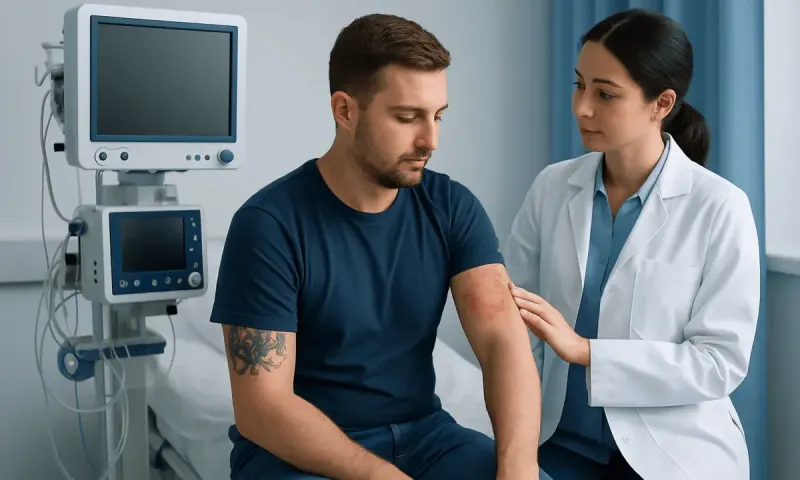
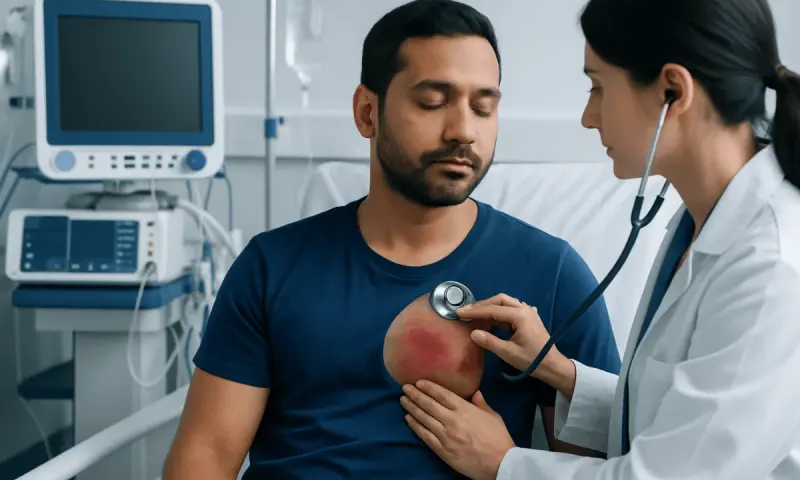
A fever rash describes a visible change in the skin that develops while a person has a fever or shortly before or after it. The rash may appear as small pink or red spots, raised bumps, widespread redness, blisters, hives, or purple marks. It can be localized to one part of the body or spread across the trunk, face, limbs, hands, feet, or mouth.
It is not a diagnosis on its own. The combination of fever and rash can occur with many illnesses, ranging from self-limited viral infections to conditions that require prompt treatment. A clinician considers the person’s age, the order in which fever and rash began, recent medicines, vaccination status, exposure to illness, travel, insect bites, and associated symptoms.
In children, viral infections are among the most frequent explanations. In adults, a fever rash may also be related to infection, a reaction to a medicine, an immune-related condition, or less commonly another systemic illness. Careful evaluation is especially important when the person looks very unwell or the rash has concerning features.
Symptoms and Rash Patterns
Rashes associated with fever vary considerably. Some are flat, pink-red spots that fade briefly when pressed; others are slightly raised and feel rough. A rash may itch, sting, be tender, or cause no discomfort. It may occur with tiredness, headache, sore throat, cough, runny nose, vomiting, diarrhea, swollen glands, muscle aches, or reduced appetite.
The timing can offer helpful clues. For example, some childhood viral illnesses cause several days of fever followed by a rash as the temperature settles. Other infections begin with a rash and fever at about the same time. A rash that starts after a new medicine has been introduced may suggest a drug reaction, although infection can still be the cause.
Some symptoms should be treated as urgent warning signs. These include a rash made of purple-red dots or larger patches that do not fade when pressed, rapidly spreading bruising-like marks, severe headache, stiff neck, confusion, unusual sleepiness, trouble breathing, fainting, severe pain, seizures, or signs of dehydration. In babies, poor feeding, weak crying, unusual limpness, or a bulging soft spot on the head are also reasons for urgent assessment.
- Blanching rash: redness becomes lighter when a clear glass or finger is pressed against it.
- Non-blanching rash: red, purple, or brown marks do not fade with pressure and need prompt medical attention, especially with fever or illness.
- Blisters, skin peeling, sores in the mouth, or painful eyes can indicate a severe skin or medicine reaction and should be assessed urgently.
Causes and Risk Factors

Viral infections are a common cause of fever rash. Depending on a person’s age and symptoms, these may include viruses that cause roseola, hand-foot-and-mouth disease, chickenpox, measles, rubella, parvovirus infection, or nonspecific viral exanthems. Vaccination has greatly reduced the risk of several vaccine-preventable causes, but exposure can still occur, particularly during outbreaks or after travel.
Bacterial infections can also cause fever and rash. Certain throat infections, skin infections, tick-borne illnesses, and invasive bacterial infections may produce a rash. A serious bloodstream infection can sometimes cause a non-blanching rash, which is why this feature should never be ignored. The severity of illness is often more important than the rash alone.
Medicines may cause rashes with or without fever. Antibiotics, anti-seizure medicines, anti-inflammatory medicines, and other treatments can occasionally trigger immune reactions. A person should not stop a prescribed medicine without medical advice unless there are signs of a severe reaction, such as facial swelling, breathing problems, widespread blistering, or skin peeling, when emergency care is needed.
Risk factors for specific causes include close contact with someone who is ill, incomplete immunization, recent travel, tick or mosquito exposure, a new medication, pregnancy, and a weakened immune system. Infants and people with chronic medical conditions may be more vulnerable to complications from certain infections.
How Fever Rash Is Diagnosed
A healthcare professional usually begins with a detailed history and physical examination. They may ask when the fever began, how high it has been, when the rash appeared, whether it is itchy or painful, and whether it changes with pressure. They will also ask about sick contacts, recent travel, vaccines, insect bites, new foods or medicines, and other symptoms.
Examining the skin closely is important, but clinicians also assess overall appearance, breathing, circulation, hydration, mental alertness, and signs of infection in the throat, ears, chest, abdomen, or joints. In a child, the clinician may ask whether the child is drinking, urinating normally, interacting as usual, and able to be comforted.
Many mild viral rashes can be diagnosed clinically and do not require tests. If the cause is uncertain or the person appears unwell, tests may include blood tests, throat or nasal swabs, urine testing, or tests for particular infections. In suspected serious bacterial infection, urgent blood cultures and other investigations may be needed before or alongside treatment.
Photographs can be useful when a rash comes and goes, but they do not replace an in-person examination if warning signs are present. Parents and caregivers can note the time of onset, temperature readings, medicines taken, and how the rash has changed to help the clinical assessment.
Treatment Options and Home Care
Treatment depends on the cause. A mild viral fever rash often improves with rest, fluids, and symptom relief while the illness runs its course. A clinician may recommend fever-reducing medicine appropriate for the person’s age, health history, and other medicines. Children and teenagers should not be given aspirin for fever unless a doctor has specifically advised it, because of the risk of Reye syndrome.
Keeping the person comfortably cool, offering regular fluids, and avoiding overdressing can help. For children, frequent small amounts of fluid may be easier if appetite is low. Loose, soft clothing and avoiding fragranced skin products may reduce irritation. Scratching should be discouraged because it can damage the skin and increase the risk of secondary infection.
Antibiotics are only useful when a bacterial infection is diagnosed or strongly suspected; they do not treat viral infections. Suspected medicine-related rashes, hives, or inflammatory illnesses need individualized medical advice. Severe reactions or invasive infections may require emergency treatment and hospital care.
Anyone with a fever rash should follow advice about avoiding close contact with others when an infectious illness is possible. This is particularly important around newborns, pregnant people, older adults, and people with weakened immunity. A clinician or public health service can advise on school, work, isolation, and contact precautions where needed.
Prevention and Self-Care
Not every fever rash can be prevented, but routine vaccination is one of the most effective ways to reduce the risk of several infections that can cause fever and rash. Keeping immunizations up to date for children and adults is especially important before international travel, during pregnancy planning, or when living with people at higher risk of severe infection.
Everyday infection-prevention measures also help: regular handwashing, covering coughs and sneezes, avoiding sharing cups or utensils during illness, and cleaning frequently touched surfaces. Staying home when feverish or otherwise unwell can reduce spread to others, following local public health guidance.
When relevant, prevention may include avoiding tick-infested areas, using appropriate insect protection, and checking for ticks after time outdoors. People who develop fever and rash after travel, a known insect bite, or contact with an infected person should mention this clearly to a healthcare professional.
Self-care should focus on comfort and monitoring rather than trying to identify the cause from appearance alone. The pattern of illness can change over hours or days. If symptoms worsen, new warning signs develop, or the person is not improving as expected, medical advice should be sought.
When to See a Doctor
Urgent medical evaluation is needed for fever with a non-blanching rash, a rapidly spreading purple rash, difficulty breathing, swelling of the lips or face, severe headache, stiff neck, confusion, seizure, severe weakness, persistent vomiting, or signs of significant dehydration. Emergency care is also appropriate for widespread blistering, peeling skin, or painful sores in the mouth or eyes.
Parents and caregivers should seek prompt advice for any baby younger than 3 months with a fever, whether or not a rash is present. Young children with fever rash should also be assessed promptly if they are difficult to wake, not feeding or drinking, have fewer wet diapers or less urine, cry inconsolably, or seem markedly different from usual.
A non-urgent medical appointment is sensible when fever lasts more than a few days, the rash persists or recurs, symptoms are worsening, or there is concern about a new medication or a contagious illness. People who are pregnant, immunocompromised, or have significant long-term health conditions should seek advice early.
Acıbadem Health Point’s multidisciplinary specialists and JCI-accredited hospitals can assess fever rash and its underlying causes for international patients. A timely clinical review helps distinguish common, self-limited infections from conditions needing specific treatment.
Frequently asked questions
01Is a fever rash usually serious?
Many fever rashes, particularly in children, are caused by common viral infections and resolve with supportive care. However, the rash alone cannot reliably determine the cause. A person who appears very unwell or has warning signs should be assessed urgently.
02What does a concerning fever rash look like?
Purple, red, or brown spots that do not fade when pressed are concerning, especially if they develop quickly or occur with fever and poor general condition. Bruising-like marks, blisters, skin peeling, or a rash with facial swelling or breathing symptoms also need urgent medical assessment.
03Can a new medicine cause fever and rash?
Yes. Some medicines can cause a rash, and occasionally fever, as part of an allergic or immune reaction. A clinician should review any new or recently changed medicine, particularly if the rash is widespread, painful, blistering, or associated with swelling or breathing difficulty.
04Should a child with fever rash stay home from school?
A child with fever should generally stay home until they feel well enough for normal activities and fever has resolved without fever-reducing medicine, subject to local school guidance. Some infections have specific exclusion periods. A clinician can advise if a contagious illness such as chickenpox, measles, or hand-foot-and-mouth disease is suspected.
05Can adults get viral fever rashes?
Yes. Adults can develop viral rashes, especially after exposure to children or during community outbreaks. Adults may also have other causes, including medication reactions and travel-related infections, so new fever with rash should be discussed with a healthcare professional when the cause is unclear.
06What can be done at home for a mild fever rash?
Rest, fluids, comfortable clothing, and age-appropriate fever relief recommended by a clinician can help. Avoid aspirin in children and teenagers unless specifically prescribed. Monitor the person closely, and seek medical care if fever persists, symptoms worsen, or warning signs appear.
This article is for general information only and is not a substitute for professional medical advice. Please consult a qualified doctor about your individual situation.
Persistent digestive symptoms? Get evaluated in Turkey
JCI-accredited · board-certified surgeons · reply within 24h
Add us as a Preferred Source to see more of our trusted health content across Google Search, AI Overviews and Discover.