Id Reaction: Why a Secondary Itchy Rash Develops

An id reaction is a secondary skin eruption that develops when the immune system responds to a significant skin infection or inflammation in another part of the body. It is not usually a sign that the original condition is spreading, and treatment focuses on identifying and controlling the trigger while relieving itch and irritation.
Overview: What Is an Id Reaction?
An id reaction, also called autosensitization dermatitis, is an itchy rash that occurs as a response to inflammation, infection, or irritation elsewhere on the skin. The new eruption often appears at a distance from the original problem. For example, a person with an active fungal infection between the toes may develop small itchy blisters on the hands or another widespread rash on the body.
The term “id” is used in dermatology to describe this indirect immune response. An id reaction is not usually caused by direct spread of an infection to the new rash. Rather, the body reacts to substances released during the original inflammatory process, such as fungal components, bacterial products, or damaged-skin proteins. This distinction is important because the primary condition and the secondary rash may need different forms of care.
Id reactions can look similar to eczema, allergic contact dermatitis, hives, or other common rashes. They are generally manageable, but a healthcare professional should evaluate a new, extensive, persistent, or very uncomfortable rash. Identifying the source helps guide treatment and prevents repeated episodes.
How an Id Reaction May Look and Feel
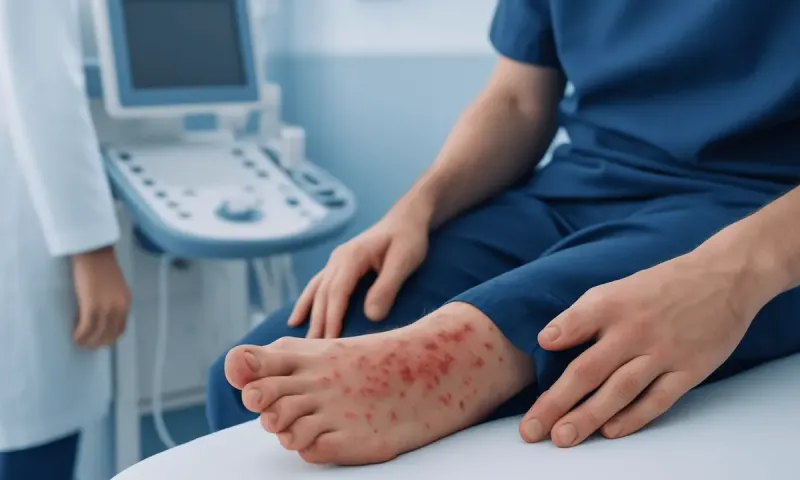
The appearance of an id reaction varies according to the trigger and the person’s skin. It often causes itching, which may be mild or intense. The rash can consist of tiny fluid-filled blisters, red bumps, dry scaly patches, or eczema-like areas. In some people, the skin feels warm, irritated, or sensitive before the visible rash becomes clear.
A classic pattern is an itchy blistering eruption on the sides of the fingers, palms, or hands in someone with a fungal infection of the feet. This form is sometimes called a dermatophytid reaction. However, id reactions can also occur on the arms, trunk, legs, or more widely across the body, particularly when the original inflammation is extensive.
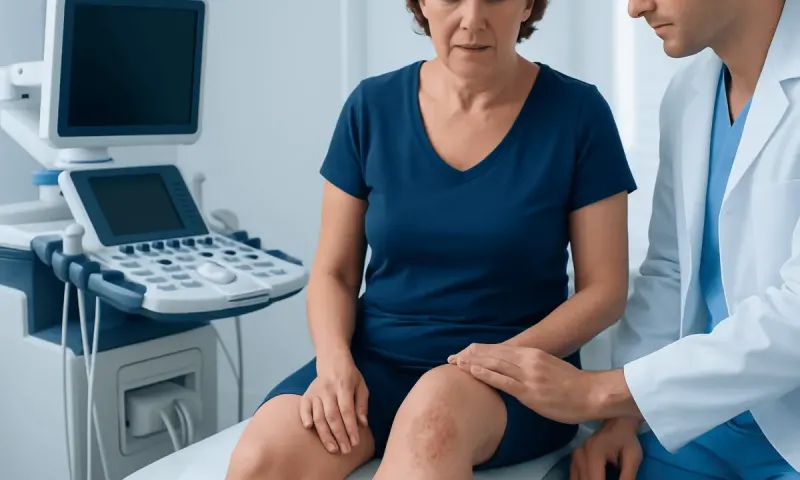
The original skin condition may look quite different from the secondary rash. It may involve peeling and cracking between the toes, weeping eczema, an inflamed wound, or a chronic rash on the lower legs. The two areas should be considered together during assessment. Scratching can break the skin and increase the chance of additional irritation or infection, so gentle itch control is helpful.
- Red, itchy papules or patches
- Small blisters, especially on the hands or feet
- Dryness, scaling, or eczema-like skin changes
- A rash that develops days to weeks after another skin problem becomes active
Why Id Reactions Happen

The exact mechanism of an id reaction is not fully understood in every case. It is thought to involve immune cells becoming activated by a strong inflammatory signal from another area of skin. These cells and chemical messengers can then contribute to inflammation in skin that has not been directly infected or injured.
Fungal skin infections are a well-recognized trigger, particularly athlete’s foot or fungal infection of the nails. In this situation, the person may develop a dermatophytid reaction while the fungus remains limited to the original site. The blisters or rash away from the feet generally do not contain fungus, which is why simply applying antifungal medicine to the secondary eruption may not resolve it.
Other possible triggers include significant eczema, allergic contact dermatitis, chronic venous stasis dermatitis of the lower legs, bacterial skin infections, and occasionally infestations or other inflammatory skin disorders. A reaction may be more likely when the original condition is severe, longstanding, moist, broken, or untreated. It does not mean that a person has poor hygiene or that the condition is contagious.
How Doctors Diagnose an Id Reaction
Diagnosis is based mainly on the pattern of symptoms, a careful skin examination, and the relationship between the primary skin problem and the newer rash. A clinician will ask when each rash began, whether there is itch or pain, what products or medicines have been used, and whether the person has had previous eczema, allergies, fungal infections, or circulation problems.
The examination includes both the new eruption and potential trigger sites, including the feet, nails, hands, groin, lower legs, and areas exposed to irritants or allergens. It is helpful for patients to mention even seemingly minor concerns, such as persistent foot scaling, a recurring rash under a ring, or a slow-healing area on the leg.
Tests are not always necessary, but they may clarify the cause. A skin scraping examined under a microscope can help identify fungal infection. A swab may be used if bacterial infection is suspected. In selected cases, clinicians may recommend patch testing for contact allergy, a skin biopsy to rule out other conditions, or assessment of leg circulation when chronic swelling and dermatitis are present. These steps help avoid treating a look-alike rash incorrectly.
Treatment: Addressing the Trigger and Relieving the Rash
The central principle of treatment is to control the underlying skin condition. If a fungal infection is the trigger, a clinician may recommend an appropriate antifungal treatment for the affected site. When eczema, contact dermatitis, or leg inflammation is involved, treatment may include avoiding the suspected irritant or allergen, restoring the skin barrier, and managing the underlying inflammation. The best approach depends on the diagnosis and the location and severity of disease.
The id reaction itself may be eased with fragrance-free moisturizers, cool compresses, and anti-inflammatory topical medicines prescribed or recommended by a clinician. For more extensive or disruptive symptoms, a doctor may consider a short course of other treatments. Oral medicines for itch may occasionally be used, but they do not replace treatment of the source.
It is important not to self-treat a widespread rash with strong steroid creams or antifungal products for long periods without advice. These medicines can be useful in the right situation, but incorrect use may alter the rash’s appearance or delay the diagnosis of an infection. If there is pus, increasing pain, crusting, fever, or rapidly expanding redness, prompt clinical review is needed.
Once the underlying trigger is brought under control, the secondary rash often settles over time. Some people may need follow-up if the rash persists, returns, or if the original skin condition is difficult to manage.
Skin Care and Preventing Recurrence
Prevention focuses on early treatment of the primary skin problem and consistent protection of the skin barrier. People prone to fungal infections can reduce recurrence by drying carefully between the toes, changing damp socks promptly, wearing breathable footwear when possible, and not sharing towels or footwear. Shoes should be allowed to dry between uses.
For eczema-prone or sensitive skin, gentle routines can make a meaningful difference. Fragrance-free cleanser, lukewarm rather than hot water, regular moisturizing, and avoiding known irritants may lower inflammation. Nails should be kept short to reduce skin injury from scratching. Loose, soft fabrics can also be more comfortable during an active itchy rash.
People with chronic lower-leg swelling, varicose veins, or recurrent dermatitis should seek individualized advice. Measures such as movement, leg elevation, skin moisturizing, and compression may be appropriate for some people, but compression should be recommended by a clinician after circulation has been assessed. Preventive care is most effective when tailored to the underlying cause.
When to Seek Medical Care
Medical assessment is appropriate for a new rash that is widespread, very itchy, painful, blistering, persistent, or repeatedly returning. It is especially important to seek advice when a person has both a new rash and signs of an untreated infection, such as scaling feet, an inflamed wound, spreading redness, or drainage from the skin. A clinician can determine whether this is an id reaction or another condition requiring different care.
Urgent medical care is needed if a rash is accompanied by trouble breathing, swelling of the lips, tongue, or face, fainting, high fever, confusion, widespread skin peeling, painful sores in the mouth or eyes, or rapidly worsening illness. These features are not typical of a straightforward id reaction and should be assessed without delay.
People who are pregnant, immunocompromised, have diabetes, poor circulation, or have a history of severe medication reactions should contact a healthcare professional promptly about significant skin changes. Acıbadem Health Point’s multidisciplinary specialists at JCI-accredited hospitals can assess skin conditions and their underlying causes for international patients.
Frequently asked questions
01Is an id reaction contagious?
An id reaction itself is not contagious because it is an immune response, not an infection in the secondary rash. However, the original trigger may be contagious in some cases, such as a fungal skin infection. Treating the underlying infection and avoiding shared towels or footwear can help limit spread.
02Is an id reaction the same as an allergic reaction?
Not exactly. Both can involve the immune system and cause itchy, inflamed skin, but an id reaction is usually triggered by inflammation or infection elsewhere on the skin. Allergic contact dermatitis occurs when the skin reacts directly to a substance, such as fragrance, metal, rubber, or a preservative.
03Can athlete’s foot cause a rash on the hands?
Yes. A fungal infection of the feet can sometimes trigger an id reaction on the hands, often as small itchy blisters or eczema-like patches. The hand rash may not contain fungus, but the foot infection still needs appropriate treatment.
04How long does an id reaction last?
The duration depends on the trigger, the severity of the inflammation, and how quickly the underlying condition is controlled. The rash often improves after the source is treated, though settling can take time. Persistent or recurrent symptoms should be reviewed by a clinician.
05Should an id reaction be treated with antifungal cream?
Antifungal treatment may be needed for a confirmed fungal infection at the original site, such as the feet. The secondary id reaction may need different supportive treatment because it often does not contain fungus. A clinician can advise which treatments are appropriate for each area.
06Can stress cause an id reaction?
Stress is not usually the direct cause of an id reaction. However, stress can worsen conditions such as eczema and may affect scratching, sleep, and skin-barrier care. Managing the underlying skin condition remains the main priority.
This article is for general information only and is not a substitute for professional medical advice. Please consult a qualified doctor about your individual situation.
Explore treatments in Turkey — costs, top hospitals & a free quote
JCI-accredited · board-certified surgeons · reply within 24h
Add us as a Preferred Source to see more of our trusted health content across Google Search, AI Overviews and Discover.