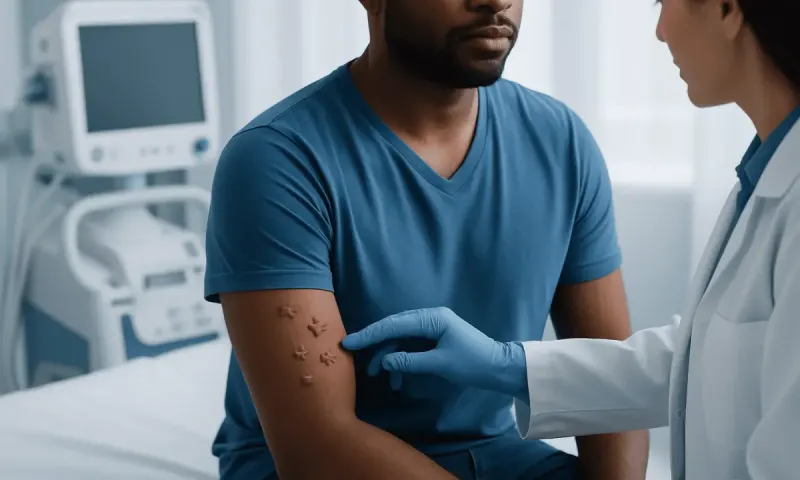
Rash on Top of Feet: Causes and Warning Signs
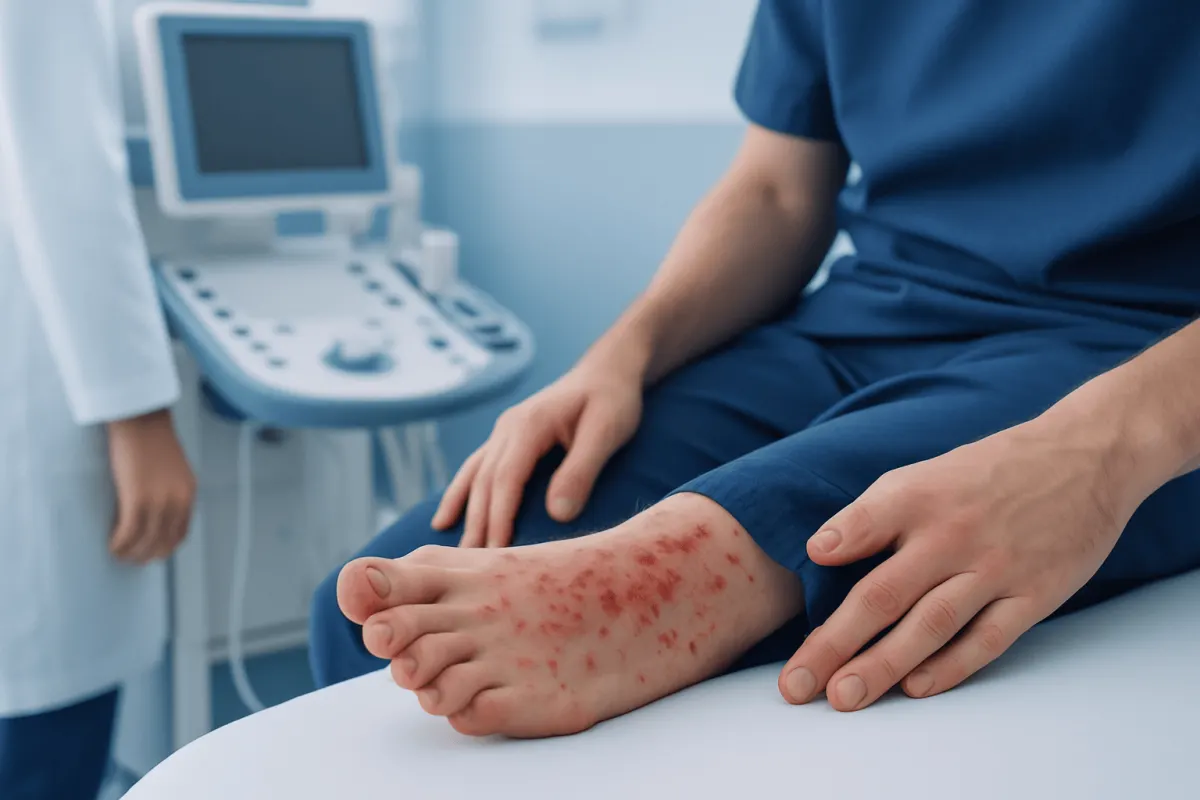
A rash on top of feet can develop from shoe friction, contact allergy, eczema, fungal infection, insect bites, or less commonly a medical condition affecting circulation or immunity. The appearance, symptoms, timing, and whether one or both feet are involved can help a clinician identify the cause and recommend appropriate care.
Overview: What Does a Rash on Top of Feet Mean?
A rash on top of feet usually means that the skin has become inflamed or irritated. It may appear as red or darker patches, small bumps, dry or scaly areas, blisters, cracking, or swelling. Many rashes are mild and improve once the trigger is removed, but the same visible pattern can have several different causes.
The upper surface of the foot is exposed to pressure and rubbing from footwear, socks, straps, laces, sweat, and products placed on the skin. Because the skin is relatively thin in this area, it can react to allergens and irritants. A rash that is limited to the exact area touched by a shoe or sandal can provide an important clue.
It is helpful to note when the rash started, whether it affects one foot or both, and whether there are symptoms elsewhere on the body. A healthcare professional can assess the skin pattern alongside medical history, medications, footwear, and recent exposures to determine the most likely explanation.
What the Rash May Look and Feel Like
Rashes can differ considerably. Contact dermatitis and eczema commonly cause itchiness, dryness, redness or skin darkening, and sometimes tiny fluid-filled bumps. Repeated scratching may thicken the skin over time. Friction from shoes may produce sore, rubbed patches or blisters, particularly after walking, exercise, or wearing new footwear.
A fungal rash may cause scaling, itching, peeling, or a defined edge. Although athlete’s foot often begins between the toes or on the sole, it can spread to other parts of the foot. Learn more about athlete’s foot and why a correct diagnosis matters before treatment.
Some features deserve closer attention. Painful warmth, expanding redness, tenderness, pus, crusting, or swelling can occur with a bacterial skin infection. Purple or non-blanching spots, meaning they do not fade briefly when pressed, should also be assessed promptly, especially if they occur with fever or feeling unwell.
- Itch dominant: often seen with allergy, eczema, insect bites, or fungal infection.
- Burning or stinging: may occur with irritant contact dermatitis or inflamed skin.
- Pain and warmth: can suggest significant inflammation, injury, or infection.
- Blisters: may result from friction, allergic reactions, viral illness, or other skin disorders.
Common Triggers and Underlying Causes
Contact dermatitis is one of the most frequent explanations for a rash on the top of the feet. Irritant contact dermatitis occurs when substances damage the skin barrier, such as sweat trapped in shoes, harsh soaps, detergents, or repeated friction. Allergic contact dermatitis occurs when the immune system reacts to a substance, which may include rubber, leather chemicals, dyes, adhesives, metals in buckles, fragrances, or ingredients in creams and sprays.
Eczema can affect the feet alone or occur alongside rashes on the hands, knees, elbows, or other areas. Dry skin, cold weather, stress, frequent washing, and a personal or family history of allergies can contribute. Psoriasis may also cause well-defined, scaly plaques and may be associated with changes in the nails or joint pain.
Infections are another possibility. Fungal infection is more likely in warm, damp environments such as shared changing areas, or when feet remain sweaty in closed shoes. Bacterial infection can enter through a scratch, cracked skin, blister, or insect bite. Viral rashes, scabies, and bites are less common causes but may be considered depending on symptoms and exposure history.
Occasionally, a foot rash is linked to a medication reaction, inflammatory condition, circulation problem, or blood vessel inflammation. These causes are less likely than irritation or eczema, but medical review is important when a rash is widespread, recurrent, unusual, or accompanied by symptoms such as fever, joint pain, fatigue, or swelling.
How Clinicians Diagnose a Foot Rash
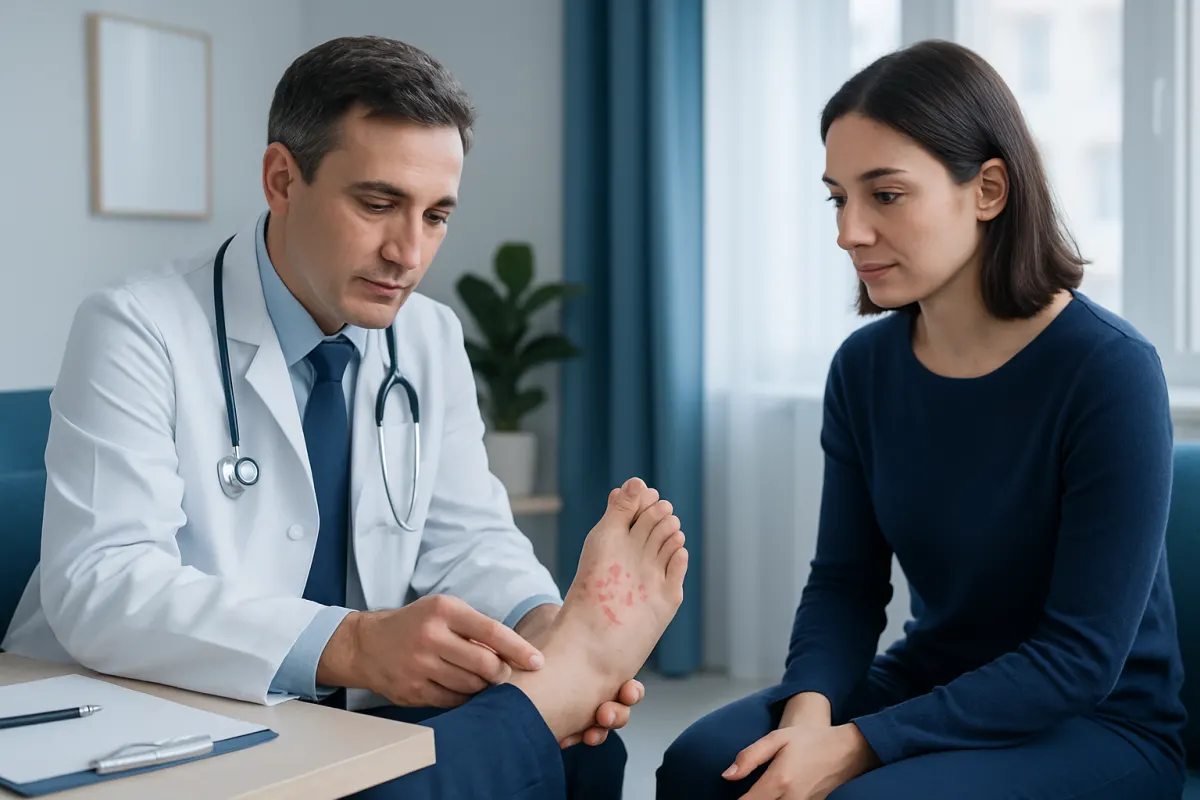
Diagnosis often begins with a close look at the rash and questions about its timing, symptoms, recent footwear, activities, skin products, household exposures, travel, contact with animals, and new medicines. The clinician may ask whether there is itching at night, a rash between the toes, nail changes, or similar symptoms in close contacts.
Distribution is particularly useful. A rash matching the outline of a sandal strap, shoe tongue, sock edge, or topical product area may point toward contact dermatitis. Scaling between the toes or on the soles may raise suspicion of fungal infection. The clinician will also check for breaks in the skin, swelling, circulation concerns, and signs of infection.
If the cause remains unclear, a small skin scraping may be examined or sent for fungal testing. Patch testing can help identify delayed allergies to substances that touch the skin. In selected cases, blood tests or a skin biopsy may be considered, particularly for persistent, severe, recurrent, or unexplained rashes.
Treatment Options Depend on the Cause
The most effective treatment addresses the underlying cause. For suspected friction or irritant exposure, changing footwear, reducing moisture, and using gentle skin care may allow the area to heal. Loose, breathable shoes and clean, moisture-wicking socks can be helpful while the rash settles. Any blister should be protected from rubbing and kept clean.
For eczema or contact dermatitis, a clinician may recommend a fragrance-free moisturizer and, when appropriate, a limited course of an anti-inflammatory cream. Identifying and avoiding the trigger is essential, especially if the rash returns after wearing particular shoes or using a specific product. Patch testing may be useful for repeated reactions.
Fungal infections need antifungal treatment rather than steroid treatment alone. Using a steroid cream on an undiagnosed fungal rash can alter its appearance and allow it to spread. A doctor or pharmacist can advise whether an over-the-counter product is suitable and when a prescription treatment or testing is needed.
If bacterial infection is suspected, timely medical evaluation is important. Treatment may include wound care and medicines chosen according to the severity and site of infection. For complex or persistent skin concerns, dermatology assessment can help clarify the diagnosis and create an appropriate treatment plan.
Prevention and Practical Self-Care
Simple habits can reduce irritation and lower the chance of recurrent rashes. Feet should be washed gently, dried carefully, especially between the toes, and moisturized if the skin is dry. Moisturizer should not be applied between the toes if this area is persistently damp, as excess moisture can encourage fungal growth.
Choose well-fitting, breathable footwear and change shoes after heavy sweating or exercise. New shoes can be worn for short periods at first to identify areas of rubbing. Washing socks regularly and avoiding the sharing of shoes, socks, towels, or nail tools can reduce the spread of fungal infections.
When an allergy is suspected, stop using recently introduced sprays, creams, foot powders, or detergents, and avoid the footwear that appears to trigger the reaction. Keeping a brief record of products and shoes used before flare-ups can help identify a pattern. It is best to avoid scratching, as broken skin can become infected.
People with diabetes, reduced sensation, circulation problems, or immune system conditions should inspect their feet regularly. New redness, cracks, blisters, sores, or persistent rash should be discussed with a healthcare professional early, even if discomfort is mild.
When to Seek Medical Care
Medical care should be sought urgently if the rash spreads quickly or is associated with fever, severe pain, marked swelling, increasing warmth, pus, red streaks, dizziness, or feeling generally unwell. These symptoms may indicate an infection or another condition that needs prompt treatment. Emergency assessment is also appropriate for breathing difficulty, facial or throat swelling, or widespread hives after a suspected allergic reaction.
A non-urgent medical appointment is advisable when a rash lasts longer than one to two weeks despite avoiding likely irritants, keeps returning, affects the nails, spreads to other areas, or causes sleep disruption. A clinician should also review rashes that are purple, bruise-like, blistering, painful, or unexplained.
Early assessment is particularly important for people with diabetes, peripheral artery disease, immune suppression, or a history of serious skin infections. Acıbadem Health Point’s multidisciplinary specialists and JCI-accredited hospitals can assess and treat skin concerns for international patients when specialist care is needed.
Frequently asked questions
01What causes a rash on the top of both feet?
A rash on both feet may be caused by footwear-related irritation, an allergy to shoe materials or products, eczema, sweating, or a fungal infection. A symmetrical pattern can suggest that both feet are reacting to the same exposure, such as socks, shoes, detergent, or a topical product. A clinician can help distinguish between these causes when the rash persists.
02Can shoes cause a rash on top of feet?
Yes. Shoes can cause rubbing, pressure, heat, and moisture, all of which can inflame the skin. Some people also develop allergic contact dermatitis to materials such as rubber, leather-processing chemicals, adhesives, dyes, or metal components.
03Is a rash on the top of the foot usually athlete’s foot?
Not always. Athlete’s foot more often affects the spaces between the toes and the soles, although it can extend to the top of the foot. Eczema, contact dermatitis, and friction are also common explanations, so it is important not to assume every itchy or scaly rash is fungal.
04Should steroid cream be used for a rash on the foot?
A mild steroid cream may be appropriate for some inflammatory rashes, such as eczema or contact dermatitis, but it is not right for every rash. Steroids can mask or worsen an untreated fungal infection. A doctor or pharmacist can advise on the safest option based on the appearance and cause of the rash.
05How long should a rash on top of feet last?
A mild rash caused by friction or a temporary irritant may improve within several days after the trigger is removed. Eczema, allergy, and infection may last longer and often require targeted treatment. Medical advice is sensible if it does not improve within one to two weeks, worsens, or returns repeatedly.
06When is a foot rash an emergency?
Urgent evaluation is needed for rapidly spreading redness, severe pain, significant swelling, warmth, pus, red streaks, fever, or feeling unwell. Emergency help is also needed if a rash occurs with trouble breathing or swelling of the lips, face, tongue, or throat. People with diabetes or reduced circulation should seek early advice for any new foot rash, blister, or wound.
This article is for general information only and is not a substitute for professional medical advice. Please consult a qualified doctor about your individual situation.
Explore treatments in Turkey — costs, top hospitals & a free quote
JCI-accredited · board-certified surgeons · reply within 24h
Add us as a Preferred Source to see more of our trusted health content across Google Search, AI Overviews and Discover.