Hypoxemia: Symptoms, Causes and Treatment

Key Takeaways
- Hypoxemia is low oxygen in the blood and can affect how the brain, heart, and other organs work.
- Common symptoms include shortness of breath, fast breathing, confusion, bluish lips, and fatigue, though mild cases may be subtle.
- Many conditions can cause hypoxemia, including lung infections, asthma, COPD, blood clots, sleep-related breathing disorders, and heart problems.
- Diagnosis usually involves pulse oximetry, blood gas testing, and tests to look for the underlying cause.
- Treatment focuses on restoring oxygen levels and addressing the cause, while prevention depends on managing the condition that triggered it.
Hypoxemia means the blood is carrying less oxygen than the body needs. It can develop suddenly or gradually and often reflects an issue with the lungs, heart, circulation, or breathing pattern.
Overview
Hypoxemia is a medical term for low oxygen levels in the blood. Oxygen is essential for every organ, so when the blood cannot carry enough of it, the body may begin to work harder to compensate. Some people notice the change right away, while others only realize something is wrong after a routine check or an illness makes breathing more difficult.
It is helpful to think of hypoxemia as a sign rather than a diagnosis on its own. The real question is why oxygen levels have fallen. In some cases the reason is temporary, such as a chest infection. In others, it may point to a chronic lung or heart condition that needs longer-term care and follow-up.
For international patients, hypoxemia can be especially unsettling if it appears during travel, recovery after surgery, or an existing respiratory illness away from home. A clear evaluation usually starts with measuring oxygen levels, then moves toward identifying the source of the problem so treatment can be planned safely and efficiently.
Symptoms
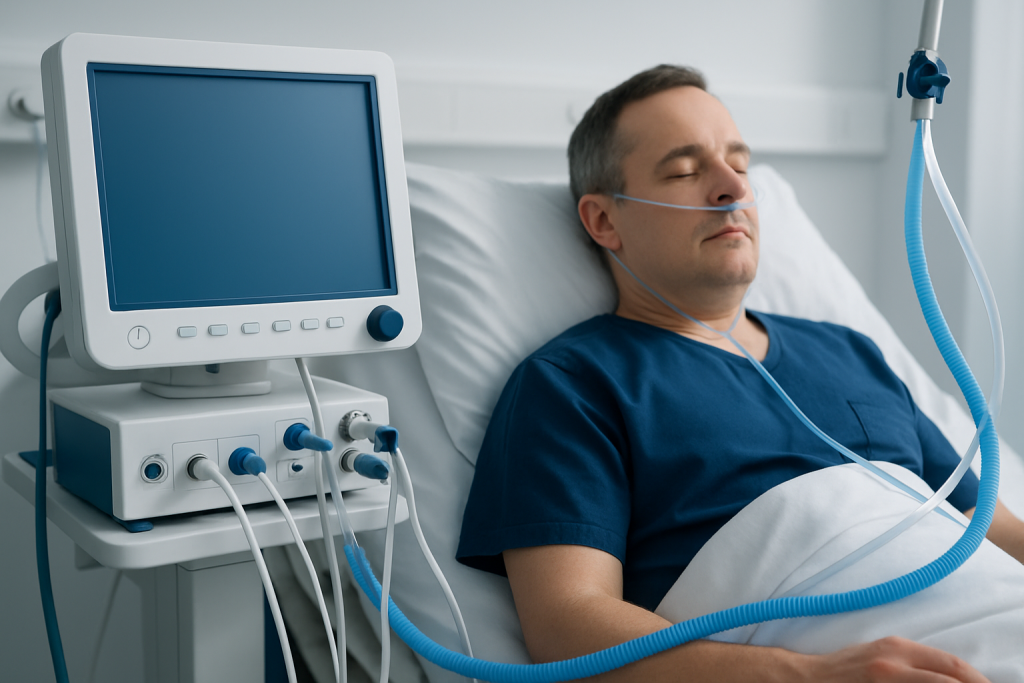
Symptoms vary with how low the oxygen level is and how quickly it dropped. Some people feel breathless during activity first, while others notice symptoms even while resting. The body may also respond with faster breathing or a racing pulse as it tries to deliver more oxygen to tissues.
Common signs can include:
- Shortness of breath
- Fast or shallow breathing
- Fatigue or unusual weakness
- Confusion, trouble concentrating, or restlessness
- Headache or dizziness
- Bluish lips, fingertips, or nail beds in more severe cases
Mild hypoxemia may be subtle, especially in people with long-standing lung disease who have adapted to lower oxygen levels. Even when symptoms seem modest, a drop in oxygen can still matter, particularly if it is new, worsening, or happening alongside fever, chest pain, wheezing, or swelling in the legs.
Causes & Risk Factors

Hypoxemia happens when oxygen cannot move efficiently from the lungs into the bloodstream, or when the body cannot circulate oxygen well enough after it has entered the blood. Lung conditions are among the most common causes because they interfere directly with breathing and gas exchange. Infections, inflammation, airway narrowing, or fluid in the lungs can all contribute.
Possible causes include:
- Pneumonia or other respiratory infections
- Asthma or chronic obstructive pulmonary disease (COPD)
- Pulmonary embolism, which blocks blood flow in the lungs
- Interstitial lung disease or pulmonary fibrosis
- Sleep apnea or other sleep-related breathing problems
- Heart conditions that reduce effective blood flow
- High altitude exposure
- Anemia, which lowers the blood’s oxygen-carrying capacity
Risk is higher in people with chronic lung or heart disease, smokers, older adults, and those recovering from major surgery or serious infection. Long-haul travel, reduced mobility, and a history of blood clots can also matter, particularly when symptoms appear suddenly and need prompt assessment.
Diagnosis
Diagnosis begins with a simple but important question: how much oxygen is in the blood right now? A pulse oximeter, clipped to a finger or earlobe, gives a quick estimate of oxygen saturation. If needed, an arterial blood gas test measures oxygen and carbon dioxide more precisely and can show how well the lungs are exchanging gases.
Once low oxygen is confirmed, clinicians usually look for the reason behind it. This may include a physical examination, chest X-ray, CT scan, ECG, blood tests, lung function tests, or sleep studies depending on the story the symptoms tell. The right tests are chosen based on whether the problem seems to be in the lungs, heart, circulation, or breathing control.
For patients traveling from another country, coordination matters. A team may need to review prior scans, medication lists, and hospital records quickly so that testing is not repeated unnecessarily. That helps keep care focused, efficient, and easier to continue after the patient returns home.
Treatment Options
Treatment for hypoxemia has two aims: restore oxygen to a safer range and treat the underlying cause. If oxygen levels are significantly low, supplemental oxygen may be given through nasal prongs, a mask, or more advanced breathing support, depending on severity. In urgent situations, close monitoring is important so treatment can be adjusted as the condition changes.
Addressing the cause is just as important as improving the number on a monitor. A chest infection may require antibiotics or antiviral care, asthma may need inhaled medicines, fluid overload may call for diuretics, and a blood clot may need anticoagulation or other specialized treatment. In some chronic conditions, oxygen therapy may become part of daily life under medical supervision.
Because hypoxemia can arise from several systems at once, treatment is often multidisciplinary. Pulmonologists, cardiologists, radiologists, and critical care specialists may work together to build a plan that is both immediate and practical, especially when a patient has to continue care across borders.
Prevention & Self-care
Prevention depends on the cause, but a few habits support healthier oxygen levels overall. People with asthma, COPD, heart disease, or sleep apnea usually benefit from taking prescribed treatment consistently and keeping follow-up appointments. When a chronic condition is stable, sudden drops in oxygen are less likely.
Helpful self-care steps can include:
- Not smoking and avoiding secondhand smoke
- Staying current with recommended vaccines
- Managing chronic lung or heart disease as advised
- Using oxygen equipment exactly as prescribed
- Pacing activity during recovery from illness or surgery
- Seeking advice before high-altitude travel if lung or heart disease is present
It is also sensible to watch for new patterns. Someone who becomes short of breath with less effort than usual, sleeps poorly because of breathing problems, or notices a new drop in home oxygen readings should contact a clinician. Small changes can be important clues, especially when they appear after an infection, operation, or long flight.
When to See a Doctor
Medical evaluation is needed if low oxygen is suspected, especially when symptoms are new or worsening. Anyone with shortness of breath at rest, chest pain, confusion, fainting, severe fatigue, or blue lips or fingertips should seek urgent care. These signs can mean the body is not getting enough oxygen and should not be ignored.
Even without dramatic symptoms, persistent low readings on a home pulse oximeter deserve attention. The reason matters: oxygen may be low because of something temporary and treatable, or because an underlying condition needs a more complete workup. A doctor can help decide whether the next step is monitoring, testing, medication changes, or emergency treatment.
Acibadem Health Point’s multidisciplinary specialists and JCI-accredited hospitals diagnose and treat hypoxemia for international patients, with coordinated evaluation and follow-up when continuity of care is especially important.
Frequently asked questions
01What does hypoxemia mean?
Hypoxemia means the oxygen level in the blood is lower than normal. It is not a disease by itself, but a sign that something is affecting breathing, gas exchange, circulation, or oxygen transport.
02Is hypoxemia the same as hypoxia?
They are related but not identical. Hypoxemia refers to low oxygen in the blood, while hypoxia means the body tissues are not getting enough oxygen. Hypoxemia can lead to hypoxia if it is significant or prolonged.
03Can hypoxemia happen without obvious symptoms?
Yes, mild hypoxemia may cause few or no symptoms at first. Some people only notice it through a pulse oximeter or during a medical exam, which is why new low readings should be checked by a clinician.
04How is hypoxemia usually checked?
A pulse oximeter gives a quick estimate of oxygen saturation, and an arterial blood gas test can measure oxygen more precisely. Doctors may then order tests such as chest imaging, ECG, blood tests, or lung function studies to find the cause.
05What treatment is used for hypoxemia?
Treatment depends on the cause and severity. Oxygen may be given to raise levels while the underlying problem is treated, such as an infection, asthma flare, blood clot, or heart-related issue.
06Can someone travel with hypoxemia?
Travel may be possible in some situations, but it should be discussed with a doctor first. Air travel, high altitude, and long journeys can worsen oxygen needs, so planning ahead is important.
This article is for general information only and is not a substitute for professional medical advice. Please consult a qualified doctor about your individual situation.
Explore treatments in Turkey — costs, top hospitals & a free quote
JCI-accredited · board-certified surgeons · reply within 24h
Add us as a Preferred Source to see more of our trusted health content across Google Search, AI Overviews and Discover.