How to Make Period Come Quicker?

Key Takeaways
- A delayed period is common and does not always mean something is wrong.
- There is no reliable home method proven to safely make a period start immediately.
- Pregnancy should be checked first if there is any chance of conception.
- Stress, illness, weight changes, exercise, and hormonal conditions can all affect timing.
- A clinician can help identify the cause and discuss safe options if cycle control is needed.
Many people ask how to make a period come quicker when travel, stress, or an important event changes the timing of their cycle. In most cases, the safest approach is to understand the reason for the delay and use evidence-based care rather than home remedies that promise fast results.
Overview
When someone searches for how to make period come quicker, the real question is often about control: can a period be brought forward before travel, a special event, or a busy stretch of life? The honest answer is that there is no dependable at-home method that can safely trigger menstruation on demand. What can be done is to check why the cycle is late and decide whether a medical approach is appropriate.
A period is the visible end point of a hormonal sequence involving the brain, ovaries, and uterus. Small changes in sleep, stress, illness, weight, or exercise can delay ovulation, which in turn delays bleeding. For many people, an occasional late period is simply part of normal variation and settles on its own.
If periods are regularly unpredictable, unusually heavy, painful, or absent for several months, the priority shifts from speeding things up to finding the cause. That is especially important for anyone who could be pregnant, has recently started or stopped hormonal contraception, or has symptoms such as acne, excess hair growth, or hot flashes that may point to a hormone-related condition.
What can make a period late?
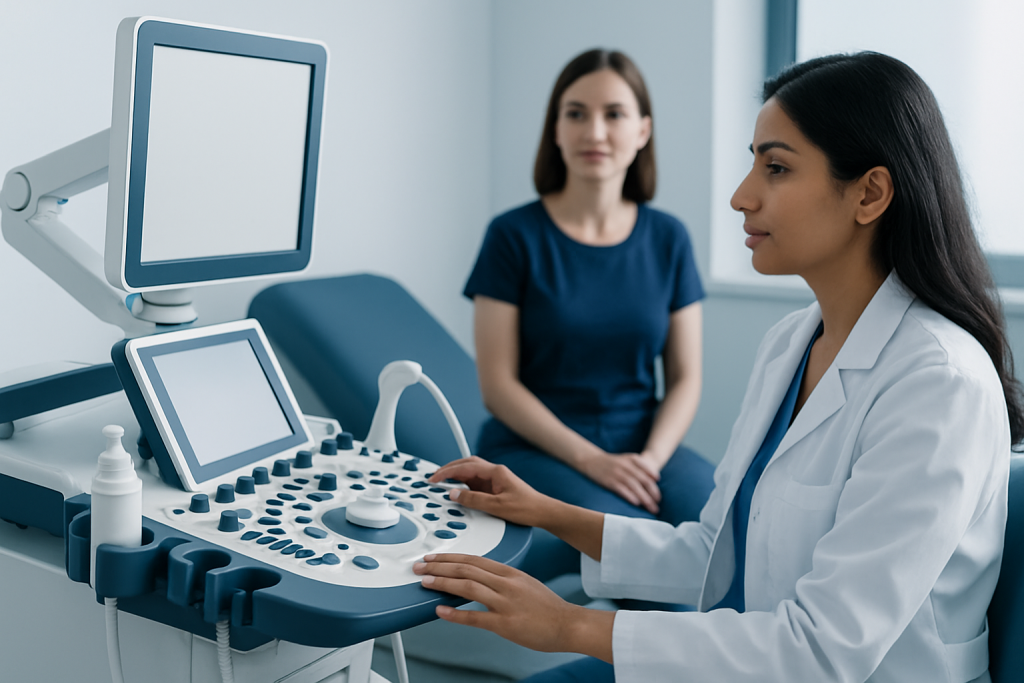
The most common reason for a late period is delayed ovulation. Ovulation may shift because the body is under physical or emotional strain, because there has been a recent illness, or because daily habits have changed. When ovulation moves, the period usually moves with it.
Several factors can influence the menstrual cycle:
- Pregnancy, including very early pregnancy before a test turns positive
- Stress and major life changes
- Rapid weight loss or gain
- Intense exercise or low energy intake
- Polycystic ovary syndrome (PCOS)
- Thyroid disorders
- Perimenopause in later reproductive years
- Hormonal contraception or recent changes in birth control
It is also worth remembering that cycle length is not fixed for everyone. Some people naturally have longer or shorter cycles, and a few days of variation month to month can still be normal. The key is the pattern over time, not a single late cycle.
Can anything safely bring a period on faster?

Most online advice about bringing on a period quickly is not supported by good evidence. Herbal teas, vitamin C in large amounts, hot baths, sexual activity, and exercise are often mentioned, but none can be relied on to start bleeding safely or predictably. Some of these ideas may cause cramps or discomfort without actually changing the cycle.
There is one important exception: if a clinician determines that a hormonal method is appropriate, certain prescription treatments may be used to induce a withdrawal bleed or to manage cycle timing. This is not something to self-prescribe, because the right choice depends on whether pregnancy has been ruled out, the person’s medical history, and the reason for the delay.
If the goal is timing rather than treatment, doctors may discuss hormonal cycle control in advance, such as planning around travel, weddings, or procedures. That conversation is especially useful for people who experience irregular cycles every month and want a safer, predictable plan instead of trying unproven remedies at home.
When a delayed period may need a pregnancy test or doctor review
If there is any chance of pregnancy, a home pregnancy test is usually the first step. Testing is often most helpful after the missed period or a few days later, depending on the test and the timing of ovulation. If the result is negative but the period still does not come, repeating the test or speaking with a clinician may be wise.
A medical review is also sensible when periods are repeatedly late, absent for three months or more, or accompanied by other changes. These changes can include new pelvic pain, unusual discharge, significant weight change, breast discharge, or symptoms of thyroid imbalance such as heat or cold intolerance, palpitations, or fatigue.
For people trying to conceive, a delayed period can be emotionally loaded. In that setting, a careful evaluation matters because irregular cycles can sometimes reflect ovulation problems that are treatable. Identifying the cause can be more useful than focusing only on making the next bleed arrive sooner.
How doctors evaluate a missed or late period
Evaluation usually starts with a conversation about cycle history, sexual activity, medications, stress, exercise, diet, and recent health changes. A clinician may ask when the last period started, whether cycles are usually regular, and whether there have been similar delays before. That history often points to the most likely explanation.
Depending on the situation, testing may include:
- Pregnancy testing
- Blood tests for thyroid function, prolactin, or other hormones
- Tests for PCOS or other endocrine conditions when symptoms suggest them
- Pelvic ultrasound if structural causes or ovarian issues need assessment
Doctors tailor the workup to the person rather than ordering everything at once. For an international patient, that can be helpful because the evaluation can be coordinated efficiently, with imaging and laboratory work done during the same visit when appropriate. The goal is to answer the question clearly and avoid unnecessary testing.
Treatment options if cycles are irregular
Treatment depends on the cause. If stress, poor sleep, under-eating, or overtraining are disrupting the cycle, restoring balance in daily routines may help ovulation return to a more regular rhythm. If an endocrine issue such as thyroid disease or PCOS is identified, treatment is directed at that condition rather than at the period itself.
When menstrual timing needs to be managed for a medical or practical reason, a clinician may consider hormonal options. These are selected based on the person’s health profile, whether contraception is also desired, and how long-term cycle control fits with future plans. Prescription treatment should only be used after medical review, because not every delayed period is suitable for the same approach.
For some people, the best outcome is not making the period come faster but making future cycles more predictable. That may include tracking ovulation, adjusting contraception, or treating a root cause. The most durable solution is the one that matches the person’s actual cycle pattern, not the fastest-looking internet fix.
Prevention and self-care
There is no guaranteed way to prevent every late period, but steady habits can support hormonal regularity. Eating enough, sleeping adequately, and avoiding extreme changes in weight or exercise load can all help the reproductive system function smoothly. People with high training demands often do better when their energy intake matches their activity level.
Simple cycle tracking can also be useful. Recording the first day of each period, spotting patterns in stress or illness, and noting symptoms such as acne or pelvic pain can help a clinician see whether the cycle is drifting for a predictable reason. Many patients find this especially helpful when they are making care decisions from abroad and need clear information to share with a doctor.
A few sensible steps can reduce confusion:
- Use a calendar or app to record cycle dates
- Take a pregnancy test if pregnancy is possible
- Avoid unverified herbal or internet remedies
- Seek medical advice before using hormonal products for timing
When to see a doctor
A doctor’s guidance is appropriate if a period is more than a week or so late and pregnancy is possible, if cycles are repeatedly irregular, or if periods stop altogether. Medical review is also important when there is severe pelvic pain, very heavy bleeding when the period does arrive, fainting, fever, or signs of hormonal imbalance.
Prompt assessment is especially important after a positive pregnancy test with pain or bleeding, because that combination needs urgent attention. Likewise, anyone with known PCOS, thyroid disease, diabetes, or a history of eating disorder should not assume a delayed period is harmless without checking in with a clinician.
Acibadem Health Point’s multidisciplinary specialists and JCI-accredited hospitals support Myomectomy Recovery for International Patients: The Usual Travel Timeline" class="ahp-ilk">international patients who need evaluation of irregular or delayed periods, with coordinated diagnosis and treatment planning when appropriate. A careful assessment can bring much more reassurance than trying to force timing at home.
Frequently asked questions
01How can someone make a period come quicker at home?
There is no home method that is proven to safely and reliably start a period immediately. Many popular suggestions are not evidence-based and may only create disappointment or discomfort. If a period is late, the first step is to check for pregnancy and consider possible medical causes.
02Does stress really delay a period?
Yes, stress can affect the hormones that control ovulation, which may delay the next period. The effect varies from person to person, and even a short period of illness or poor sleep can sometimes shift timing. Once the stressor settles, cycles often return to their usual pattern.
03Should a pregnancy test be taken before trying to bring on a period?
Yes, if pregnancy is possible, testing should come first. Some medicines and many home remedies are not appropriate in early pregnancy. A negative test does not always end the conversation if the period still does not come, because timing of ovulation can affect results.
04Can exercise help bring on a period faster?
Exercise does not reliably make a period start sooner. In fact, very intense exercise or low calorie intake can delay periods further. Moderate, balanced activity is healthy overall, but it is not a dependable way to change menstrual timing.
05Are herbal teas or vitamin C safe ways to trigger a period?
These methods are widely discussed online, but there is no good evidence that they reliably work. Large doses of supplements can sometimes cause side effects or interact with other health issues. It is safer to speak with a clinician than to rely on unverified remedies.
06When is a late period considered abnormal?
A single late period can happen for many ordinary reasons, but repeated irregular cycles, missed periods for three months or more, or bleeding changes that come with pain or other symptoms deserve medical review. The pattern over time is more important than one cycle. A clinician can help determine whether testing or treatment is needed.
This article is for general information only and is not a substitute for professional medical advice. Please consult a qualified doctor about your individual situation.
Hair transplant in Turkey — costs, graft counts & a free assessment
JCI-accredited · board-certified surgeons · reply within 24h
Add us as a Preferred Source to see more of our trusted health content across Google Search, AI Overviews and Discover.