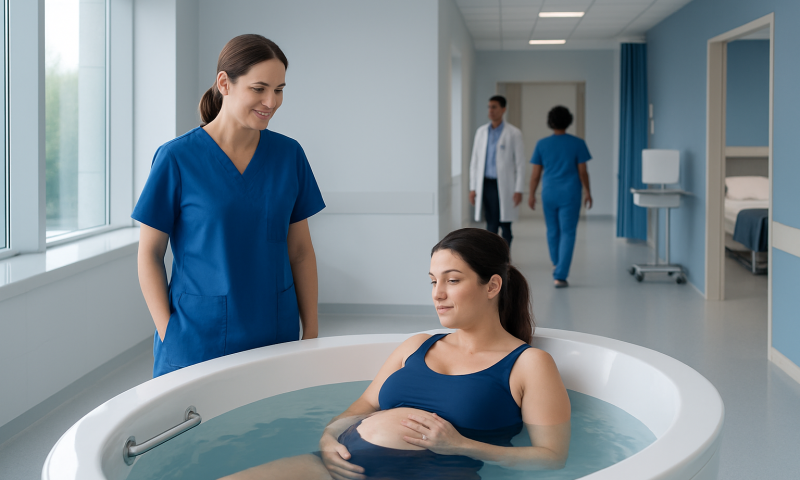
Could U Still Be Pregnant and Have a Period: What You Need to Know

Key Takeaways
- A true period does not occur during pregnancy, but light bleeding or spotting can happen.
- Bleeding in early pregnancy may come from implantation, cervical changes, or other causes.
- A home pregnancy test and a clinician’s evaluation can help clarify what the bleeding means.
- Heavy bleeding, pain, dizziness, or passing tissue should be checked urgently.
- Anyone who may be pregnant and has bleeding should contact a doctor for personalized advice.
It is possible to be pregnant and have vaginal bleeding, but it is not usually a true menstrual period. Early pregnancy spotting can happen for several reasons, and any bleeding in pregnancy deserves careful attention and, when needed, medical evaluation.
Overview
Could u still be pregnant and have a period? The short answer is no: a true menstrual period does not happen during pregnancy. What many people call a “period” is sometimes light bleeding, spotting, or irregular discharge that can occur in early pregnancy.
This is one of the most common points of confusion in women’s health because the timing can be misleading. Bleeding may appear around the time a period is expected, so it can feel very similar to a normal cycle even when pregnancy has already begun.
The key question is not only whether bleeding is present, but also what the bleeding looks like, how long it lasts, and whether other symptoms are happening at the same time. A pregnancy test, followed by medical review when needed, is the safest way to sort out the cause.
What bleeding can mean in early pregnancy
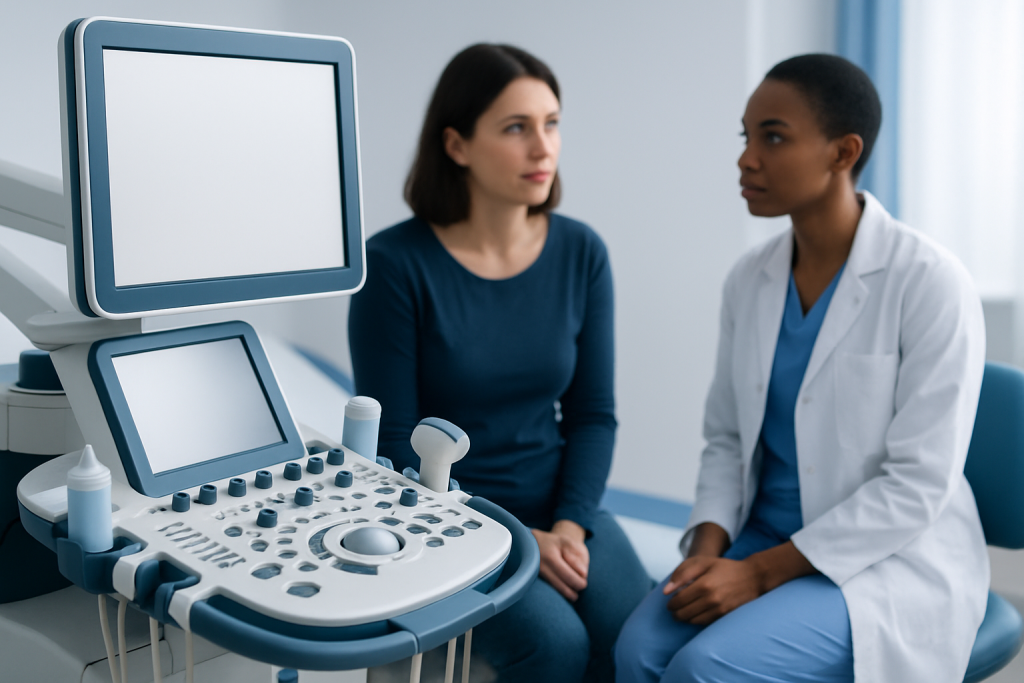
Early pregnancy bleeding can range from a few pink or brown streaks to something that resembles a lighter-than-usual period. Some people notice it only when wiping, while others need a liner or pad. The appearance alone does not confirm the cause.
One common explanation is implantation bleeding, which may happen when a fertilized egg attaches to the lining of the uterus. This type of bleeding is usually light and brief, but not everyone experiences it.
Bleeding can also come from the cervix, which becomes more sensitive in pregnancy. Sexual intercourse, a pelvic exam, or even mild irritation may cause light spotting. Sometimes bleeding has a more serious cause, so it should never be dismissed automatically as “normal.”
Symptoms that suggest pregnancy rather than a period
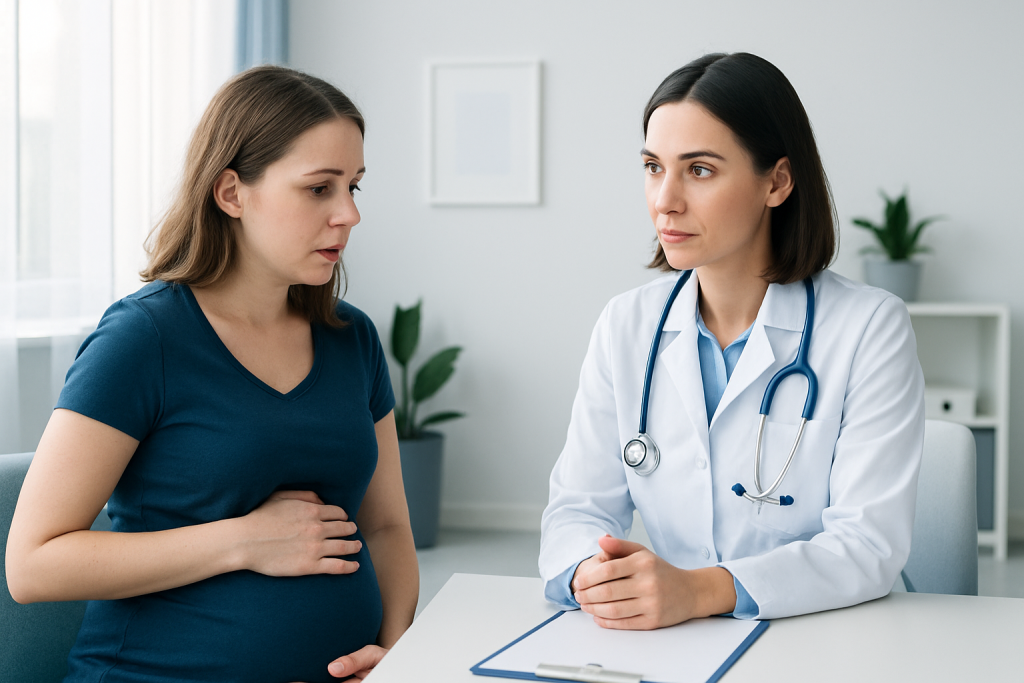
Bleeding alone cannot reliably tell someone whether they are pregnant. Other early pregnancy symptoms may offer clues, especially when they occur together with an unusual bleed.
Common signs include breast tenderness, nausea, fatigue, more frequent urination, food aversions, and a missed or late period. Some people notice pelvic cramping that feels different from their usual menstrual cramps.
- Spotting instead of a full flow
- Bleeding that lasts a shorter time than usual
- Symptoms that continue after the bleeding stops
- A positive home pregnancy test
Even if the bleeding seems “period-like,” a pregnancy test is important when pregnancy is possible. If the result is unclear or the timing is very early, repeating the test after a short interval may help, or a clinician may recommend a blood test.
Causes and risk factors for bleeding when pregnancy is possible
There are several reasons bleeding may happen when someone could be pregnant. Some are mild and temporary, while others need prompt assessment. The right interpretation depends on the person’s symptoms, pregnancy timing, and medical history.
Possible causes include implantation bleeding, hormonal shifts, cervical irritation, an early miscarriage, or an ectopic pregnancy. Bleeding can also occur with infections, polyps, or other gynecologic conditions that are not directly related to pregnancy.
Certain factors make evaluation especially important, such as a history of miscarriage or ectopic pregnancy, fertility treatment, abdominal pain, faintness, or bleeding after a positive pregnancy test. Even when bleeding is light, a doctor may want to confirm that the pregnancy is developing in the right place.
How doctors evaluate bleeding during possible pregnancy
A clinician usually begins by asking about the timing, color, amount, and duration of the bleeding, along with pain, dizziness, and recent sexual activity or procedures. This history helps separate likely period changes from pregnancy-related bleeding.
Testing often starts with a pregnancy test. Depending on the situation, the doctor may order a blood test for human chorionic gonadotropin (hCG), repeat testing over time, or a pelvic ultrasound to look at the uterus and pregnancy location.
In some cases, the evaluation also includes a pelvic exam or testing for infection. For patients traveling from another country for care, bringing any prior test results, imaging reports, and medication lists can make the visit more efficient and reduce delays in diagnosis.
Treatment options and what to do next
Treatment depends entirely on the cause. If the bleeding is from implantation or mild cervical irritation, no specific treatment may be needed beyond observation and follow-up. If an infection, hormonal issue, or another non-pregnancy cause is found, the doctor will choose care based on the diagnosis.
If the pregnancy is confirmed and the bleeding is concerning, management may involve close monitoring, repeat tests, or urgent treatment. An ectopic pregnancy or significant miscarriage-related bleeding requires immediate medical attention.
It is important not to self-treat with medications or supplements without professional advice, especially if pregnancy is possible. A qualified clinician can explain which options are safe and which should be avoided until the situation is clear.
Prevention and self-care
There is no way to prevent every episode of pregnancy-related spotting, but a few habits can help someone respond safely and calmly. The first is to take a pregnancy test when a period is late, unusually light, or different from the norm.
Keeping track of the bleeding pattern can help. Note the start date, color, amount, any clots or tissue, pain level, and associated symptoms. This information is useful whether care is sought locally or during an international medical trip.
Self-care should remain gentle: rest if needed, stay hydrated, and avoid using tampons or inserting anything into the vagina until a clinician has advised that it is safe. If pregnancy is confirmed, ask a doctor before taking pain relievers, herbs, or over-the-counter products.
When to see a doctor
Anyone who may be pregnant and has bleeding should speak with a healthcare professional, especially if the bleeding is new, persistent, or different from a usual period. Medical advice is also important when a home test is positive, even if the bleeding seems mild.
Urgent care is recommended for heavy bleeding, severe or one-sided pelvic pain, shoulder pain, fainting, fever, or passing large clots or tissue. These symptoms can signal a problem that should not wait.
For Myomectomy Recovery for International Patients: The Usual Travel Timeline" class="ahp-ilk">international patients, Acibadem Health Point’s multidisciplinary specialists and JCI-accredited hospitals can evaluate and treat pregnancy-related bleeding with coordinated care and follow-up planning. The goal is a clear diagnosis, timely treatment when needed, and practical guidance for the next steps.
Frequently asked questions
01Could u still be pregnant and have a period?
A true period does not happen during pregnancy. However, light bleeding or spotting can occur and may be mistaken for a period. If pregnancy is possible, a test is the best next step.
02What does implantation bleeding look like?
Implantation bleeding is usually light, short-lived, and may be pink or brown. It is often much lighter than a normal period. Not everyone has it, so its absence does not rule out pregnancy.
03Can a heavy flow still happen in early pregnancy?
Heavy bleeding is not typical for a normal pregnancy and should be assessed by a doctor. It can happen for reasons such as miscarriage or other medical issues. If the bleeding is heavy or painful, urgent evaluation is important.
04Can I get a negative pregnancy test and still be pregnant?
Yes, if the test is taken very early or not used correctly. If the period does not come and pregnancy is still possible, repeat testing after a few days or ask a clinician for a blood test. Timing matters a lot in early pregnancy.
05When should bleeding in possible pregnancy be treated as urgent?
Seek urgent care for severe pain, fainting, shoulder pain, fever, or very heavy bleeding. These symptoms need prompt medical review. Even milder bleeding should be discussed with a healthcare professional if pregnancy is possible.
06Should I stop normal activities if I have spotting?
Light spotting does not always mean something is wrong, but it should be monitored. Until a doctor has evaluated the cause, it is sensible to avoid anything that may worsen irritation and to follow individualized medical advice. If symptoms change, seek care promptly.
This article is for general information only and is not a substitute for professional medical advice. Please consult a qualified doctor about your individual situation.
Explore treatments in Turkey — costs, top hospitals & a free quote
JCI-accredited · board-certified surgeons · reply within 24h
Add us as a Preferred Source to see more of our trusted health content across Google Search, AI Overviews and Discover.