Can You Pregnant and Have Period?

Key Takeaways
- A true period does not happen during pregnancy because ovulation stops after conception.
- Bleeding in pregnancy can come from implantation, cervical changes, miscarriage, ectopic pregnancy, or other causes.
- Light spotting is not always an emergency, but heavy bleeding, pain, or dizziness should be assessed promptly.
- A home pregnancy test and a clinical evaluation help distinguish pregnancy bleeding from a menstrual cycle change.
- People traveling for care should seek timely review and keep a record of bleeding, pain, and test results.
Can you pregnant and have period? In most cases, no: a true menstrual period does not occur during pregnancy. However, bleeding in early pregnancy is possible and can sometimes be mistaken for a period, so any bleeding deserves attention and context.
Overview
The short answer to can you pregnant and have period is no, not in the usual medical sense. A menstrual period happens when the lining of the uterus sheds because pregnancy has not occurred; once pregnancy begins, that monthly cycle stops.
What many people call a “period” during pregnancy is usually some kind of bleeding or spotting. It may be light and brief, or it may signal a problem that needs medical attention. Understanding the difference matters, especially in the earliest weeks when pregnancy may not yet be confirmed.
For someone trying to decide whether to travel for care or wait until returning home, the pattern of bleeding, any pain, and the result of a pregnancy test are important clues. Even when bleeding turns out to be harmless, a clinician can help confirm what is happening and whether follow-up is needed.
Symptoms and what bleeding may look like

Pregnancy-related bleeding can appear very differently from one person to another. Some notice only a few pink or brown spots on tissue, while others see heavier red bleeding. The color, amount, and timing all help clinicians think through the cause, but they do not provide a diagnosis on their own.
Bleeding that is more likely to be linked with early pregnancy often arrives earlier than a usual period and may be shorter in duration. It may happen around the time a person expects menstruation, which is why it is so often mistaken for a normal cycle.
Signs that bleeding should be taken seriously include:
- Bleeding that soaks a pad in a short time
- Clots or tissue-like material
- One-sided pelvic pain or significant cramping
- Dizziness, fainting, or shoulder pain
- Bleeding after a positive pregnancy test
Some people also experience breast tenderness, nausea, fatigue, or a missed period at the same time bleeding occurs. These symptoms can overlap, which is why testing and medical review are often the most reliable next steps.
Why bleeding can happen: causes and risk factors
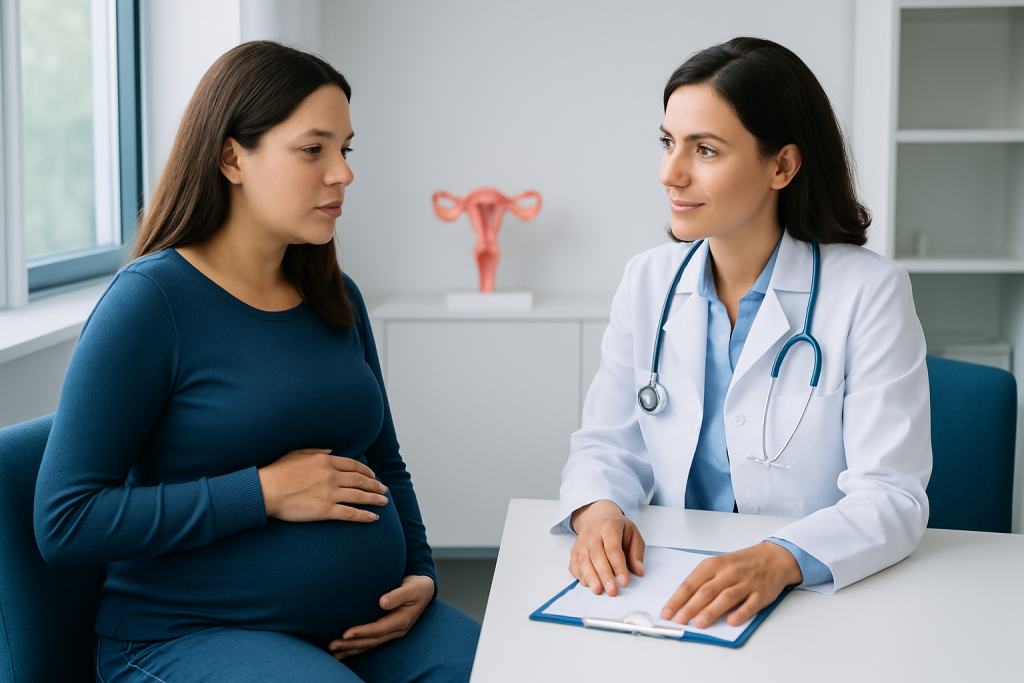
There are several reasons bleeding may happen in pregnancy, and not all of them are dangerous. One common possibility is implantation bleeding, which can occur when a fertilized egg attaches to the uterine lining. This is usually light and short-lived.
Bleeding can also come from the cervix, which becomes more sensitive during pregnancy. Sexual intercourse, a pelvic exam, or even hormonal changes may trigger light spotting. In some cases, bleeding is related to an infection, a cervical polyp, or changes in the uterus that need assessment.
More serious causes include miscarriage and ectopic pregnancy, where the pregnancy develops outside the uterus. Risk factors for pregnancy bleeding depend on the underlying cause and may include prior pregnancy complications, known fibroids, pelvic infection, or fertility treatment. Because the range is wide, clinicians look at the full picture rather than the bleeding alone.
Diagnosis: how doctors tell the difference
To sort out whether bleeding is a menstrual period or pregnancy-related bleeding, a doctor usually starts with a pregnancy test, followed by questions about timing, flow, and symptoms. The details of when the bleeding began, how long it lasted, and whether pain was present can be very helpful.
Depending on the situation, the evaluation may include a pelvic examination, blood tests to measure pregnancy hormone levels, and an ultrasound. Ultrasound is particularly useful when the pregnancy test is positive and the cause of bleeding needs to be clarified.
For Myomectomy Recovery for International Patients: The Usual Travel Timeline" class="ahp-ilk">international patients or those seeking care while away from home, bringing the dates of the last normal period, photos of bleeding if appropriate, and any prior test results can make the visit more efficient. A clinician can then decide whether observation is enough or whether more urgent care is needed.
Treatment options
Treatment depends entirely on the cause of the bleeding. Light spotting with a confirmed healthy pregnancy may only need monitoring and follow-up. In other cases, the focus is on treating an underlying infection, supporting the pregnancy, or addressing a condition such as ectopic pregnancy or miscarriage.
There is no safe self-treatment that can identify the cause of bleeding on its own. People should avoid assuming that bleeding means the pregnancy is over, and they should also avoid dismissing heavier bleeding as “just a late period” if pregnancy is possible.
When treatment is needed, it may involve medications, rest recommendations, repeat blood tests, ultrasound follow-up, or a procedure depending on the diagnosis. If a person is traveling for evaluation, clear instructions about warning signs and follow-up timing are especially important so care can continue smoothly after returning home.
Prevention and self-care
Not every cause of pregnancy bleeding can be prevented, but a few practical steps can reduce confusion and support safer decision-making. If pregnancy is possible, taking a home test after a missed period—or sooner if symptoms suggest pregnancy—can help interpret bleeding correctly.
Anyone who notices bleeding should track the amount, color, and duration, as well as any pain, fever, or dizziness. Using pads rather than tampons until the cause is clear may make it easier to monitor flow and can be safer in some situations.
General self-care includes resting, staying hydrated, and avoiding heavy exertion until a clinician advises otherwise. If a person has already confirmed pregnancy, routine prenatal care and timely communication about any bleeding are the best ways to stay informed and supported.
When to see a doctor
Medical advice should be sought promptly if bleeding happens during a known or possible pregnancy, even when it seems light. A clinician can help confirm whether the bleeding is benign or whether it needs closer follow-up.
Seek urgent care if bleeding is heavy, there is strong abdominal or one-sided pain, fainting, shoulder pain, or the person feels weak or unwell. These symptoms can indicate a condition that should not wait.
For those who are abroad or planning care away from home, it is wise to choose a clinic or hospital with imaging and obstetric support rather than waiting for symptoms to settle on their own. Acibadem Health Point’s multidisciplinary specialists and JCI-accredited hospitals diagnose and treat this condition for international patients, with coordinated follow-up when needed.
Living with uncertainty until pregnancy is confirmed
One of the hardest parts of early bleeding is not knowing what it means. A person may be trying to understand whether they missed a period, had implantation bleeding, or experienced a true cycle change. That uncertainty can be stressful, especially when travel, work, or family plans are involved.
The most helpful approach is usually simple: confirm pregnancy status, note the bleeding pattern, and have a clinician review anything unusual. This avoids both unnecessary alarm and the risk of overlooking something important.
If test results are unclear, repeat testing or ultrasound may be recommended after a short interval. Clear follow-up matters because early pregnancy is a time when symptoms can overlap, but medical guidance can usually separate normal variation from a cause that needs care.
Frequently asked questions
01Can you pregnant and have period?
No, a true menstrual period does not occur during pregnancy. If bleeding happens after conception, it is usually spotting or another type of pregnancy-related bleeding.
02Can implantation bleeding look like a period?
Yes, it can sometimes be mistaken for a light period because it may happen around the time a period is expected. It is usually lighter and shorter than a normal menstrual flow.
03Does bleeding mean miscarriage?
Not always. Some bleeding in early pregnancy is harmless, but miscarriage is one possible cause, so medical assessment is important if pregnancy is possible or confirmed.
04When should someone take a pregnancy test if bleeding starts?
If a period is late or pregnancy is possible, a home test can be taken right away, and it may need repeating if the result is negative but symptoms continue. A clinician may suggest blood tests or ultrasound depending on the timing.
05Can stress cause bleeding that feels like a period in pregnancy?
Stress can affect the menstrual cycle, but it does not directly cause a true period during pregnancy. Any bleeding in a possible pregnancy should still be reviewed by a doctor.
06Is light spotting always an emergency?
No, light spotting is not always an emergency. However, it should still be mentioned to a clinician, especially if there is pain, a positive pregnancy test, or a history of pregnancy complications.
This article is for general information only and is not a substitute for professional medical advice. Please consult a qualified doctor about your individual situation.
Persistent digestive symptoms? Get evaluated in Turkey
JCI-accredited · board-certified surgeons · reply within 24h
Add us as a Preferred Source to see more of our trusted health content across Google Search, AI Overviews and Discover.