How to Get Clear Skin: Causes of Breakouts and Treatments That Help

Clear skin usually comes from consistent skin care, understanding what triggers breakouts, and choosing treatments that match the skin’s needs. Acne and other blemishes are common, and many people improve with gentle habits, patience, and medical guidance when needed.
Overview: What Clear Skin Really Means
Clear skin does not always mean perfectly poreless or completely free of texture. Healthy skin naturally has pores, occasional oiliness, and small changes related to hormones, weather, stress, or age. In most cases, the goal is not perfection but calmer, more balanced skin with fewer breakouts and less irritation.
Breakouts are very common and can affect teenagers and adults alike. They may appear as blackheads, whiteheads, pimples, deeper tender bumps, or lingering marks after inflammation settles. For many people, breakouts are linked to acne, but irritation, folliculitis, rosacea-like redness, and product reactions can also create blemishes that look similar.
Getting clearer skin usually involves understanding why breakouts happen, building a simple routine, and allowing time for the skin to respond. Improvement is often gradual rather than immediate. When over-the-counter care is not enough, a dermatologist can identify the exact cause and recommend treatments that are more targeted and effective.
Symptoms and Types of Breakouts
Breakouts can look different from person to person. Some people mainly notice clogged pores, while others develop red, inflamed spots or deeper painful nodules. The location also matters: acne commonly affects the face, chest, shoulders, and back because these areas have more oil glands.
Typical acne lesions include non-inflammatory comedones and inflammatory spots. Blackheads are open clogged pores, while whiteheads are closed clogged pores. Papules and pustules are small red bumps that may contain pus. Nodules and cyst-like lesions are deeper, often more painful, and may be more likely to leave scars.
- Blackheads and whiteheads
- Red pimples or pus-filled spots
- Deep, tender lumps under the skin
- Oily skin or frequent clogged pores
- Post-acne marks, dark spots, or scarring
Not every facial bump is acne. Tiny itchy bumps may suggest irritation or folliculitis, while flushing and sensitivity may point toward another skin condition such as rosacea. Because treatment differs depending on the cause, a professional assessment can be helpful when breakouts do not behave like typical acne.
Why Breakouts Happen: Causes and Risk Factors

Acne develops when hair follicles become blocked by excess sebum, dead skin cells, and inflammation. Skin bacteria that normally live on the skin can contribute to this process in some cases. The result may be clogged pores, visible pimples, or deeper inflamed lesions.
Hormonal changes are one of the most common triggers. Puberty, menstrual cycles, pregnancy, and conditions that affect hormones can all increase oil production. Genetics also play an important role, which is why acne often runs in families. Stress does not directly cause acne in every person, but it may worsen breakouts in those already prone to them.
Everyday habits and environmental factors can contribute as well. Heavy or pore-clogging cosmetics, friction from helmets or masks, sweating under tight clothing, and frequent touching or picking can make skin worse. Some hair products can trigger breakouts along the forehead or hairline. A diet high in rapidly absorbed carbohydrates or certain dairy products may affect some individuals, though these triggers are not the same for everyone.
In adults, persistent breakouts along the jawline or lower face may relate to hormones, while widespread body acne can be worsened by sweat, friction, or exercise clothing. Some skin concerns also overlap with issues such as eczema, where irritation and barrier damage make skin more sensitive to products. Understanding patterns over time helps guide the best treatment plan.
How Clear Skin Is Evaluated
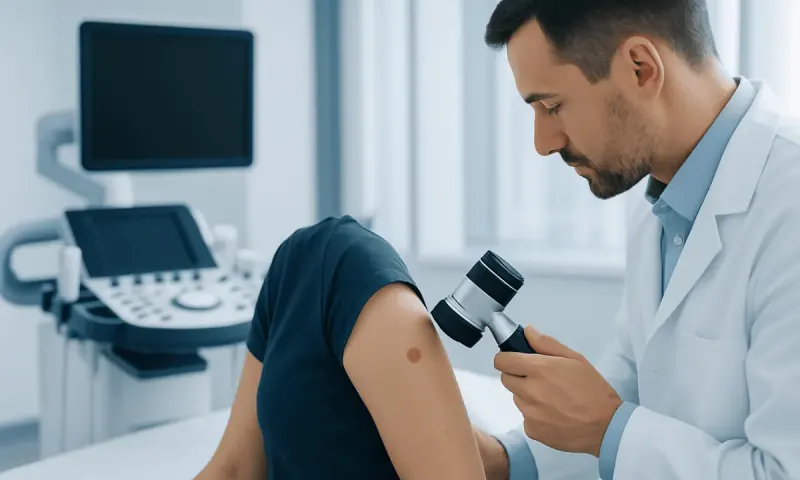
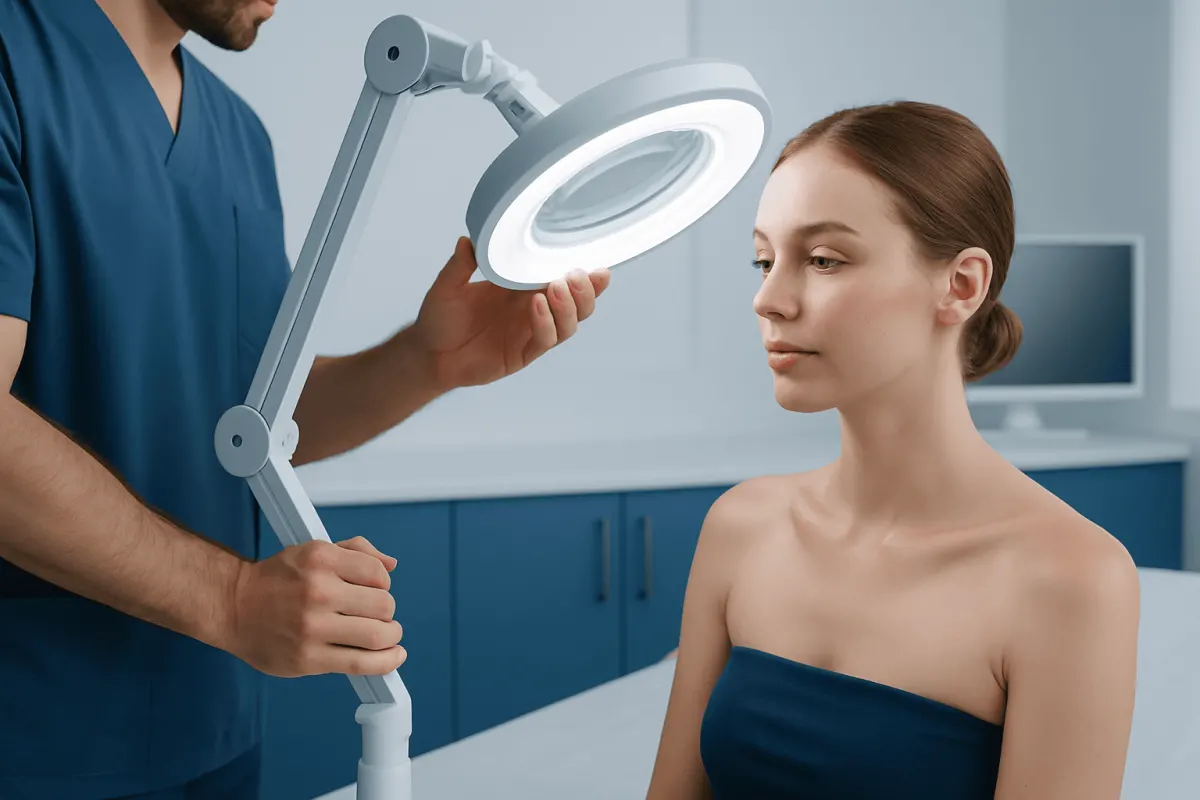
Diagnosis usually begins with a skin examination and a discussion of symptoms, routine, medical history, and timing of breakouts. A doctor may ask when acne started, whether it changes with menstrual cycles, which products are used, and whether previous treatments caused dryness or helped only temporarily.
In many cases, acne can be diagnosed just by looking at the skin. The doctor will consider the type of lesions present, the areas affected, and whether there are signs of scarring or post-inflammatory dark marks. This helps determine whether the acne is mild, moderate, or severe and whether there may be another cause for the bumps.
Additional tests are not always needed. However, if acne begins suddenly, is severe, or is accompanied by irregular periods, excess facial hair, or other hormone-related symptoms, further evaluation may be recommended. The aim is to identify any underlying factor that could be contributing to persistent breakouts.
Clear skin plans work best when they are individualized. What helps one person may irritate another, especially if the skin is sensitive, dry, or affected by another condition. A careful diagnosis can prevent unnecessary trial and error and reduce the chance of worsening inflammation through harsh products.
Treatments That Help Clear Skin
Treatment depends on the severity and pattern of breakouts. Mild acne often improves with topical care such as benzoyl peroxide, salicylic acid, adapalene, or prescription retinoids. These treatments work in different ways, including unclogging pores, reducing inflammation, and helping prevent new lesions from forming. Results usually take several weeks, so consistency matters.
For more inflamed or widespread acne, doctors may prescribe combination treatments. These can include topical antibiotics used with benzoyl peroxide, oral antibiotics for limited periods, hormonal treatment for appropriate patients, or isotretinoin for severe or scarring acne under close supervision. Treatment plans are chosen carefully to balance benefit, side effects, and the person’s age, health, and pregnancy plans if relevant.
Some people also benefit from procedures performed by skin specialists. Depending on the skin type and the problem being treated, these may include chemical peels for clogged pores and post-acne marks, laser treatment for selected acne scars or persistent redness, or dermatology care for a full acne assessment and tailored management. Procedures are usually considered an addition to, not a replacement for, an effective home routine.
Picking, frequent product switching, and using many strong actives at once can slow progress. Even effective treatments can initially cause dryness or mild irritation, especially retinoids and exfoliating acids. Starting slowly and following professional guidance often improves tolerance and helps the skin clear more steadily over time.
Daily Skin Care and Self-Care for Clearer Skin
A simple and gentle routine is often the best place to start. Washing the face twice daily and after heavy sweating can help remove excess oil and debris, but scrubbing hard usually makes inflammation worse. A mild cleanser, light non-comedogenic moisturizer, and broad-spectrum sunscreen are basic steps that support the skin barrier and reduce irritation from treatment products.
Products labeled non-comedogenic or oil-free may be less likely to clog pores. Makeup should be removed before sleep, and makeup brushes or applicators should be cleaned regularly. Hair oils and pomades can contribute to forehead breakouts, so keeping them away from facial skin may help. It is also wise to avoid squeezing lesions, as this can increase inflammation, infection risk, and scarring.
Lifestyle measures may support overall skin health. Changing out of sweaty clothing, showering after exercise, and choosing loose, breathable fabrics can help reduce body breakouts. Stress management, regular sleep, and a balanced eating pattern may also be useful, especially if flare-ups seem to follow stress or certain foods.
- Cleanse gently morning and night
- Use non-comedogenic moisturizer and sunscreen
- Avoid harsh scrubs and over-washing
- Do not pick or pop pimples
- Introduce new acne products one at a time
Self-care should be realistic and sustainable. Skin often needs six to twelve weeks to show meaningful improvement, and occasional breakouts can still occur even with good habits. The aim is gradual control, not instant perfection.
When to See a Doctor
Medical advice is important when breakouts are painful, leave scars, involve large areas of the body, or do not improve with over-the-counter treatment. A doctor can also help if acne is causing distress, low confidence, or avoidance of social situations. Skin health has emotional effects as well as physical ones, and both deserve attention.
Professional care is especially useful when breakouts seem hormonally linked, start suddenly in adulthood, or occur with other symptoms such as irregular periods, hair thinning, or excess hair growth. These patterns can suggest an underlying issue that should be assessed rather than treated only on the surface.
Some blemishes that look like acne may actually be another condition. If there is significant redness, burning, itching, crusting, or a rash around the mouth or eyes, the diagnosis may differ and require a different approach. A dermatologist can clarify whether the problem is acne, irritation, folliculitis, rosacea, or something else.
For people seeking specialist evaluation, Acıbadem Health Point’s multidisciplinary specialists in JCI-accredited hospitals diagnose and treat skin conditions for international patients. The most effective route to clear skin is usually an accurate diagnosis, a personalized plan, and enough time for treatment to work safely.
Frequently asked questions
01How long does it take to get clear skin?
Clearer skin usually takes time rather than happening overnight. Many acne treatments need at least several weeks before visible improvement appears, and fuller results may take two to three months or longer. Consistency is often more important than using many products.
02Can diet cause breakouts?
Diet does not affect everyone’s skin in the same way, but some people notice breakouts worsen with certain foods. High-glycemic foods and some dairy products may contribute in some individuals. Keeping a simple symptom diary can help identify personal patterns without making overly restrictive changes.
03Is washing the face more often better for acne?
No. Over-washing and scrubbing can irritate the skin barrier and make inflammation worse. Most people do best with gentle cleansing twice a day and after heavy sweating.
04Do moisturizers make acne worse?
Not necessarily. A light, non-comedogenic moisturizer can actually help by reducing dryness and irritation, especially when acne treatments are being used. Skin that is overly dry may become more reactive and harder to treat comfortably.
05Should pimples be popped to make them heal faster?
Popping pimples usually does more harm than good. It can push inflammation deeper, delay healing, and increase the risk of marks or scars. Hands-off care and appropriate treatment are generally safer and more effective.
06When is acne considered severe?
Acne may be considered more severe when there are many inflamed lesions, deep painful nodules, widespread involvement of the chest or back, or early scarring. Acne that does not improve with standard over-the-counter care also deserves medical assessment. Early treatment can reduce the chance of long-term marks.
This article is for general information only and is not a substitute for professional medical advice. Please consult a qualified doctor about your individual situation.
Joint and spine care in Turkey — expert assessment & treatment
JCI-accredited · board-certified surgeons · reply within 24h
Add us as a Preferred Source to see more of our trusted health content across Google Search, AI Overviews and Discover.