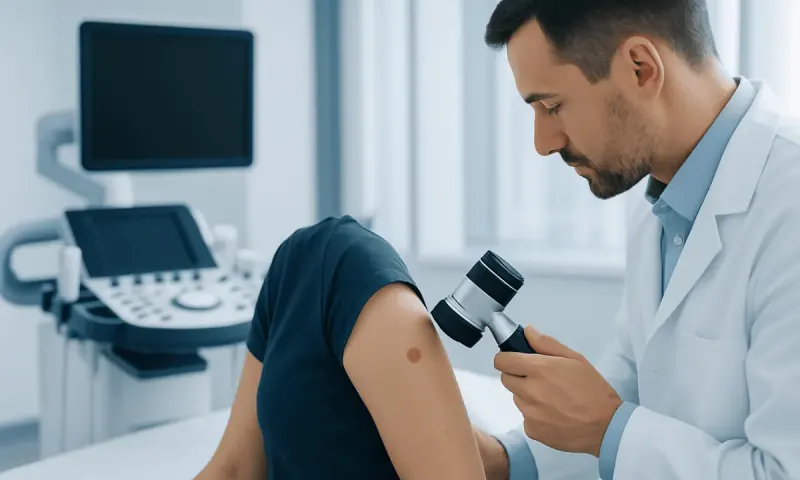
Private Skin Tag Removal: Procedure and Healing Time

Private skin tag removal is usually a straightforward outpatient procedure performed after a clinician confirms that the growth is a skin tag. Most people can return to normal daily activities promptly, while the small treatment area commonly heals over several days to a few weeks depending on the removal method and location.
Private Skin Tag Removal: How It Works
Private skin tag removal refers to assessment and treatment by a qualified clinician in a clinic or hospital setting. Skin tags are small, soft, harmless growths that often form where skin rubs together, such as the neck, underarms, groin, eyelids or beneath the breasts. They are not contagious and do not usually need treatment, but removal may be considered when a tag catches on clothing or jewellery, bleeds after irritation, causes discomfort, or is unwanted for cosmetic reasons.
The first step is confirming the diagnosis. A clinician examines the area and considers the growth’s shape, colour, size and history. This is important because not every raised skin lesion is a skin tag. If the appearance is unusual, changing, very dark, painful or bleeding without obvious injury, the clinician may recommend further assessment instead of routine removal. Professional skin tag removal can then be planned using the method most appropriate for the location and size of the growth.
Removal is generally a minor outpatient procedure. It is not intended to prevent future skin tags, as people who are prone to them may develop new tags elsewhere over time. However, a removed skin tag does not usually grow back in exactly the same place.
Who Is a Good Candidate for Skin Tag Removal?
Most adults with a clearly diagnosed skin tag can discuss removal with a dermatologist or another appropriately trained clinician. It may be particularly reasonable for a tag that is repeatedly irritated by shaving, clothing, eyewear or jewellery, or one that affects comfort and confidence. A consultation also gives the person an opportunity to discuss expected scarring, aftercare and the most suitable technique for sensitive areas.
Some circumstances require additional care. People taking blood-thinning medicines, those with bleeding disorders, diabetes, reduced immune function, a tendency to form raised scars, or a history of poor wound healing should tell the clinician before treatment. This information does not necessarily prevent removal, but it can affect the preparation, technique and aftercare plan.
Self-removal is not recommended. Over-the-counter products and home methods may cause burns, bleeding, infection or scarring, and they can delay diagnosis if the lesion is not actually a skin tag. It is especially important not to attempt removal from the eyelid, genital region or any lesion that looks different from a typical soft, flesh-coloured tag.
Step by Step: What Happens During the Procedure?

The appointment usually starts with a focused examination and discussion of medical history, medicines, allergies and treatment goals. The clinician explains the proposed method, likely healing pattern and possible risks. Photographs or measurements may be taken for the medical record where appropriate, and consent is obtained before treatment.
The skin is cleaned carefully. For larger tags or sensitive locations, a small injection or topical local anaesthetic may be used to numb the area. The sensation from the anaesthetic injection can be brief, while the removal itself is often felt as pressure or minor pulling rather than sharp pain.
Several techniques may be used:
- Snip excision: the tag is removed at its narrow base with sterile scissors or a blade.
- Electrosurgery: controlled heat seals and removes the tag, often with minimal bleeding.
- Cryotherapy: liquid nitrogen freezes the tissue, which then dries, darkens or forms a small blister before falling away.
Afterwards, a small dressing or petroleum-based protective layer may be applied. Occasionally, especially if a lesion is atypical or larger than expected, the removed tissue may be sent for laboratory examination. The clinician provides instructions tailored to the treatment site and method.
How Painful Is Skin Tag Removal?
Skin tag removal is usually well tolerated. Small tags can sometimes be removed with little more than a quick pinch or pulling sensation. When local anaesthetic is used, the brief sting of the injection is often the most noticeable part, after which the treated area should be numb during removal.
After the anaesthetic wears off, mild tenderness, stinging or sensitivity can occur for a day or two, particularly in areas exposed to sweat or friction. Cryotherapy may produce temporary burning, redness, swelling or blistering. Simple measures recommended by the treating clinician are generally sufficient for discomfort; people should ask before using pain medicines if they have medical conditions or take regular medicines.
Persistent or increasing pain is not expected. Pain that becomes more severe, particularly with warmth, spreading redness, discharge or fever, should be reviewed because it may indicate irritation, infection or another complication.
How Long Does It Take to Heal After Having Skin Tags Removed?
Healing after skin tag removal depends on the technique, size of the tag, depth of the treated area and its location. A tiny snip removal may leave a small superficial wound that closes within several days to around two weeks. Areas subject to rubbing, moisture or movement, such as the underarm, groin or neck, can take longer to settle.
After cryotherapy, the tag may blister, become darker or form a crust before detaching. This process often takes one to three weeks. With electrosurgery, a small scab may develop and generally falls off naturally as the skin repairs. The final colour of the skin can continue to change for weeks or occasionally longer, particularly in people with darker skin tones.
It is best to allow scabs and crusts to detach naturally. Picking can restart bleeding and increase the chance of infection or a more noticeable mark. A small pale, pink or darker area may remain after healing; most changes fade gradually, although any procedure that breaks the skin carries some risk of a lasting scar or pigment change.
How Long to Wait to Shower After Skin Tag Removal?
In many cases, a gentle shower is acceptable after 24 hours, but the exact advice depends on the removal method, whether there was bleeding and the location of the wound. The treating clinician’s instructions should always take priority. If a dressing has been applied, patients should ask when to remove or replace it and whether it should be kept dry initially.
When showering is permitted, lukewarm running water is preferable to soaking. The area should be cleaned gently, without scrubbing, and patted dry with a clean towel. Harsh antiseptics, perfumed products and exfoliating products are usually best avoided unless specifically recommended.
Swimming pools, hot tubs, saunas and long baths are commonly avoided until the skin has sealed and the clinician confirms it is safe. These environments can soften a healing scab and may increase exposure to bacteria or irritants. For sites in skin folds, keeping the area clean and dry after washing is particularly helpful.
What Not to Do After Skin Tag Removal?
Aftercare is usually simple, but protecting the area supports healing. Patients should not pull off a scab, scratch a blister, shave over the treatment site or use home chemicals to speed up healing. Tight clothing, jewellery or other repeated friction should be avoided where practical until tenderness has settled and the skin is closed.
People should also avoid applying make-up, fragranced lotions or non-prescribed creams directly over an open or crusted wound. Sun exposure can make temporary colour changes more noticeable, so covering the area or using sunscreen once the skin is fully healed can be useful. A clinician can advise on suitable products for facial or exposed sites.
Possible benefits of professional removal include relief from recurrent catching or bleeding and a more even skin surface. Risks are generally minor but can include temporary bleeding, infection, scarring, delayed healing and changes in pigmentation. These are less likely when the diagnosis is confirmed, sterile technique is used and aftercare advice is followed.
When to Seek Medical Care
Medical assessment is advisable before any skin growth is removed, especially if it is new, rapidly changing, irregular in colour or shape, painful, ulcerated, or bleeds without being rubbed or injured. A lesion that does not resemble a usual soft skin tag may need a different evaluation. For broader information on concerning skin changes, see skin cancer assessment and warning signs.
After removal, patients should contact their clinician if bleeding does not stop with steady gentle pressure, redness spreads beyond the immediate treatment area, pain is worsening, pus develops, fever occurs, or the wound does not appear to be healing. They should also seek advice if they have diabetes, immune suppression or circulation problems and notice any concern with the wound.
Acıbadem Health Point’s multidisciplinary specialists and JCI-accredited hospitals can assess skin lesions and provide appropriate treatment planning for international patients. A consultation can help ensure that removal is suitable and that the aftercare plan reflects the person’s skin type, health history and the site being treated.
Frequently asked questions
01Can skin tags be removed privately?
Yes. Private skin tag removal is typically provided after a clinician examines the lesion and confirms it is appropriate for minor treatment. The appointment may include assessment, removal and personalised wound-care advice.
02How long does it take to heal after having skin tags removed?
Small removal sites often heal within several days to around two weeks. Cryotherapy can take one to three weeks for the frozen tag to dry and detach, while skin colour changes may take longer to fade.
03How long should a person wait to shower after skin tag removal?
A gentle shower is often possible after 24 hours, but the clinician's instructions should be followed because advice varies by technique and site. Avoid soaking the area, scrubbing it or exposing it to pools and hot tubs until the skin has healed.
04What should not be done after skin tag removal?
Do not pick scabs, pop blisters, shave over the area or apply harsh products to the wound. It is also sensible to limit friction from tight clothing or jewellery and avoid swimming until the area has sealed.
05How painful is skin tag removal?
Most people experience only brief discomfort. Local anaesthetic can numb the area, and mild tenderness or stinging afterward usually settles within a short time.
06Will a removed skin tag grow back?
A fully removed skin tag usually does not return at the exact same site. However, people who are prone to skin tags may develop new ones in other areas, particularly where skin rubs together.
This article is for general information only and is not a substitute for professional medical advice. Please consult a qualified doctor about your individual situation.
Explore treatments in Turkey — costs, top hospitals & a free quote
JCI-accredited · board-certified surgeons · reply within 24h
Add us as a Preferred Source to see more of our trusted health content across Google Search, AI Overviews and Discover.