How Often Is a Colonoscopy Needed?
How often colonoscopy is needed depends on why it is being done, personal and family history, bowel preparation quality, and whether polyps or cancer are found. For many average-risk adults with a normal screening examination, the interval is 10 years, but a clinician may recommend an earlier or later follow-up based on individual results.
How often is colonoscopy needed?
How often colonoscopy is recommended depends on its purpose and the findings. For average-risk adults, a normal, well-prepared screening colonoscopy commonly means the next examination is due in 10 years. This interval may be shorter when polyps are removed, bowel cleansing was incomplete, there is a significant family history, or the test is being used to monitor an existing condition.
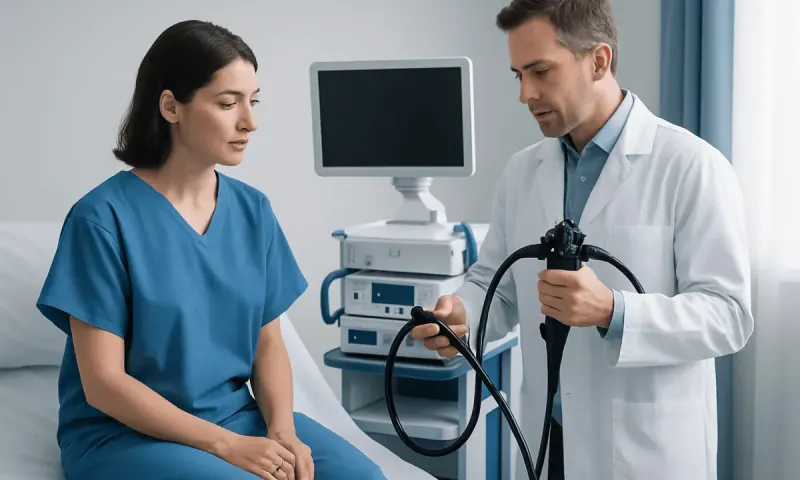
Colonoscopy is a procedure that lets a gastroenterologist examine the lining of the rectum and colon with a flexible camera. It can detect inflammation, bleeding sources, polyps and colorectal cancer, and it also allows tissue sampling or polyp removal during the same examination. The appropriate schedule should be confirmed with the clinician who knows the person’s health history and pathology results.
People should not wait for a routine screening interval if they develop concerning symptoms. New rectal bleeding, persistent changes in bowel habits, unexplained iron-deficiency anemia, ongoing abdominal pain, or unintentional weight loss deserve medical assessment, even after a previous normal test.
Who may need a colonoscopy and why
A colonoscopy may be performed for screening, to investigate symptoms, or for surveillance after previous polyps, colorectal cancer, or certain bowel diseases. Screening aims to find polyps before they become cancerous and to identify colorectal cancer at an early stage, when treatment options are generally broader.
Average-risk screening commonly begins at age 45 in many guidelines, although the right starting point can differ according to local recommendations and individual circumstances. Earlier screening may be advised for people with a parent, sibling or child who had colorectal cancer or advanced polyps, especially at a younger age. Inherited cancer syndromes can require a specialist-led surveillance plan.
People with ulcerative colitis or Crohn’s disease involving the colon may need regular surveillance because longstanding inflammation can increase colorectal cancer risk. A colonoscopy may also help assess symptoms linked to Crohn's disease or other digestive conditions. The timing is individualized according to disease extent, duration, inflammation and previous results.
Is a colonoscopy recommended every 5 years or 10 years?
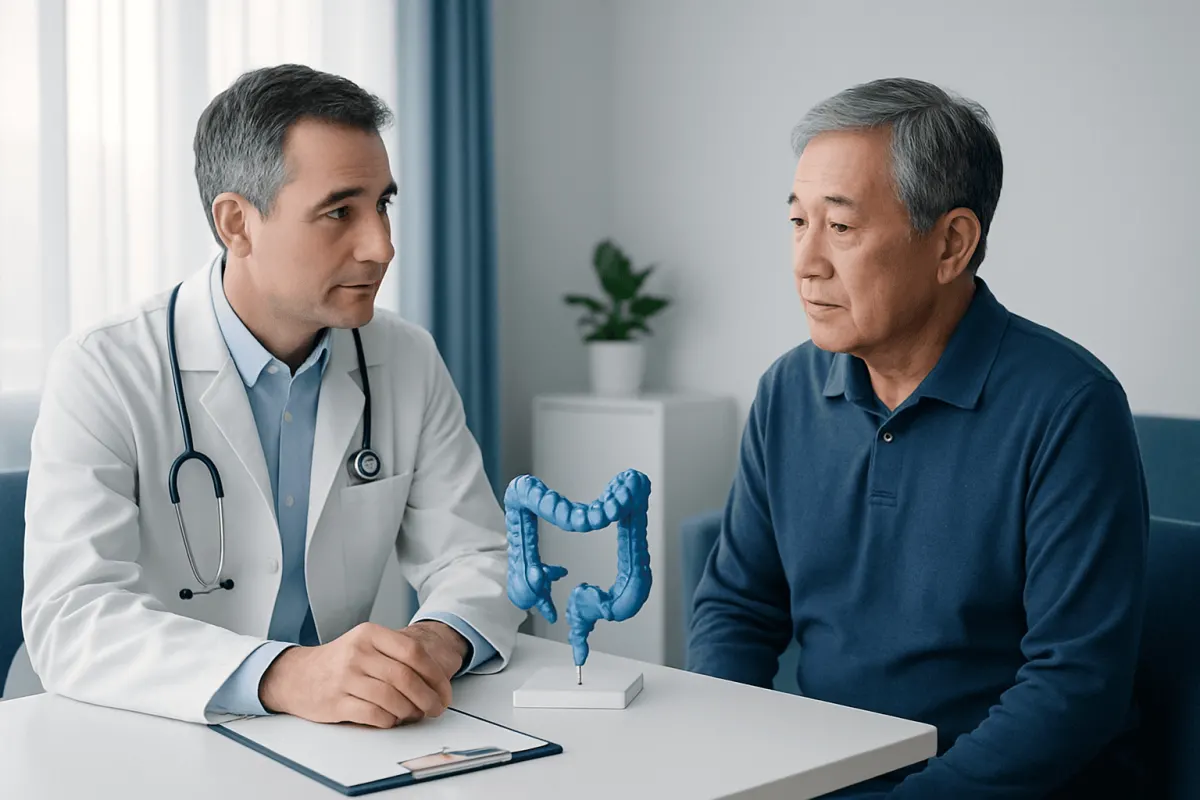
For a person at average risk whose colonoscopy is normal and whose bowel preparation was adequate, 10 years is often recommended. A 5-year interval may be advised when there is a relevant family history, selected prior polyp findings, or other factors that raise risk. The examination report and pathology report provide the information needed to set the next date.
After polyps are removed, follow-up can range from a few years to longer, depending on the number, size and microscopic type of polyps. If the bowel was not clean enough to view the colon reliably, the clinician may recommend repeating the test sooner. This is not necessarily a sign that something is wrong; it helps ensure the examination is complete.
How often colonoscopy after colon cancer is usually more frequent than routine screening and is coordinated by the cancer care team. The schedule depends on the original cancer, surgery, treatment, imaging and prior examination findings. People with a personal history of colorectal cancer should follow their specialist’s surveillance plan rather than relying on a general interval.
How colonoscopy preparation and the procedure work
Preparation begins several days before the examination. The care team provides instructions about adjusting diet, drinking a prescribed bowel-cleansing solution, and managing medicines. It is particularly important to ask about blood thinners, diabetes medicines, iron supplements and kidney disease, as these can affect the preparation plan or require special instructions.
The cleansing medicine causes the colon to empty. Many people have repeated urgent, watery bowel movements for several hours, especially after each part of a split-dose preparation. Staying near a toilet, drinking permitted clear liquids to avoid dehydration, and using gentle skin protection can make this period more manageable. The care team should be contacted before changing or stopping prescribed medicines.
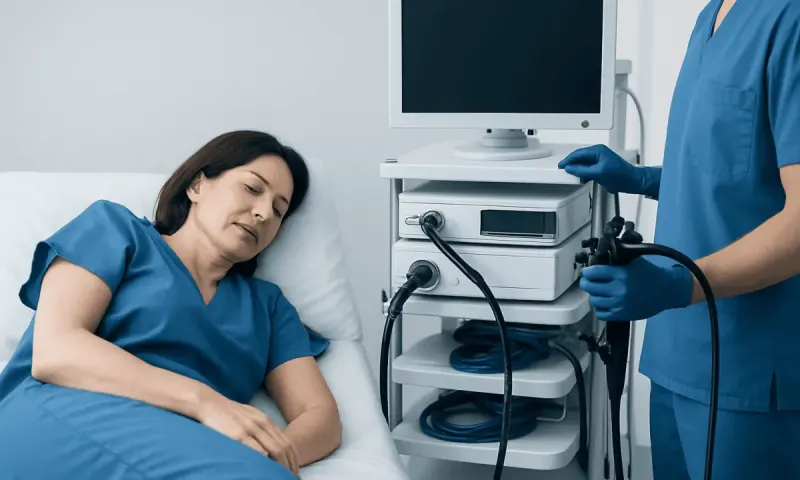
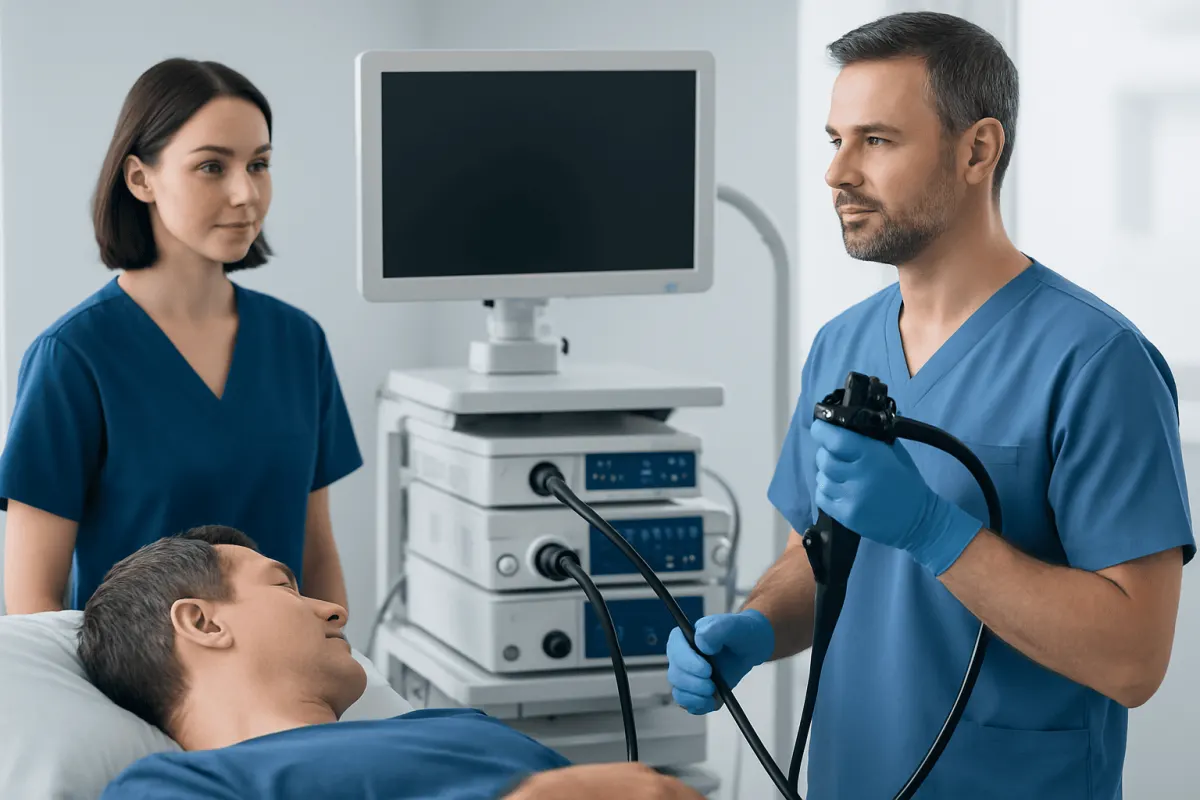
At the procedure, staff check medical history, allergies and vital signs. Sedation is commonly used to help the person relax and remain comfortable. The gastroenterologist carefully advances the colonoscope through the rectum and colon, using air or carbon dioxide to improve visibility. If necessary, small tissue samples can be taken and polyps can often be removed immediately through the scope using colonoscopy.
The examination itself often takes less than an hour, although check-in, preparation, recovery and discussion extend the visit. A companion is needed to take the patient home after sedation, and driving, alcohol, signing important documents and operating machinery should be avoided until the following day or as instructed.
How often are you pooping during colonoscopy prep?
There is no exact number of bowel movements that applies to everyone. Once the bowel-cleansing solution starts working, people commonly pass frequent loose or watery stool, sometimes every few minutes for a period, followed by less frequent trips as the bowel empties. The response depends on the preparation prescribed, diet, usual bowel habits and individual digestion.
The intended result is usually liquid stool that becomes clear, pale yellow or light brown, without solid particles. This suggests the colon is clean enough for a detailed examination. Some people continue to pass small amounts of liquid stool until they leave for the appointment, which can be normal.
Clear liquids allowed by the preparation instructions are important because they replace fluid lost through diarrhea. Red or purple drinks are commonly avoided because they may be mistaken for blood during the examination. If vomiting prevents completion of the preparation, severe weakness develops, or there is uncertainty about the instructions, the endoscopy unit should be contacted promptly.
Is it better to have a colonoscopy in the morning or afternoon?
A morning or afternoon colonoscopy can both be appropriate when the preparation is completed exactly as instructed. Morning appointments may feel convenient because fasting ends earlier, while afternoon appointments can suit people who prefer to take the second part of a split-dose preparation on the morning of the test. The best timing is often the slot that allows the person to follow the bowel-preparation schedule safely and accurately.
For many patients, a split-dose regimen—taking part of the cleansing medicine the evening before and the rest closer to the procedure—provides better bowel cleansing than taking all of it the day before. The endoscopy team will specify when to stop drinking liquids before sedation. These instructions should take priority over general advice, particularly for people with diabetes, kidney disease, heart conditions or complex medications.
Some research supports good-quality preparation with both morning and afternoon appointments when the regimen is timed correctly. Rather than choosing solely by time of day, patients can discuss practical needs such as travel time, health conditions, work, caregiver availability and medication timing with their care team.
What if I still have diarrhea the morning of my colonoscopy?
Watery diarrhea on the morning of colonoscopy is often expected and may indicate that the bowel preparation is still working. If the stool is clear, pale yellow or nearly transparent and contains no solid material, the patient should generally continue following the endoscopy unit’s instructions and attend as scheduled.
If bowel movements remain brown, cloudy, thick, or contain solid particles, the colon may not be adequately clean. The patient should call the endoscopy unit before leaving home for individualized advice. Staff may recommend additional preparation, a change to the schedule, or proceeding if they believe the preparation is sufficient.
Immediate medical advice is appropriate for severe abdominal pain, fainting, confusion, repeated vomiting that prevents fluid intake, or signs of a significant allergic reaction. Mild cramping, bloating and frequent liquid stool are common preparation effects, but severe or worsening symptoms should not be managed alone.
Recovery, results, benefits and when to seek medical care
After the procedure, people rest in a recovery area while sedation wears off. Mild bloating or passing gas is common because air or carbon dioxide is used during the examination. Most people can return to usual eating and routine activities the next day, unless their clinician gives different advice. If a polyp is removed, temporary diet or activity guidance may be provided.
The clinician may share initial visual findings on the day of the procedure. If tissue samples or polyps are sent to a laboratory, final results take longer and guide follow-up timing. The principal benefit of colonoscopy is that it can both identify and remove many precancerous polyps in one procedure. Uncommon risks include bleeding, a tear in the colon, medication reactions and complications related to sedation; risk can be higher when complex polyps are removed.
Patients should seek urgent medical care after colonoscopy for severe or worsening abdominal pain, fever, persistent vomiting, dizziness or fainting, heavy rectal bleeding, or bleeding that does not settle. A small amount of blood can occur after polyp removal, but the care team should explain what is expected and when to call.
Acıbadem Health Point’s multidisciplinary specialists and JCI-accredited hospitals diagnose and treat digestive conditions for international patients. For people who need investigation or treatment planning after an abnormal examination, coordinated gastroenterology care can help clarify next steps.
Frequently asked questions
01How often do colonoscopies need to be repeated if no polyps are found?
For many adults at average risk, a normal colonoscopy with adequate bowel preparation is repeated after 10 years. The interval may differ if there is a strong family history, new symptoms, an inherited cancer syndrome, inflammatory bowel disease, or concerns about preparation quality.
02How often is colonoscopy done after polyps are removed?
The schedule depends on the number, size and type of polyps, as well as whether they were completely removed. A clinician uses the procedure and pathology reports to recommend follow-up, which may be in a few years rather than the standard 10-year screening interval.
03Can a colonoscopy be repeated sooner than planned?
Yes. A clinician may recommend an earlier examination if the bowel was not adequately clean, a polyp could not be fully removed, symptoms develop, or risk factors change. An earlier procedure can help ensure that the lining of the colon has been assessed reliably.
04Do I need to finish all of the bowel preparation if my stool is already clear?
Patients should follow the exact instructions from their endoscopy unit unless a clinician tells them otherwise. Completing the prescribed preparation helps clean areas of the colon that may not yet be fully empty, improving the quality and safety of the examination.
05Can I work the day after a colonoscopy?
Many people can return to work and normal daily activities the day after a routine colonoscopy. The day of the procedure should be kept free because sedation can impair judgment and coordination, and recovery instructions may differ if a large polyp was removed or another treatment was performed.
06Is colonoscopy painful?
Most people receive sedation and do not feel significant pain during the examination. Some temporary pressure, cramping or bloating can occur, particularly afterward as air leaves the bowel. Patients should tell the team about prior experiences with sedation, anxiety or pain so comfort needs can be addressed.
This article is for general information only and is not a substitute for professional medical advice. Please consult a qualified doctor about your individual situation.
Medical weight-loss options in Turkey — costs & eligibility
JCI-accredited · board-certified surgeons · reply within 24h
Add us as a Preferred Source to see more of our trusted health content across Google Search, AI Overviews and Discover.