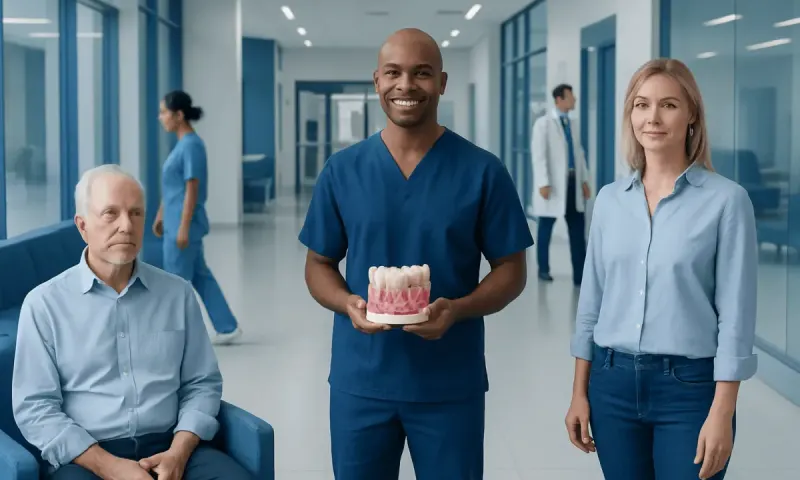
How Much Are Dental Implants for One Tooth vs Full Mouth?

Dental implants for one tooth and for a full mouth differ greatly in cost because the treatment plan, number of implants, restoration type, and bone support needs are not the same. Understanding what affects pricing can help patients compare options more clearly and plan for treatment with realistic expectations.
Overview: Why Implant Costs Vary So Much
Dental implants are a long-term way to replace missing teeth, but the cost can vary widely between a single missing tooth and a full-mouth reconstruction. This is because these are very different treatments. Replacing one tooth usually involves one implant, one abutment, and one crown, while full-mouth treatment may involve multiple implants, a full-arch prosthesis, temporary restorations, and sometimes preparatory procedures.
Patients often ask for a simple price comparison, but implant care is personalized. The total cost depends on oral health, bone quantity and quality, gum condition, the restoration material, the need for sedation or extractions, and whether treatment is done in stages. In other words, the number of missing teeth is only one part of the picture.
It can also help to understand that an implant treatment fee often includes several components. These may include consultation, digital scans or X-rays, surgical placement of the implant, healing appointments, the connector piece, and the final visible tooth replacement. For larger cases, laboratory work and custom design add more to the final cost.
One Tooth Implant vs Full Mouth: What Is Being Paid For?
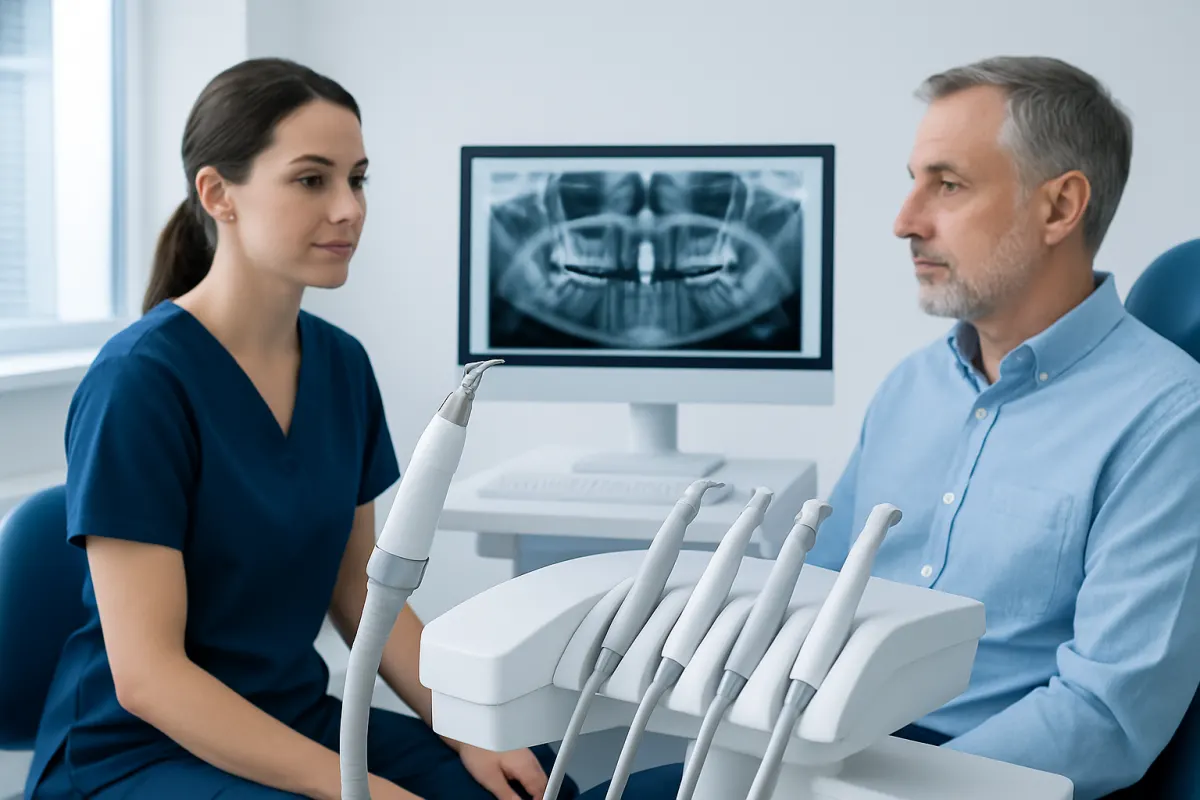
A single-tooth implant is generally the more straightforward option. It is designed to replace one missing tooth without affecting neighboring teeth. In many cases, the main elements are the implant post placed into the jawbone, the abutment that connects the implant to the restoration, and a custom-made crown. If the bone and gums are healthy, treatment may be relatively simple and the cost more predictable.
Full-mouth implant treatment is more complex because it restores many or all teeth in the upper jaw, lower jaw, or both. Instead of placing one implant per tooth, the dentist may recommend a full-arch solution supported by fewer implants, such as All-on-4 treatment or All-on-6 treatment. These approaches can support a full row of teeth while reducing the number of implants required, but they still involve advanced planning, skilled surgery, and highly customized prosthetic work.
Another major difference is the restoration itself. A single crown is much simpler to fabricate than a full-arch bridge or fixed prosthesis. Full-mouth cases may also need bite adjustment, smile planning, gum management, and more follow-up visits to ensure comfort, stability, and appearance.
- Single tooth: usually one implant, one abutment, one crown
- Full mouth: several implants, one or two full-arch restorations, temporary teeth, and more extensive planning
- Higher complexity usually means higher laboratory and clinical costs
Main Factors That Affect Dental Implants Cost

The condition of the jawbone is one of the most important cost factors. If a patient has been missing teeth for a long time, the bone may have shrunk, making additional support necessary before implants can be placed safely. In these situations, bone grafting may be recommended, which adds time, materials, and surgical steps to the treatment plan.
The type of restoration also matters. For one tooth, the final crown material can influence the total cost. For full-mouth treatment, the prosthesis may be made from different materials with different strength and esthetic qualities. More durable or highly customized options may cost more, especially when they are designed for long-term chewing function and smile appearance.
Diagnostic technology and the treatment team’s expertise can also affect pricing. Advanced planning with digital dentistry may improve precision and help the dentist place implants more accurately. Geographic location, clinic standards, sterilization protocols, laboratory quality, and the number of specialist visits all contribute to the total fee as well.
- Bone quantity and gum health
- Need for extractions, sinus lift, or grafting
- Type and number of implants used
- Material of crowns, bridges, or full-arch prostheses
- Imaging, surgical guides, and laboratory work
- Experience of the dental and surgical team
How Dentists Assess Cost Before Treatment
A proper cost estimate starts with a full dental assessment rather than a quick price quote. The dentist examines the mouth, gums, bite, and existing teeth, and usually orders imaging such as panoramic X-rays or three-dimensional scans. This helps identify whether there is enough bone for implant placement and whether any hidden issues, such as infection or gum disease, need attention first.
For some patients, implant treatment cannot begin immediately. Active gum disease, untreated decay, or damaged teeth may need care before surgery. Supportive services such as general dentistry or professional dental hygiene can be part of preparing the mouth for successful implants, and these may add to the overall budget while improving long-term results.
After assessment, the dentist can explain the proposed stages of care and what is included in the estimate. Patients may wish to ask whether the price covers temporary restorations, anesthesia or sedation, abutments, follow-up visits, and maintenance. Clear information is especially helpful in full-mouth cases, where treatment can extend over several months.
Treatment Options for Replacing One Tooth or a Full Mouth
For one missing tooth, an implant-supported crown is often chosen because it replaces the root and the visible tooth without relying on adjacent teeth. This can help preserve the jawbone and maintain spacing. In suitable patients, it is a durable option that can feel natural when properly restored with a custom crown, such as those used in dental crown restoration.
For many missing teeth or complete tooth loss, options include implant-supported bridges, implant-retained dentures, and full-arch fixed solutions. These may be used in one jaw or both. Some patients are candidates for immediate temporary teeth on the same day as implant placement, while others need a healing period before the final restoration is attached.
The least expensive option is not always the most suitable one. A treatment that appears cheaper at first may require more maintenance, offer less stability, or need replacement sooner. The best plan balances safety, function, comfort, oral health, and long-term value for the individual patient.
Ways to Manage Costs and Choose Wisely
When comparing dental implant costs, patients can benefit from looking beyond the base number. It is useful to ask what is included in the treatment package, how many appointments are expected, and whether there are possible additional procedures that could change the final price. Transparent planning helps avoid misunderstandings later.
It can also help to compare treatment approaches rather than only total fees. For example, a patient missing all teeth in one arch may be offered individual implants for many teeth or a full-arch implant system supported by fewer implants. Each option has different advantages, maintenance needs, and cost implications. A careful consultation helps determine what is medically appropriate.
Choosing a qualified team is important for both safety and long-term value. Well-planned implant treatment may reduce the risk of avoidable complications and future corrective work. Near the end of the decision process, some international patients consider centers such as Acıbadem Health Point, where multidisciplinary specialists in JCI-accredited hospitals diagnose and treat complex dental implant cases.
Aftercare, Longevity, and Long-Term Value
The cost of dental implants should also be considered in the context of long-term care. Implants need good daily oral hygiene, regular professional checkups, and prompt attention if problems arise. Although implants do not decay like natural teeth, the surrounding gums and bone can still be affected by inflammation if cleaning is poor.
Single implants and full-mouth restorations both require maintenance, but full-arch work may need more specialized follow-up because of the size of the restoration and the way it contacts the gums. Patients should ask how to clean under bridges, when to return for review, and whether protective night guards are recommended for clenching or grinding.
Long-lasting outcomes depend on several factors, including smoking status, general health, gum health, bite forces, and the quality of the final prosthesis. A well-maintained implant can provide many years of function and comfort, which is one reason some patients view implants as a meaningful long-term investment rather than only a short-term expense.
When to See a Dentist About Missing Teeth
A dentist should be consulted when a tooth is missing, loose, badly damaged, or causing problems with chewing, speech, or confidence. Early assessment may make treatment simpler because bone loss can begin after a tooth is lost. Even if implants are not placed right away, discussing options early can help preserve future choices.
People who wear dentures that slip, feel uncomfortable, or limit eating may also wish to ask whether implant-supported options are suitable. Full-mouth restoration is not the right choice for everyone, but a professional review can explain the benefits, limits, and expected costs in a clear and individualized way.
Anyone considering implants should share their medical history, medications, and smoking habits with the dental team. Conditions such as uncontrolled diabetes, active gum disease, or recent dental infection may need attention first. A thoughtful, step-by-step plan is the safest way to compare one-tooth and full-mouth implant treatment.
Frequently asked questions
01Is one dental implant much cheaper than full-mouth implants?
Yes. Replacing one tooth is usually much less expensive than restoring a full mouth because it involves fewer implants, less laboratory work, and a simpler procedure. Full-mouth treatment requires more planning, more materials, and often more appointments.
02Why can full-mouth dental implants cost so much more?
Full-mouth treatment may include several implants, temporary teeth, customized bridges, extractions, and bone preparation procedures. It is also technically more complex and often involves a multidisciplinary team, which affects the total cost.
03Does the quoted price usually include the crown or full bridge?
Not always. Some estimates include only the surgical implant placement, while others include the abutment, crown, temporary teeth, and follow-up visits. Patients should ask for a detailed written breakdown of what is and is not included.
04Can bone grafting increase the cost of dental implants?
Yes. If there is not enough healthy jawbone to support an implant, bone grafting or another preparatory procedure may be recommended first. This adds both cost and treatment time, but it may improve the chance of a stable long-term result.
05Are All-on-4 and All-on-6 less expensive than replacing every tooth with an implant?
In many cases, yes. These full-arch methods use fewer implants to support an entire row of teeth, which can make them more efficient than placing one implant for each missing tooth. However, the final cost still depends on the materials used, the condition of the mouth, and the complexity of treatment.
06Is the cheapest dental implant option always the best choice?
Not necessarily. Very low prices may not reflect the full scope of treatment, long-term maintenance needs, or the quality of planning and materials. Safe, well-coordinated care and a clear treatment plan are often more important than the lowest initial quote.
This article is for general information only and is not a substitute for professional medical advice. Please consult a qualified doctor about your individual situation.
Explore treatments in Turkey — costs, top hospitals & a free quote
JCI-accredited · board-certified surgeons · reply within 24h
Add us as a Preferred Source to see more of our trusted health content across Google Search, AI Overviews and Discover.