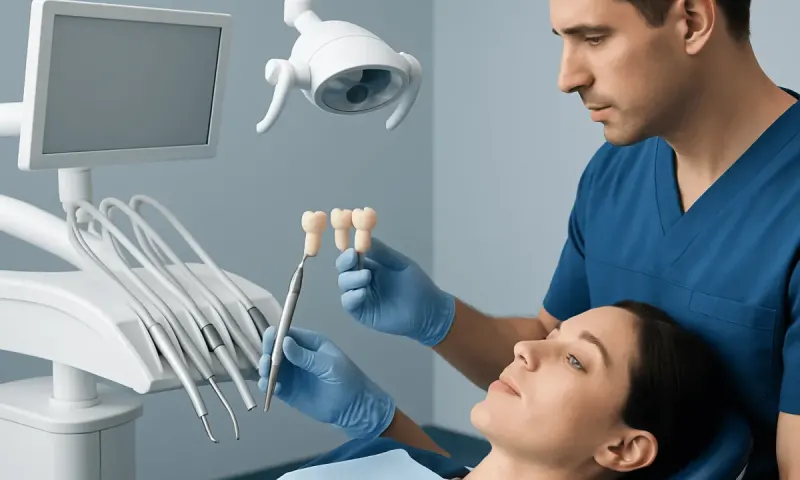
Are You a Candidate for All-on-4 Dental Implants?
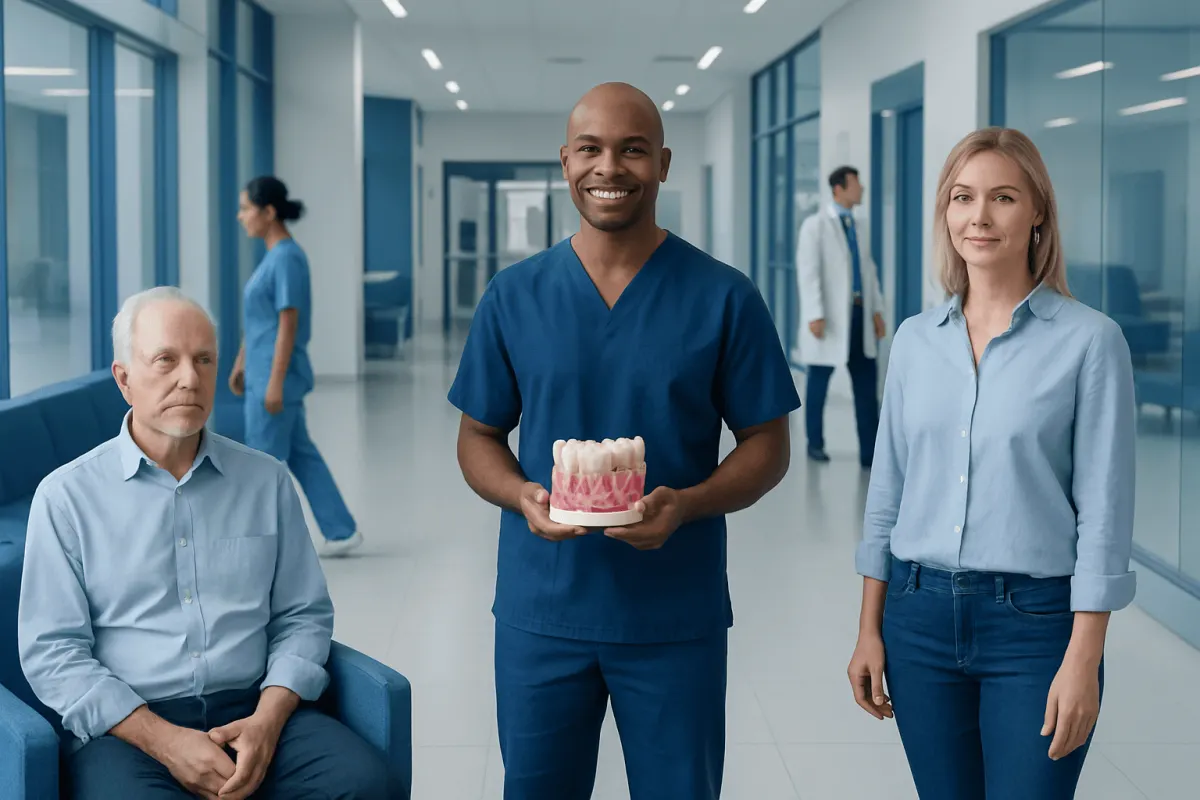
All-on-4 dental implants are a fixed tooth replacement option for people missing most or all teeth in the upper or lower jaw. Candidacy depends on oral health, bone support, medical history, and personal goals, so a dental evaluation is the best way to know if this approach is suitable.
Overview: What All-on-4 Dental Implants Are
All-on-4 dental implants are a method of replacing a full arch of missing teeth using four dental implants placed in the jawbone. These implants act as anchors for a fixed bridge, giving patients a set of replacement teeth that stays in place and is not removed like traditional dentures. The approach is commonly used for the upper jaw, lower jaw, or both.
For many people, the main appeal of All-on-4 is that it can restore chewing function, speech, and appearance with a stable solution. It is often considered when many teeth are already missing, badly damaged, or unlikely to be saved. Compared with replacing each tooth one by one, this treatment can be more efficient while still providing strong support for a full arch.
Whether a person is a good candidate depends on several factors, including oral health, bone support, and general medical history. An assessment by an experienced implant dentist or oral surgeon is important because not everyone will benefit from the same treatment plan. In some cases, alternatives such as All-on-6 treatment or conventional dental implants may be more appropriate.
Who May Be a Good Candidate
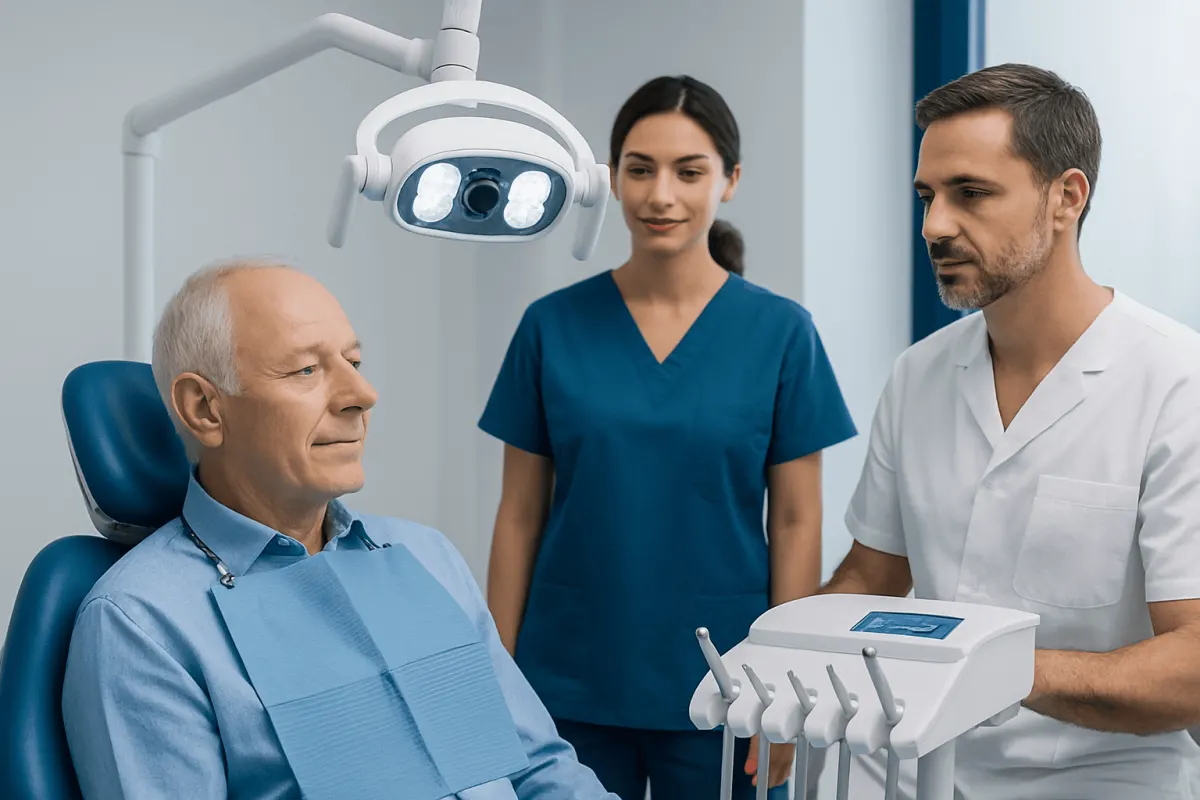
A person may be a good candidate for All-on-4 dental implants if they are missing most or all teeth in one arch, or if their remaining teeth are severely decayed, loose, broken, or affected by advanced gum disease. It is also often suitable for people who are tired of loose dentures and want a more secure, fixed option for daily life.
Many candidates are looking for better chewing comfort, clearer speech, and improved confidence. People who have difficulty with removable dentures because of poor fit, sore spots, or movement may especially benefit from a fixed implant-supported solution. The treatment can also help support facial structure by replacing missing teeth more securely than a removable appliance.
Good candidates are usually able to maintain daily oral hygiene and attend regular follow-up visits. They should also have realistic expectations: All-on-4 can provide major functional and cosmetic improvement, but it still requires planning, healing, and long-term care. A dentist will review the condition of the gums, the amount of available bone, bite alignment, and overall health before recommending All-on-4 treatment.
Factors That Affect Eligibility
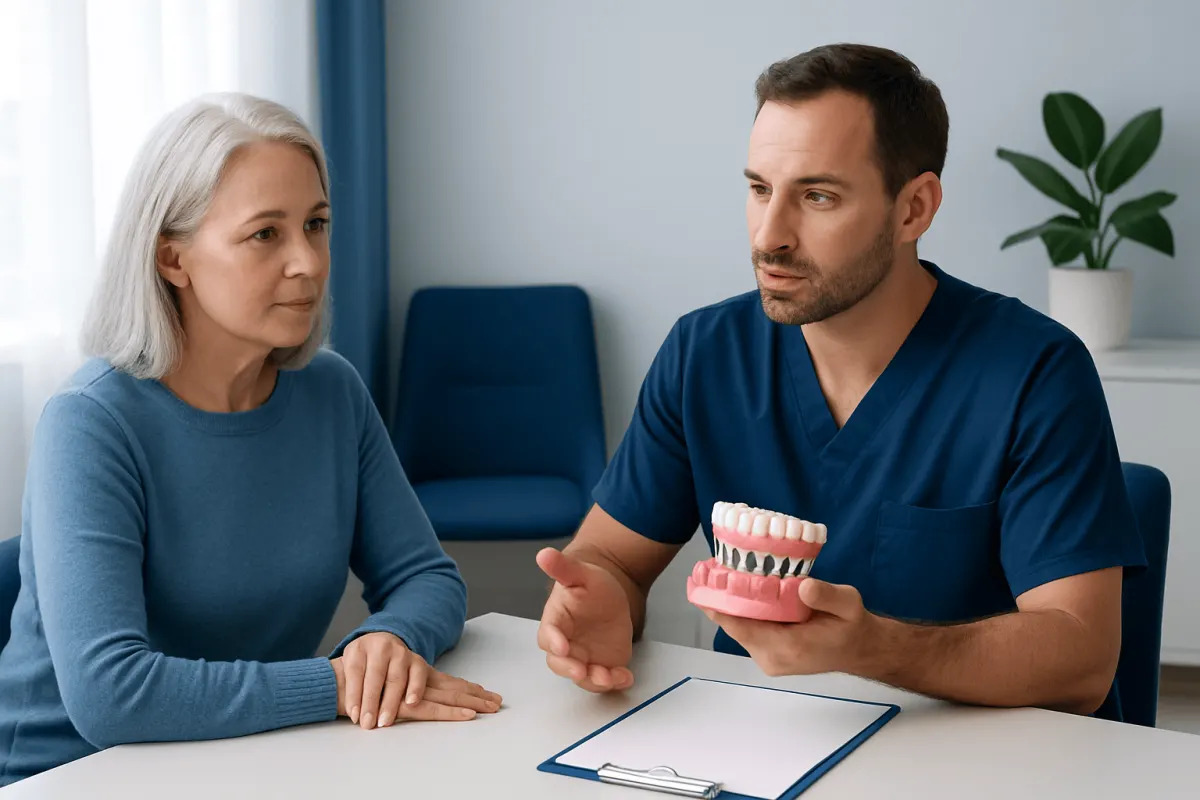
Healthy gums and adequate jawbone support are two of the most important factors in implant eligibility. Although All-on-4 is designed to make efficient use of available bone, there still needs to be enough bone in the correct areas to hold the implants securely. If bone loss is significant, some patients may first need dental bone grafts or another preparatory procedure.
General health also matters. Conditions such as poorly controlled diabetes, immune disorders, active cancer treatment, or medications that affect bone healing can increase the risk of complications. This does not automatically rule out implants, but it does mean a dentist may need to coordinate with a physician and adjust the treatment plan carefully.
Lifestyle habits can influence success as well. Smoking and heavy tobacco use can slow healing and raise the chance of implant failure. Teeth grinding, also called bruxism, may place extra force on implants and the prosthetic teeth, so it may need to be managed with a protective night guard or bite adjustment.
Age by itself is usually not the deciding factor. Many older adults can be suitable candidates if their overall health and oral condition are stable. In contrast, younger people may need to wait until jaw growth is complete before having permanent implant treatment.
When Someone May Need Other Treatment First
Some people are interested in All-on-4 but are not ready for it immediately. This is common and does not necessarily mean implants are not possible. Often, the dental team first treats infections, removes unsalvageable teeth, improves gum health, or addresses areas of chronic inflammation before moving forward.
Untreated periodontal disease, active tooth abscesses, and poor oral hygiene can interfere with healing and long-term implant stability. If there are teeth that may still be saved, the dentist may discuss whether preserving them is better than removing them. In other cases, teeth are too damaged to function well and full-arch replacement becomes the more practical option.
Preparatory care may include deep cleaning, extraction of hopeless teeth, management of bite problems, or specialist treatment such as endodontic care for selected teeth. A comprehensive review under general dentistry can help identify the safest sequence of care. The goal is to create a healthy, stable foundation before implant placement.
How Dentists Decide If All-on-4 Is Right
The decision begins with a full consultation. The dentist reviews the patient’s symptoms, goals, medical history, medications, and any previous dental treatment. A clinical exam checks the teeth, gums, bite, jaw movement, and the condition of existing dentures or bridges if the patient already uses them.
Dental imaging is essential. Panoramic X-rays and three-dimensional scans such as CBCT help the team assess bone quantity, bone density, sinus position, and nerve location. These details show whether four implants can be placed safely and whether angled posterior implants, which are commonly used in All-on-4, would be beneficial.
The dentist also evaluates bite force and habits such as clenching or grinding. The amount of space available for the new prosthesis is important, especially if the person has worn-down teeth or changes in jaw relationship. Sometimes another design, such as a removable implant overdenture or a larger implant-supported bridge, is recommended instead.
During this planning stage, the dentist explains the expected process, healing timeline, cleaning needs, and costs of maintenance. This helps the patient compare All-on-4 with other tooth replacement options and make an informed decision based on both clinical needs and lifestyle preferences.
Benefits, Limits, and Alternatives
For the right candidate, All-on-4 offers several benefits. It provides a fixed full-arch restoration, improves stability compared with removable dentures, and may reduce the need for extensive grafting in some patients. Many people appreciate the convenience of teeth that remain in place and feel more natural during eating and speaking.
At the same time, All-on-4 is not the perfect answer for everyone. It is a surgical treatment, so healing time and follow-up care are part of the process. Although the prosthesis is fixed, it still needs professional maintenance and daily cleaning at home. Like natural teeth, implant restorations can develop problems if hygiene is poor or if the bite places too much stress on them.
Alternatives may include conventional dentures, partial dentures, single implants, implant-supported bridges, or full-arch treatment with more implants. For some patients, All-on-6 may offer additional support depending on bone shape and bite forces. A dentist may also discuss a full dental implant approach if there is enough bone and the treatment goals differ from a four-implant plan.
The best option is the one that matches the person’s oral condition, overall health, budget, and expectations. A careful consultation helps ensure that the chosen treatment is both practical and durable over time.
Self-care, Preparation, and Long-Term Success
Before treatment, patients are usually advised to improve oral hygiene, stop smoking if possible, and bring chronic medical conditions under good control with their doctor. These steps can support healing and reduce the risk of complications. Clear communication about medications, allergies, and previous surgeries is also important during planning.
After the procedure, long-term success depends heavily on maintenance. Although implants do not get cavities, the surrounding gum and bone can still become inflamed if plaque builds up. Patients need to brush carefully, clean under the prosthesis as instructed, and attend regular dental reviews for professional checks and cleaning.
A healthy diet, smoking avoidance, and management of grinding or clenching can protect the restoration. Patients should report any persistent pain, looseness, bad taste, swelling, or difficulty biting as early as possible. Early attention often makes problems easier to treat.
Near the end of the care journey, some international patients choose centers with integrated dental, imaging, and surgical services. Acıbadem Health Point’s multidisciplinary specialists in JCI-accredited hospitals evaluate and treat suitable candidates for complex implant care, including full-arch rehabilitation.
When to See a Dentist About All-on-4
It is a good idea to see a dentist if multiple teeth are missing, several teeth are failing, or removable dentures no longer feel comfortable or stable. A consultation is also worthwhile for people who avoid certain foods because chewing is difficult, or who feel self-conscious about their smile due to extensive tooth loss.
Prompt dental review is especially important if there are signs of infection or gum disease, such as swelling, bleeding, pus, bad breath, loose teeth, or pain while chewing. These problems should be assessed before they worsen and before any implant treatment is planned.
People with chronic illnesses do not need to assume they are not candidates. Instead, they should ask for a personalized assessment. A dentist can explain whether All-on-4 is appropriate now, whether preparation is needed first, or whether another option would be safer and more effective.
Frequently asked questions
01How do I know if I am a candidate for All-on-4 dental implants?
The best way to know is to have a dental exam with imaging and a review of your medical history. Dentists look at how many teeth are missing or failing, the health of the gums, the amount of jawbone available, and any factors that may affect healing.
02Can I still have All-on-4 if I have bone loss?
Possibly, yes. All-on-4 is often designed to make use of available bone efficiently, but severe bone loss may still require additional treatment first. A scan can show whether implants are possible as planned or if bone grafting or a different approach is needed.
03Are removable dentures better than All-on-4?
Neither option is universally better; it depends on the person's needs and health. Removable dentures are less invasive and may cost less, while All-on-4 offers a fixed solution with more stability for many patients. A dentist can explain the pros and cons for each case.
04Can smokers get All-on-4 dental implants?
Some smokers can still have implant treatment, but smoking increases the risk of poor healing and implant complications. Dentists often encourage reducing or stopping smoking before and after the procedure to improve the chances of long-term success.
05Is age a barrier to All-on-4 treatment?
Older age alone usually does not prevent someone from being a candidate. Overall health, bone support, and the ability to maintain oral hygiene are usually more important than age itself. Younger patients may need to wait until jaw growth is complete.
06How long do All-on-4 implants last?
Implants can last many years when they are well planned and well maintained, but their lifespan varies from person to person. Daily cleaning, regular dental visits, and control of habits such as grinding or smoking all help support long-term results.
This article is for general information only and is not a substitute for professional medical advice. Please consult a qualified doctor about your individual situation.
Explore treatments in Turkey — costs, top hospitals & a free quote
JCI-accredited · board-certified surgeons · reply within 24h
Add us as a Preferred Source to see more of our trusted health content across Google Search, AI Overviews and Discover.