How Many Months Pregnant at 26 Weeks?

Key Takeaways
- 26 weeks pregnant is generally considered about 6 months pregnant.
- This is late second trimester, when the baby is growing quickly and movement is often easier to feel.
- Common symptoms can include back pain, heartburn, swelling, sleep changes, and Braxton Hicks contractions.
- Routine prenatal visits help monitor blood pressure, growth, fetal wellbeing, and any pregnancy-specific concerns.
- Urgent medical attention is needed for heavy bleeding, severe pain, reduced fetal movement, fluid leakage, or signs of preeclampsia.
At 26 weeks pregnant, a person is usually in the sixth month of pregnancy and late in the second trimester. This stage often brings noticeable fetal movement, a growing belly, and some common body changes that can still vary widely from one pregnancy to another.
How many months pregnant is 26 weeks?
At 26 weeks pregnant, the pregnancy is usually described as about 6 months along. Because months do not match weeks perfectly, some people may hear slightly different wording depending on how their clinician counts the calendar, but 26 weeks is firmly in the second trimester and approaching the third.
This timing can be helpful for anyone trying to place a due date in everyday terms. Pregnancy is medically tracked in weeks because it gives a more precise way to follow growth and plan care, especially when tests, scans, and delivery planning are discussed.
For someone asking how many months pregnant at 26 weeks, the simplest answer is: roughly six months, with about three months remaining before the expected due date. The exact timeline can vary a little, since a full-term pregnancy is counted as around 40 weeks from the first day of the last menstrual period.
What is happening in the baby and the body at 26 weeks?
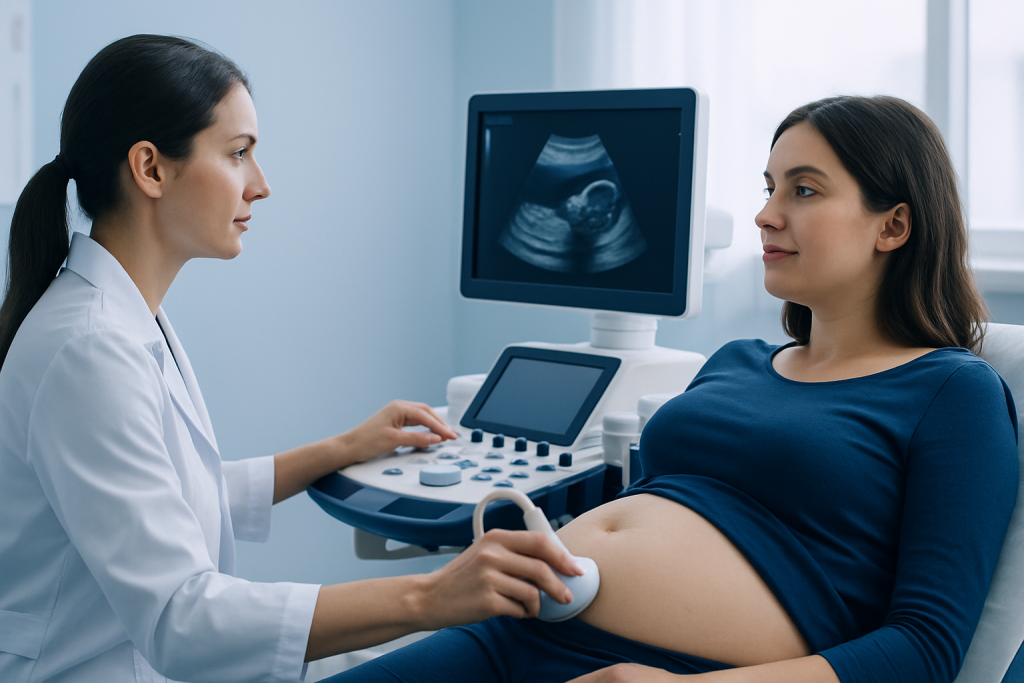
By 26 weeks, the baby is growing quickly and becoming more responsive to the outside world. Movements may feel stronger or more patterned, and some parents notice kicks, rolls, or stretches at predictable times of day. Hearing and sensory development continue to mature, and the lungs, brain, and nervous system are still developing.
In the pregnant body, the uterus is expanding upward and outward, which can affect breathing, posture, digestion, and sleep. It is common for the abdomen to feel heavier, the lower back to work harder, and the bladder to feel under more pressure as the baby grows.
Many people also begin to think more actively about birth planning, leave from work, travel, childcare, and where they want to receive prenatal and delivery care. For Myomectomy Recovery for International Patients: The Usual Travel Timeline" class="ahp-ilk">international patients, this is often the point when they start comparing options for follow-up visits, language support, and hospital-based maternity services.
Common symptoms at 26 weeks pregnant

Symptoms at 26 weeks can be mild, noticeable, or fluctuating from day to day. Some people feel energetic enough to stay active, while others begin to feel more limited by fatigue, pelvic pressure, or trouble sleeping. Both experiences can be normal.
Typical changes around this stage may include:
- Back, hip, or pelvic discomfort
- Heartburn, bloating, or constipation
- Shortness of breath with exertion
- Swelling in the feet or hands
- Leg cramps or restless legs
- Braxton Hicks contractions, which are irregular practice contractions
- More frequent urination
- Sleep disruption or vivid dreams
Some symptoms are common but still worth mentioning at a prenatal visit if they are intense, persistent, or unusual for the individual. A clinician can help sort out whether they reflect expected pregnancy changes or something that needs closer monitoring.
Common causes and risk factors for discomfort or complications
Most 26-week pregnancy symptoms are caused by normal physical changes: hormonal shifts, a larger uterus, changing posture, and increased blood volume. These changes can affect the digestive system, circulation, ligaments, and sleep patterns, which is why even routine activities may start to feel different.
Certain factors can make symptoms more noticeable or increase the chance of complications later in pregnancy. These may include a history of high blood pressure, diabetes, preterm birth, multiple pregnancy, placenta-related issues, anemia, or a chronic medical condition that needs monitoring during pregnancy.
It is also important to consider lifestyle and practical factors. Long work hours, limited rest, poor hydration, not eating regularly, or difficulty accessing prenatal care can make common discomforts harder to manage. When someone is traveling for care or receiving follow-up in another country, continuity of records and clear communication with the care team become especially valuable.
How doctors check pregnancy at 26 weeks
Routine prenatal care at 26 weeks usually focuses on maternal health, fetal growth, and screening for conditions that can emerge in mid-pregnancy. A visit may include blood pressure measurement, weight review, urine testing, symptom discussion, and checking the baby’s heartbeat or movement pattern.
Depending on what has already been completed and what the clinician recommends, testing may also include laboratory work such as screening for anemia or gestational diabetes, as well as ultrasound assessment if there is a specific reason to look more closely at growth or placenta position. The details vary by country, health history, and the course of the pregnancy.
If the pregnancy is being managed across borders or at a new clinic, it helps to bring prior ultrasound reports, blood test results, medication lists, and a summary of any previous complications. That information allows the care team to compare findings over time instead of starting from scratch.
Treatment options and comfort measures
There is no single treatment for being 26 weeks pregnant, because pregnancy is not an illness. Care at this stage is usually about managing symptoms, monitoring health, and responding promptly if something unexpected appears.
For everyday discomforts, clinicians often suggest practical measures such as gentle movement, changing positions often, staying hydrated, eating small balanced meals, using supportive footwear, and resting on the left side if that feels more comfortable. A pregnancy pillow or extra cushions may help with sleep and back support.
If a symptom points to a medical issue, treatment depends on the diagnosis. For example, anemia may require dietary changes or supplements recommended by a clinician, blood pressure concerns need close monitoring, and preterm labor risk may call for hospital evaluation. Only a qualified doctor can decide which approach is appropriate.
Prevention, self-care, and planning ahead
Pregnancy self-care at 26 weeks is often less about perfection and more about consistency. Regular prenatal appointments, steady hydration, balanced meals, moderate activity if approved by the clinician, and sufficient rest all support a healthier pregnancy experience.
It can also help to prepare for the months ahead. Many families use this time to ask about birth classes, breastfeeding support, hospital packing lists, travel timing, and what signs should prompt a call to the obstetric team. If the pregnancy is international or involves planned travel, it is wise to confirm insurance coverage, emergency contact instructions, and where to seek care after arrival.
Simple preventive habits can make a difference: avoid alcohol and smoking, take only medications approved by the prenatal team, and attend all recommended screenings. If symptoms change suddenly or the baby’s movement pattern feels different, it is better to contact a clinician early rather than wait and wonder.
When to see a doctor
Most pregnancy changes at 26 weeks are expected, but some symptoms should never be ignored. Medical advice is needed promptly for heavy vaginal bleeding, fluid leaking from the vagina, regular painful contractions, severe abdominal pain, fever, persistent vomiting, or a sudden decrease in fetal movement.
It is also important to seek care for warning signs such as severe headache, vision changes, swelling that appears sudden or pronounced, chest pain, trouble breathing, or pain and swelling in one leg. These can signal conditions that require urgent assessment.
For planned evaluations, second opinions, or maternity care while abroad, Acibadem Health Point’s multidisciplinary specialists and JCI-accredited hospitals can help diagnose and treat pregnancy-related concerns for international patients. As always, the right next step is to speak with a qualified obstetrician or maternity care team familiar with the individual pregnancy history.
Frequently asked questions
01How many months pregnant is 26 weeks?
Twenty-six weeks pregnant is usually considered about 6 months pregnant. Pregnancy is tracked in weeks because that is the most precise way to follow growth, but month estimates are commonly used in everyday conversation.
02Is 26 weeks still second trimester?
Yes, 26 weeks is still in the second trimester. The third trimester typically begins around 28 weeks, though exact definitions can vary slightly by source.
03Is it normal to feel the baby move a lot at 26 weeks?
Yes, stronger and more frequent movement is common around this stage. Patterns can vary, but a noticeable change in movement should be discussed with a clinician.
04What symptoms are common at 26 weeks pregnant?
Back pain, heartburn, swelling, sleep trouble, and Braxton Hicks contractions are common. These symptoms are often manageable, but they should be reviewed if they become severe or unusual.
05When should someone call a doctor at 26 weeks?
A doctor should be contacted for bleeding, fluid leakage, painful regular contractions, severe pain, or reduced fetal movement. Signs such as headache with vision changes or sudden swelling also need prompt medical attention.
06Can a person travel at 26 weeks pregnant?
Many people can travel at 26 weeks if the pregnancy is uncomplicated and their clinician agrees. It is important to check airline rules, carry prenatal records, and know where to get care at the destination.
This article is for general information only and is not a substitute for professional medical advice. Please consult a qualified doctor about your individual situation.
Joint and spine care in Turkey — expert assessment & treatment
JCI-accredited · board-certified surgeons · reply within 24h
Add us as a Preferred Source to see more of our trusted health content across Google Search, AI Overviews and Discover.