Can You Go in a Hot Tub When Pregnant?

Key Takeaways
- Hot tubs are generally not recommended in pregnancy because they can cause overheating.
- The highest concern is early pregnancy, when fetal development is most sensitive to heat.
- Warm, not hot, bathing and brief exposure to gentle heat are usually safer choices.
- Dehydration, dizziness, and feeling faint are signs to leave the water immediately.
- Anyone with pregnancy complications should ask a clinician before using hot baths, saunas, or hot tubs.
In most cases, pregnant people are advised to avoid hot tubs because overheating can raise body temperature too quickly, especially in the first trimester. Safer alternatives and simple heat-safety habits can help reduce risk while still allowing relaxation.
Overview
If someone is asking, can you go in a hot tub when pregnant, the safest general answer is usually no, or at least not without a clinician’s guidance. Hot tubs can raise core body temperature quickly, and during pregnancy that kind of overheating is best avoided, particularly in the first trimester.
The concern is not the water itself, but how easily prolonged heat exposure can affect the mother’s circulation and comfort, and potentially the baby’s development. Most obstetric and maternal-health guidance recommends choosing cooler bathing options instead, especially if the water feels strongly hot, the steam is heavy, or the person starts to feel flushed or lightheaded.
For many pregnant people, the question comes up during travel, vacations, hotel stays, or spa visits. It is helpful to think in practical terms: if the setting is warm enough that a non-pregnant adult would need to limit time in it, it is probably not a good idea during pregnancy unless a doctor has said otherwise.
Why Heat Matters in Pregnancy
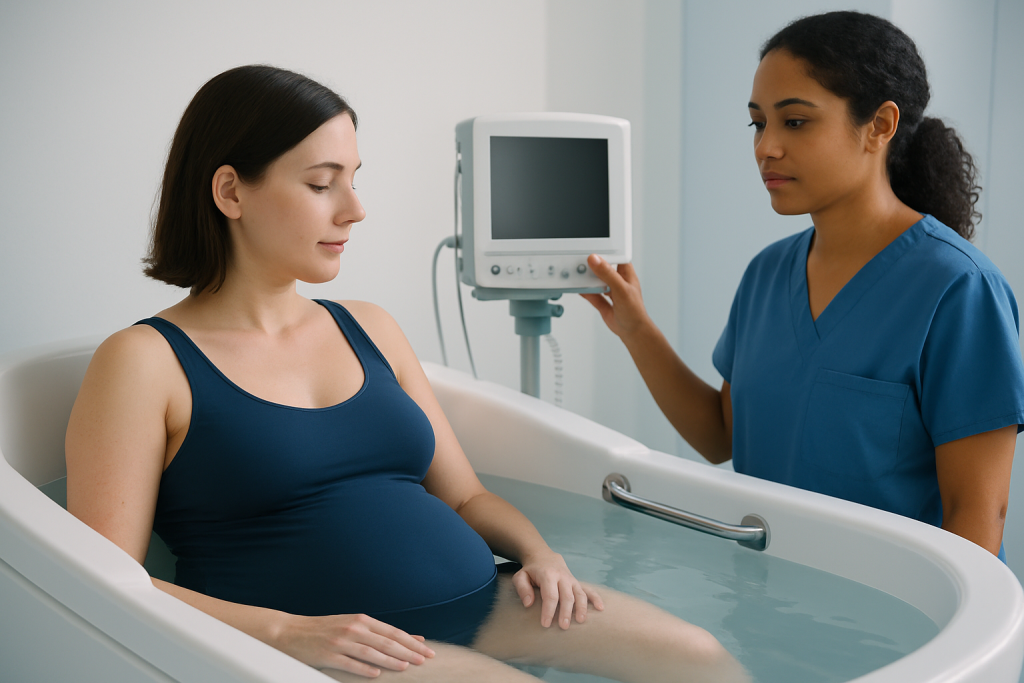
Pregnancy changes how the body handles heat. Blood volume rises, the heart works harder, and circulation shifts to support the uterus and placenta. Because of that, a pregnant person may become overheated faster than expected, especially in a hot tub where water temperature is much higher than body temperature.
When the body temperature rises too much, blood vessels widen and blood pressure can drop. That may lead to dizziness, weakness, nausea, or fainting. In the earliest weeks of pregnancy, sustained overheating is a concern because organ development is happening rapidly and is more sensitive to environmental stress.
This is why clinicians often advise avoiding not only hot tubs, but also very hot baths, steam rooms, and prolonged sauna use. The goal is not to create fear around ordinary warmth; it is to prevent an avoidable rise in core temperature.
Symptoms That Heat Exposure May Be Too Much

A pregnancy-friendly approach to heat should always prioritize how the person feels. If a bath or spa setting starts to feel uncomfortably hot, that is a cue to stop and cool down. The body often gives warning signs before overheating becomes a bigger problem.
- Flushing or unusually red skin
- Dizziness or feeling faint
- Rapid heartbeat
- Nausea
- Headache
- Excessive sweating, or suddenly not sweating at all
- Weakness, confusion, or trouble standing safely
If these symptoms appear, the person should leave the hot tub immediately, sit or lie down in a cooler area, sip water if awake and able, and seek medical advice if symptoms do not quickly improve. Fainting, ongoing confusion, or palpitations deserve prompt medical attention.
Causes & Risk Factors
The main cause of concern is simple: a hot tub combines high water temperature with full-body immersion, which makes it easier for heat to enter the body and harder for it to escape. Unlike a warm shower, the skin stays surrounded by hot water, so temperature can climb more quickly.
Some pregnancy-related factors can make overheating more likely. These include dehydration, vomiting, poor appetite, anemia, fever from an illness, and spending time in a hot climate. People carrying multiples or those with certain medical conditions may also need to be more cautious, since pregnancy can already place extra demands on the cardiovascular system.
Travel can add another layer. Long flights, unfamiliar climates, and disrupted routines may leave a pregnant person tired or dehydrated before they even step into a spa or hotel hot tub. That is why a decision that feels harmless at home can become riskier on the road.
Diagnosis: How Clinicians Assess the Risk
There is no special test for “hot tub exposure,” but a clinician can assess whether the situation is likely to have caused harm based on timing, symptoms, and pregnancy stage. In many cases, the focus is on reassurance, observation, and practical advice rather than urgent intervention.
If a pregnant person has had significant overheating, a doctor may ask about the duration of exposure, the water temperature if known, whether symptoms occurred, and how the pregnancy is progressing. They may also review any other risks such as bleeding, cramping, reduced fetal movement later in pregnancy, or dehydration.
When there are concerning symptoms after heat exposure, evaluation can include checking vital signs and, depending on gestational age and symptoms, fetal assessment. For Myomectomy Recovery for International Patients: The Usual Travel Timeline" class="ahp-ilk">international patients, it can help to keep pregnancy records, ultrasound reports, and any medication list accessible when seeking care away from home.
Treatment Options
Most situations involving brief, mild hot tub exposure do not require treatment beyond rest and hydration. If the person feels overheated, moving to a cool environment, drinking fluids, and sitting quietly is usually the first step.
If symptoms are stronger or more persistent, a clinician may recommend assessment to rule out dehydration, low blood pressure, or another pregnancy issue. Treatment depends on what is found and may involve oral fluids, observation, or additional monitoring if there are contractions, bleeding, or signs of distress.
It is important not to self-treat with ice-cold immersion or other extreme cooling methods. Gentle cooling is safer. Anyone who has fainted, feels short of breath, has chest pain, or experiences abdominal pain or vaginal bleeding should seek urgent medical care.
Prevention & Self-care
For most pregnant people, prevention is the easiest and safest strategy. Choosing a lukewarm bath, limiting time in warm water, and avoiding settings that feel intensely hot can reduce risk without giving up relaxation.
- Choose warm, not hot, baths or showers.
- Stay well hydrated before and after bathing.
- Avoid hot tubs, steam rooms, and saunas unless a clinician approves.
- Never stay in water that makes the skin feel hot, flushed, or itchy.
- Get up slowly to avoid dizziness.
- Rest in a cool place if the weather is warm or humid.
During travel, pregnant people may want to plan for safer ways to unwind, such as a cool pool, a foot soak in comfortably warm water, a guided breathing session, or a prenatal massage only if their obstetric clinician says it is appropriate. If care is being arranged internationally, it can be helpful to ask in advance whether the destination clinic has obstetric support and how emergency care is handled.
When to See a Doctor
Pregnant people should contact a doctor if they have any symptoms after hot tub use, especially fainting, persistent dizziness, contractions, vaginal bleeding, severe headache, or reduced fetal movement later in pregnancy. It is also wise to seek advice if there was prolonged exposure, very hot water, or concern about dehydration.
Anyone with a high-risk pregnancy, a history of miscarriage or preterm labor, placenta problems, multiple pregnancy, or a medical condition that affects circulation should ask for individualized guidance before using any form of heat therapy. A clinician can explain what is reasonable for that person’s stage of pregnancy and health profile.
When pregnancy care is being coordinated across borders, a multidisciplinary team can help interpret records and plan follow-up safely. Acıbadem Health Point’s multidisciplinary specialists and JCI-accredited hospitals can diagnose and treat pregnancy-related concerns for international patients, with care tailored to the individual situation.
Practical Alternatives to a Hot Tub
Many people are looking for the feeling of relaxation, not the hot tub itself. Fortunately, there are safer ways to get the same sense of comfort during pregnancy without the risk of overheating.
A warm bath that never becomes uncomfortably hot is often a better option than a hot tub. Sitting in a cooler room afterward, drinking water, and keeping the soak brief can make it more comfortable. Some people prefer a warm compress on the shoulders or lower back, which can ease tension without raising body temperature much.
Gentle stretching, prenatal yoga, a short walk in cooler weather, or simply elevating the feet can also provide relief. The best choice depends on the pregnancy stage, symptoms, and the person’s overall health, so asking a clinician for individualized advice is always appropriate.
Frequently asked questions
01Can you go in a hot tub when pregnant if it is only for a few minutes?
Short exposure is still not ideal because hot tubs can raise body temperature quickly. Pregnancy guidance generally recommends avoiding them, especially in the first trimester. If there is any uncertainty, a clinician should be asked before use.
02Is a warm bath safer than a hot tub during pregnancy?
Usually, yes. A warm bath that stays comfortably warm rather than hot is generally less likely to cause overheating than a hot tub. The water should never make the person feel flushed, dizzy, or short of breath.
03Why is the first trimester considered the most sensitive time?
The first trimester is when major organs and structures are developing. Because of that, prolonged overheating is treated more cautiously during early pregnancy. This is one reason many clinicians advise avoiding hot tubs throughout pregnancy.
04What if someone used a hot tub before knowing they were pregnant?
Many people have that experience, and it does not automatically mean there is a problem. The best step is to mention it to an obstetric clinician, especially if there was dizziness, fainting, or prolonged exposure. They can advise whether any follow-up is needed.
05Are saunas and steam rooms the same issue?
They can raise body temperature too, so they are usually approached with the same caution as hot tubs. The exact advice depends on the pregnancy and the person’s medical history. A doctor can give safer, individualized guidance.
06What should a pregnant person do if they feel dizzy in a hot tub?
They should get out of the water right away, sit or lie down somewhere cool, and drink fluids if they are able. If symptoms do not improve quickly, or if there is fainting, chest pain, contractions, or bleeding, medical care should be sought promptly.
This article is for general information only and is not a substitute for professional medical advice. Please consult a qualified doctor about your individual situation.
Persistent digestive symptoms? Get evaluated in Turkey
JCI-accredited · board-certified surgeons · reply within 24h
Add us as a Preferred Source to see more of our trusted health content across Google Search, AI Overviews and Discover.