5 Weeks Pregnant Symptoms: Signs, Causes and When to See a Doctor

Key Takeaways
- 5 weeks pregnant symptoms often include a missed period, tender breasts, nausea, fatigue, and light cramping.
- Symptoms can be mild, strong, or barely noticeable, and all of these patterns can be normal early on.
- A home pregnancy test may already be positive, but a clinician can confirm pregnancy and estimate timing more accurately.
- Severe pain, heavy bleeding, dizziness, or one-sided pelvic pain should be assessed promptly.
- Healthy habits, hydration, rest, and early prenatal care can support both comfort and pregnancy health.
At 5 weeks pregnant, many people begin noticing early signs such as a missed period, breast tenderness, fatigue, nausea, and mild cramping. Symptoms can vary widely, and a pregnancy test plus medical guidance can help confirm what is happening and what to expect next.
Overview
At 5 weeks pregnant, the body is usually in the early phase of adapting to pregnancy hormones. For many people, this is the time when a missed period and a positive home pregnancy test first make the pregnancy real.
The phrase 5 weeks pregnant symptoms covers a wide range of experiences. Some people notice nausea, breast changes, tiredness, or mild pelvic twinges; others feel almost nothing at all. Both patterns can be normal, because early pregnancy does not follow a single script.
From a practical point of view, this stage is less about how dramatic the symptoms feel and more about what they may signal. It is a good time to confirm the pregnancy, review medicines and health conditions with a clinician, and start planning prenatal care.
Symptoms at 5 Weeks Pregnant
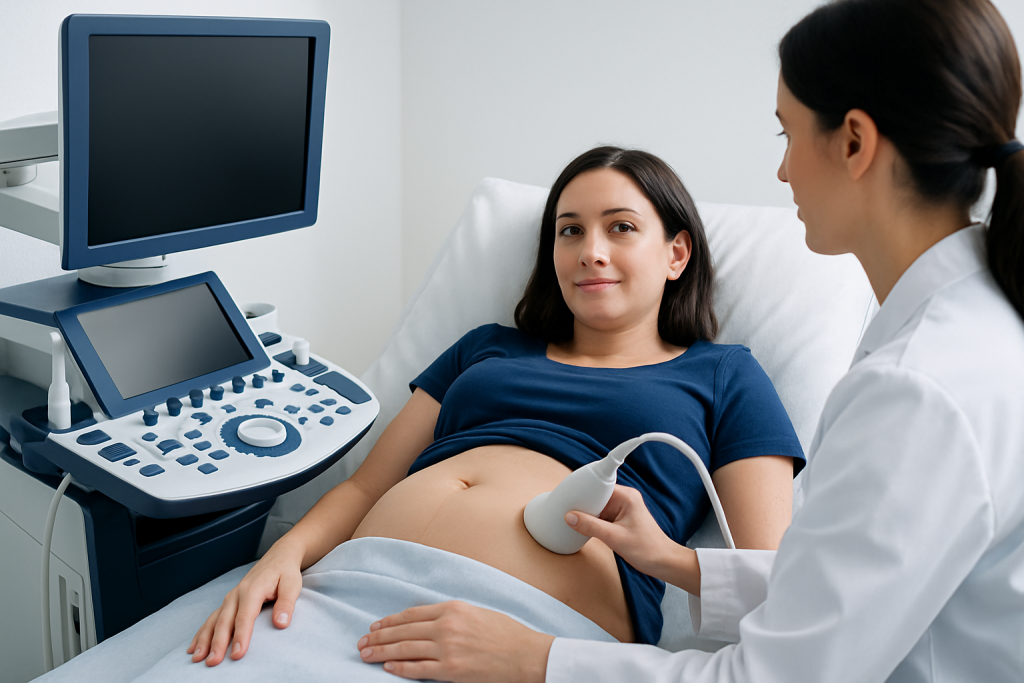
Many early symptoms at 5 weeks are linked to rising levels of hCG, progesterone, and estrogen. These hormones help support the pregnancy, but they can also change digestion, energy levels, body temperature, and breast tissue.
Common symptoms include:
- Missed period: often the first clue, especially in people with regular cycles.
- Breast tenderness or fullness: breasts may feel sore, heavy, or more sensitive.
- Fatigue: tiredness can be noticeable even after a full night’s sleep.
- Nausea or food aversions: some people feel queasy, especially in the morning, while others feel smell sensitivity instead.
- Mild cramping or pelvic pressure: this may happen as the uterus begins to change.
- Bloating and constipation: slower digestion is common in early pregnancy.
- Frequent urination: hormone changes and increased blood flow can make the bladder feel fuller more often.
Some people also notice mood changes, headaches, dizziness, or a heightened sense of smell. Symptoms can come and go during the day, and their intensity does not necessarily predict whether the pregnancy is progressing normally.
Why These Symptoms Happen

Early pregnancy symptoms are largely the result of hormonal shifts after implantation. Once the fertilized egg attaches to the uterine lining, the body begins producing hCG, which helps maintain the pregnancy and is the hormone detected by pregnancy tests.
Progesterone also rises quickly. It helps relax smooth muscle, which can contribute to slower digestion, bloating, and constipation, and it may also add to fatigue. Estrogen supports changes in the uterus and breast tissue, which can make breasts feel tender or fuller.
Mild cramping can occur because the uterus is beginning to stretch and the pelvic area is adjusting to a new pregnancy environment. These sensations are often brief and light. Still, pain that is strong, persistent, or one-sided is not something to ignore and should be discussed with a doctor.
How a 5-Week Pregnancy Is Confirmed
A home urine pregnancy test is often positive by 5 weeks, especially if it is taken after a missed period. For the most reliable result, the test is usually done with first-morning urine and according to the package instructions.
In a clinic, pregnancy may be confirmed with a urine or blood test. A blood test can detect smaller amounts of hCG and may be useful when timing is uncertain, when symptoms are unusual, or when a doctor wants to follow the hormone level over time.
An ultrasound is sometimes used later in the first trimester to confirm the pregnancy location and estimate gestational age more precisely. At 5 weeks, an ultrasound may be too early to show every expected detail, so the timing of imaging depends on the individual situation and the clinician’s judgment.
Causes and Risk Factors
There is no single cause of early pregnancy symptoms; they are a normal response to early gestation. However, how strongly someone feels them can vary based on body chemistry, stress level, sleep, hydration, and whether nausea or fatigue is already part of their usual health pattern.
Certain factors may make early symptoms feel more noticeable. These can include carrying more than one pregnancy in the past, being very sensitive to hormonal changes, or having experienced nausea in a previous pregnancy. People with thyroid disease, anemia, diabetes, or gastrointestinal conditions may also find that early pregnancy symptoms overlap with other health concerns.
It is also important to remember that some symptoms may resemble those of premenstrual syndrome. Because of that overlap, a missed period plus a pregnancy test is often more informative than symptoms alone.
Treatment Options
There is no treatment needed for normal early pregnancy itself, but there are ways to reduce discomfort and support health during this stage. The goal is usually symptom relief, nutrition, and early prenatal planning rather than aggressive intervention.
For nausea, some people do better with small, frequent meals, bland snacks, ginger, or avoiding strong odors. For fatigue, rest and a realistic schedule can help, especially if work or travel is demanding. Drinking fluids regularly and choosing fiber-rich foods may ease constipation and bloating.
A clinician may also review current medications and supplements. Some over-the-counter products are not ideal in pregnancy, so it is wise to check before taking anything new. If vomiting becomes frequent, or if a person cannot keep fluids down, a doctor may recommend pregnancy-safe treatment options after an evaluation.
Prevention and Self-care
Not every symptom can be prevented, but a few habits can make the first weeks of pregnancy easier to manage. Gentle routines often matter more than strict rules at this stage, especially if energy is low or nausea is already present.
- Eat small, balanced meals and do not let the stomach stay empty for long periods.
- Drink water regularly, especially if nausea or vomiting is present.
- Rest when possible and avoid overcommitting during particularly tiring days.
- Start a prenatal vitamin if a doctor recommends it, especially one containing folic acid.
- Limit alcohol and avoid smoking or recreational drugs.
- Use caution with heat exposure, strenuous exercise, and unverified supplements.
For Myomectomy Recovery for International Patients: The Usual Travel Timeline" class="ahp-ilk">international patients planning care away from home, it helps to gather records, note the first day of the last menstrual period, and keep a list of current medicines and allergies. That information makes the first consultation more efficient and helps the clinician tailor advice to the person’s situation.
When to See a Doctor
It is sensible to arrange medical care soon after a positive pregnancy test, even if symptoms are mild. Early prenatal guidance can help confirm timing, discuss vitamins and medication safety, and review any medical conditions that may need attention during pregnancy.
Prompt medical review is especially important if there is heavy bleeding, severe abdominal or pelvic pain, shoulder pain, fainting, fever, persistent vomiting, or pain on one side of the pelvis. These signs deserve attention because they may indicate a pregnancy complication or another urgent health issue.
Even when nothing seems wrong, a doctor should be contacted if symptoms feel unusually intense, if there is uncertainty about how far along the pregnancy may be, or if there is a history of ectopic pregnancy, miscarriage, or fertility treatment. Acibadem Health Point’s multidisciplinary specialists and JCI-accredited hospitals can diagnose and treat this condition for international patients, while coordinating care across specialties when needed.
Frequently asked questions
01Are 5 weeks pregnant symptoms always obvious?
No. Some people notice several early signs, while others feel almost nothing at all. A mild or symptom-free early pregnancy can still be completely normal.
02Can a home pregnancy test be positive at 5 weeks?
Yes, many home tests are positive by then because hCG levels are usually high enough to detect. Testing after a missed period tends to give the most reliable result.
03Is cramping normal at 5 weeks pregnant?
Mild cramping can be normal in early pregnancy as the uterus begins to change. However, strong, persistent, or one-sided pain should be discussed with a doctor promptly.
04Why do I feel so tired at 5 weeks pregnant?
Early pregnancy hormones, especially progesterone, can cause marked fatigue. Nausea, stress, poor sleep, and low fluid intake can make the tiredness feel even stronger.
05What should be avoided at 5 weeks pregnant?
Alcohol, smoking, recreational drugs, and any medication or supplement not cleared by a clinician should be avoided. It is also wise to be cautious with hot tubs, saunas, and very intense exertion until a doctor advises otherwise.
06Should symptoms disappear and reappear in early pregnancy?
Yes, early pregnancy symptoms often fluctuate from day to day or even hour to hour. Changes in symptom intensity do not automatically mean something is wrong, but sudden concerning symptoms should still be checked.
This article is for general information only and is not a substitute for professional medical advice. Please consult a qualified doctor about your individual situation.
Persistent digestive symptoms? Get evaluated in Turkey
JCI-accredited · board-certified surgeons · reply within 24h
Add us as a Preferred Source to see more of our trusted health content across Google Search, AI Overviews and Discover.