Braxton Hicks Contractions: What to Expect

Key Takeaways
- Braxton Hicks contractions are typically irregular, brief, and less intense than true labor contractions.
- They may become more noticeable with dehydration, activity, a full bladder, or after physical strain.
- Rest, hydration, and changing position often help ease the discomfort.
- Regular, increasingly painful contractions, fluid leakage, bleeding, or reduced fetal movement deserve prompt medical advice.
- Women traveling for prenatal care should know where to seek urgent obstetric assessment before symptoms begin.
Braxton Hicks contractions are irregular uterine tightenings that can happen during pregnancy and are often called “practice contractions.” They are usually harmless, but knowing how they feel and when they differ from labor can help pregnant people respond with confidence.
Overview
Braxton Hicks contractions are intermittent tightenings of the uterus that can appear during pregnancy, especially in the second and third trimesters. Many pregnant people notice them as the belly becoming firm for a short time and then relaxing again. They are often described as “practice contractions,” because they do not usually signal the start of labor.
These contractions can be unsettling the first time they happen, particularly for someone away from home, on a work trip, or planning a journey for maternity care. The good news is that Braxton Hicks contractions are a common part of pregnancy for many people and are often managed with simple comfort measures. The main task is learning their pattern so they can be distinguished from the steady, progressive contractions of labor.
They do not mean something is wrong in most cases. Instead, they reflect the uterus becoming active and responsive as pregnancy advances. Still, any new or worrying symptom in pregnancy deserves attention, especially if the person is unsure whether the contractions are harmless or a sign of preterm labor.
Symptoms
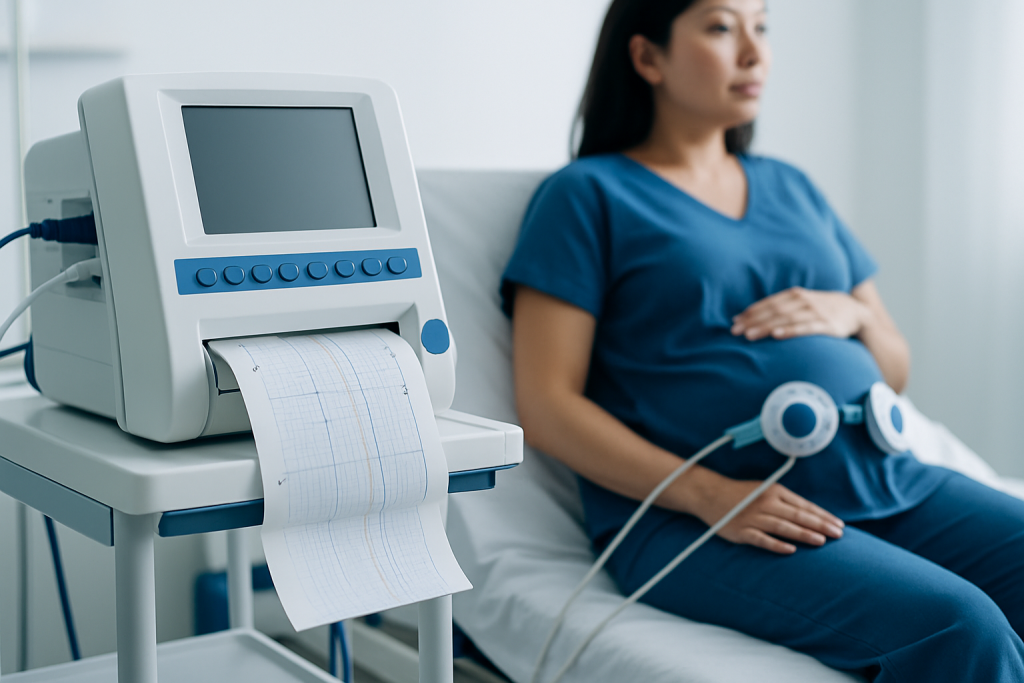
Braxton Hicks contractions are usually felt as a tightening or hardening of the abdomen. They tend to come and go without a regular rhythm and often do not become stronger over time. Some people notice mild discomfort, while others barely feel them at all.
Common features include:
- Irregular timing rather than a predictable pattern
- Short duration, often easing quickly
- Discomfort that usually stays mild
- Improvement with rest, hydration, or changing position
- Feeling of a tight belly that then softens
Unlike labor contractions, Braxton Hicks contractions usually do not steadily increase in frequency, intensity, or closeness together. They may be more noticeable after a busy day, after exercise, or when the bladder is full. For some pregnant people, they appear briefly and then stop for hours or days.
Causes & Risk Factors

There is no single cause for Braxton Hicks contractions, and they are not considered a disease. They are thought to be part of the uterus’s natural preparation for birth, with the muscle becoming more active as pregnancy progresses. The contractions may be triggered or felt more clearly when the uterus is irritated or the body is under extra strain.
Factors that can make them more likely or more noticeable include dehydration, physical activity, a full bladder, sexual activity, or being on one’s feet for a long time. Stress and fatigue may also make a person more aware of them. In some cases, the uterus simply becomes more sensitive as pregnancy advances, so the contractions are noticed without a clear trigger.
It can be useful for people receiving prenatal care from another country or while traveling to keep track of what was happening before the contractions began. A simple note about activity, fluid intake, and whether the pattern changed can help a clinician judge whether the symptoms fit Braxton Hicks contractions or need further evaluation.
Diagnosis
Braxton Hicks contractions are usually identified through a careful history and observation of the pattern rather than by one specific test. A clinician will ask how often the tightenings occur, how long they last, whether they are painful, and whether they become more regular over time. The answer often reveals whether the pattern resembles false labor or true labor.
If there is uncertainty, especially earlier in pregnancy, the clinician may examine the abdomen and check the cervix. In true labor, contractions are generally accompanied by cervical change. If needed, fetal monitoring or ultrasound may be used to assess the baby’s wellbeing and the pregnancy itself.
For international patients, telehealth check-ins, phone triage, or an urgent maternity assessment can be helpful when symptoms start in a hotel, airport, or unfamiliar city. Because pregnancy symptoms can overlap, it is better to ask for guidance than to assume the contractions are harmless.
Treatment Options
Braxton Hicks contractions usually do not require medical treatment. The main goal is comfort and reassurance. Once labor and other causes have been ruled out, many people find the contractions settle with a slower pace and basic self-care.
Helpful measures may include:
- Drinking water or another approved fluid
- Emptying the bladder
- Resting on the left side or in another comfortable position
- Reducing strenuous activity for a while
- Taking a warm shower if approved by the prenatal care team
If the contractions are being caused by dehydration, overexertion, or stress, addressing those factors often makes a clear difference. A clinician may advise more individualized steps if there are pregnancy-related complications, a history of preterm labor, or other concerns. Medications are not usually needed for Braxton Hicks contractions themselves.
Prevention & Self-care
Not every episode can be prevented, but some habits may reduce how often Braxton Hicks contractions are noticed. Regular hydration is one of the simplest steps, especially during warm weather, travel, or days with more walking than usual. Taking breaks instead of pushing through fatigue may also help.
Pregnant people often benefit from learning their personal pattern. If a contraction begins, it can help to pause, drink a glass of water, rest, and note whether the uterus relaxes. A change from a busy upright day to a quieter seated or lying position can be very informative because Braxton Hicks contractions often calm down when the body settles.
It is also sensible to plan ahead when away from home. Keeping prenatal records accessible, knowing the nearest maternity unit, and arranging reliable transport can make a stressful moment easier to manage. For those traveling for specialist care, this preparation can be part of a safe and smoother recovery plan.
When to See a Doctor
Medical advice is important if contractions become regular, more frequent, or more painful, because these may be signs of labor rather than Braxton Hicks contractions. A pregnant person should also seek care if contractions do not ease with rest and hydration, or if they occur before the pregnancy is near term. When in doubt, a clinician can help distinguish normal practice contractions from something that needs closer attention.
Prompt assessment is especially important if there is vaginal bleeding, fluid leaking from the vagina, reduced fetal movement, fever, severe abdominal pain, or a feeling that something is not right. These symptoms do not automatically mean a serious problem, but they should be checked without delay. The same is true for anyone with a prior preterm birth, a multiple pregnancy, or other pregnancy complications.
For international patients, it is wise to know where urgent obstetric care is available before symptoms start. Acibadem Health Point’s multidisciplinary specialists and JCI-accredited hospitals diagnose and treat pregnancy-related concerns for international patients, helping them access care in a coordinated and reassuring way.
Frequently asked questions
01What do Braxton Hicks contractions feel like?
They usually feel like a brief tightening or hardening of the belly. Some people notice mild discomfort, while others feel little more than a firm uterus that relaxes again.
02How are Braxton Hicks contractions different from labor?
Braxton Hicks contractions are usually irregular and do not steadily get stronger or closer together. Labor contractions tend to become more regular, more painful, and more frequent, and they are often accompanied by cervical change.
03Can walking make Braxton Hicks contractions happen?
Physical activity can make them more noticeable for some pregnant people. If they appear after walking or standing for a long time, rest and hydration often help them settle.
04Do Braxton Hicks contractions hurt the baby?
No, they are usually a normal part of pregnancy and do not harm the baby. If there is reduced fetal movement or another worrying symptom, medical advice should be sought promptly.
05Should someone go to the hospital for Braxton Hicks contractions?
Not usually, unless the pattern is regular, painful, or accompanied by bleeding, fluid leakage, or reduced fetal movement. If it is hard to tell whether the contractions are labor, it is safest to contact a maternity clinician for guidance.
06Can Braxton Hicks contractions happen in early pregnancy?
They are more commonly noticed later in pregnancy, but some people feel occasional tightenings earlier. Any contraction-like pain early in pregnancy that is persistent, severe, or accompanied by bleeding should be assessed by a doctor.
This article is for general information only and is not a substitute for professional medical advice. Please consult a qualified doctor about your individual situation.
Explore treatments in Turkey — costs, top hospitals & a free quote
JCI-accredited · board-certified surgeons · reply within 24h
Add us as a Preferred Source to see more of our trusted health content across Google Search, AI Overviews and Discover.