Hooded Eyelids: Causes, Concerns, and Treatment Options
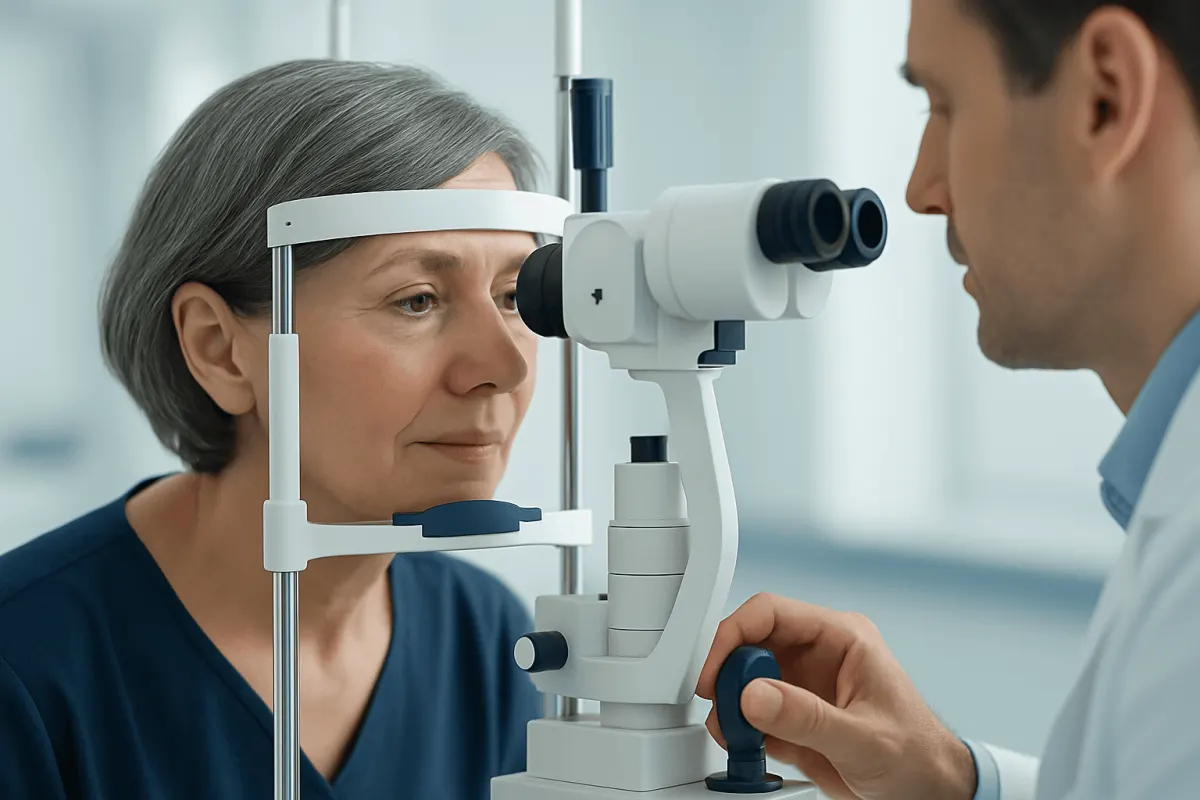
Hooded eyelids occur when skin from the brow area folds over the upper eyelid crease. They are often a normal inherited feature, but may become more noticeable with age and can sometimes affect the upper field of vision; upper eyelid surgery may be considered when appropriate.
Hooded Eyelids: What They Are
Hooded eyelids describe an upper eyelid appearance in which skin from the area above the eye folds down over the natural eyelid crease. This can make the movable part of the upper lid less visible. For many people, hooded eyelids are simply a normal facial characteristic and do not require treatment.
The appearance may be present from childhood because of inherited facial anatomy. It can also become more noticeable over time as the upper eyelid skin loses elasticity, the tissues around the eye change, or the eyebrow gradually sits lower. A hooded eyelid is not the same as a drooping eyelid, although both can occur together.
When excess upper-lid skin is substantial, it may create a feeling of heaviness, make applying eye makeup more difficult, or limit the upper or side portions of the visual field. In these situations, a clinical assessment can clarify whether the concern is cosmetic, functional, or both.
Why Hooded Eyelids Develop
Several structures contribute to the contour of the upper eye area: the eyelid skin, underlying fat, eyelid muscles, connective tissues, brow position, and the shape of the eye socket. Hooding can result from one or more of these factors. The most suitable approach depends on identifying the main contributor rather than assuming that all upper-eyelid fullness has the same cause.
Common contributors include natural genetics, aging-related skin laxity, changes in the volume and position of orbital fat, and descent of the brow. Sun exposure and smoking can accelerate skin aging, while repeated rubbing of the eyes may irritate delicate eyelid skin. These factors may influence appearance but do not necessarily mean a medical problem is present.
True eyelid ptosis is different: it occurs when the lid margin itself sits lower than usual and may cover part of the pupil. Brow ptosis refers to a lowered eyebrow that pushes skin toward the eyelid. Both may resemble hooded eyelids and may require a different treatment plan. Related concerns should be assessed individually, including ptosis.
Assessment Before Considering a Procedure
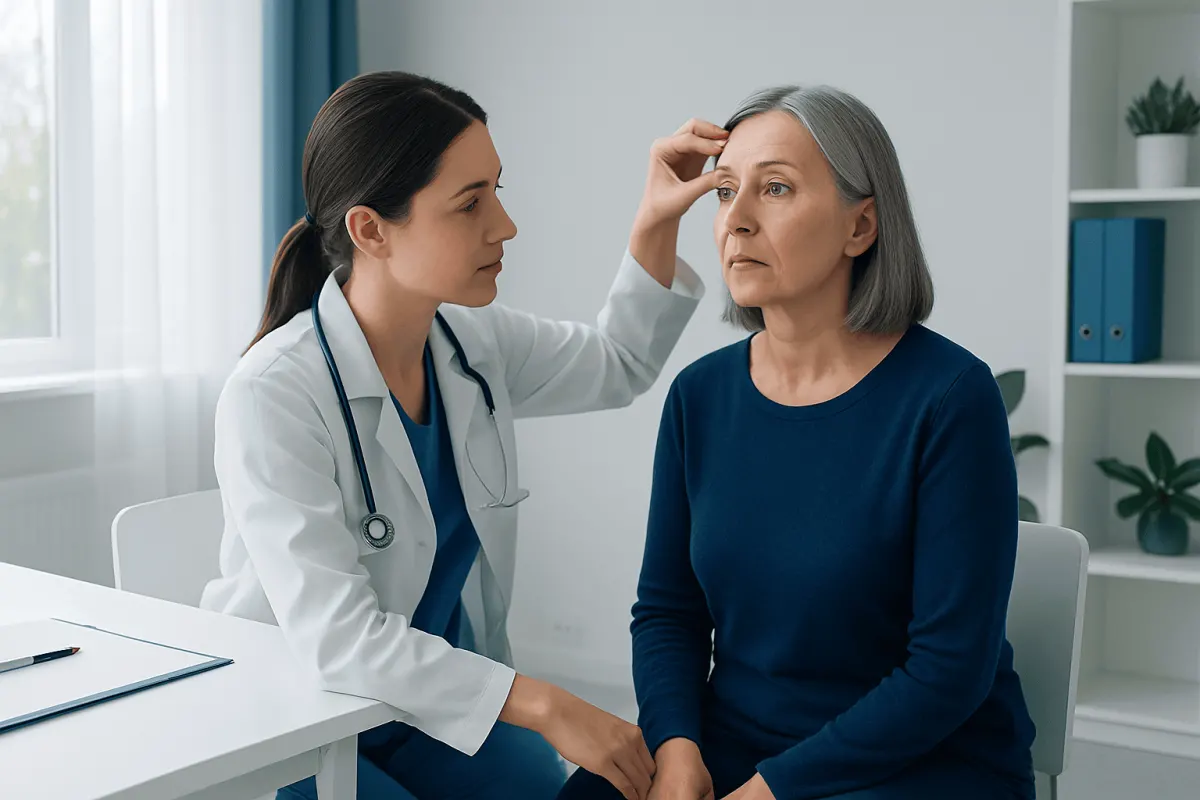
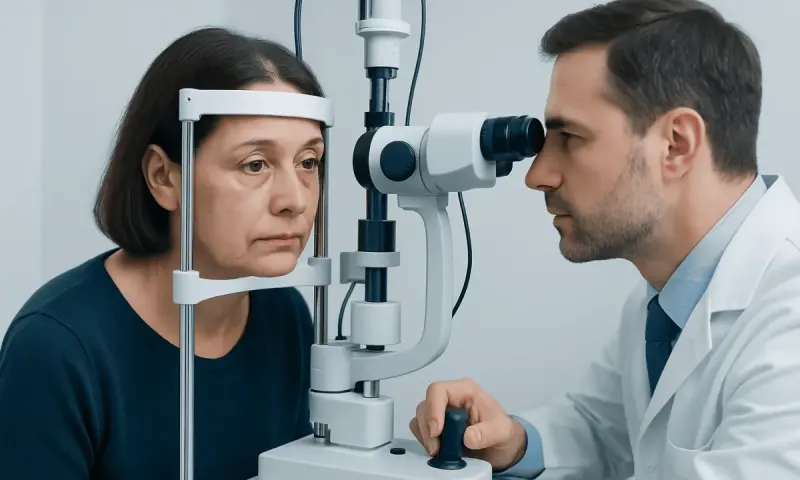
An evaluation generally begins with a discussion of symptoms, health history, prior eye or facial surgery, medications, allergies, dry-eye symptoms, and expectations. The clinician examines the eyes, eyelid skin, lid position, brow position, and the symmetry of the face. Photographs and standardized measurements may be used for surgical planning.
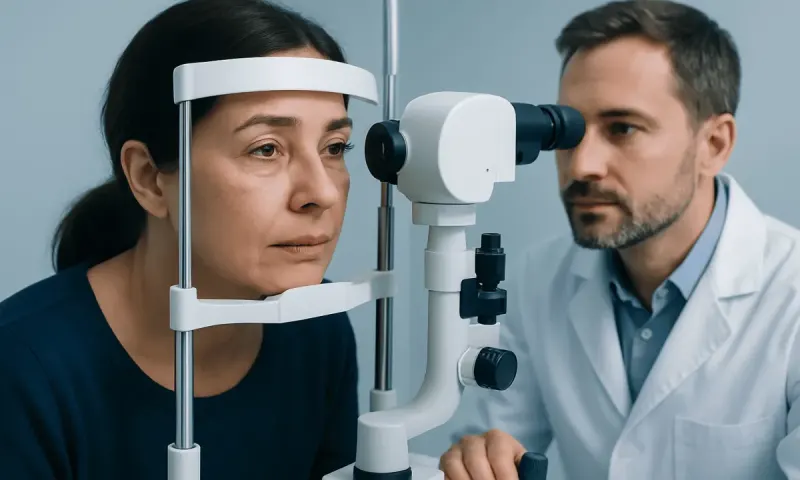
If a person reports visual obstruction, formal visual-field testing may be recommended. This test maps peripheral vision and can help show whether overhanging skin or a drooping lid affects daily visual function. The doctor may also assess tear production and eyelid closure, because pre-existing dry eye can influence the safety and recovery plan.
Assessment is particularly important when the change is new, one-sided, rapidly progressive, or associated with double vision, pain, weakness, or pupil changes. These signs are not typical of ordinary age-related hooding and require timely medical evaluation.
- Whether the concern is primarily appearance, vision, comfort, or a combination
- Whether excess skin, brow descent, ptosis, or fat prominence is the main cause
- Eye surface health, including dryness and ability to close the eyes fully
- Medical conditions and medicines that may affect bleeding, anesthesia, or healing
Upper Eyelid Surgery for Hooded Eyelids
Upper blepharoplasty is the procedure most often used to address excess upper-eyelid skin. It involves a carefully positioned incision in the natural eyelid crease, allowing the surgeon to remove or reposition a conservative amount of skin. Depending on the individual anatomy, a small amount of muscle or protruding fat may also be adjusted.
The procedure is commonly performed as an outpatient treatment using local anesthesia with sedation or, in selected cases, general anesthesia. The approach is individualized. Removing too much skin can make eye closure difficult, so surgeons plan conservatively and consider the eye surface, brow position, and natural facial proportions.
If brow descent is contributing substantially to the hooded appearance, an upper eyelid procedure alone may not provide the intended result. In some cases, a brow-lifting procedure or ptosis repair is discussed instead of, or alongside, blepharoplasty. Patients can learn more about blepharoplasty as part of a personalized consultation.
Non-surgical treatments may offer limited improvement for selected people, particularly when the concern is mild. These may include skincare measures or energy-based procedures, but they cannot reproduce the tissue removal or repositioning achieved through surgery. A clinician can explain which options are realistic for a person’s anatomy and goals.
Recovery After Upper Eyelid Surgery
After upper eyelid surgery, swelling, bruising, tightness, mild discomfort, and temporary numbness around the incision are common. Vision can be briefly blurry from lubricating ointment, watering eyes, or swelling. Most people are able to return home the same day with written aftercare instructions and a plan for follow-up.
Cool compresses, resting with the head elevated, and avoiding strenuous activity during the early recovery period can help limit swelling. The surgical team may recommend eye drops or ointment to protect the eye surface. Incisions should be kept clean as instructed, and patients should avoid rubbing the eyes, using eye makeup too early, or wearing contact lenses until they have been cleared to do so.
Bruising and the more obvious swelling generally improve over the first one to two weeks, though subtle swelling and incision redness can take longer to settle. Stitches, when used, are often removed at an early follow-up visit. Return to work and usual social activities varies according to comfort, healing, and the nature of the person’s work.
People should follow their surgeon’s specific advice about medicines, exercise, driving, sun exposure, and smoking. Smoking and nicotine products can impair healing and should be stopped in accordance with medical guidance before and after surgery.
Expected Results and Possible Risks
The goal of treatment is a more open upper-eye area while preserving natural eyelid function and an appearance that fits the person’s facial features. When excess skin was blocking the upper visual field, surgery may also improve peripheral vision. Final results develop gradually as residual swelling resolves and scars mature.
Results from upper blepharoplasty are generally long-lasting, but the face continues to age. Later changes in skin elasticity, brow position, or eyelid tissue can affect the appearance over time. A careful preoperative discussion helps establish realistic expectations, including the possibility that complete left-to-right symmetry is not achievable because natural facial asymmetry is common.
All surgery carries risks. Possible complications include bleeding, infection, noticeable scarring, uneven contours, prolonged swelling, dry or irritated eyes, temporary difficulty closing the eyes, or the need for revision surgery. Rare but serious complications involving vision require urgent assessment. Choosing a properly qualified surgeon and attending follow-up visits support safer care.
Acıbadem Health Point’s multidisciplinary specialists and JCI-accredited hospitals assess and treat eyelid concerns for international patients, with treatment planning based on eye health, facial anatomy, and individual needs.
Self-Care and When to Seek Medical Care
Hooded eyelids that have been stable for years and do not affect vision usually need no medical treatment. Everyday measures such as sun protection, avoiding smoking, managing allergies that cause eye rubbing, and using gentle skin care may support overall skin health. These steps cannot remove excess eyelid skin, but they may help protect the delicate eye area.
A routine appointment with an eye-care professional or qualified facial surgeon is appropriate if eyelid skin feels heavy, interferes with seeing upward, causes irritation, or changes a person’s confidence and they would like to discuss options. An assessment can distinguish hooded skin from a lowered brow or lid ptosis and identify whether an eye examination is needed before any cosmetic procedure.
Prompt medical care is important for sudden eyelid drooping, new unequal pupils, double vision, severe eye pain, facial weakness, severe headache, or a sudden change in vision. These symptoms can have causes unrelated to normal hooding and should not be managed as a cosmetic concern. After eyelid surgery, urgent advice is needed for severe pain, rapidly increasing swelling, heavy bleeding, fever, inability to close the eye, or any decline in vision.
Frequently asked questions
01What is the difference between hooded eyelids and ptosis?
Hooded eyelids usually involve excess skin or a lowered brow folding over the upper eyelid crease. Ptosis means that the edge of the upper eyelid itself sits abnormally low. A clinician can distinguish these conditions during an eye and eyelid examination, and treatment differs depending on the cause.
02Can hooded eyelids affect vision?
Mild hooding often has no effect on sight. When upper eyelid skin is more pronounced, it may reduce the upper or outer peripheral visual field. Formal visual-field testing can help determine whether there is functional visual obstruction.
03Is upper eyelid surgery painful?
During surgery, anesthesia is used so that the procedure should not be painful. Afterwards, people commonly experience tightness, tenderness, swelling, and bruising rather than severe pain. The surgical team provides individualized advice for comfort and aftercare.
04How long does recovery from hooded eyelid surgery take?
The most noticeable bruising and swelling often improve within one to two weeks, although recovery varies. Mild swelling, numbness, and scar maturation can continue for several weeks or longer. The surgeon can advise when it is appropriate to resume exercise, contact lenses, makeup, and other activities.
05Will upper blepharoplasty make the eyes look unnatural?
A well-planned procedure aims to preserve normal eyelid closure and create a result that suits the person’s facial anatomy. The amount of skin removed is carefully limited, especially in people with dry eye, low brows, or previous eyelid surgery. Discussing desired changes and viewing the surgeon’s approach during consultation can help set realistic expectations.
06Are non-surgical treatments effective for hooded eyelids?
Some non-surgical options may provide modest improvement for mild skin laxity or texture concerns. However, they do not remove significant excess skin or correct substantial brow descent or ptosis. A qualified clinician can explain whether non-surgical care is likely to be useful in a particular case.
This article is for general information only and is not a substitute for professional medical advice. Please consult a qualified doctor about your individual situation.
Explore treatments in Turkey — costs, top hospitals & a free quote
JCI-accredited · board-certified surgeons · reply within 24h
Add us as a Preferred Source to see more of our trusted health content across Google Search, AI Overviews and Discover.