Eyebags: Causes and Options for Treatment
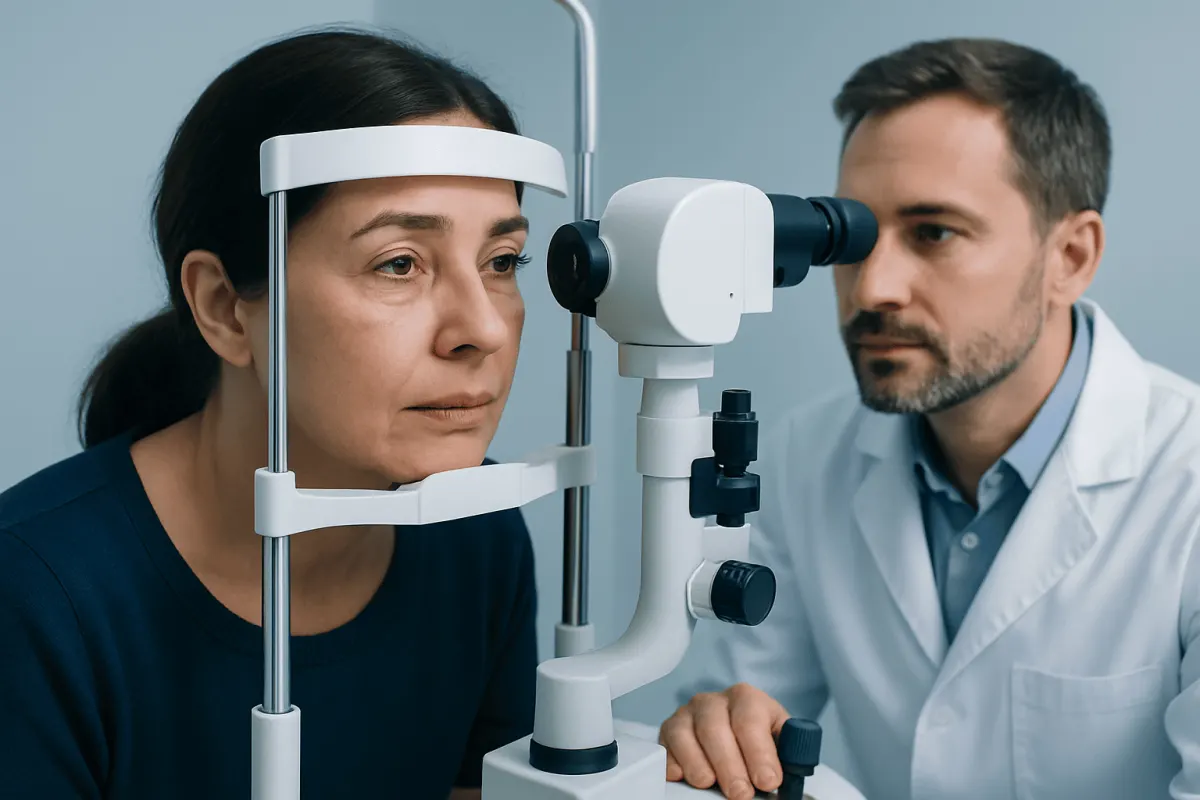
Eyebags are a common concern that may result from normal ageing, fluid retention, allergies, genetics or changes in the skin and tissues beneath the eyes. Treatment ranges from self-care and medical management of contributing conditions to lower eyelid surgery when persistent bags are caused by protruding fat or loose skin.
Eyebags: procedure, recovery and expected results
Eyebags are areas of puffiness, fullness or loose skin beneath the eyes. They may be temporary, such as after poor sleep or allergy symptoms, or more persistent when changes in the lower eyelid tissues occur with age or are inherited. For lasting under-eye bags caused by protruding fat or excess skin, lower eyelid surgery, also called lower blepharoplasty, may be considered after a specialist assessment.
During lower blepharoplasty, a surgeon may remove, reposition or redistribute fat beneath the lower eyelid. If there is significant skin laxity, a small amount of skin may also be removed. Recovery commonly includes temporary swelling, bruising, dryness and a feeling of tightness; many people feel comfortable returning to usual social activities after around one to two weeks, although subtle swelling can continue to settle over several weeks or months.
Results aim to create a smoother transition between the lower eyelid and cheek, rather than to change a person’s identity or remove every fine line. The most appropriate approach depends on the cause of the puffiness, skin quality, eye health, facial anatomy and the person’s expectations.
What causes eyebags?
The lower eyelid contains skin, muscle and small pockets of fat that help protect the eye. With time, the tissues that support these fat pads can weaken. Fat may then become more prominent, while the skin may become thinner or looser. This can create a shadowed, puffy or tired appearance even when a person is well rested.
Eyebags are not always due to ageing. Fluid retention can cause short-term puffiness, particularly on waking. High-salt meals, alcohol, crying, lack of sleep and hormonal changes may contribute. Nasal allergies and eye irritation can also lead to rubbing, inflammation and swelling around the eyes. Some people develop under-eye fullness earlier in life because of their inherited facial structure.
Dark circles and eyebags can occur together but are not the same. Darkening may be related to pigmentation, visible blood vessels, thin skin, shadows from facial contours or conditions such as allergic rhinitis. A clinician can help identify which features are present, because each may require a different approach.
Who may benefit from an eyelid assessment?

An assessment may be useful when under-eye fullness remains despite adequate rest and management of triggers, or when it affects confidence and daily wellbeing. The consultation should consider whether the main concern is fat bulging, loose skin, hollowness beneath the bag, dark circles, eyelid laxity or a combination of these features.
People considering surgery should generally be in good overall health, have stable eye health and have realistic goals. Certain factors may affect planning or recovery, including dry eye symptoms, thyroid eye disease, glaucoma, prior eye or eyelid surgery, bleeding disorders, smoking and medicines or supplements that affect bleeding. These do not automatically exclude treatment, but they should be discussed openly with the surgical team.
A specialist may also recommend an eye examination when there are visual symptoms, eyelid-position concerns or a history of eye disease. Photographs and a careful physical examination are usually more useful than choosing a procedure based on online images alone.
Lower eyelid surgery: how the procedure is performed
Lower blepharoplasty is usually performed by a qualified plastic surgeon, oculoplastic surgeon or ophthalmic surgeon with appropriate eyelid surgery experience. The procedure may be carried out with local anaesthesia and sedation or with general anaesthesia, depending on the planned technique, the person’s health and whether other procedures are being performed.
For people with prominent fat pads but little excess skin, the surgeon may use a transconjunctival approach. The incision is made inside the lower eyelid, so there is no visible external scar. Fat may be conservatively removed or repositioned to improve the contour between the eyelid and upper cheek.
When loose lower eyelid skin also needs treatment, the incision may be placed just below the lash line. The surgeon may remove or redrape a small amount of skin and may support the outer corner of the eyelid when needed to maintain eyelid position. Over-removal of skin or fat can create an unnatural or hollow appearance, so careful, individualized planning is important.
Non-surgical options may be appropriate for selected concerns. For example, treatment of allergies, skin-care strategies or carefully chosen injectable treatments may help some people with shadows or volume loss, but they do not remove true protruding fat pads. The benefits, limitations and risks of any eyelid surgery or non-surgical option should be reviewed with a qualified clinician.
Recovery after eye bag removal surgery
Immediately after surgery, the eyes may feel watery, mildly irritated, tight or sensitive to light. Swelling and bruising around the eyelids are expected and commonly appear most noticeable during the first several days. Cold compresses, resting with the head elevated and following the prescribed eye-care instructions can support comfort during early recovery.
Patients are usually advised to avoid rubbing the eyes, strenuous exercise, heavy lifting and activities that increase blood pressure for the period recommended by their surgeon. Contact lenses, eye makeup and swimming may also need to be avoided temporarily. Follow-up visits allow the team to monitor healing, remove stitches if used and address questions about returning to work, exercise and skincare.
Many people can resume quiet daily activities within several days and feel ready for public-facing activities after bruising has faded, often around one to two weeks. However, recovery varies. Mild swelling, altered sensation or redness may remain for longer, and the final contour usually becomes clearer gradually over several months.
It is important to use only medicines, drops and ointments recommended by the treating team. Patients should contact the clinic promptly if they develop increasing pain, worsening redness, discharge, a marked change in vision or swelling that rapidly becomes worse rather than better.
Results, longevity and possible risks
Successful lower eyelid surgery generally reduces the appearance of persistent bags and creates a more rested-looking lower eyelid-cheek contour. Improvements are usually long lasting because repositioned or removed fat does not typically return in the same way. However, the face continues to age, and future changes in skin quality, volume and facial structure are normal.
No procedure can guarantee a particular cosmetic outcome. Fine lines, dark circles, pigmentation, facial asymmetry and swelling related to allergies or sleep may persist even when lower eyelid bags improve. In some cases, complementary approaches to skin, cheek volume or allergy management may be discussed, but they should be considered only when medically appropriate.
As with any surgery, lower blepharoplasty has potential risks. These include bleeding, infection, scarring, prolonged swelling, dry or irritated eyes, asymmetry, temporary blurred vision, eyelid malposition and the need for further treatment. Rarely, bleeding behind the eye can threaten vision and requires urgent care. Choosing an experienced surgeon and following aftercare advice helps reduce risk, although it cannot eliminate it.
Everyday measures for puffy eyes
When puffiness is mild or intermittent, simple measures may help. Consistent sleep, managing allergy symptoms with medical advice, avoiding eye rubbing and moderating dietary salt can reduce fluid-related swelling for some people. A cool compress applied gently over closed eyes for a short period may offer temporary relief.
People who notice morning puffiness may find it helpful to sleep with the head slightly elevated. Adequate hydration and regular physical activity support general health, though they do not remove structural under-eye fat. Smoking can affect skin quality and wound healing, so stopping smoking is beneficial both for general health and before any planned surgery.
Cosmetic products may temporarily improve the look of dehydrated skin or conceal dark circles, but they cannot correct all causes of eyebags. Products used near the eyes should be gentle and discontinued if they cause stinging, redness or a rash. Persistent symptoms should be discussed with a doctor rather than treated with repeated new products.
When to seek medical care
Most eyebags are not a medical emergency. However, medical assessment is important if swelling begins suddenly, affects only one eye, is painful, red, warm or associated with fever. Urgent evaluation is also needed for vision changes, double vision, severe headache, inability to move the eye normally or significant swelling after an injury.
A doctor should also review persistent eyelid swelling accompanied by shortness of breath, leg swelling, unexplained weight changes, rash or symptoms of thyroid disease. These features may point to a health condition that needs evaluation rather than a cosmetic treatment.
For people considering treatment for persistent bags, consultation with a qualified specialist can clarify the cause and the safest options. Acıbadem Health Point’s multidisciplinary specialists and JCI-accredited hospitals assess and treat eyelid concerns for international patients, with care plans based on individual eye health and treatment goals.
Frequently asked questions
01Are eyebags permanent?
Some eyebags are temporary and improve when fluid retention, allergy symptoms, sleep disruption or irritation settles. Others are mainly caused by inherited anatomy, prominent fat pads or age-related tissue changes and tend to persist. A clinical assessment can help distinguish between these causes.
02What is the best procedure for eyebags?
There is no single best procedure for everyone. Lower blepharoplasty may be appropriate for prominent fat pads and loose skin, while people with volume loss or dark circles may need a different approach. The safest choice follows an in-person examination of the eyelids, eye surface and facial structure.
03How long does recovery from lower eyelid surgery take?
Bruising and more noticeable swelling commonly improve within one to two weeks, although recovery varies between individuals. Residual swelling and gradual refinement of the eyelid contour can continue for several weeks or months. The surgeon’s aftercare plan and follow-up schedule should guide return to normal activities.
04Does eye bag removal leave a scar?
A transconjunctival lower eyelid procedure is performed through the inside of the eyelid and does not leave an external skin scar. When skin removal is needed, the incision is usually positioned just below the lashes, where it is designed to become less noticeable as healing progresses. Scar appearance varies with skin type, healing and surgical technique.
05Can creams remove eyebags?
Creams may temporarily improve skin hydration or the appearance of fine lines, but they cannot remove protruding fat pads or substantial loose skin. Gentle skincare can still be useful for overall skin comfort and appearance. Products should be used cautiously around the eyes, especially if they cause irritation.
06When are swollen eyelids a concern?
Prompt medical advice is needed for sudden swelling, one-sided swelling, pain, redness, fever, injury, discharge or changes in vision. These symptoms can indicate infection, injury, inflammation or another condition requiring medical care. Persistent swelling with other whole-body symptoms should also be assessed by a doctor.
This article is for general information only and is not a substitute for professional medical advice. Please consult a qualified doctor about your individual situation.
Explore treatments in Turkey — costs, top hospitals & a free quote
JCI-accredited · board-certified surgeons · reply within 24h
Add us as a Preferred Source to see more of our trusted health content across Google Search, AI Overviews and Discover.