Blepharitis Treatment for Itchy, Crusty Eyelids
Blepharitis treatment usually works by clearing debris and excess oils from the eyelid margins, improving tear-film function and treating contributing inflammation or infection. Most people improve with consistent daily care, although blepharitis can be a long-term condition that needs ongoing management to limit flare-ups.
Blepharitis Treatment: How It Works
Blepharitis treatment aims to reduce inflammation, loosen crusting and oily debris, improve the function of small oil glands in the eyelids, and protect the eye surface. The approach is tailored to the type of blepharitis and the factors contributing to it, such as blocked meibomian glands, skin conditions, bacterial overgrowth, allergies or dry eye.
For most people, the main treatment is a consistent eyelid-care routine. Warm compresses soften thickened oils and debris at the lid margin, while gentle cleansing helps remove them. This can improve the quality of the tear film and lessen burning, grittiness, itching, redness and fluctuating vision caused by dryness.
Blepharitis is often recurrent, meaning symptoms may return if eyelid care stops completely. This does not mean treatment has failed; instead, it reflects the need for maintenance care similar to managing other long-term inflammatory conditions. An ophthalmologist can also check for related dry eye disease and other causes of eye discomfort.
Who May Need Treatment and How Blepharitis Is Assessed
People may seek care for persistent eyelid crusting, itchy or red lid margins, a sensation of sand in the eye, watery eyes, dryness, styes, or contact-lens discomfort. Blepharitis can affect people of any age, but it is more common in people with oily skin, dandruff, rosacea, allergies, dry eye or meibomian gland dysfunction.
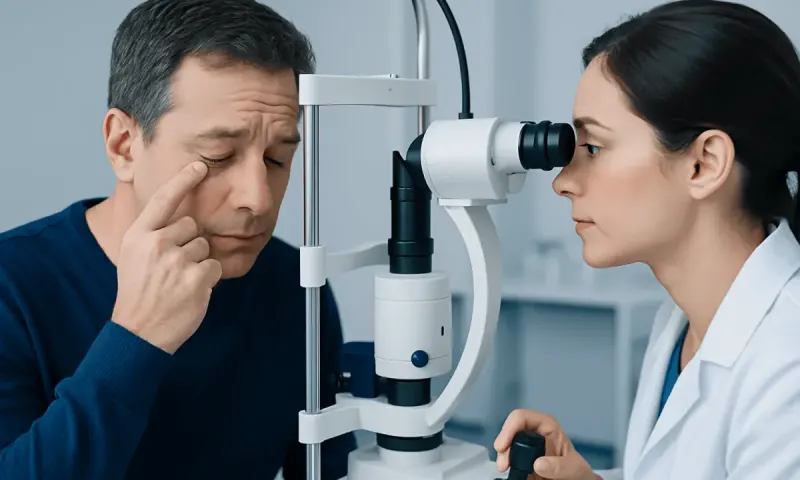
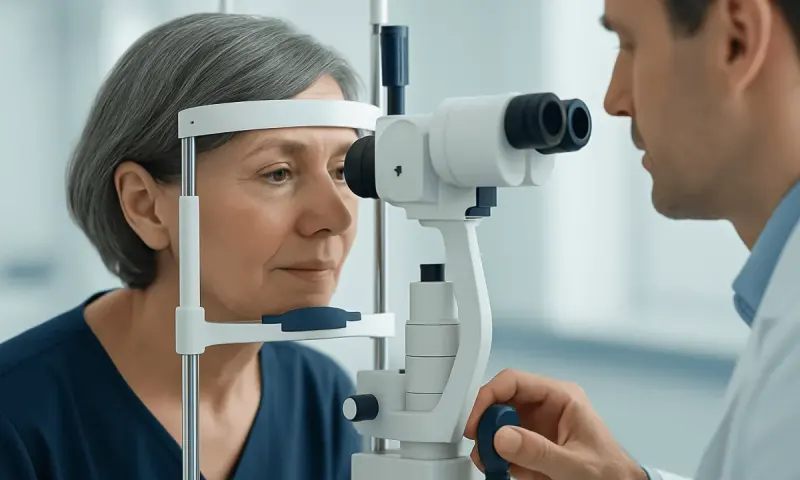
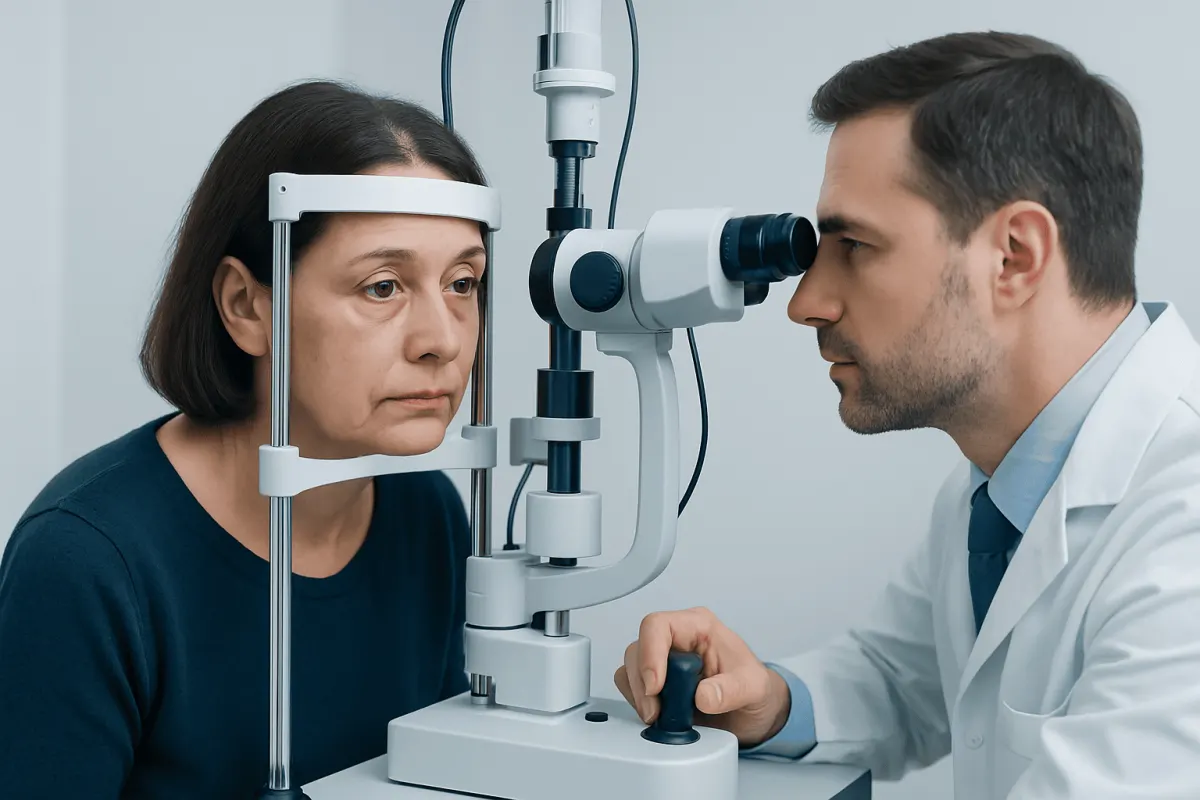
An eye specialist usually diagnoses blepharitis during an eye examination. They look closely at the eyelid margins, eyelashes, tear film and eye surface, sometimes using magnification or imaging to assess the meibomian glands. Tests are not usually extensive, but a clinician may evaluate for infection, allergy, rosacea, demodex mites or another eye condition when the findings suggest it.
Not every red or irritated eye is blepharitis. Conjunctivitis, allergic eye disease, a stye, corneal problems and contact-lens complications can cause overlapping symptoms. A clear diagnosis helps ensure that treatment is appropriate and that potentially serious causes of pain or vision change are not missed.
What Happens During Blepharitis Treatment
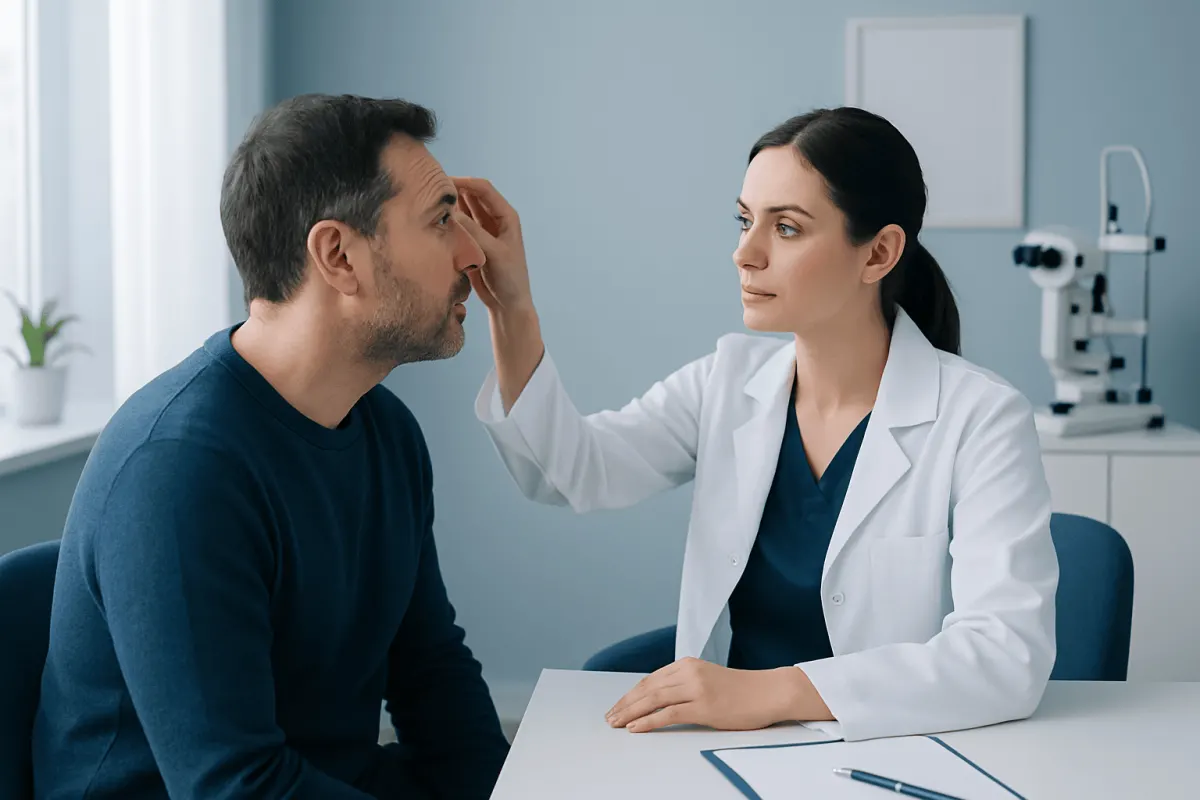
Blepharitis care is generally non-surgical and is performed at home, with selected in-clinic treatments when needed. A clinician will explain which steps are suitable based on the eyelid findings, the severity of symptoms and whether dry eye, rosacea or another condition is present.
A typical daily routine begins with a clean warm compress placed over closed eyelids for several minutes. The warmth helps soften oils within blocked glands. This is followed by gentle massage of the eyelids, if advised, and careful cleaning of the lash line with a clinician-recommended lid cleanser or wipe. The goal is to clean the lid margin without rubbing the eye itself or using irritating products.
When hygiene alone is insufficient, treatment may include preservative-free lubricating drops for dryness or clinician-prescribed antibiotic, anti-inflammatory or other medicated eye preparations. Oral medication is occasionally considered for selected people with significant meibomian gland dysfunction or rosacea-related disease. In-clinic options may be discussed for persistent gland blockage, but their suitability varies and should be decided after an eye assessment.
Acıbadem Health Point’s ophthalmology teams can assess eyelid inflammation and related eye-surface concerns, with care available through JCI-accredited hospitals for international patients. The appropriate treatment plan should always be based on an individual examination.
How Long Does It Take to See Results From Blepharitis Treatment?
Some people notice less crusting, irritation or burning after several days of regular warm compresses and lid hygiene. More meaningful improvement commonly takes a few weeks because eyelid inflammation and blocked gland oils need time to settle. When prescribed medication is needed, the expected response depends on the medicine and the underlying cause.
Symptoms may improve gradually rather than disappear all at once. Dryness and blurred vision that fluctuates through the day can take longer to improve, particularly when meibomian gland dysfunction is present. Keeping follow-up appointments allows the clinician to assess whether the routine is effective and adjust it safely.
Consistency matters more than intensity. Over-cleaning, scrubbing hard, or using unapproved products may further irritate the delicate eyelid skin and eye surface. People should follow the specific frequency and technique recommended by their clinician.
Benefits, Limits and Possible Risks of Treatment
Effective blepharitis treatment can reduce itching, burning, redness, crusting and the sensation of a foreign body in the eye. It may also improve comfort with reading, screen use and contact lenses, and can lower the likelihood of recurrent styes or eyelid-margin inflammation in some people.
The main limitation is that blepharitis often requires maintenance. Symptoms can return during periods of stress, illness, environmental dryness, poor eyelid hygiene or worsening skin disease. A treatment plan may therefore shift over time from active treatment during a flare to a simpler preventive routine once symptoms are controlled.
Warm compresses that are too hot can burn the skin, while vigorous massage or cleaning can aggravate inflammation. Eye drops, ointments and oral medicines may have side effects or may not be suitable for everyone. Only use prescription eye medicines as directed, and tell the clinician about pregnancy, allergies, contact-lens use and other medications.
- Use a comfortably warm, not hot, compress.
- Stop a new product and seek advice if it causes worsening redness, swelling, rash or pain.
- Do not share eye cosmetics, towels, cloths or eye drops.
What Triggers Blepharitis Flare Up?
Blepharitis flare-ups can be triggered by accumulation of oils, skin cells and debris along the eyelid margins, especially when meibomian glands are blocked. Skipping regular lid hygiene after symptoms improve may allow the same cycle of blockage and inflammation to return.
Skin conditions such as rosacea, seborrheic dermatitis and dandruff can contribute, as can allergies and exposure to smoke, dust, wind or very dry air. Long periods of screen use may worsen dryness because people blink less frequently and completely. Eye makeup, cosmetic products or contact lenses can also aggravate symptoms in some individuals, particularly if products are old, not removed thoroughly or cause irritation.
Identifying personal triggers can make treatment more effective. A simple symptom diary noting eye products, environmental exposures, skin flares and contact-lens use may help an eye specialist recommend practical changes without unnecessarily limiting everyday activities.
Do Eyes Go Back to Normal After Blepharitis?
Many people regain comfortable, clear-feeling eyes and have little or no visible redness when blepharitis is well controlled. However, blepharitis is often chronic or recurrent, so the eyelids may need ongoing care even after symptoms settle. The aim is durable control and protection of the eye surface, rather than expecting a one-time cure for every person.
Early and regular management is important because persistent eyelid inflammation can worsen dry eye, contribute to styes or affect contact-lens comfort. Most people do not develop lasting vision problems from uncomplicated blepharitis, but vision changes should never be assumed to be part of the condition without an eye examination.
Maintaining a simple routine, treating associated skin disease and attending review appointments when symptoms persist can help keep the eyes as comfortable and healthy as possible.
What Not to Do With Blepharitis and When to Seek Medical Care
People with blepharitis should avoid rubbing the eyes, picking at crusts, using very hot compresses or scrubbing the eyelid margins forcefully. They should not use someone else’s eye drops, start leftover antibiotic drops, or apply non-eye-safe oils, soaps or cosmetic products near the eyes. During a significant flare, it may help to pause eye makeup and contact-lens wear until comfort returns and a clinician advises that they can be resumed.
Medical advice is appropriate when symptoms do not improve after a period of careful eyelid hygiene, recur frequently, interfere with daily activities or are associated with repeated styes. A clinician can review the diagnosis, look for dry eye or skin disease, and recommend safe treatment changes.
Prompt assessment is important for severe eye pain, new or worsening vision loss, marked light sensitivity, substantial eyelid swelling, inability to open the eye, injury, fever, or a very red eye with discharge. These symptoms may indicate a problem other than uncomplicated blepharitis and should not be managed with home care alone.
Frequently asked questions
01Can blepharitis be cured permanently?
Blepharitis is often a long-term or recurring eyelid condition, so it may not have a permanent one-time cure. However, regular eyelid hygiene and treatment of contributing factors can control symptoms very effectively for many people. An eye specialist can tailor maintenance care to the individual.
02Should warm compresses be used every day for blepharitis?
Many people are advised to use warm compresses regularly, especially during active symptoms, but the ideal schedule varies. The compress should be comfortably warm rather than hot, and it should be followed by gentle lid care if recommended. A clinician can advise how often to continue once symptoms improve.
03Can I wear contact lenses with blepharitis?
Contact lenses may feel uncomfortable during a flare because blepharitis can worsen dry eye and affect the tear film. It is often sensible to pause lens wear when eyes are red, painful or irritated, and to use glasses until symptoms improve. An eye-care professional can advise when it is safe to restart lenses and whether lens-care habits need changing.
04Does blepharitis cause blurry vision?
Blepharitis can cause temporary or fluctuating blurred vision when unstable tears or oily debris affect the eye surface. Vision should clear with blinking or lubricating treatment in many cases. Persistent blur, sudden vision loss or pain requires prompt assessment because these symptoms can have other causes.
05Can eye makeup make blepharitis worse?
Eye makeup may worsen symptoms in some people, especially if it is old, not removed fully or applied close to the lid margin. During active irritation, avoiding eye makeup can reduce additional blockage and irritation. Products should be replaced regularly and never shared.
06Is blepharitis contagious?
Typical blepharitis is not considered contagious. It commonly relates to eyelid oil-gland dysfunction, skin conditions and local inflammation rather than an infection passed between people. Good hygiene, including not sharing towels, cosmetics or eye products, remains sensible.
This article is for general information only and is not a substitute for professional medical advice. Please consult a qualified doctor about your individual situation.
Explore treatments in Turkey — costs, top hospitals & a free quote
JCI-accredited · board-certified surgeons · reply within 24h
Add us as a Preferred Source to see more of our trusted health content across Google Search, AI Overviews and Discover.