High Ankle Sprain: Symptoms, Causes and Treatment

Key Takeaways
- A high ankle sprain affects the ligaments above the ankle joint, not the outer ankle ligaments seen in many common sprains.
- Pain with walking, twisting, or pushing off the foot can be a clue, but imaging is sometimes needed to confirm the injury.
- Treatment depends on severity and may include rest, bracing, physical therapy, and, in some cases, surgery.
- Recovery often takes longer than a standard ankle sprain, so returning to activity too soon can delay healing.
- Rehabilitation and gradual return to weight-bearing are important for restoring strength, balance, and confidence.
A high ankle sprain is an injury to the ligaments that connect the lower leg bones above the ankle joint. It often heals more slowly than a typical ankle sprain and may need careful evaluation, especially when walking feels difficult or unstable.
Overview
A high ankle sprain is an injury to the syndesmosis, the tight band of ligaments that helps hold the tibia and fibula together just above the ankle. This support structure keeps the ankle stable when a person walks, turns, runs, or changes direction. When it is stretched or torn, the ankle can feel painful, weak, and less reliable than usual.
Compared with the more familiar low ankle sprain, a high ankle sprain often involves a different injury pattern and a slower recovery. It may happen during sports, a stumble on uneven ground, a fall, or any movement that twists the foot outward while the leg is planted. Because the injury can be subtle at first, some people continue activity and only later realize that the pain is not improving as expected.
For international patients deciding whether to travel for care, the practical question is not only “What is the injury?” but also “How stable is the ankle, and what is the safest path back to normal walking?” A thoughtful orthopedic assessment can help answer both.
Symptoms
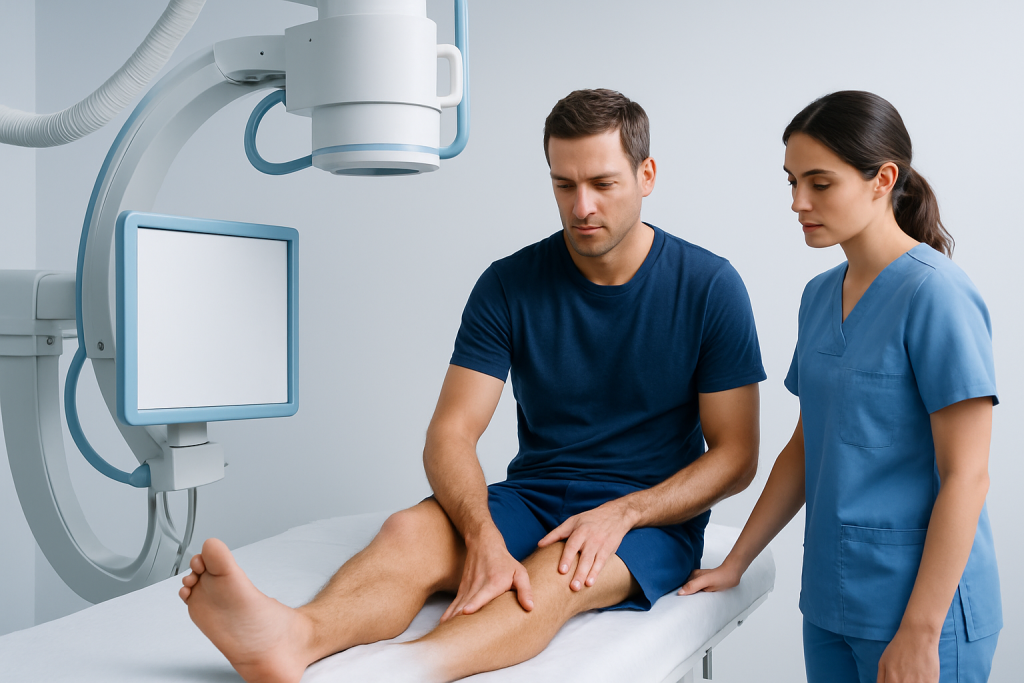
High ankle sprain symptoms usually appear above the ankle joint, where the lower leg bones meet. Pain may be sharp when the foot is twisted, pushed off the ground, or rotated outward. Some people notice swelling, tenderness, bruising, or a feeling that the ankle cannot trustfully support body weight.
Walking often becomes uncomfortable, especially when taking steps that require push-off. Stairs, turning quickly, or standing on the injured leg may also bring on pain. In more significant sprains, the ankle may feel unstable, and normal activities can become awkward or guarded.
Symptoms can vary widely, which is one reason the injury is sometimes overlooked. A person may have only mild swelling but still have a significant ligament injury. If pain persists or the ability to walk does not improve over several days, a medical evaluation is usually appropriate.
- Pain above the ankle joint
- Swelling and tenderness around the lower leg/ankle area
- Pain with twisting, pivoting, or pushing off
- Difficulty walking or bearing weight
- A sense of instability or weakness
Causes & Risk Factors

The most common cause is an outward twisting force on the foot while the leg stays planted. This can happen in contact sports, skiing, running on uneven ground, or a misstep that turns the ankle in an unusual direction. The syndesmotic ligaments are designed for stability, but a strong enough force can stretch or tear them.
People who play cutting or pivoting sports may face a higher risk because those movements place more stress on the ankle connection between the tibia and fibula. A history of previous ankle injury, poor balance, or inadequate footwear can also contribute. In some cases, the injury occurs together with other problems such as a fibular fracture or a broader ankle sprain pattern.
Risk is not limited to athletes. Travelers carrying luggage, walking on unfamiliar surfaces, or navigating stairs in new environments can also experience a sudden twist. That is why an injury that seems minor at first may still deserve attention if pain above the ankle lingers.
Diagnosis
Diagnosis begins with a careful history and physical examination. A doctor will ask how the injury happened, where the pain is located, and which movements make it worse. Specific examination maneuvers may help determine whether the syndesmotic ligaments are involved.
Imaging may be recommended to look for widening between the tibia and fibula or to check for associated fractures. X-rays are commonly used first, while MRI can show ligament injury more clearly when the diagnosis remains uncertain. In some situations, additional imaging or stress views are helpful, especially when the ankle appears unstable.
Getting the diagnosis right matters because high ankle sprains may heal differently from ordinary ankle sprains. For someone traveling from abroad, a clear diagnosis can also guide whether treatment should happen before flying home, during a short stay, or through coordinated follow-up with a local clinician.
Treatment Options
Treatment depends on how badly the ligaments are injured and whether the ankle remains stable. Mild injuries are often managed without surgery using rest, activity modification, bracing or immobilization, and a gradual return to walking. A doctor may advise limiting weight-bearing at first so the ligaments can calm down.
Arthritis Knee Physical Therapy: Early Signs, Risk Factors, and How It Is Treated" class="ahp-ilk">Physical therapy is often an important part of recovery. Rehabilitation focuses on restoring range of motion, strength, balance, and coordination, then progressing toward walking, jogging, and sport-specific movements as healing allows. The timeline can be longer than many people expect, so pacing is important.
More severe injuries, or those with unstable bones and ligaments, may require surgical treatment to restore alignment and stability. Surgery is not needed for every high ankle sprain, but it may be recommended when the syndesmosis is clearly disrupted. After treatment, follow-up visits help confirm healing and adjust the rehabilitation plan.
- Rest and temporary reduction of activity
- Brace, boot, or splint when advised
- Ice and elevation in the early phase if recommended by the care team
- Physical therapy and progressive loading
- Surgery for unstable or complex injuries
Prevention & Self-care
Not every high ankle sprain can be prevented, but certain habits can lower risk. Good footwear, appropriate warm-up, and training that includes balance and ankle strength may help protect the joint. Athletes may also benefit from technique coaching and a gradual increase in activity intensity.
After an injury, self-care is less about pushing through and more about protecting the healing tissue. Following the clinician’s instructions on weight-bearing, brace use, and exercise progression is one of the best ways to avoid lingering symptoms. Returning to sports or long walks too early may delay recovery and raise the chance of reinjury.
For people recovering while away from home, planning matters. Bringing discharge notes, imaging reports, and a simple rehab schedule can make follow-up smoother across borders. If air travel is planned, the treating team can help determine whether mobility support, compression, or timing adjustments are appropriate.
- Use supportive shoes for sports and daily walking
- Work on calf, ankle, and balance exercises when cleared
- Avoid sudden return to cutting, jumping, or pivoting activities
- Keep follow-up appointments, even if pain is improving
Recovery and Rehabilitation
Recovery time varies depending on the severity of the ligament injury and whether surgery was needed. Some people improve with conservative care over weeks, while more significant sprains may require a longer rehabilitation period. The key is not speed alone, but stable, functional healing.
Rehabilitation often begins with protecting the ankle and gradually advances toward restoring normal movement. Early exercises may focus on gentle range of motion and reducing stiffness; later stages typically add strength, balance, and controlled loading. A therapist may also monitor walking mechanics to make sure the foot and ankle are moving efficiently.
During follow-up, the care team usually looks for reduced pain, better stability, and the ability to bear weight comfortably. Returning to sport or physically demanding work usually requires meeting functional milestones rather than relying on the calendar alone. That approach helps protect the ankle when the person resumes full activity.
When to See a Doctor
Medical evaluation is advisable when ankle pain is located above the joint, when walking is difficult, or when the injury is not improving in a few days. It is especially important to be assessed if the ankle feels unstable, there is significant swelling, or the injury happened during a forceful twist.
Prompt assessment is also wise when a person cannot bear weight, hears a pop, or has pain together with deformity, numbness, or a cold foot. These findings can suggest a more serious injury that needs imaging and timely treatment. Even when symptoms seem moderate, persistent pain during push-off or rotation should not be ignored.
For patients coming from another country, an orthopedic team can help decide what needs to be done before travel, what can wait, and how to plan safe follow-up after returning home. At Acibadem Health Point, multidisciplinary specialists and JCI-accredited hospitals diagnose and treat high ankle sprain for international patients with coordinated care.
Living with a High Ankle Sprain
Living with this injury usually means adjusting daily activities while the ligaments heal. That may include shorter walks, avoiding uneven terrain, and using assistive devices or a brace if recommended. Simple changes can make movement safer and reduce unnecessary stress on the ankle.
It is common to feel frustrated by a slower recovery, especially for active people who expect an ankle sprain to resolve quickly. A steady rehabilitation plan, regular check-ins, and realistic milestones often help more than repeated “test it and see” attempts. Progress may be gradual, but it should be measurable over time.
Most importantly, recovery should be guided by function. When pain, swelling, and instability are steadily improving and a clinician confirms the ankle is ready, return to normal activity can become much safer and more confident.
Frequently asked questions
01How is a high ankle sprain different from a regular ankle sprain?
A high ankle sprain affects the ligaments above the ankle joint that connect the tibia and fibula. A regular or low ankle sprain more often involves the outer ligaments around the ankle itself. High ankle sprains can be more painful with walking and may take longer to heal.
02Can a high ankle sprain heal without surgery?
Yes, many mild to moderate high ankle sprains heal without surgery. Treatment may include rest, a brace or boot, and physical therapy. Surgery is usually considered when the ankle is unstable or when other injuries are present.
03How do doctors diagnose a high ankle sprain?
Doctors usually start with a physical exam and ask how the injury happened. X-rays are often used first, and MRI may be ordered if ligament damage needs to be seen more clearly. The goal is to check for instability or an associated fracture.
04How long does recovery take?
Recovery time varies with the severity of the injury and the treatment plan. Mild injuries may improve in several weeks, while more serious sprains can take longer. A gradual return to activity is usually safer than trying to resume full exercise too soon.
05Should someone keep walking on the injured ankle?
That depends on the severity of the sprain and a doctor’s guidance. Some people may need to limit weight-bearing at first to protect the ligaments. If walking causes significant pain or instability, medical evaluation is a good idea.
06When is it safe to return to sports or exercise?
Return usually depends on pain control, strength, balance, and the ability to move without instability. A clinician or physical therapist may use functional milestones to guide the decision. Returning too early can slow healing and increase the risk of another injury.
This article is for general information only and is not a substitute for professional medical advice. Please consult a qualified doctor about your individual situation.
Joint and spine care in Turkey — expert assessment & treatment
JCI-accredited · board-certified surgeons · reply within 24h
Add us as a Preferred Source to see more of our trusted health content across Google Search, AI Overviews and Discover.