Headache Behind Right Eye: Causes and Treatment

Key Takeaways
- Pain behind one eye is a symptom, not a diagnosis, and different conditions can cause it.
- Migraine, cluster headache, sinus disease, eye strain, and some eye emergencies are common considerations.
- Sudden vision changes, a red eye, fever, or severe worsening pain deserve prompt medical review.
- A careful history and eye or neurological examination usually help identify the cause.
- Simple measures may help some headaches, but persistent or recurring pain should be assessed by a clinician.
A headache behind the right eye can have several causes, ranging from migraine and sinus-related pain to eye conditions that need timely evaluation. Understanding the pattern, associated symptoms, and triggers can help guide the next step in care.
Overview
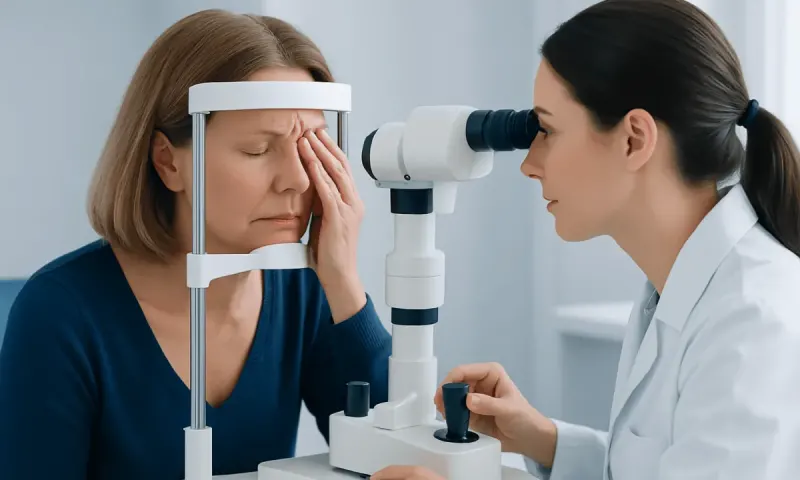
Headache behind the right eye is a symptom many people notice first as pressure, aching, throbbing, or a sharp discomfort centered around one side of the face. It may stay close to the eye, spread to the temple or forehead, or travel into the cheek and upper jaw. Because the same area can be affected by the brain, sinuses, muscles, nerves, and the eye itself, the cause is not always obvious at home.
Some episodes are brief and settle with rest, hydration, or over-the-counter measures, while others come with tearing, light sensitivity, congestion, nausea, or blurry vision. The most useful clue is often the pattern: when the pain starts, how long it lasts, what makes it better or worse, and whether it happens with other symptoms.
For international patients planning care across borders, this symptom can be especially frustrating because the cause may not be found in one quick visit. A structured evaluation can help determine whether the problem belongs to neurology, eye care, ENT, or another specialty, so treatment is directed at the source rather than just the pain.
Symptoms
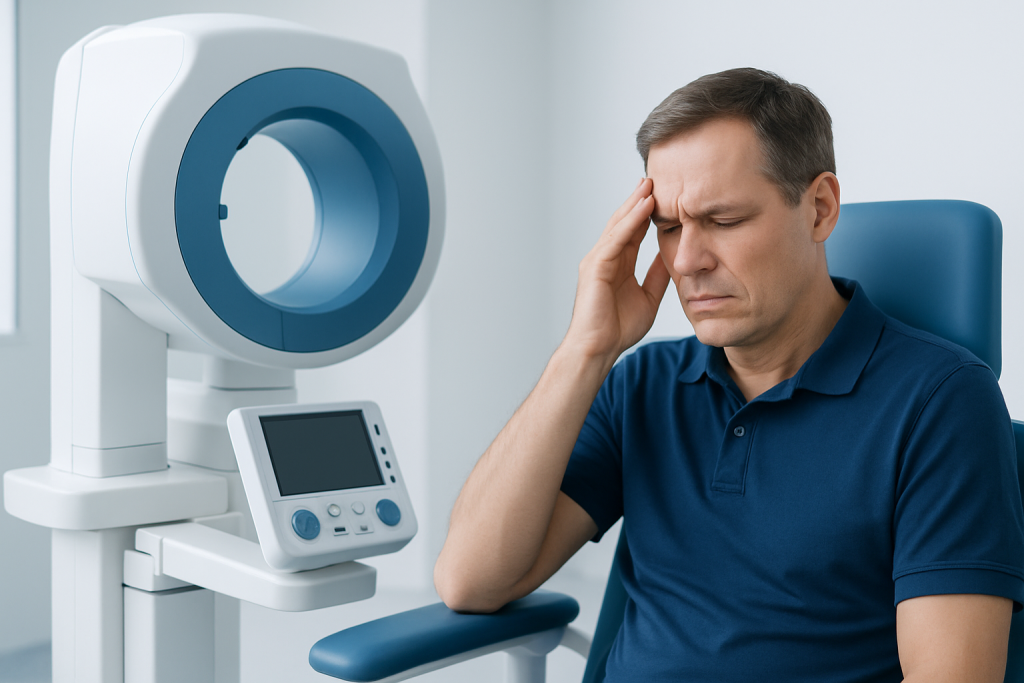
Pain behind the right eye can feel different from person to person. Some describe a deep pressure behind the orbit, while others feel a pounding headache on one side of the head that seems to radiate toward the eye. The pain may be constant or come in waves, and it can range from mild annoyance to severe discomfort.
Symptoms that may appear alongside the pain include:
- Light sensitivity or sound sensitivity
- Nausea or vomiting
- Watery eye, nasal congestion, or facial fullness
- Blurred vision or seeing halos
- Eye redness or a feeling of eye pressure
- Tenderness around the forehead, temple, or cheek
Some people also notice that the headache appears after long screen use, poor sleep, stress, travel, dehydration, or seasonal allergies. A new pattern, especially one that is unusually intense or different from previous headaches, deserves attention.
Causes & Risk Factors

Several conditions can lead to pain behind one eye. Migraine is a common cause and often produces one-sided throbbing pain with light sensitivity, nausea, and sometimes visual symptoms. Cluster headache is less common but can cause very severe pain around one eye with tearing, redness, and restlessness, often occurring in repeated attacks at the same time of day.
Sinus inflammation can also create pressure behind the eye, especially when there is a blocked nose, thick discharge, facial pressure, or pain that worsens when bending forward. Eye-related causes include eye strain, dry eye, inflammation, increased eye pressure, and less commonly acute eye emergencies. Tension-type headache may also be felt near the forehead or temple and can be perceived as pain around the eye.
Risk factors vary by cause. Triggers for migraine can include stress, skipped meals, hormonal changes, certain foods, dehydration, and sleep disruption. People with allergies, chronic sinus problems, uncorrected vision needs, or prolonged screen exposure may be more prone to recurrent discomfort. A history of smoking, high blood pressure, or certain eye conditions may also shape the evaluation.
Diagnosis
Diagnosis begins with a detailed conversation about the pain: exactly where it is felt, how long it lasts, whether it affects the right eye only, and what other symptoms occur with it. A clinician may ask about vision changes, nausea, light sensitivity, nasal symptoms, recent infections, injury, medications, and past headache history. This pattern is often the key to narrowing the possibilities.
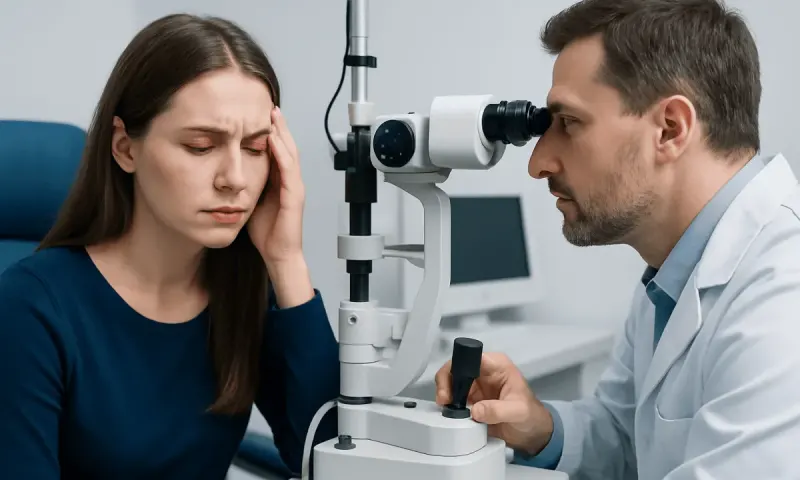
A physical examination may include checking vision, eye movement, pupil response, eye redness, facial tenderness, and neurological signs. Depending on the findings, the clinician may recommend an eye examination, sinus assessment, blood pressure measurement, or imaging studies such as CT or MRI when a deeper look is needed. Tests are not always required, but they become more important if the headache is new, severe, or accompanied by concerning features.
For someone traveling from another country, bringing a simple symptom diary can be useful. Notes about timing, triggers, associated symptoms, and previous treatments help the care team move efficiently, especially when follow-up may need to be coordinated remotely after the visit.
Treatment Options
Treatment depends entirely on the cause. Migraine may improve with rest in a dark room, hydration, trigger management, and clinician-guided medicines designed for migraine attacks or prevention. Cluster headache usually needs medical treatment rather than home measures alone, and timely evaluation is important because the pain can be intense and disabling.
If the cause is sinus-related, treatment may focus on relieving inflammation, managing allergies, or addressing an infection when present. Eye strain can improve with updated glasses or contact lens prescriptions, screen breaks, better lighting, and treatment of dry eye. Eye emergencies, raised eye pressure, or inflammatory eye disease require prompt specialist care.
When headaches keep returning, the goal is not only to quiet each episode but also to reduce how often they happen. A doctor may suggest a personalized plan that includes medicine, sleep and stress routines, trigger tracking, and follow-up with neurology, ophthalmology, or ENT depending on the cause. For international patients, coordinated care can make it easier to complete the workup, start treatment, and arrange safe follow-up after returning home.
Prevention & Self-care
Simple habits can reduce the likelihood of some headaches and may lessen their intensity. Regular meals, adequate fluids, consistent sleep, and reasonable screen breaks are helpful for many people. It can also be useful to note whether headaches follow specific foods, strong smells, long flights, missed caffeine, or periods of stress.
Practical self-care steps may include:
- Resting in a quiet, dim room during an attack
- Using prescribed or clinician-approved pain relief as directed
- Applying cool compresses if that feels soothing
- Managing allergies or sinus symptoms early
- Reviewing glasses or contact lens fit if eye strain is suspected
- Taking regular breaks from close work and digital screens
Self-care is most helpful when it fits the likely cause. If pain behind the eye keeps returning, grows stronger, or begins to affect vision or daily function, home strategies should not replace medical assessment.
When to See a Doctor
Medical review is a good idea when headache behind the right eye is new, persistent, recurring, or interfering with work, sleep, or travel plans. A doctor can help determine whether the issue is primarily neurological, ocular, or sinus-related and whether any testing is needed.
Prompt evaluation is especially important if the headache comes with sudden vision loss, double vision, a red or very painful eye, fever, confusion, weakness, numbness, vomiting that will not stop, or the “worst headache” of a person’s life. These features can signal conditions that should not wait.
People who are managing symptoms while abroad should seek care sooner rather than later if the pattern changes or becomes hard to control. Acibadem Health Point’s multidisciplinary specialists and JCI-accredited hospitals diagnose and treat this condition for international patients, with coordinated care that can support assessment, treatment, and follow-up planning.
Frequently asked questions
01Is a headache behind the right eye always a migraine?
No. Migraine is one possible cause, but sinus problems, cluster headache, eye strain, dry eye, and some eye conditions can cause similar pain. The accompanying symptoms and the timing of the episodes help point to the most likely reason.
02Can eye problems cause headache behind one eye?
Yes. Problems such as eye strain, dry eye, inflammation, or increased eye pressure can be felt as pain around or behind the eye. If there is redness, blurry vision, or a noticeable change in vision, an eye examination is important.
03When is pain behind the eye an emergency?
It should be treated urgently if it comes with sudden vision loss, double vision, a very red eye, severe swelling, fever, weakness, confusion, or rapidly worsening pain. These symptoms can suggest conditions that need immediate medical attention.
04Can sinus pressure feel like it is behind the eye?
Yes. Sinus inflammation can create pressure or aching around the eye, forehead, and cheek, especially when bending forward. A blocked nose, thick discharge, or facial tenderness often gives a clue that the sinuses may be involved.
05What should someone track before a medical visit?
It helps to note when the pain starts, how long it lasts, what it feels like, whether it stays on the right side, and any symptoms such as nausea, tearing, congestion, or vision changes. A list of medicines tried and any possible triggers, such as sleep loss or screen use, is also useful.
06Can lifestyle changes help prevent recurring headaches behind the eye?
They can help when the cause is related to migraine, tension, eye strain, or dehydration. Regular sleep, hydration, balanced meals, screen breaks, and trigger awareness are sensible first steps, but recurring or severe pain still deserves medical evaluation.
This article is for general information only and is not a substitute for professional medical advice. Please consult a qualified doctor about your individual situation.
Persistent digestive symptoms? Get evaluated in Turkey
JCI-accredited · board-certified surgeons · reply within 24h
Add us as a Preferred Source to see more of our trusted health content across Google Search, AI Overviews and Discover.