Headache Behind Left Eye: Causes and Treatment

Key Takeaways
- Pain behind one eye is a symptom, not a diagnosis, and several different conditions can cause it.
- Migraine, cluster headache, sinus disease, eye strain, and eye-pressure problems are common considerations.
- New vision changes, a very red eye, severe nausea, weakness, or sudden intense pain need prompt medical attention.
- A careful history, eye examination, and sometimes imaging or blood tests help find the cause.
- Self-care may help mild cases, but recurring or one-sided eye pain should be assessed by a clinician.
A headache behind the left eye can come from the eye, sinuses, nerves, blood vessels, or the muscles around the face and head. Most causes are treatable, but the pattern of symptoms helps a doctor decide whether the problem is urgent or can be evaluated in a routine visit.
Overview
Headache behind the left eye is often described as a deep, pressing, throbbing, or stabbing pain felt around or directly behind the eye socket. For some people, the discomfort stays local. For others, it spreads to the forehead, temple, cheek, jaw, or the back of the head. The location can feel very specific, but the source may still be wider than the eye itself.
Because the area behind the eye contains nerves, blood vessels, sinuses, muscles, and structures related to vision, several conditions can create similar pain. That is why the most useful clue is not only where the pain is felt, but also how it behaves: whether it comes with tearing, light sensitivity, congestion, blurred vision, nausea, or a red eye.
For international patients deciding whether to travel for care, this symptom often becomes a question of timing. Mild, familiar headaches may be reviewed during a planned outpatient visit, while sudden or unusual pain, especially with eye changes, deserves faster assessment before travel plans continue. A doctor can help sort out whether the cause is likely to be migraine, sinus disease, an eye condition, or a neurologic problem.
Symptoms

The pain itself may feel dull and tight, sharp and piercing, or rhythmic and pulsating. Some people notice it only on one side, while others feel it centered behind one eye and then radiating outward. Episodes may last minutes, hours, or longer, depending on the cause.
Associated symptoms often provide the strongest clues. Migraine can bring nausea, sensitivity to light or sound, and worsening with activity. Cluster headache may cause severe one-sided pain with tearing, a runny nose, eyelid drooping, or a restless feeling. Sinus-related pain may be paired with facial pressure, congestion, or thick nasal discharge. Eye conditions may cause redness, blurred vision, halos, or pain that worsens when the eye moves.
- One-sided eye or temple pain
- Light sensitivity or sound sensitivity
- Watery eye, red eye, or swollen eyelid
- Nasal congestion or facial pressure
- Blurred vision or seeing halos
- Nausea, vomiting, or dizziness
Symptoms that begin suddenly, change pattern, or appear with weakness, confusion, fever, or vision loss should never be ignored. They do not always mean a serious condition, but they do mean the cause needs prompt medical review.
Causes & Risk Factors

Migraine is one of the most common reasons for pain behind one eye. It often affects one side of the head and may be triggered by stress, sleep changes, skipped meals, hormonal shifts, certain foods, bright light, or strong smells. Some people experience aura, which may include visual changes before the headache begins.
Cluster headache is less common but can be striking because the pain is intense and tightly one-sided, often centered around the eye. Attacks may happen in groups over days or weeks and are sometimes accompanied by tearing, nasal symptoms, eyelid swelling, or restlessness. Another frequent possibility is sinus inflammation or infection, which can create pressure around the eyes and face.
Other causes include eye strain from prolonged screen use, uncorrected vision problems, dry eye, inflammation inside the eye, optic nerve conditions, high eye pressure, or nerve-related pain. In some cases, tension-type headaches or neck and jaw problems can refer pain toward the eye area.
Risk factors vary by cause. A history of migraine, family history of headaches, poor sleep, stress, dehydration, prolonged screen time, allergies, smoking exposure, and untreated vision issues can all make symptoms more likely. Because the causes are diverse, a careful symptom history is often more valuable than a single test.
Diagnosis
Evaluation usually starts with a conversation about the pain pattern: when it began, how long it lasts, whether it is always on the left side, and what symptoms come with it. A doctor may also ask about recent colds, sinus symptoms, eye strain, head injury, stress, sleep habits, and medicines already taken. These details help separate common headache patterns from eye or neurologic conditions.
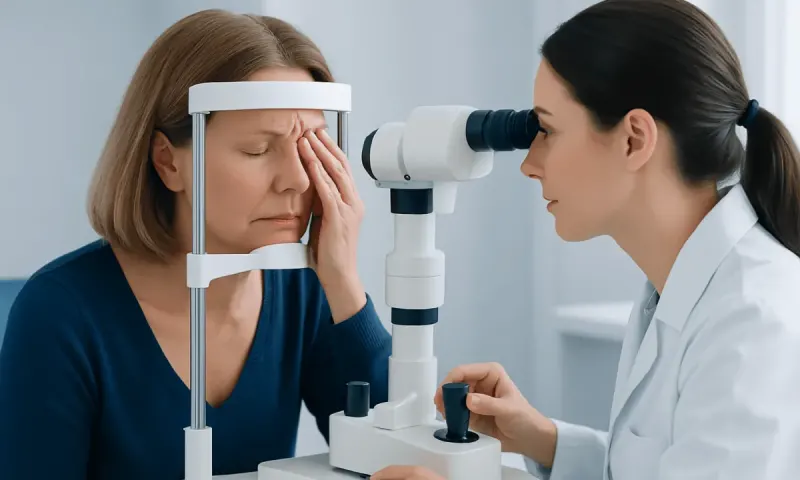
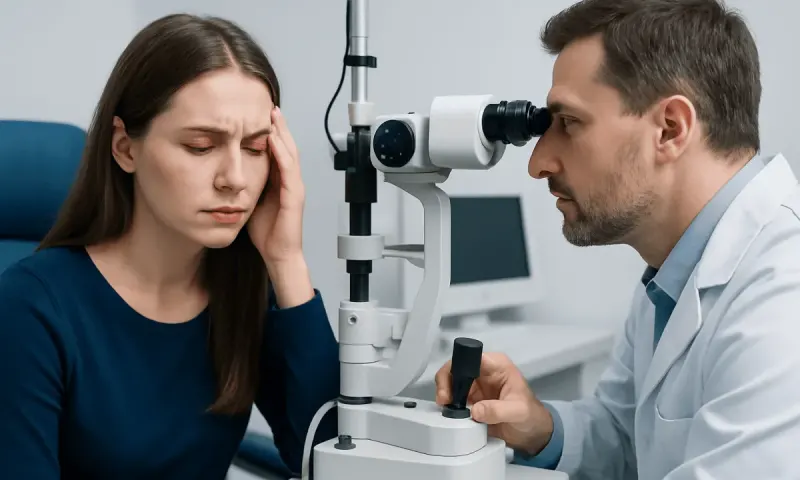
An eye examination is often an important part of the workup. This may include checking vision, eye movement, pupil response, eye pressure, and the appearance of the cornea, retina, and optic nerve. If sinus disease is suspected, the clinician may examine the nose and face. If a neurologic cause is possible, a full nerve examination may be needed.
Depending on the findings, imaging such as CT or MRI may be recommended, especially when the headache is new, severe, unusual, or associated with neurologic symptoms. Blood tests are sometimes used when infection, inflammation, or other systemic causes are being considered. For patients traveling for care, bringing prior records, imaging reports, prescription lists, and notes about headache triggers can make the consultation more efficient and precise.
Treatment Options
Treatment depends entirely on the cause. Migraine may be managed with trigger reduction, acute headache medicines, and preventive therapies when attacks are frequent or disabling. Cluster headache requires a different approach and often needs prompt, targeted treatment from a specialist. Sinus-related pain may improve when the underlying infection or inflammation is addressed.
If the problem is eye-related, treatment may involve lubricating drops, treatment for inflammation, pressure-lowering medicines, or another eye-specific plan. When eye strain or an uncorrected vision issue is responsible, updated glasses, contact lens changes, screen breaks, and better lighting can make a meaningful difference. Nerve-related pain or headaches linked to the jaw, neck, or posture may call for a broader treatment plan that includes rehabilitation or physical therapy.
People should avoid self-treating repeatedly with pain medicine without understanding the cause, since overuse can sometimes worsen headache patterns. A clinician can help choose the safest option based on medical history, other conditions, and whether the pain is truly a headache or a sign of an eye disorder. If the diagnosis is uncertain, follow-up may be needed after the initial evaluation, especially when symptoms evolve.
Prevention & Self-care
Many headaches behind the left eye improve when common triggers are managed. Regular sleep, hydration, balanced meals, and stress reduction are practical foundations. For people with migraine, keeping a simple headache diary can help identify patterns such as missed meals, certain foods, hormonal changes, strong light, or disrupted routines during travel.
Screen habits also matter. Taking regular breaks, adjusting brightness, using proper seating, and treating dry eye can reduce eye strain. If allergies or sinus congestion are part of the picture, managing them consistently may lower the chance of pressure-type headaches. Good posture and attention to neck tension can also help when pain is being referred from surrounding muscles.
- Keep sleep and meal times as regular as possible
- Stay hydrated, especially during flights or long travel days
- Limit prolonged screen use without breaks
- Use prescribed glasses or contact lenses as directed
- Track triggers, timing, and associated symptoms
- Seek timely care if the pattern changes
Self-care is supportive, not a substitute for diagnosis when the pain is unusual. If a person is planning medical travel, it helps to arrange care in advance when possible so follow-up testing and recovery can be coordinated without unnecessary delays.
When to See a Doctor
Medical review is advisable when headache behind the left eye is new, recurring, getting worse, or interfering with daily life. It is also wise to seek care when headaches do not respond to usual measures, or when the pain keeps returning in the same one-sided pattern. Even if the symptom turns out to be benign, a clear diagnosis can reduce anxiety and guide the right treatment.
Prompt assessment is especially important if the pain comes with vision loss, blurred vision, halos, a very red eye, severe nausea or vomiting, fever, weakness, numbness, confusion, fainting, or trouble speaking. A sudden, severe headache that feels different from prior headaches should be evaluated urgently. So should pain after a head injury or pain with a drooping eyelid and unequal pupils.
Patients traveling internationally should consider getting evaluated before departure if the headache is severe or unexplained, because the safest plan may involve immediate testing rather than waiting until arrival. Acibadem Health Point’s multidisciplinary specialists and JCI-accredited hospitals diagnose and treat conditions like this for international patients, with coordinated evaluation across eye care, neurology, and imaging when needed.
Living With Recurring Eye-Side Headaches
When headaches repeatedly localize behind one eye, the goal is not only symptom relief but also pattern recognition. Keeping track of timing, triggers, response to medication, and associated eye or sinus symptoms helps the doctor narrow the cause and tailor treatment. Over time, this often leads to fewer surprises and better control.
People who travel for care may benefit from a simple written plan: what symptoms are expected, what medicines are being used, what follow-up is needed, and when to seek urgent help. That plan becomes especially useful once the person returns home, where local coordination with a primary doctor or eye specialist can continue recovery and monitoring. With the right diagnosis, many causes of pain behind the left eye can be managed effectively and calmly.
Not every pain behind the eye needs complex testing, but persistent or changing symptoms deserve attention. Reliable evaluation from qualified clinicians remains the best way to distinguish a headache disorder from an eye or sinus condition.
For readers seeking further background, the information in this article is aligned with guidance from major medical and public health organizations. These sources support an evidence-based approach to recognizing symptoms, identifying urgent warning signs, and choosing appropriate care.
Frequently asked questions
01Is a headache behind the left eye always an eye problem?
No. Pain in that area can come from migraine, cluster headache, sinus inflammation, eye strain, or an actual eye disorder. The associated symptoms, such as vision changes, redness, tearing, or congestion, help guide the evaluation.
02Can stress cause pain behind one eye?
Stress can contribute to tension headaches and can also trigger migraine in some people. It may not be the only cause, but it can make symptoms more frequent or harder to control.
03When is a headache behind the left eye urgent?
It is urgent if the pain is sudden and severe, or if it comes with vision loss, a red eye, fever, weakness, confusion, numbness, or trouble speaking. A new headache after head injury also needs prompt assessment.
04Can sinus problems feel like eye pain?
Yes. Sinus pressure can create discomfort around the eyes, forehead, cheeks, and nose. This is especially likely when the pain is paired with congestion, facial fullness, or thick nasal discharge.
05Will an eye exam be enough to find the cause?
Sometimes it will, especially if the problem is eye-related. In other cases, the doctor may also need a neurologic exam, imaging, or blood tests to look for migraine, sinus disease, or another cause.
06What can a person do while waiting for a doctor visit?
Rest in a quiet, dim room, stay hydrated, and avoid known triggers if possible. It is also helpful to write down when the pain started, how long it lasts, and what symptoms come with it.
This article is for general information only and is not a substitute for professional medical advice. Please consult a qualified doctor about your individual situation.
Persistent digestive symptoms? Get evaluated in Turkey
JCI-accredited · board-certified surgeons · reply within 24h
Add us as a Preferred Source to see more of our trusted health content across Google Search, AI Overviews and Discover.