Does Pink Eye Cause Headaches or Other Symptoms?
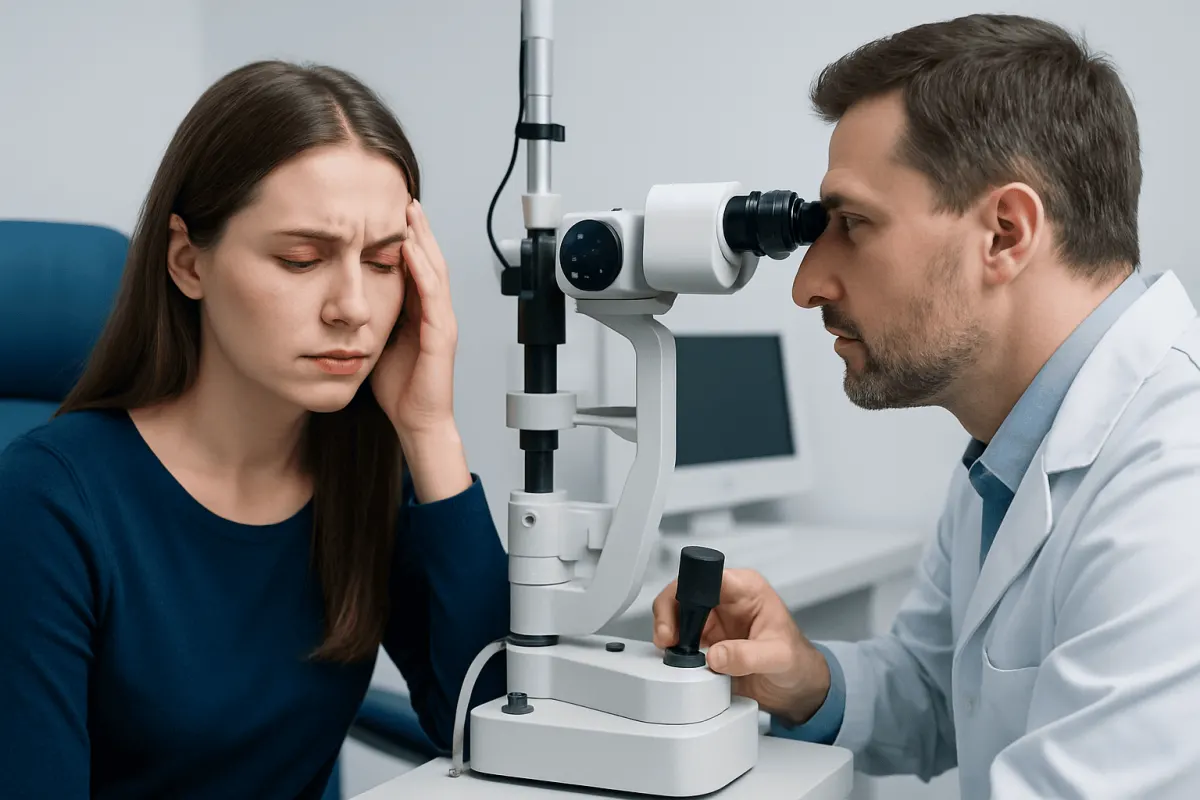
Pink eye, also called conjunctivitis, does not usually cause headaches on its own. However, a mild headache can occur alongside pink eye because of a viral illness, sinus congestion, eye discomfort, light sensitivity, or fatigue; severe headache or a painful red eye needs prompt medical assessment.
Does Pink Eye Cause Headaches?
Pink eye usually does not directly cause headaches. Most cases of conjunctivitis affect the thin, clear membrane covering the white of the eye and inner eyelids, causing redness, watering, discharge, itching, or a gritty feeling. These symptoms are often uncomfortable but are commonly mild and short-lived.
A headache may happen at the same time as pink eye, particularly when the cause is a viral infection such as a cold. Congestion, fever, tiredness, dehydration, squinting because of eye discomfort, and reduced sleep can all contribute to a mild headache. In these situations, the headache is often linked to the wider illness or discomfort rather than inflammation of the conjunctiva itself.
It is important not to assume that every red eye with a headache is simple conjunctivitis. Severe headache, significant eye pain, reduced vision, halos around lights, nausea or vomiting, or marked sensitivity to light can signal another eye or neurological concern and should be assessed urgently.
Why a Headache May Occur With Pink Eye
Viral conjunctivitis is a common cause of pink eye and may occur with upper respiratory symptoms. A person may also have a sore throat, runny nose, cough, fever, body aches, or sinus pressure. These symptoms can trigger an ordinary tension-type headache or headache related to the viral illness.
Eye irritation can also play a role. Tearing, burning, and light sensitivity may lead someone to squint or tense the muscles around the forehead and temples. Screens, reading, driving, or bright light can feel more difficult when the eyes are irritated, potentially making an existing headache feel worse.
Allergic conjunctivitis may cause itchy, watery eyes and often occurs with sneezing or a blocked nose. Nasal allergy symptoms can create facial pressure or contribute to headaches in some people. Bacterial conjunctivitis can produce thicker discharge and eyelid sticking, but headache is still not usually a defining feature.
Other causes of red eye should be considered when symptoms do not fit typical conjunctivitis. For example, inflammation inside the eye, corneal infection, severe dry eye, or raised eye pressure can cause pain and visual symptoms. These conditions need different care from routine pink eye.
Pink Eye Symptoms and What Is Typical

Conjunctivitis can affect one eye or both. Symptoms often include redness of the eye surface, watering, a scratchy or sandy sensation, eyelid swelling, and discharge. The type of discharge and accompanying symptoms may help a clinician identify the likely cause, although symptoms can overlap.
- Viral conjunctivitis: commonly causes watery discharge, redness, irritation, and may occur with cold-like symptoms. It can spread easily through close contact.
- Bacterial conjunctivitis: may cause thicker yellow or green discharge, crusting on waking, and eyelids that stick together.
- Allergic conjunctivitis: often causes prominent itching, watering, and swelling in both eyes, sometimes with nasal allergies.
- Irritant conjunctivitis: can occur after exposure to smoke, chlorine, cosmetics, or other irritants.
Simple conjunctivitis may be uncomfortable, but it should not usually cause deep eye pain, a major decrease in vision, or an intense headache. Contact lens wearers should take a red eye seriously because contact lens-related corneal infections can progress quickly and require prompt examination.
Red Flags: When a Red Eye and Headache Need Urgent Review
Medical review is advisable when a headache is persistent, worsening, unusual for the individual, or occurring with eye symptoms that are more severe than expected. A clinician can determine whether the symptoms are due to conjunctivitis, a migraine, sinus disease, medication effects, or another condition.
Urgent same-day assessment is important for a red eye with severe pain, blurred or reduced vision, severe light sensitivity, a severe or sudden-onset headache, nausea or vomiting, unequal pupils, swelling around the eye, trouble moving the eye, or fever with significant illness. These features are not typical of uncomplicated pink eye.
Acute angle-closure glaucoma, for example, can cause a painful red eye, headache, halos around lights, nausea, and reduced vision. It is an emergency because high eye pressure can damage vision. Inflammation inside the eye, called uveitis, and corneal conditions can also cause pain and sensitivity to light. A person should not use leftover antibiotic or steroid eye drops without medical advice, as some drops may be ineffective or unsafe for certain causes of red eye.
Children, older adults, people with weakened immune systems, and contact lens wearers may need a lower threshold for clinical assessment. So do people who have recently had eye surgery or an eye injury.
How Doctors Assess Pink Eye With a Headache
A doctor will begin by asking about the onset and pattern of the eye symptoms and headache. Useful details include whether one or both eyes are affected, the presence of itching or discharge, recent respiratory illness, allergy symptoms, contact lens use, recent eye injury, new products or chemical exposure, and close contact with someone who has conjunctivitis.
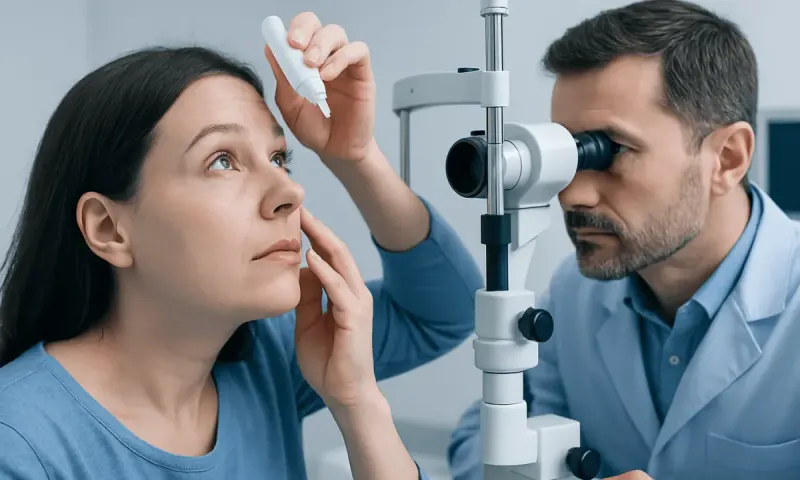
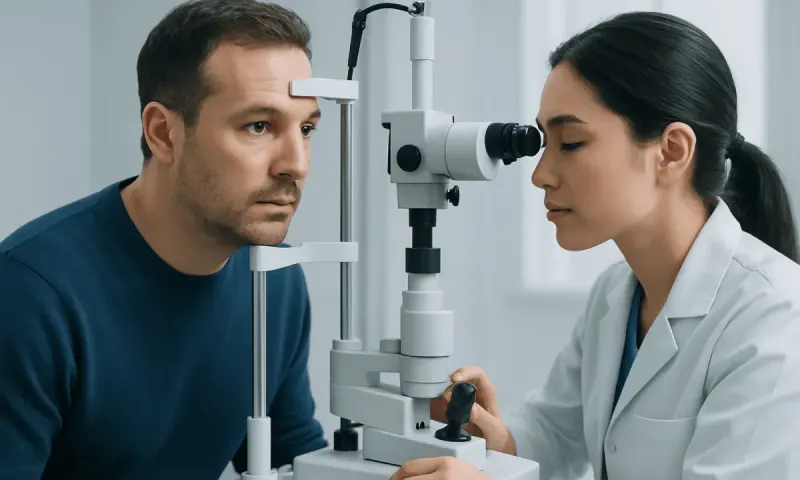
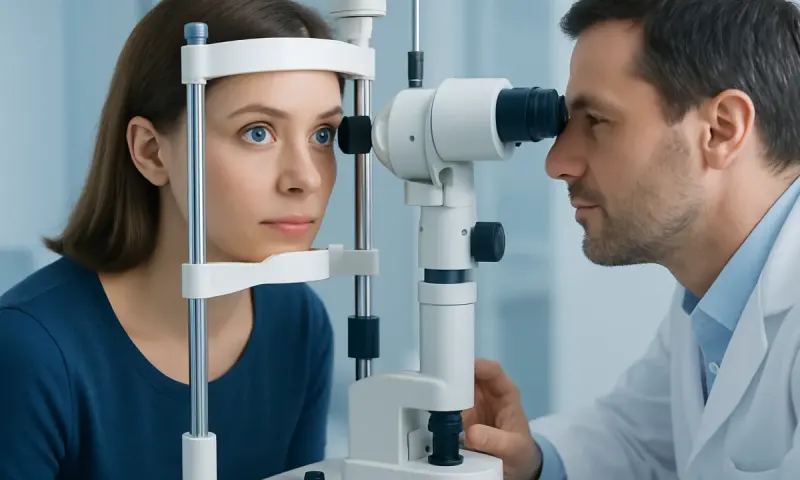
The examination may include checking vision in each eye, looking at the eyelids and eye surface, assessing pupil responses, and evaluating how the eyes move. Depending on the symptoms, an eye specialist may use a slit-lamp microscope to examine the cornea and other eye structures more closely. Eye pressure testing may be needed when glaucoma is a concern.
Most straightforward cases do not require scans or laboratory tests. Swabs, cultures, imaging, or further neurological assessment may be considered when symptoms are severe, recurrent, do not improve as expected, or suggest an infection or disorder beyond the conjunctiva.
Identifying the cause matters because viral, bacterial, allergic, and non-conjunctivitis causes are managed differently. A careful assessment also helps protect vision by recognizing the relatively uncommon but more urgent causes of a red, painful eye.
Treatment and Self-Care
Treatment depends on the cause. Viral conjunctivitis often improves with time and supportive care, while bacterial cases may be treated with prescribed antibiotic eye drops or ointment when clinically appropriate. Allergic conjunctivitis may improve by limiting allergen exposure and using clinician- or pharmacist-recommended allergy treatments. The correct approach should be guided by a qualified healthcare professional.
For comfort, a clean cool compress may reduce irritation and swelling. Artificial tears can sometimes soothe dryness or grittiness, provided a clinician or pharmacist confirms they are suitable. Rest, fluids, regular meals, and limiting bright screens or strong light may help when a mild headache accompanies a viral illness or eye discomfort.
People should wash their hands frequently, avoid rubbing their eyes, and avoid sharing towels, pillows, eye makeup, or contact lenses. Eye cosmetics used during an infectious episode may need to be discarded to reduce the chance of reinfection. Contact lenses should not be worn until the eye has fully recovered and a clinician confirms it is safe to resume them.
It is generally best to avoid using another person’s eye drops or previously prescribed drops. Antibiotic drops do not treat viral or allergic conjunctivitis, and steroid-containing drops require careful medical supervision. For people needing specialist assessment, conjunctivitis care can help clarify the likely cause and appropriate treatment pathway.
When to Seek Medical Care
A person should contact a doctor if pink eye symptoms are not improving, if discharge becomes heavier, if symptoms recur, or if there is uncertainty about the cause. A medical review is also appropriate when headache symptoms are frequent, disruptive, or different from previous headaches.
Seek urgent medical care for severe eye pain, vision loss or new blurring, strong light sensitivity, a severe headache, vomiting, halos around lights, injury or chemical exposure to the eye, or redness in a contact lens wearer. Chemical splashes should be rinsed immediately with clean running water while urgent help is arranged.
Acıbadem Health Point’s multidisciplinary specialists and JCI-accredited hospitals evaluate eye symptoms and associated headaches for international patients when further assessment is needed. Timely evaluation can distinguish common, self-limiting conjunctivitis from conditions that require more specific eye care.
In most cases, pink eye with a mild headache is not a sign of a serious problem. Still, an in-person assessment is the safest next step whenever there are concerning symptoms, uncertainty, or a lack of improvement.
Frequently asked questions
01Can pink eye cause a migraine?
Pink eye does not usually cause migraine directly. Eye discomfort, bright-light sensitivity, poor sleep, stress, or an accompanying viral illness may trigger or worsen a migraine in someone who is prone to them. A red eye with severe headache or vision changes should be assessed promptly rather than attributed to migraine alone.
02Is headache normal with viral conjunctivitis?
A mild headache can occur with viral conjunctivitis, especially when it develops alongside a cold, sore throat, fever, sinus congestion, or fatigue. The headache is usually related to the viral illness or general discomfort rather than the eye inflammation itself. Severe or worsening headache is not typical and needs medical advice.
03What does a painful red eye and headache mean?
A painful red eye and headache can have several causes, including conditions that are more serious than uncomplicated conjunctivitis. Acute glaucoma, inflammation inside the eye, corneal disease, and some infections may cause these symptoms. Same-day urgent assessment is important, particularly if vision is blurred, light is painful, or nausea occurs.
04Can sinus pressure cause pink eye and headaches together?
A viral respiratory infection or allergies can cause nasal congestion, headache, and conjunctivitis symptoms at the same time. Sinus pressure may contribute to forehead or facial discomfort, while the eye symptoms may be due to viral or allergic inflammation. Persistent facial swelling, high fever, severe pain, or eye movement problems need urgent medical evaluation.
05Should someone with pink eye use pain medicine for a headache?
Some people may be able to use an over-the-counter pain reliever for a mild headache, following the product instructions and advice from a pharmacist or clinician. This may not be suitable for everyone, including people with certain medical conditions or medication interactions. It should not delay care for severe headache, painful red eye, or vision symptoms.
06How long should a headache last with pink eye?
A mild headache associated with a viral illness or eye irritation should generally improve as the underlying symptoms settle. If it lasts several days without improvement, becomes more intense, or repeatedly returns, a doctor should evaluate it. New neurological symptoms, vomiting, or changes in vision require urgent care.
This article is for general information only and is not a substitute for professional medical advice. Please consult a qualified doctor about your individual situation.
Persistent digestive symptoms? Get evaluated in Turkey
JCI-accredited · board-certified surgeons · reply within 24h
Add us as a Preferred Source to see more of our trusted health content across Google Search, AI Overviews and Discover.